
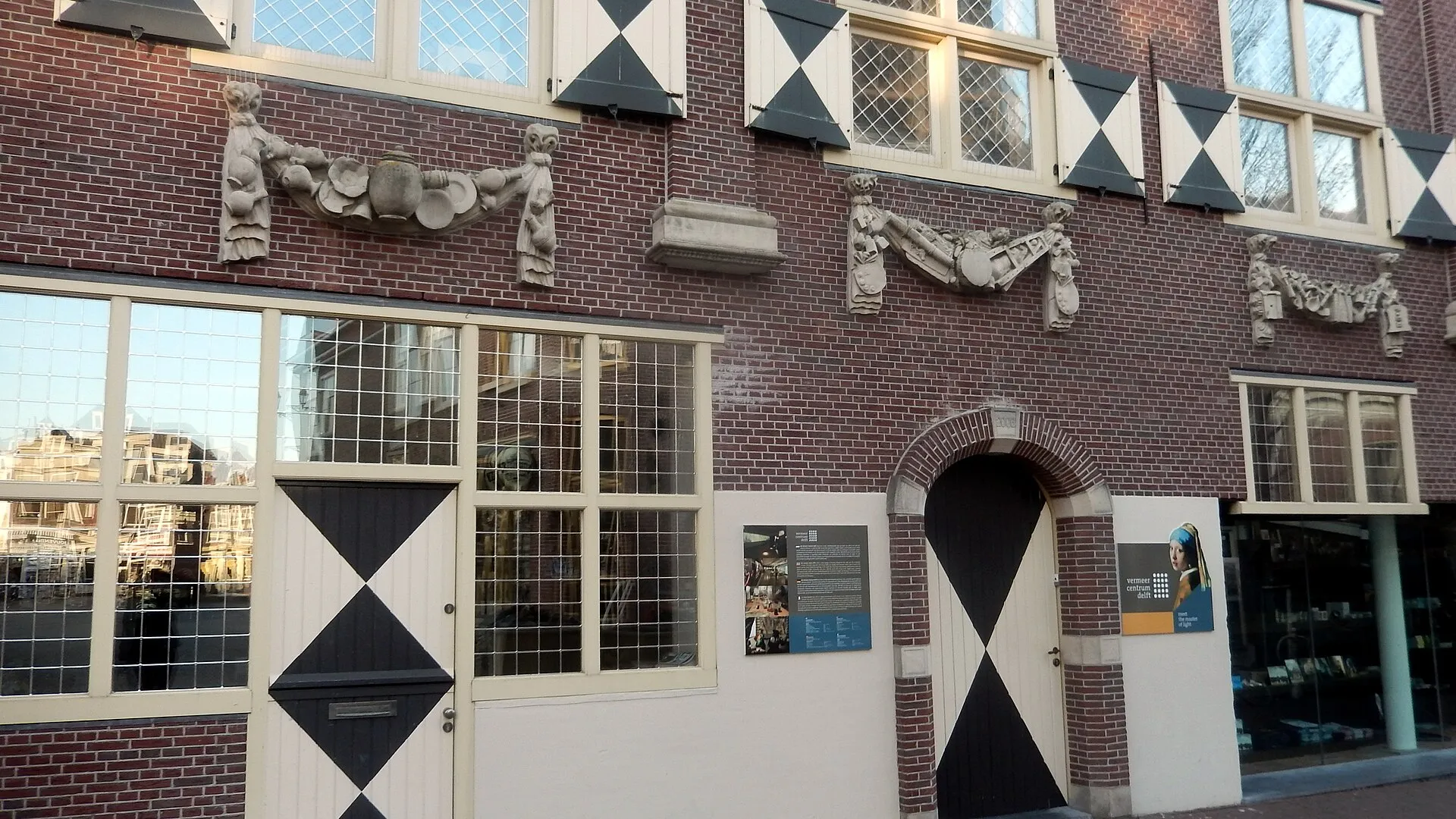
Collections Highlights
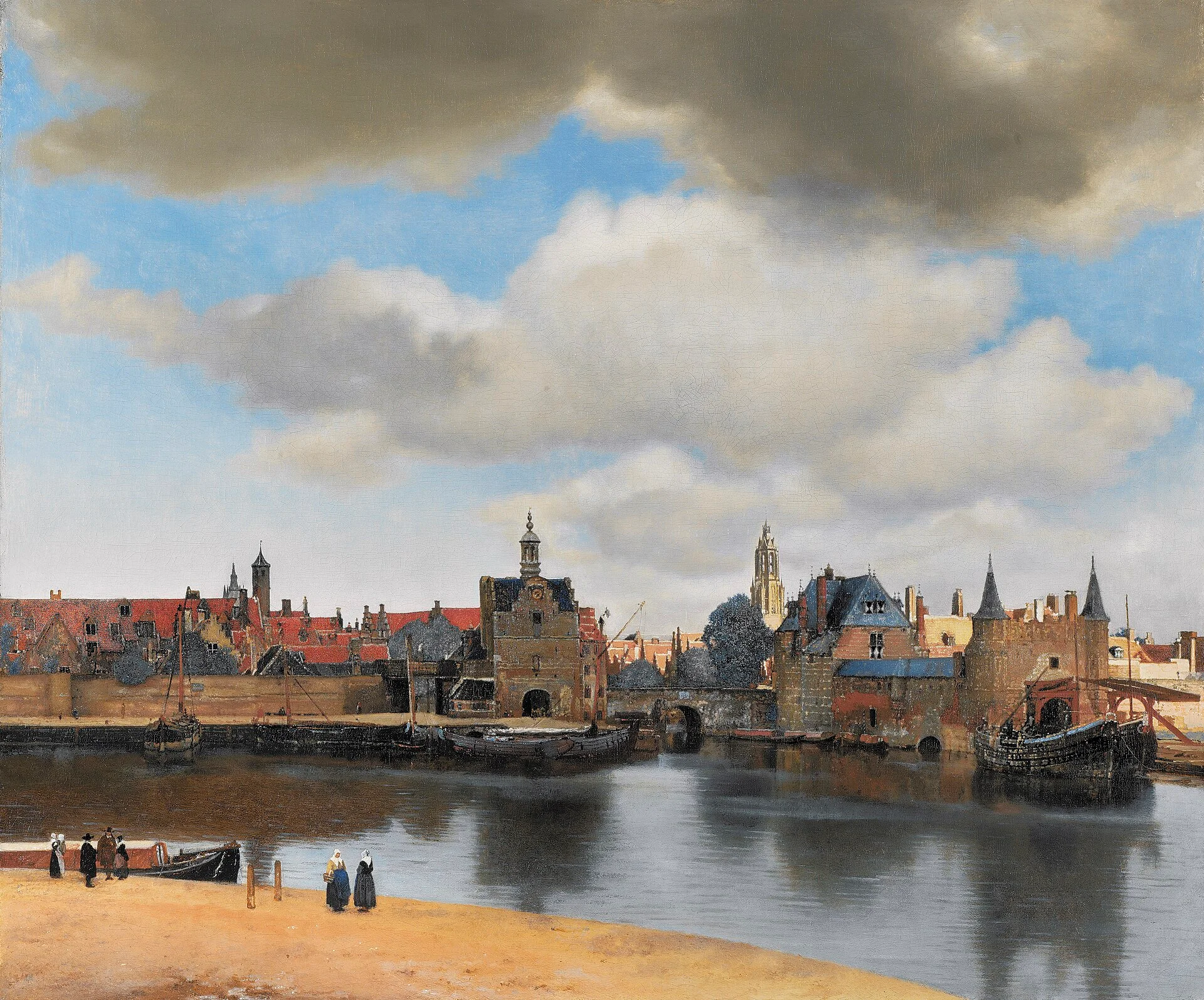
Complete Works Display: All 36 known Vermeer paintings reproduced at original scale, arranged thematically — domestic scenes, allegories, cityscapes, and portraits — providing the overview no single museum can offer. Camera Obscura Demonstration: Interactive exhibits show how Vermeer likely used optical devices to achieve his compositions, explaining the slightly out-of-focus effects and light behavior visible in paintings like The Milkmaid. Pigment and Technique Gallery: Displays of ground lapis lazuli (for ultramarine blue), lead-tin yellow, and vermilion alongside brush technique explanations reveal the material science behind paintings that appear effortlessly luminous. Delft Locations Map: A map connecting paintings to specific city locations — the Hooikade viewpoint for View of Delft, the Vlamingstraat house for The Little Street — transforms the city into an open-air gallery. Biographical Narrative: The exhibition traces Vermeer's life from his father's inn on the Markt to his death in debt at 43, leaving his wife with 11 children and 19 unsold paintings — revealing the human story behind the timeless art.
Guided Tours
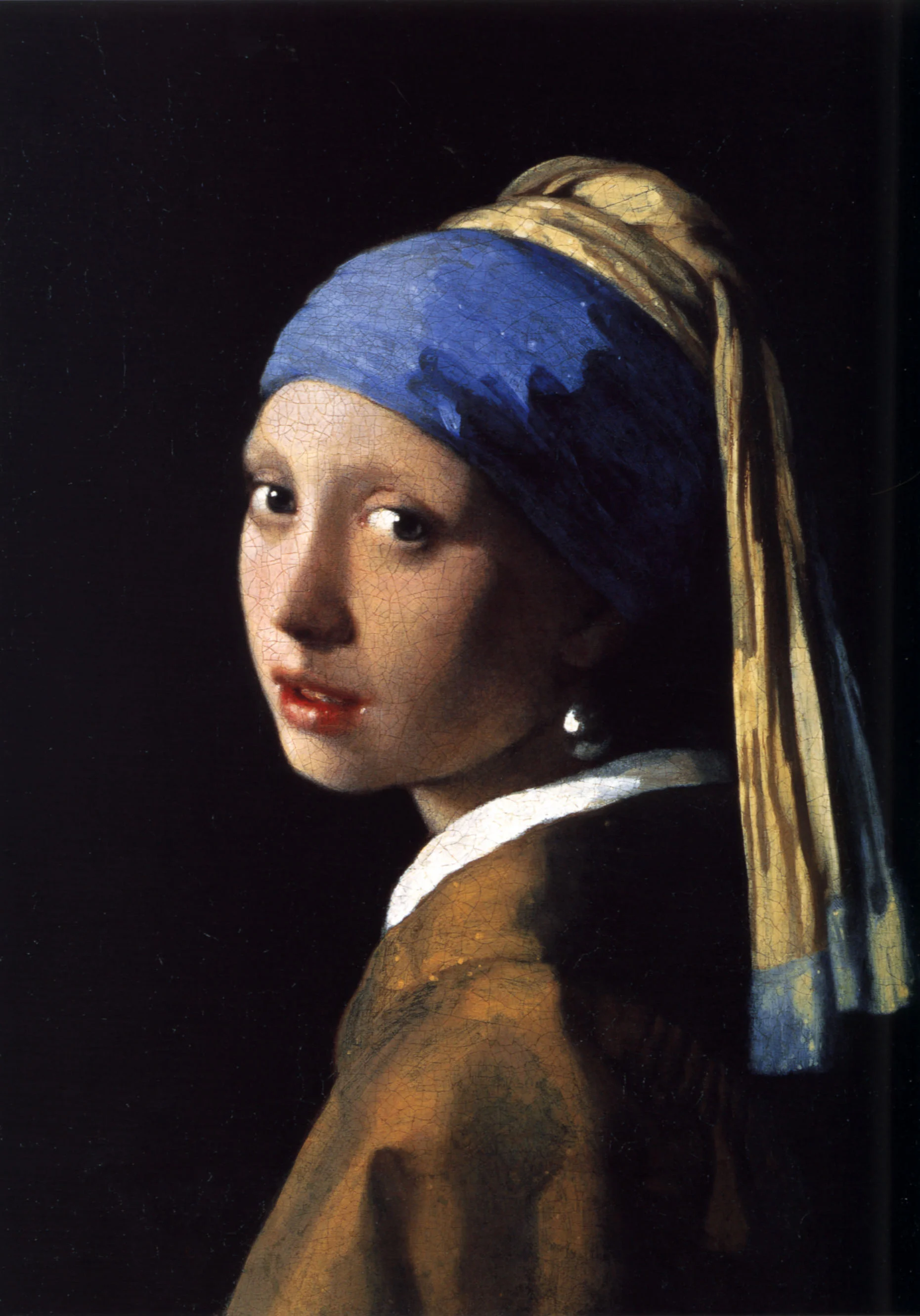
A guide who specializes in Vermeer combines the indoor exhibition with a walking tour of Delft that traces the painter's footsteps through the city. The tour visits the Markt where his father ran an inn, the Oude Kerk where he is buried, the Hooikade canal viewpoint that matches View of Delft, and the Vlamingstraat house identified as the setting for The Little Street. Specialist art history guides explain Vermeer's technical innovations — the camera obscura hypothesis, the pointille technique, and his use of extremely expensive lapis lazuli pigment — while connecting each painting to the specific Delft light and interiors that inspired it. For the complete Vermeer experience, combine the Centrum with a day trip to the Mauritshuis in The Hague to see Girl with a Pearl Earring, View of Delft, and Diana and Her Nymphs in the original, or visit Royal Delft to understand the broader artistic culture of 17th-century Delft.
Vermeer Centrum timeline
-
Baptised in Delft
Johannes Vermeer is baptised in the Nieuwe Kerk on the Markt on 31 October 1632, the son of a Delft innkeeper and art dealer.
-
Marries and joins the guild
Vermeer marries Catharina Bolnes and, that December, enrols as a master painter in Delft's Guild of Saint Luke.
-
Paints The Little Street
Het Straatje records a modest Delft house whose brickwork has since been matched by archival research to a site on the Vlamingstraat.
-
Paints View of Delft
His only known cityscape captures the town from across the harbour — a panorama still recognisable from the Hooikade canal today.
-
Elected head of the guild
Fellow painters elect Vermeer headman (hoofdman) of the Guild of Saint Luke, a leadership post he holds across several terms.
-
Dies in debt
Vermeer dies at 43 and is buried in the Oude Kerk, leaving his widow and eleven surviving children with heavy debts and unsold canvases.
-
Rediscovered by Thoré-Bürger
French critic Théophile Thoré-Bürger publishes the first catalogue of Vermeer's work, reviving a reputation that had faded for nearly two centuries.
-
Vermeer Centrum opens
The Vermeer Centrum Delft opens on the Voldersgracht, on the site tied to the painters' guild, gathering reproductions of every known Vermeer under one roof.
Vermeer Centrum in Pictures
When to Visit
Open: Daily 10:00-17:00. Best: Weekday mornings for a quiet, contemplative visit; combine with an afternoon walk to Vermeer locations around the city. Allow: 1-1.5 hours for the exhibition; add 1-2 hours for a Vermeer walking tour of Delft.
Admission and Costs
General admission: €10 adults; €5 children 12-17; free under 12. Guided Vermeer walking tours: €15-25 per person (bookable separately through the center or independent guides). Audio guide: Available with admission for deeper commentary on individual paintings.
Tips for Visitors
Visit before The Hague: See the Vermeer Centrum in Delft first, then travel 15 minutes to the Mauritshuis to see Girl with a Pearl Earring in person — the context from Delft enriches the original painting immeasurably. Walking tour combination: Book a Vermeer-themed walking tour to visit the sites where he lived, worked, worshipped, and painted. Standing at the Hooikade canal view that matches View of Delft is a remarkable moment. Reproductions, not originals: Manage expectations — these are high-quality reproductions, not original paintings. The value lies in seeing all 36 works together and understanding their Delft context. Photography: Photos are permitted throughout — useful for comparing reproductions to their actual Delft locations during a walking tour afterward. Combine with Nieuwe Kerk: The Vermeer Centrum is steps from the Markt — combine with the Nieuwe Kerk tower climb and lunch in the square for a half-day of Delft heritage.
Frequently Asked Questions
When is the best time to visit Vermeer Centrum?
Open: Daily 10:00-17:00. Best: Weekday mornings for a quiet, contemplative visit; combine with an afternoon walk to Vermeer locations around the city. Allow: 1-1.5 hours for the exhibition; add 1-2 hours for a Vermeer walking tour of Delft
What does admission to Vermeer Centrum cost?
General admission: €10 adults; €5 children 12-17; free under 12. Guided Vermeer walking tours: €15-25 per person (bookable separately through the center or independent guides).
How does visiting Vermeer Centrum in Delft enhance a trip to the Mauritshuis in The Hague?
Visit before The Hague: See the Vermeer Centrum in Delft first, then travel 15 minutes to the Mauritshuis to see Girl with a Pearl Earring in person — the context from Delft enriches the original painting immeasurably.
Are the paintings at the Vermeer Centrum originals?
No — the center displays high-quality reproductions of all 36 known Vermeers, because not a single original remains in Delft. The value lies in seeing every painting together and learning its Delft context; to view originals, continue to the Mauritshuis in The Hague or the Rijksmuseum in Amsterdam.
How do I get to the Vermeer Centrum in Delft?
By train: Delft station is a 10-minute walk from the old center, with frequent direct trains from Rotterdam and The Hague (about 12 minutes each) and Amsterdam (roughly 1 hour). On foot: the center sits on the Voldersgracht, steps behind the Markt and the Nieuwe Kerk, easy to pair with the Oude Kerk and Royal Delft.