
Tips for Visitors
Glass mosaic photography: The Tree of Life mosaic photographs best in the 9–11 AM window when the sun is at the right angle — arrive early and position directly facing the rear wall from approximately 10 metres. Evening atmosphere: Returning at 5 PM for the closing hour gives access to the Mekong-side terrace at golden hour with few visitors. Dress code strictly enforced: Wat Xieng Thong's monks are active and present — shoulder and knee coverage is non-negotiable. Combine with: The Royal Palace Museum and Mount Phousi are within 800 metres — the three sites make a complete half-day of Luang Prabang's finest heritage, best paired with a separate full-day excursion to Kuang Si Waterfall. River access: After the temple, descend to the Mekong riverside landing stage below Wat Xieng Thong for longboat views back to the temple's river facade.
When to Visit
Open: Daily 8 AM – 5 PM. Morning chanting: Approximately 6 AM (before public opening, observable from outside the gate). Evening chanting: Approximately 6 PM. Best light for mosaics: Mid-morning (9–11 AM) when angled sunlight illuminates the glass tiles from the east.
Admission and Costs
Entry fee: 20,000 LAK (approximately $1). Guided tour supplement: Negotiate with licensed guides at the gate or book through guesthouses.
The Case for a Guide
Wat Xieng Thong's mosaics and rooflines make immediate visual sense — their meaning and technical craft require explanation.
- Tree of Life mosaic iconography: The specific tree depicted is a sala (frangipani), not a generic decorative motif — it represents the Bodhi tree under which the Buddha attained enlightenment, and the choice of red glass against black background carries specific symbolic meaning in Lao Buddhist cosmology that a guide decodes
- Jataka mosaic narrative: The interior chapel mosaics narrate specific Jataka tales in sequential panels — a guide follows the narrative sequence and identifies the characters, dramatically transforming abstract glass patterns into compelling stories
- Royal barge context: The gilded funeral barge in the Ho Tai chapel was used in royal cremation ceremonies; a guide explains the specific ritual of transporting royal remains on the Mekong and the connection between Luang Prabang's water geography and its funerary customs
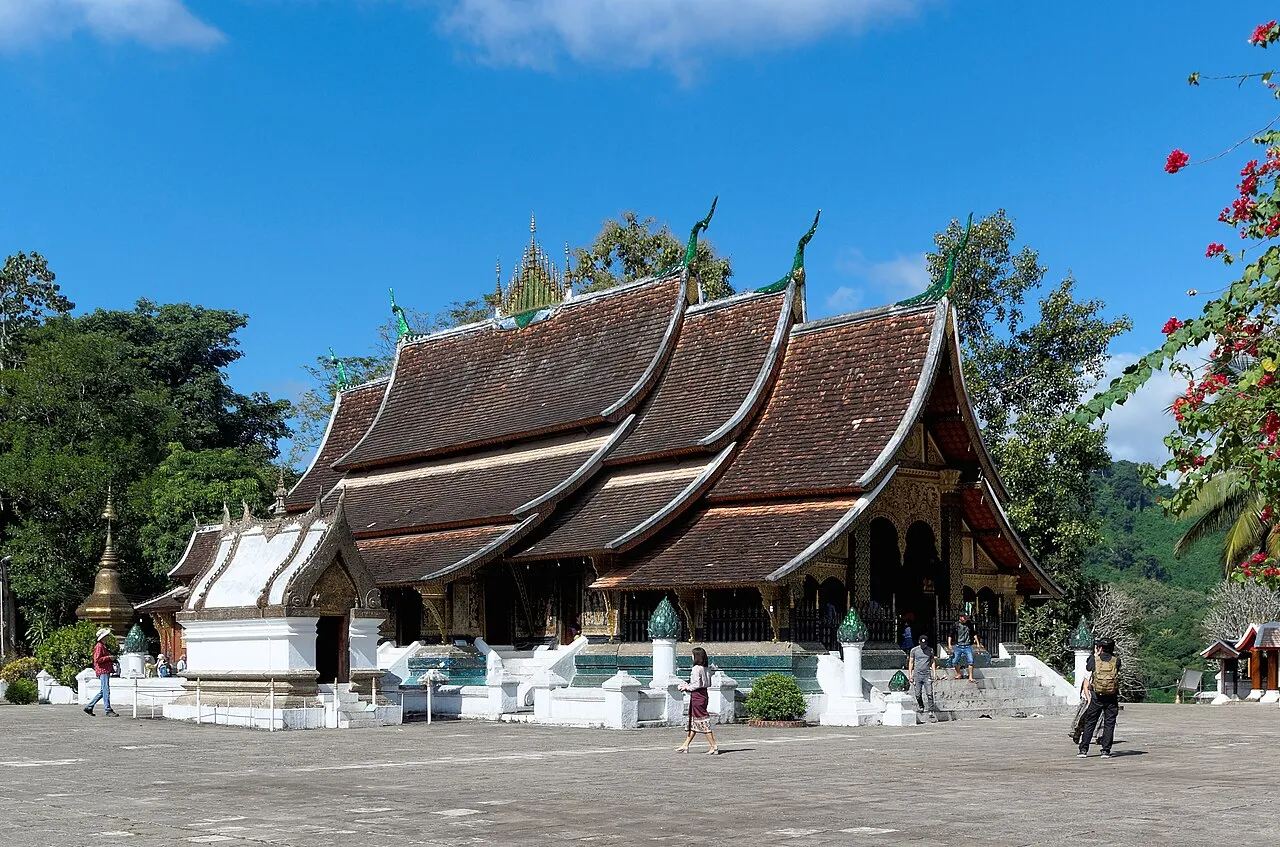
- Temple architectural grammar: The tiered roof form, the naga finials, the directional orientation of the sim entrance, and the placement of subsidiary shrines all follow a deliberate architectural code that a guide can explain in terms of Buddhist cosmology and Lao royal symbolism
Frequently Asked Questions
When was Wat Xieng Thong built and why is it significant?
Wat Xieng Thong (Temple of the Golden City) was founded in 1560 CE by King Setthathirath of the Lan Xang Kingdom — one of the last great royal temples constructed before the kingdom's decline. It served as the royal coronation chapel and funerary temple for Luang Prabang's kings until the monarchy's abolition in 1975. Unlike most Lao temples destroyed in wars or revolution, Wat Xieng Thong survived intact and is the finest example of pre-colonial Luang Prabang temple architecture in existence.
What are the glass mosaics at Wat Xieng Thong?
The rear wall of the sim (ordination hall) features the famous Tree of Life mosaic — a full-wall depiction of a flowing red and green tree set against a black background, composed of thousands of individually placed coloured glass tiles. The red funeral chapel (Ho Tai) opposite contains equally elaborate mosaics depicting scenes from Lao mythology and daily rural life. These glass tile mosaics (lai kham) are considered among the finest examples of traditional Lao decorative art in existence.
Is Wat Xieng Thong still an active temple?
Yes — Wat Xieng Thong remains an actively functioning Buddhist monastery with resident monks. Morning chanting (suad mon) begins at approximately 6 AM and evening prayers at around 6 PM. Visitors are welcome to observe these services respectfully from the outer areas of the sim without entering during active worship. The monks' living quarters (kutis) are off-limits, and temple etiquette — shoes off, shoulders covered, quiet voices — is strictly expected.