
Country guide
What makes Laos a must-visit destination?
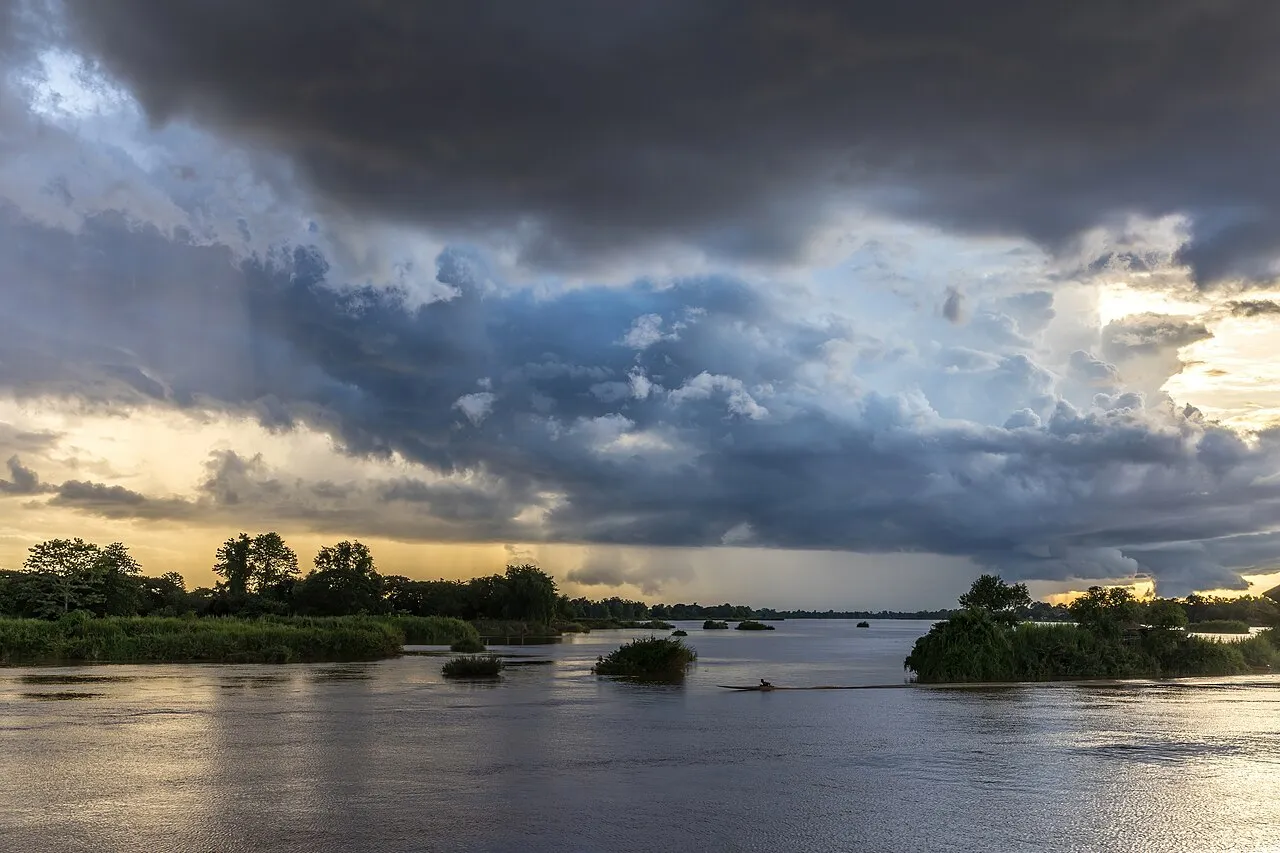
Laos wears its unhurried nature like a mark of distinction. While neighboring Thailand and Vietnam pursued mass tourism, Laos remained the Mekong's quietest country — a place where monks still collect alms at dawn in silence, river ferries thread between limestone karsts, and entire villages gather for Buddhist festivals that have changed little in centuries. Luang Prabang, a UNESCO World Heritage town at the confluence of the Mekong and Nam Khan rivers, distills this quality perfectly.
A local guide doesn't just translate menus or call tuk-tuks. In Laos, they carry village relationships that determine whether you witness a genuine temple ceremony or watch from a respectful distance. They know which waterfall trail floods in April and which dry-season route connects ancient monasteries the tourist maps omit entirely.
- Language
- Lao Widely spoken across Laos
- Currency
- Kip (₭) Legal tender across Laos
- Time zone
- UTC+7 Local time in Laos
- Power plugs
- Types A, B, C, E, F · 230V Sockets used across Laos
- Getting around
- Buses & the Laos–China Railway Getting between Laos's cities
- Best months
- Jan, Feb, Mar, Oct, Nov, Dec Averaged across Laos's city ratings
Laos timeline
-
Lan Xang founded
The kingdom of a million elephants shaped Lao political and Buddhist heritage.
-
Vientiane becomes capital
The royal capital move strengthened the Mekong city's Buddhist and political role.
-
French protectorate begins
Colonial rule left administrative and architectural layers in towns such as Vientiane and Luang Prabang.
-
Independence restored
Laos regained independence, beginning the modern national chapter.
-
Lao republic proclaimed
The monarchy ended and the modern political system began.
-
Luang Prabang listed
UNESCO status protected the royal and monastic town that anchors many cultural trips.
Laos in Pictures
Local context
Culture and travel signals
4.2 million international visitors in 2019
Laos punches above its weight as a tourism destination given its landlocked geography and limited infrastructure; UNESCO recognition of Luang Prabang as a World Heritage Town in 1995 dramatically accelerated international interest in the country's cultural patrimony
60% of Laos is covered by forest
One of the most forested countries in Southeast Asia, Laos harbors rare wildlife including Irrawaddy dolphins in the Mekong, Asiatic black bears, and the saola — one of the world's rarest large mammals — in its protected national biodiversity conservation areas
Over 1,300 Buddhist temples (wats) nationwide
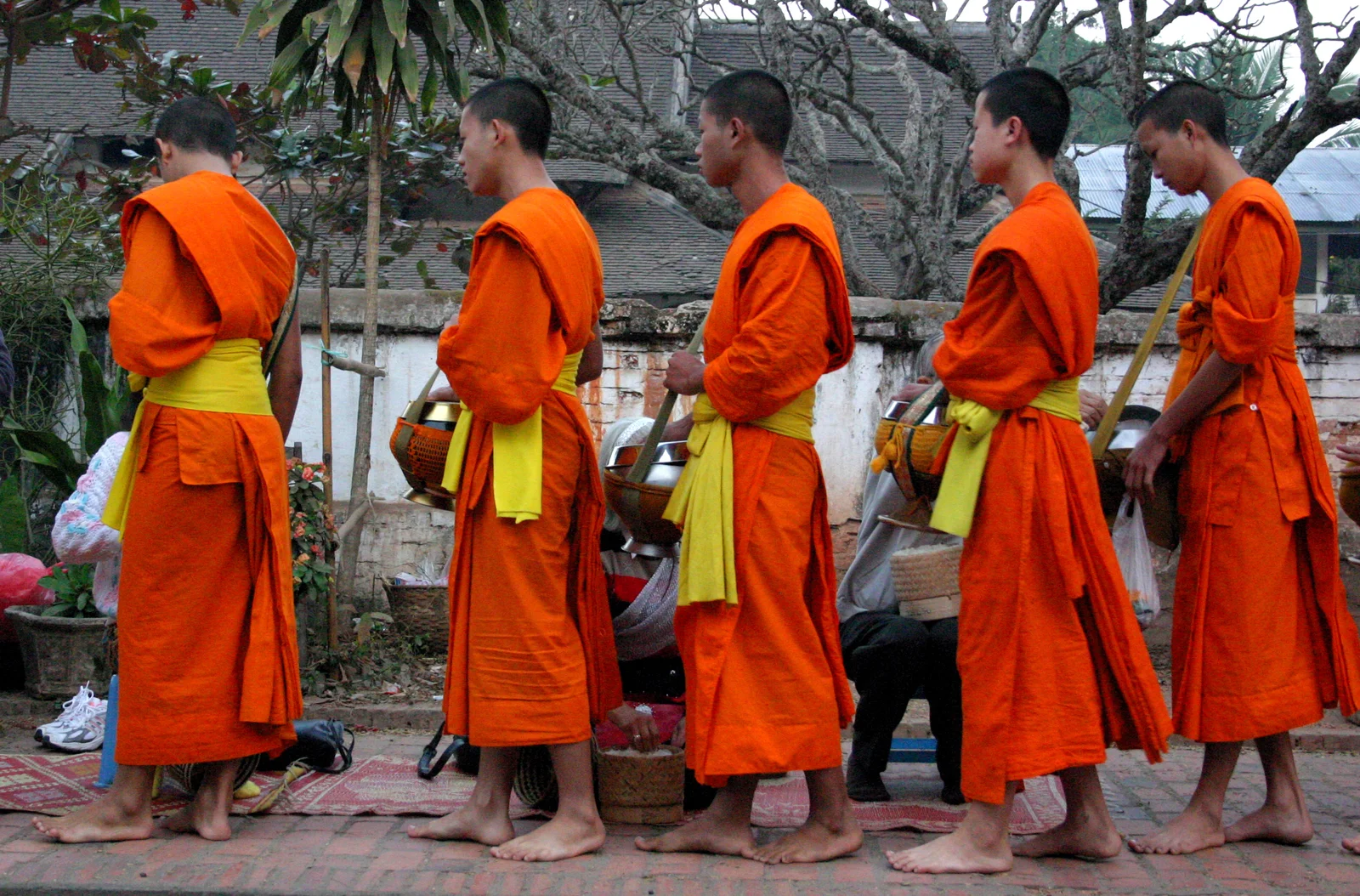
With approximately 65% of the population practicing Theravada Buddhism, Laos has more temples per capita than any country in the region; the morning alms-giving ceremony tak bat in Luang Prabang draws monks from over 30 monasteries simultaneously at sunrise
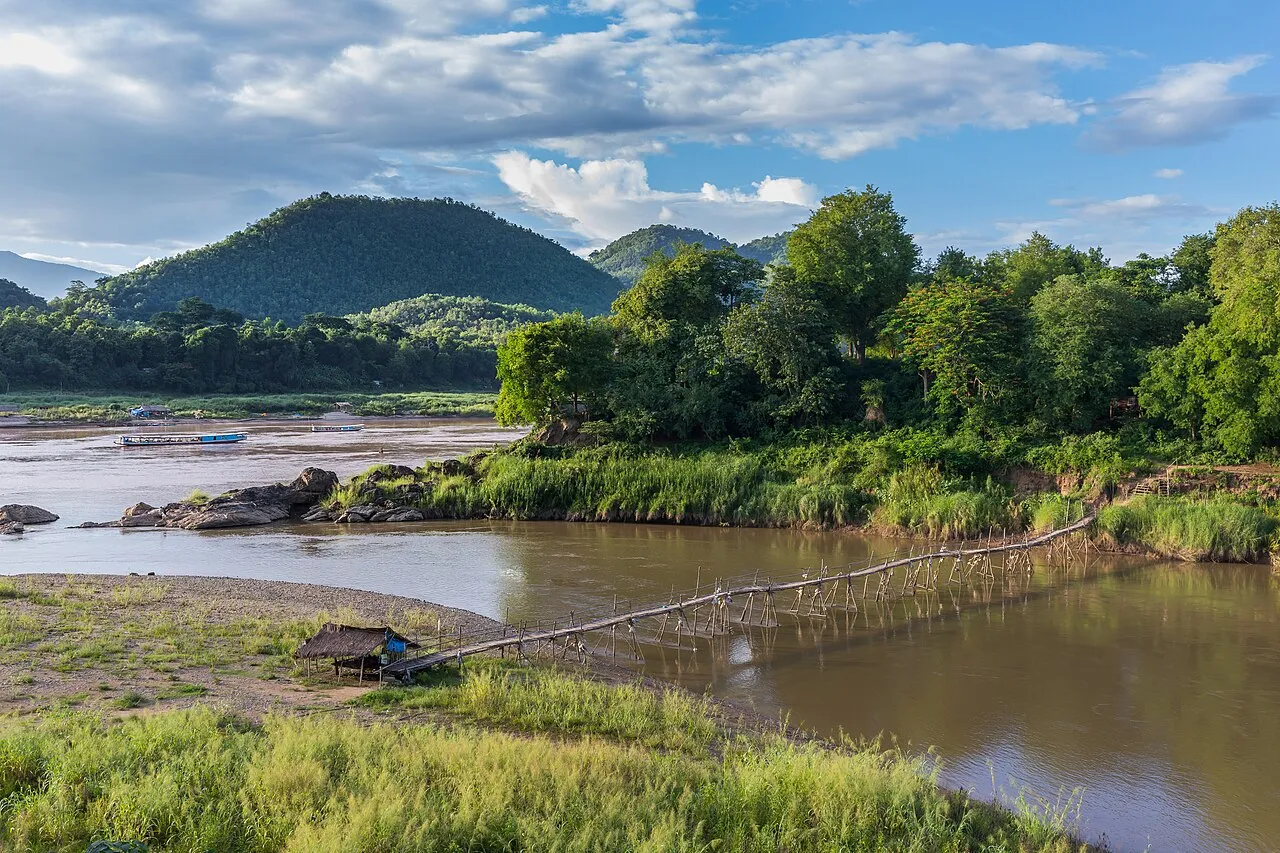
The Mekong flows 1,898 km through Laos
Laos has the longest stretch of the Mekong of any country it passes through, and the river serves as a highway, food source, spiritual boundary, and defining landscape feature — a guide who grew up on its banks reveals dimensions of river life invisible to passing visitors
Source: tour-guide.com — Free to cite with attribution
Season planner
A year in Laos
Use this best time to visit snapshot as a country-wide average, then check the city guides for local timing.
Mar-May
Spring
Spring stays workable in Laos at Mar-May (3.3/5), so lean on city-by-city timing.
Jun-Aug
Summer
Summer stays workable in Laos at Jun-Aug (3/5), so lean on city-by-city timing.
Sep-Nov
Autumn
Autumn holds up well for guided travel in Laos, averaging Sep-Nov (4/5).
Dec-Feb
Winter
Winter is Laos's strongest guide window — Dec-Feb (5/5) across its cities.
Where should you go in Laos?
The Royal Capital
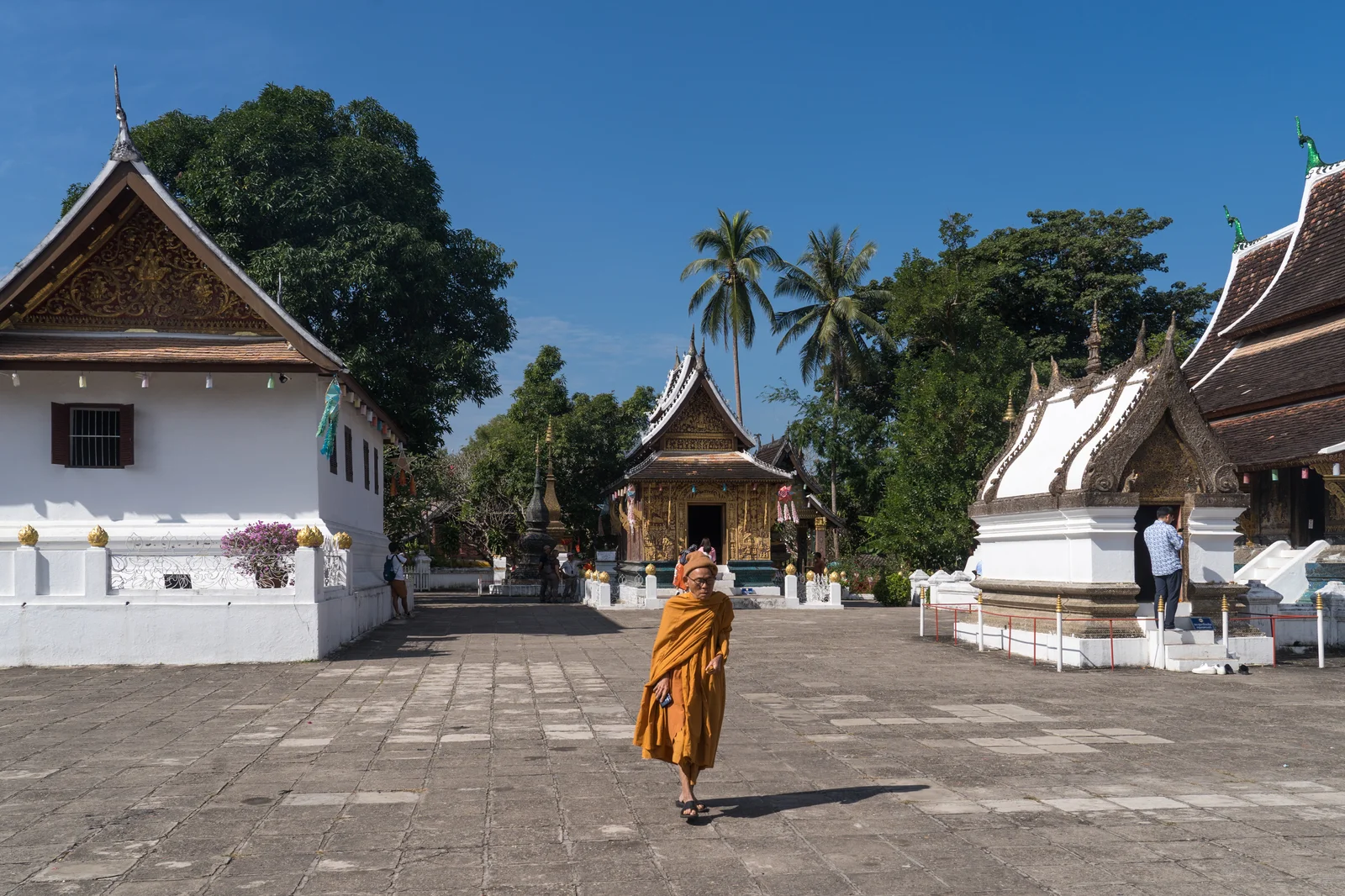
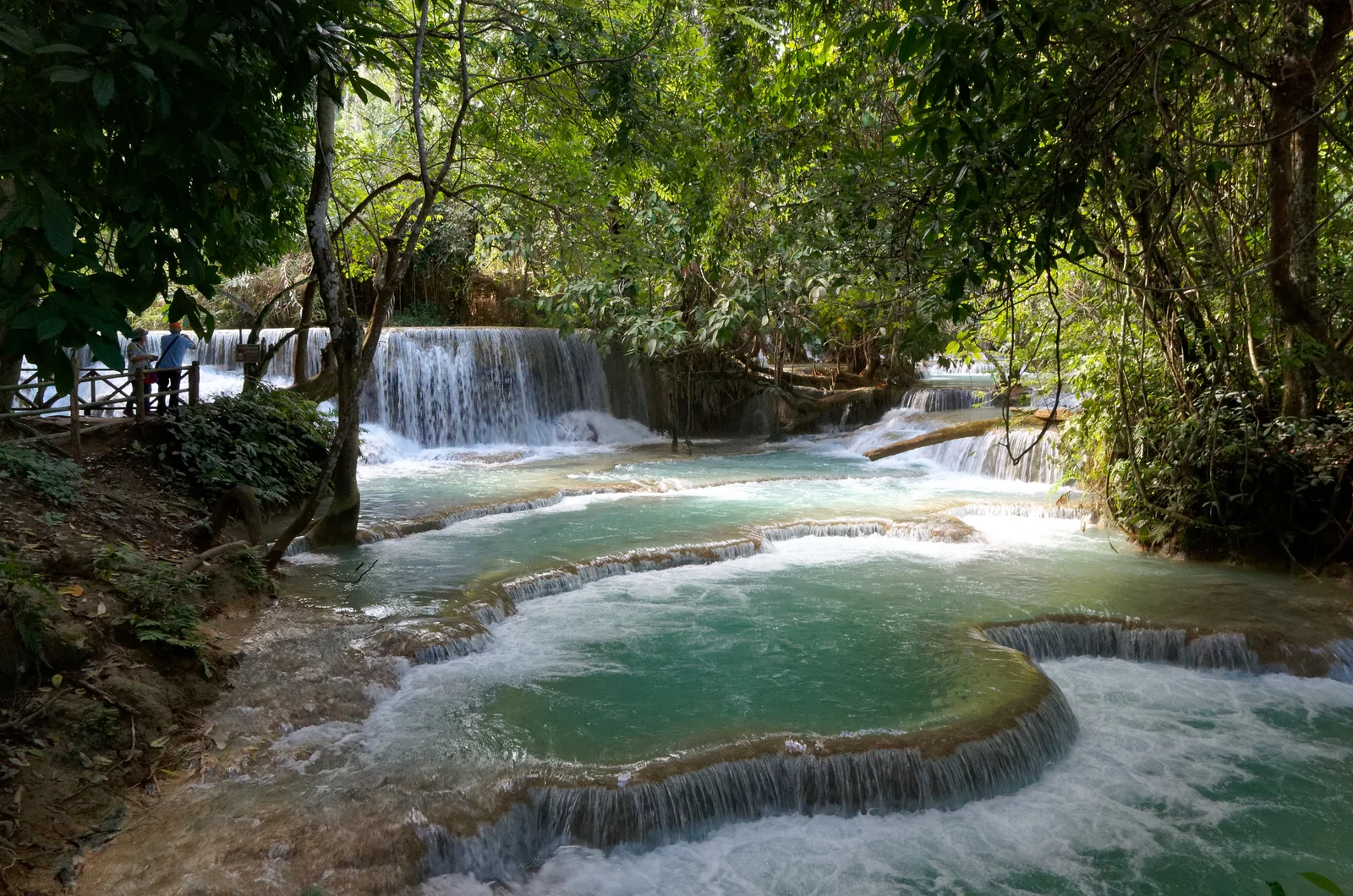
Luang Prabang sits where the Nam Khan river meets the Mekong, surrounded by forested mountains and punctuated by over 30 Buddhist wats. The pre-dawn alms ceremony on Sakkaline Road sees hundreds of monks in saffron robes moving silently through morning mist while residents kneel offering sticky rice. Mount Phousi commands the best sunset panorama in the region, and Kuang Si Waterfall draws visitors 30 km into the jungle to swim in aquamarine pools.
Vientiane
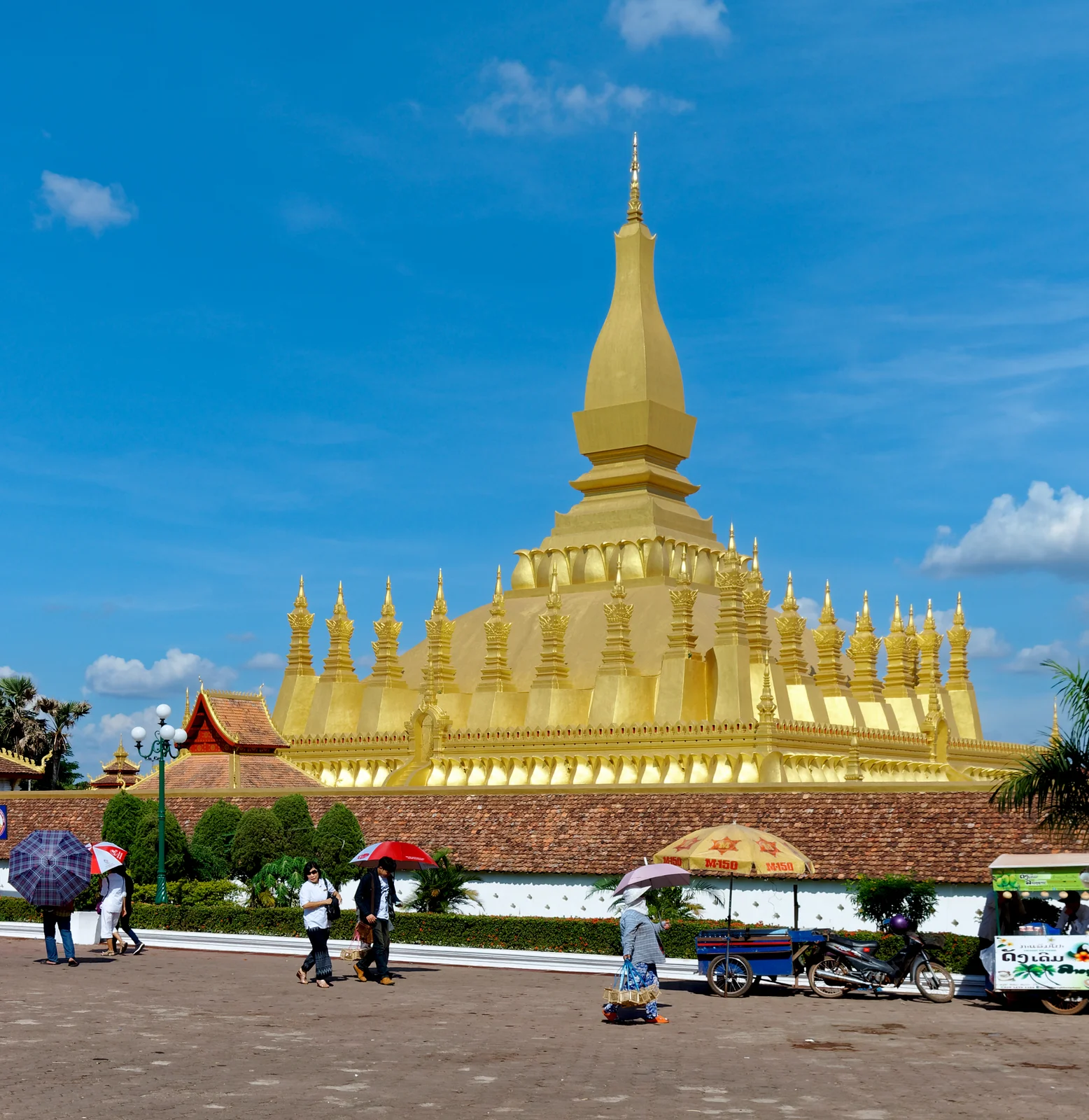
The national capital is Southeast Asia's most laid-back capital city — a one-afternoon town that surprises visitors with the grandeur of Pha That Luang, the golden national stupa, and the riverside promenade that comes alive each evening with families and vendors.
The Bolaven Plateau
In the south, the cooler Bolaven Plateau sustains coffee plantations that produce some of Southeast Asia's finest Arabica beans. Specialist guides lead cycling and tasting tours through mist-covered plantation communities.
Must-see attractions across Laos
The shortlist below gathers Laos's most-visited sights into one place, each linked to its home city and ready for a guided deep-dive.
What do visitors need to know about Laos?
Finding a Guide
- Luang Prabang-based agencies — dozens of licensed operators cluster near the night market; look for TAT-equivalent certifications from the Lao National Tourism Administration
- Green Discovery Laos and All Lao Service — respected operators offering eco-trekking and village homestay experiences with specialist naturalist guides
- GetYourGuide and Viator — useful for day-tour bookings with English-language reviews
- Guesthouse staff — in Luang Prabang especially, guesthouse owners maintain trusted guide networks and can arrange custom day trips
Typical Costs
| Tour Type | Price Range |
|---|---|
| Group temple walk (half-day) | $5–15 per person |
| Kuang Si Waterfall day trip | $20–35 per person |
| Private full-day cultural guide | $40–75 |
| Multi-day trekking with village stay | $75–150 per day |
| Mekong river cruise with guide | $50–100 per person |
Must-See Experiences
- Tak bat alms ceremony — the pre-dawn monk procession requires respectful distance; a guide ensures you observe without intruding
- Kuang Si Waterfall — turquoise terraced pools in dense jungle
- Wat Xieng Thong — 16th-century royal temple with intricate glass mosaic art
- Mount Phousi sunset — 328 steps to panoramic Mekong views
- Village cycling — pedal through riverside Ban Xieng Men to local pottery and weaving workshops
Tips for Visitors
- Alms ceremony etiquette — maintain silence, do not touch monks, and avoid flash photography; observe from a respectful distance
- Dress code — cover shoulders and knees at all temples; modest dress is also expected in villages
- Currency — Lao kip is used locally; USD and Thai baht are accepted in tourist areas; carry small denominations
- Tipping — not a strong local tradition but appreciated; 10,000–20,000 kip for a good experience
- Connectivity — Wi-Fi is available in Luang Prabang's guesthouses and cafés; mobile data is inexpensive on local SIM cards
- Health — drink only bottled or purified water; malaria prophylaxis is recommended for rural trekking areas
Frequently Asked Questions
What is the best time of year to visit Laos?
November through February is the sweet spot for Laos — the cool dry season brings comfortable temperatures between 20 and 30°C, low humidity, and the lush green jungle still vibrant from the preceding rains. This is also when major festivals cluster: Boun That Luang in November and the boat racing festival draw communities together along the Mekong. March and April heat up dramatically before the rains return; April's Lao New Year water festival Pi Mai is chaotic fun but expect soaring temperatures. Avoid the June through October monsoon if hiking, as mountain trails become treacherous and some waterfalls close for safety, though river travel remains possible.
How much does a local tour guide cost in Laos?
Laos offers Southeast Asia's best value for guided travel. Group half-day cultural walks through Luang Prabang's temple district cost 100,000–200,000 LAK ($5–10) per person, while a full-day private guide for cycling through village communities or trekking to remote monasteries runs 400,000–700,000 LAK ($20–35). Multi-day river and jungle expeditions with specialist nature guides cost 1,500,000–3,000,000 LAK ($75–150) per day, inclusive of all arrangements.
Is Laos safe and accessible for independent travelers?
Laos is widely considered one of Southeast Asia's safest destinations, with low crime rates and famously hospitable communities. The language barrier is significant — Lao script is unlike Thai or Khmer and English is limited outside tourist areas — and transport connections between towns rely on slow roads or the new Chinese-built railway. A guide with vehicle access unlocks villages and temple complexes that no bus route serves, and their community relationships mean you receive hospitality, not just tourism. Luang Prabang is the most accessible base, with guided excursions to Kuang Si Waterfall and Wat Xieng Thong Temple covering the highlights.