
Tips for Visitors
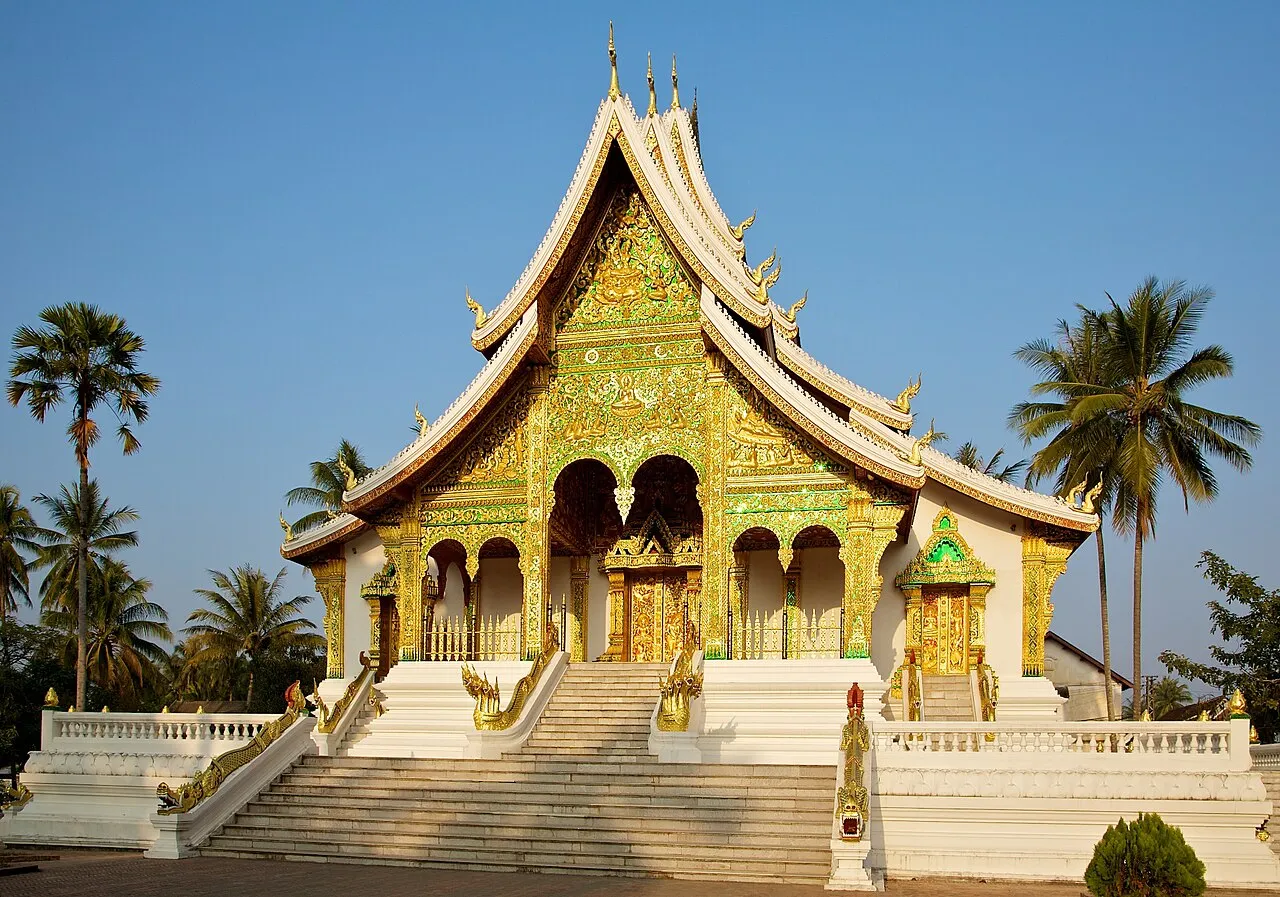
Morning only: The museum's limited opening hours make morning visits essential — aim for the 8 AM opening before tour groups arrive. Combine with: The dawn alms ceremony on nearby Sakkaline Road (5:30–6 AM) followed directly by the palace opening makes a natural early morning sequence. Photography restriction: Plan to sketch or use memory — the interior photography ban is strictly enforced. Pha Bang Pavilion: The sacred image is the primary focus for Lao Buddhist visitors — observe quietly and allow space for genuine worshippers. Mount Phousi is adjacent: The hill's 328-step climb begins 200 metres from the palace gate — combine for a morning of museum and panoramic views.
When to Visit
Open: Monday–Sunday 8 AM – 11:30 AM and 1:30 PM – 4 PM. Closed: Tuesdays and national holidays. Photography: Strictly prohibited inside palace buildings; permitted in gardens and exterior. Dress code: Strictly enforced at the gate.
Admission and Costs
Entry fee: 30,000 LAK (approximately $1.50). Sarong/shoulder cover rental: 5,000–10,000 LAK at the gate. Guided audio tour: Available in English.
The Case for a Guide
The Royal Palace Museum's rooms are largely unlabelled in English, and the weight of its political history is invisible without context.
- The 1975 revolution: The guide explains the Pathet Lao communist movement, the abolition of the 700-year-old monarchy, and the deliberately vague official account of the royal family's fate — a history the museum does not directly address but which shapes every room
- Pha Bang's history: The sacred Buddha image's journey from Ceylon or the Khmer court to Luang Prabang, its multiple removals to Thailand as war spoil and subsequent returns, and its specific religious significance as a national palladium requires expert explanation
- Diplomatic gift collection: The foreign gifts in the reception hall are a microcosm of Cold War-era Southeast Asian diplomacy — a guide identifies the senders, explains the historical context of each gift, and illuminates the specific relationships between Laos and the competing powers of the 1960s and 70s
- French-Lao architecture: The fusion of Buddhist temple roof styling with European colonial construction is legible to a guide who can point out specific design compromises and the deliberate political messaging embedded in the building's form
Frequently Asked Questions
What happened to the Lao royal family?
The Lao royal family — King Sisavang Vatthana, Queen Khamphoui, and Crown Prince Vong Savang — were placed under house arrest after the Pathet Lao revolutionary movement abolished the monarchy in December 1975. They were subsequently sent to a re-education camp in northeastern Laos (Vieng Xai), where they died in captivity in the late 1970s or early 1980s — the exact circumstances remain officially unacknowledged. The palace was converted to a national museum in 1977 and is now one of Laos's most visited cultural sites.
What is the Pha Bang Buddha and why is it significant?
The Pha Bang is a 83-cm golden standing Buddha — the most sacred Buddha image in Laos, believed to have been cast in Sri Lanka or the Khmer Empire between the 1st and 9th centuries CE. It was presented to the Lan Xang Kingdom as a gift from the Khmer court in the 14th century and became the palladium (protective deity) of the Lao nation. The city of Luang Prabang takes its name from this image: Prabang is another name for the sacred statue. The Pha Bang is now housed in a dedicated pavilion in the museum grounds.
What dress code is required at the Royal Palace Museum?
Strict dress code is enforced: covered shoulders (no sleeveless tops), covered knees (no shorts or miniskirts), and no sandals — only closed-toe shoes or sandals with a back strap. Sarongs and shoulder covers are available to rent at the gate. Photography is prohibited inside the main palace buildings.