
Walking Route
Walking Routes
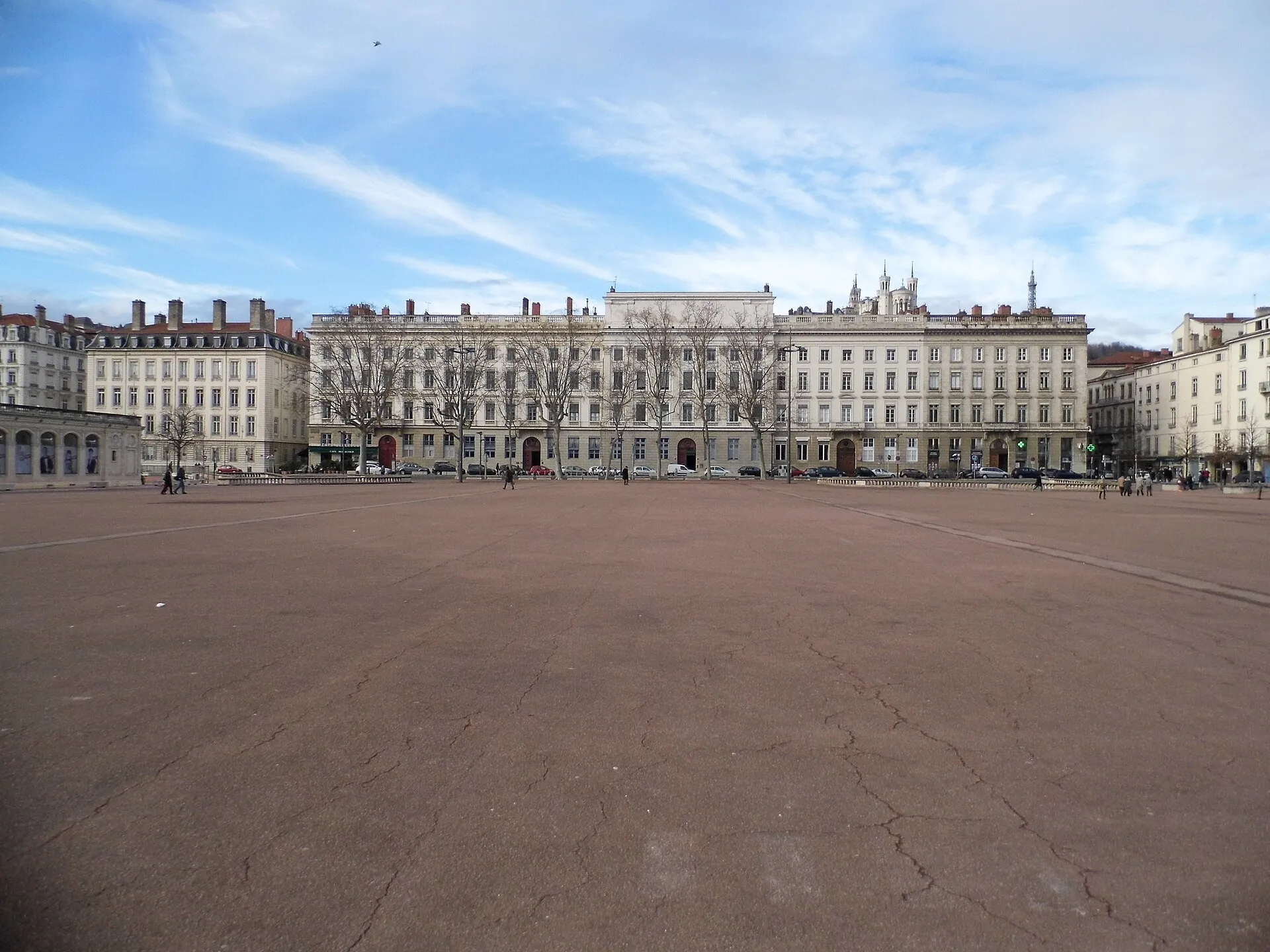
A north-to-south walk strings the highlights together in about two kilometres. Begin at Place Bellecour, a 62,000 m² square - among the largest open pedestrian squares in Europe - centred on François-Frédéric Lemot's 1825 equestrian statue of Louis XIV, with a smaller monument to Antoine de Saint-Exupéry, the Lyon-born author of The Little Prince, near its western corner. Head north up Rue de la République, the city's main pedestrian shopping street, to Place des Terreaux, where Frédéric-Auguste Bartholdi's 1892 fountain - by the sculptor of the Statue of Liberty, depicting France driving a chariot of four rearing horses - faces the 17th-century Hôtel de Ville and the Musée des Beaux-Arts, set in a former Benedictine convent. Detour to the glass-domed Opéra, rebuilt behind its neoclassical façade by architect Jean Nouvel in 1993, then wander the covered Passage de l'Argue and the fountain-lined Place des Jacobins before finishing on the Saône quays opposite Vieux Lyon.
Local Life
Away from the monuments, the Presqu'île is where the Lyonnais eat, shop and gather. The narrow Rue Mercière and the streets around Les Cordeliers concentrate the city's traditional bouchons, serving quenelles, andouillette and salade lyonnaise beneath checked tablecloths. Weekend mornings bring the food market along the Saône at Quai Saint-Antoine; for the city's grand indoor larder, the covered Les Halles de Lyon Paul Bocuse sits a short ride east across the Rhône. Rue de la République carries the everyday flow of shoppers. Evenings revolve around the café terraces of Place des Terreaux and the Célestins theatre district. Every December the neighbourhood becomes the stage of the Fête des Lumières, and late May brings the Nuits Sonores electronic-music festival. When the crowds thin, a short walk or Vélo'v ride north across the Rhône reaches Parc de la Tête d'Or, the city's great green retreat, while the funiculars from the far bank climb to the Basilica of Notre-Dame de Fourvière and the adjacent Roman Theatres of Fourvière for the best view back over the peninsula.
When to Visit
Mornings are quietest, ideal for photographing the empty sweep of Place Bellecour and browsing the Saint-Antoine market before the shopping streets fill. Reserve midday for a bouchon lunch around Rue Mercière, when the kitchens are at their liveliest. Saturday is the busiest shopping day; many independent shops close on Sunday, though the quays and squares stay lively. Late-afternoon light suits the café terraces on Place des Terreaux, and the Musée des Beaux-Arts stays open until 6 PM (closed Tuesdays). Time a visit to early December if you can, when the Fête des Lumières transforms the district after dark - but book a room months ahead.
Admission and Costs
Wandering the squares, quays and streets is free. Admission to the Musée des Beaux-Arts runs about €8 ($9) for the permanent collections. A shared guided walk of the Presqu'île is typically €15-25 ($16-27) per person for around two hours, while a private licensed guide costs roughly €130-200 ($140-215) for a half-day covering two or three people. A traditional three-course bouchon lunch adds about €25-40 ($27-43) per person, and public transport (metro lines A and D meet at Bellecour) is €2 ($2.20) per single ticket.
The Case for a Guide
The Presqu'île rewards context that is easy to miss on your own. A licensed local guide can explain how the peninsula was drained and reshaped by 19th-century engineers, point out the silk-merchant heritage behind the covered passages, and decode the symbolism of the Bartholdi fountain and the Republican monuments around Place des Terreaux. Guides also know which bouchons are certified by the Les Bouchons Lyonnais association rather than aimed at tourists, and can weave the squares of the peninsula together with Vieux Lyon and the Fourvière hill into one coherent story of the city's UNESCO-listed core.
Tips for Visitors
Wear comfortable shoes: the natural way to see the Presqu'île is on foot, and Place Bellecour's gravel and the cobbled quays are hard going in heels. The metro is quickest for longer hops - Bellecour is the interchange of lines A and D - but most sights sit within a 20-minute walk. Pick up a self-service Vélo'v bike to cross the bridges to Vieux Lyon or Parc de la Tête d'Or. Reserve bouchon tables for dinner, especially at weekends, and note that many close on Sunday and Monday. During the December Fête des Lumières the central squares are extremely crowded after dark, so agree routes and meeting points in advance.
Frequently Asked Questions
When is the best season to stroll through Lyon's Presqu'ile?
May through September brings the warmest weather and longest daylight for wandering the grand squares and riverside quays between the Rhône and Saône. Two seasonal peaks are worth planning around: the Nuits Sonores electronic-music festival in late May and the four-night Fête des Lumières around 8 December, when light installations turn the whole peninsula into an open-air gallery that draws millions. Winter days are short and chilly, but that is when the bouchon restaurants feel coziest and the shopping streets are quietest.
What are the must-see highlights on the Presqu'île?
The two landmark squares anchor any visit. Place Bellecour is one of the largest pedestrian squares in Europe, centred on an 1825 equestrian statue of Louis XIV, while Place des Terreaux frames Bartholdi's monumental 1892 fountain in front of the Musée des Beaux-Arts, often called the largest fine-arts museum in France after the Louvre. Between them run the pedestrian Rue de la République, the glass-domed Opéra rebuilt by architect Jean Nouvel, and covered passages such as the Passage de l'Argue that recall Lyon's silk-trading past.
How much should visitors budget for the Presqu'île?
Walking the squares, quays and streets costs nothing. The Musée des Beaux-Arts charges about €8 ($9) for its permanent collections. A shared two-hour guided walk runs roughly €15-25 ($16-27) per person, and a private licensed guide costs about €130-200 ($140-215) for a half-day with two or three people. Budget another €25-40 ($27-43) for a traditional three-course bouchon lunch, plus €2 ($2.20) for a single metro ticket.
What does a local guide reveal about the Presqu'île you would miss alone?
Guides bring out the small, specific stories the plaques leave out - why a statue of Antoine de Saint-Exupéry and his Little Prince sits in a corner of Place Bellecour, how the silk-workers' revolts of the 1830s spilled down from the Croix-Rousse into these streets, and which unmarked courtyards and stairwells are worth ducking into. They also handle the practical choreography, timing your visit around market mornings and museum closing days, steering you past the chain shops on Rue de la République toward independent workshops, and pointing you to the quieter quays for photographs before the terraces fill.