
Activities
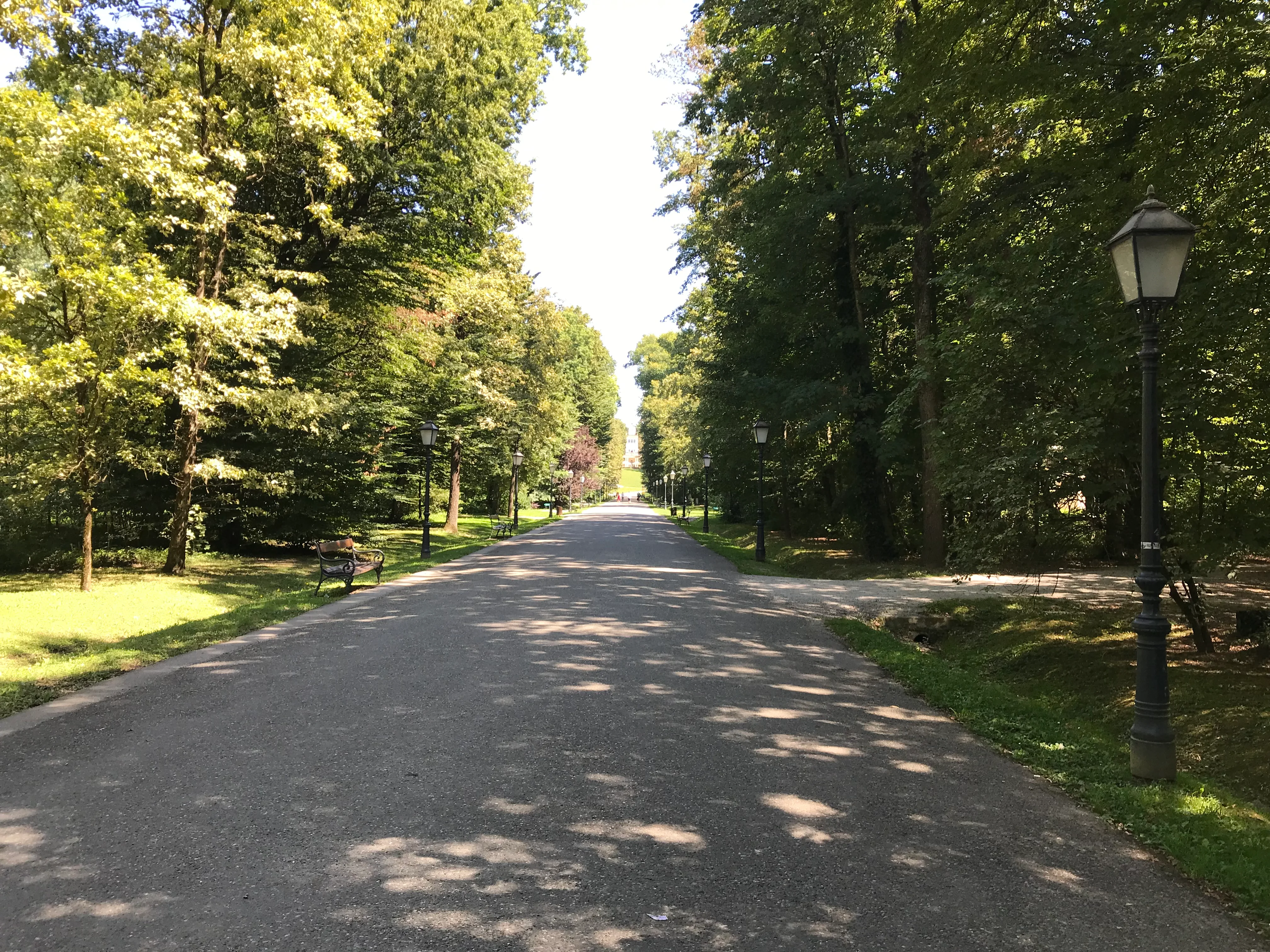
Maksimir is above all a walking and running park, with kilometres of shaded paths looping the lakes and climbing into the woods; it is the city's favourite spot for a jog or a long Sunday stroll. In warm months you can row a boat on the lakes, and the broad meadows are given over to picnics, frisbee, and sunbathing.
Families head for Zagreb Zoo on the eastern side, while birdwatchers come for the herons, woodpeckers, and waterfowl around the lakes. There are simple cafés and refreshment kiosks near the main entrance for coffee or ice cream, and the gentle gradients make much of the park manageable with a pushchair or for a relaxed cycle on the permitted routes.
Seasonal Highlights
Each season reshapes the park. Spring brings blossom, birdsong, and the first green on the oaks, with the meadows filling with families as the weather warms. Summer is all deep shade, rowing on the lakes, and long evening light through the trees — a cool retreat when the Lower Town bakes.
Autumn is Maksimir's signature season: the hornbeam and oak woods turn gold and copper, and the curving paths are at their most photogenic. Winter quietens everything to bare branches and still water, occasionally dusted with snow, and the park empties out to the hardiest local walkers. Whenever you come, a weekday visit finds the park at its most peaceful.
When to Visit
The park is open daily from dawn until dusk and is free to enter; only the zoo keeps separate hours and a ticket. Allow 1–2 hours for an unhurried loop of the lakes, the Echo Pavilion, and the central meadows, or a half-day if you add the zoo or wander the northern woods.
Spring and autumn are the loveliest seasons: blossom and fresh green in April and May, and gold-and-russet foliage in October. Summer brings shade and rowing on the lakes; winter strips the park back to its bones but keeps the paths walkable. Weekday mornings are the quietest; sunny weekends fill with local families, joggers, and picnickers.
Admission and Costs
Entry to Maksimir Park itself is free — it is public open space. Zagreb Zoo, in the park's eastern corner, charges around €10 (about $11) for adults with reduced rates for children and seniors, and is the only part that is ticketed.
Getting there costs only a ZET tram fare (a single ride is a couple of euros) on trams 11 or 12 from the centre. There is little reason to hire a guide for the park, though a private Zagreb guide can fold it into a wider half-day tour of the city's green and residential east for the usual €90–150 (about $97–162).
The Case for a Guide
Maksimir is easy to enjoy on your own, but a Zagreb guide can read the landscape and its history.
- The design story: A guide explains how Haulik reshaped the park in the English Romantic style and why that mattered in 1840s Croatia
- Finding the follies: The Echo Pavilion, Swiss cottage, obelisk, and Mogila are scattered and easy to miss without direction
- Reading the ecology: A guide points out the old oak stands, the lake system, and the birdlife that make the park a genuine nature reserve in the city
- Local life: Tied into a tour of the eastern districts, the park reveals how Zagrebčani actually spend their weekends
- Practical pairing: A guide can combine the park with the zoo for families or with a café stop for a relaxed half-day away from the Upper Town crowds
Tips for Visitors
Start at the lakes: From the main gate the chain of five lakes and the Echo Pavilion are the quickest way to grasp the park's design. Bring a picnic: The meadows are made for it, and Dolac or a bakery near the centre will set you up. Go north for quiet: The upper woods stay peaceful even when the southern lawns are busy.
Decide on the zoo in advance: It is a separate ticket and an easy add-on for families, but skip it if you came for a green walk. Mind match days: The Maksimir Stadium opposite draws crowds when Dinamo play, so the trams and surrounds get busy — a weekday visit avoids all that.
Frequently Asked Questions
Is there a zoo in Maksimir Park?
Yes. Zagreb Zoo occupies the south-eastern corner of the park, on and around the lakes, and has done since 1925. It is a compact, walkable zoo of a few hundred species, popular with local families, and keeps separate opening hours and an entry fee distinct from the free park around it.
The rest of Maksimir — the woods, meadows, lakes, and follies — is a free public park that you can wander without going near the zoo. If you are travelling with children the zoo makes an easy half-day; if you are after a quiet green walk, the park's northern paths are calm and uncrowded even in summer.
How do you get to Maksimir Park from central Zagreb?
Maksimir sits about four kilometres east of the centre and is simple to reach by tram. Trams 11 and 12 run from Ban Jelačić Square to the Maksimir stop right by the main entrance, a ride of around 15 minutes; trams 4, 7, and others also serve the area.
Across the road from the park entrance stands the Maksimir Stadium, home of Dinamo Zagreb, a useful landmark. Once inside, the park is entirely for walking — the lakes and the Echo Pavilion are an easy stroll from the gate, though the full northern woods reward a longer wander.