
Events Schedule
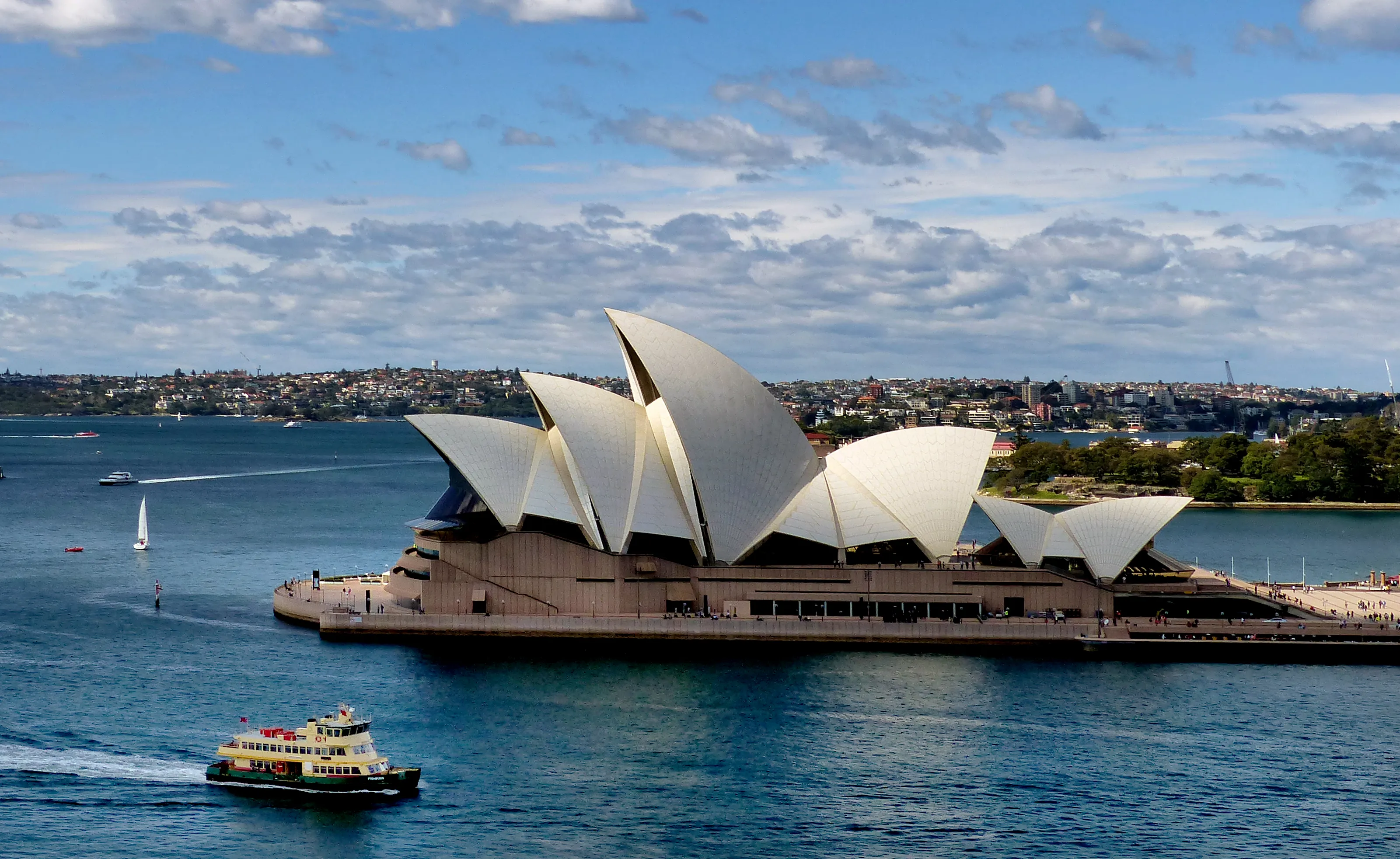
The Opera House stages approximately 1,700 events per year across all venues. Regular annual highlights include the Sydney Festival (January), featuring outdoor Opera on the Harbour performances in summer; the Vivid Sydney light festival (May–June), which projects large-scale artwork onto the shell vaults each night; and the New Year's Eve Gala, with the harbour fireworks launched from the Bridge directly across the water.
The Sydney Symphony Orchestra season runs from February through November with weekly concerts. Opera Australia presents two seasons: autumn (March–May) and spring (October–November). Check the Opera House website at least six weeks ahead for any production you specifically want to attend, as popular productions sell out well before the performance date.
Sydney Opera House in Pictures
When to Visit
Guided tours operate daily 9 AM–5 PM with departures approximately every 30 minutes. The premium Backstage Tour runs at 7 AM daily (arrive 6:45 AM). The forecourt, Harbour Restaurant terrace, and harbourside walkways are open 24 hours. Box office opens Monday to Saturday 9 AM–8:30 PM, Sunday 9 AM–5 PM (or until the final interval of the last performance). Operational quiet periods occur in January during the summer programming break; check the website before planning a backstage tour during this window.
Admission and Costs
Standard Guided Tour: A$37 adults / A$19 children (3–15) / A$24 concession. Duration: 1 hour. Backstage Tour: A$185 per person (limited to 8 participants). Duration: 2 hours. Includes areas closed to standard tour groups. Evening Backstage Tour: A$250 per person, offered on select dates. Performance tickets: A$35–350+ depending on production and seating. Access passes (subsidised tickets for concession card holders) are available for many productions.
The Case for a Guide
- Engineering narrative — the spherical solution that rescued the project from geometric impossibility is a story of creative problem-solving that resonates far beyond architecture; a guide who can diagram the concept on the harbour forecourt makes it instantly comprehensible
- Utzon's reconciliation — although Utzon never returned to Australia after his resignation, he collaborated remotely on the Utzon Room renovation completed in 2004; a guide explains the significance of this late-career rapprochement and the room's relationship to his original vision
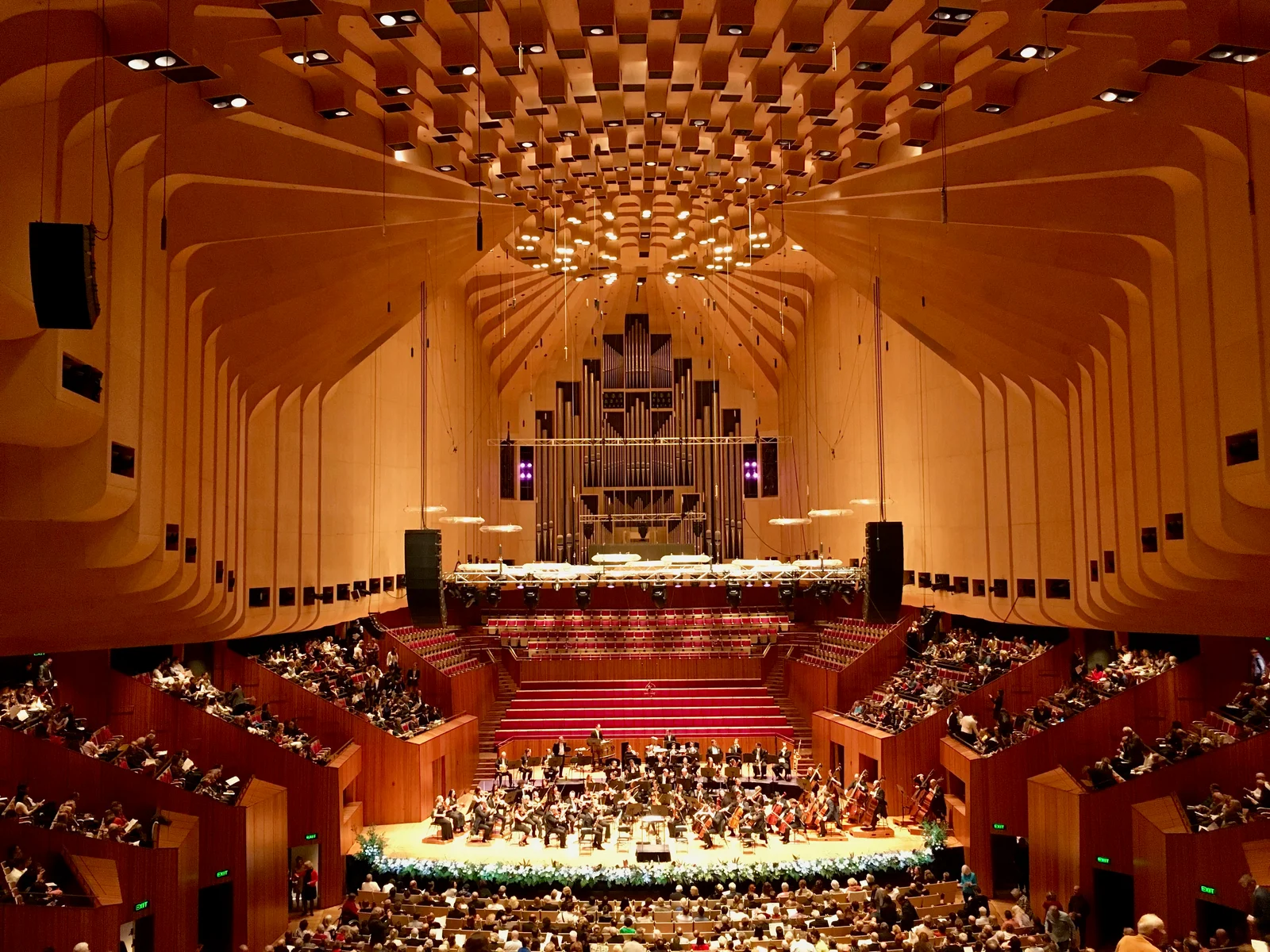
- Acoustic engineering — the Concert Hall's ring of acacia blackwood timber reflectors was a controversial late addition that dramatically altered the acoustics; the story of the arguments between the acoustic engineers and the orchestra musicians is specific to the building and invisible without a guide's narration
- Backstage scale — the loading dock below the stage handles grand pianos, full opera sets, and 40-tonne counterweighted stage mechanisms; the logistics of transitioning between a symphony orchestra and an opera production in 24 hours are astonishing and only visible on the Backstage Tour
Tips for Visitors
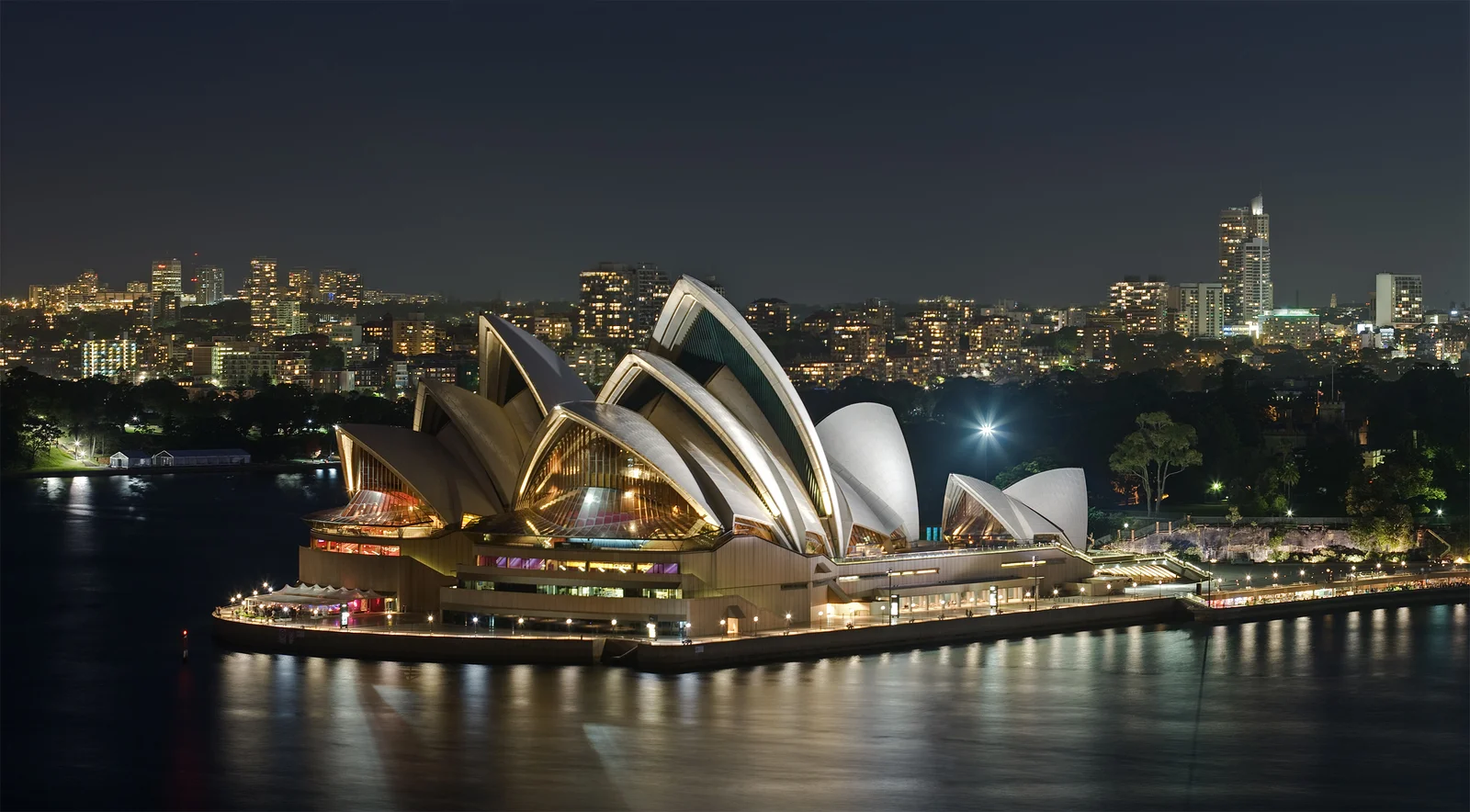
Book the Backstage Tour at least two weeks ahead — it runs with a maximum of 8 guests and sells out quickly. The standard 9 AM tour avoids the midday heat on the forecourt and typically encounters fewer crowds in the Concert Hall. Wear flat shoes: the tour covers staircases, dressing room corridors, and areas not designed for tourists. After the tour, walk east along the harbourside to the Royal Botanic Garden entrance — a 10-minute stroll delivers you into 30 hectares of waterfront gardens. An evening performance is worth planning even for visitors primarily interested in architecture: watching the shell vaults disappear into a night sky and the interior lights activate is a genuinely different experience from the daytime tour.
Frequently Asked Questions
Is a guided tour of the Sydney Opera House worth it?
A guided tour reveals what the building's exterior — magnificent as it is — entirely conceals. The backstage corridors, rehearsal rooms, and the story of the engineering crisis that almost killed the project are accessible only with a guide. The shell roof's concrete ribs, visible from inside the Concert Hall, represent a structural solution Utzon arrived at only by abandoning conventional engineering methods entirely; a guide who understands this history transforms a beautiful interior into a genuinely fascinating story. The Concert Hall itself — with its radial timber ceiling and the largest mechanical tracker organ in the world, with 10,154 pipes — is worth seeing even if you never attend a performance.
How do you book a guided tour of the Sydney Opera House?
Standard guided tours depart daily from the main forecourt between 9 AM and 5 PM, with tours running every 20–30 minutes. Tickets cost A$37 per adult (A$19 children) and can be booked online at the Opera House website or purchased on-site. The premium Backstage Tour runs daily at 7 AM and includes areas not covered in the standard tour — dressing rooms, loading docks, and the Utzon Room — for A$185 per person. Book both in advance during school holidays and peak season (December to January), when tours sell out quickly. The free forecourt and harbourside walkways require no booking.
What performances are on at the Sydney Opera House?
The building houses eight performance venues and hosts over 1,700 performances per year across opera, symphony concerts, theatre, dance, comedy, and film. Opera Australia, the Sydney Symphony Orchestra, Sydney Theatre Company, and the Australian Ballet all present full seasons here. Check the Opera House website for the current program; booking six to eight weeks ahead is advisable for popular productions. Standing-room tickets are sometimes available on the day. Even without a specific performance in mind, the Tuesday and Saturday morning guided tours occasionally coincide with technical rehearsals, allowing a glimpse of working stage life.