
Sydney timeline
-
British penal colony begins
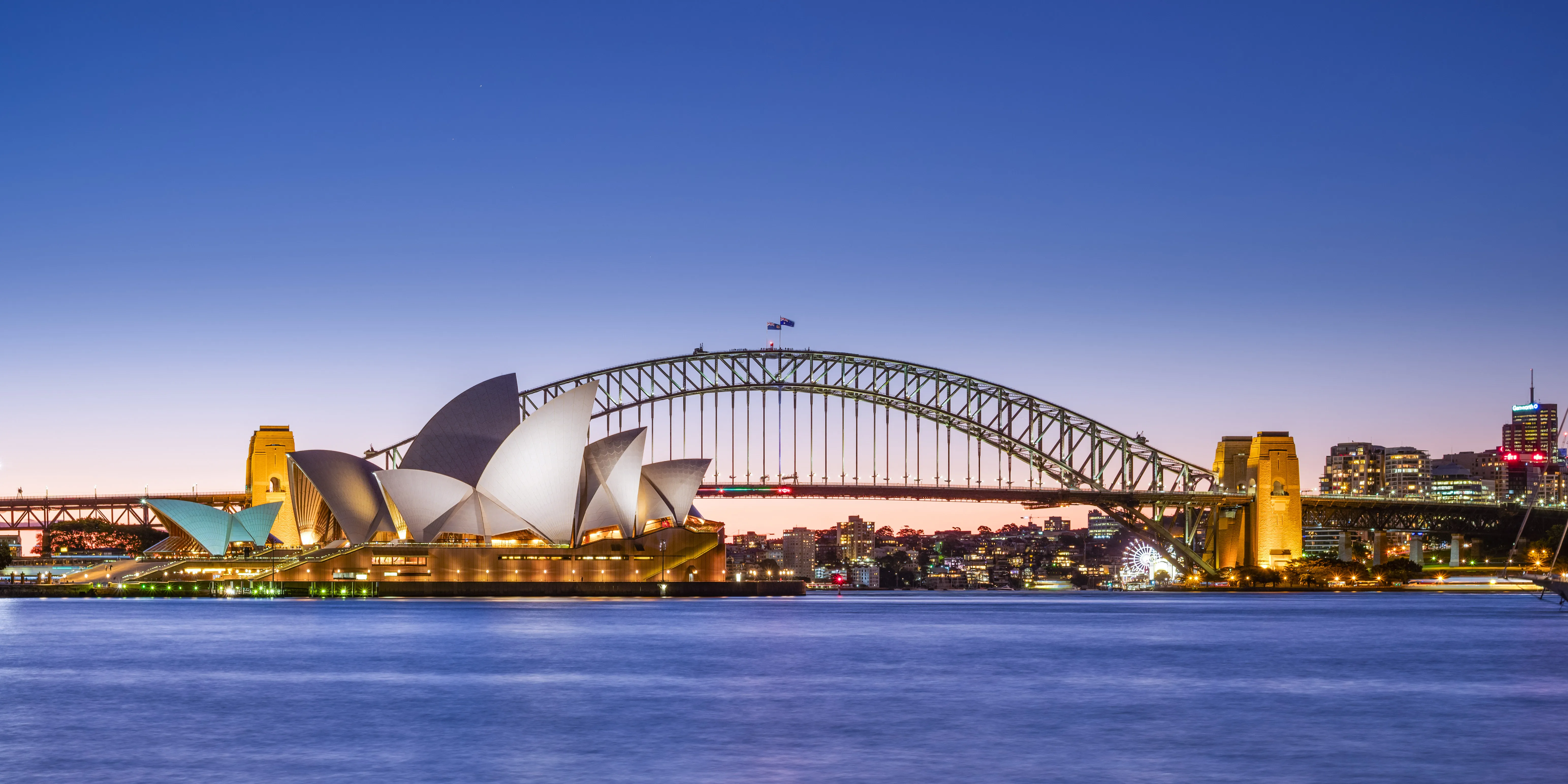
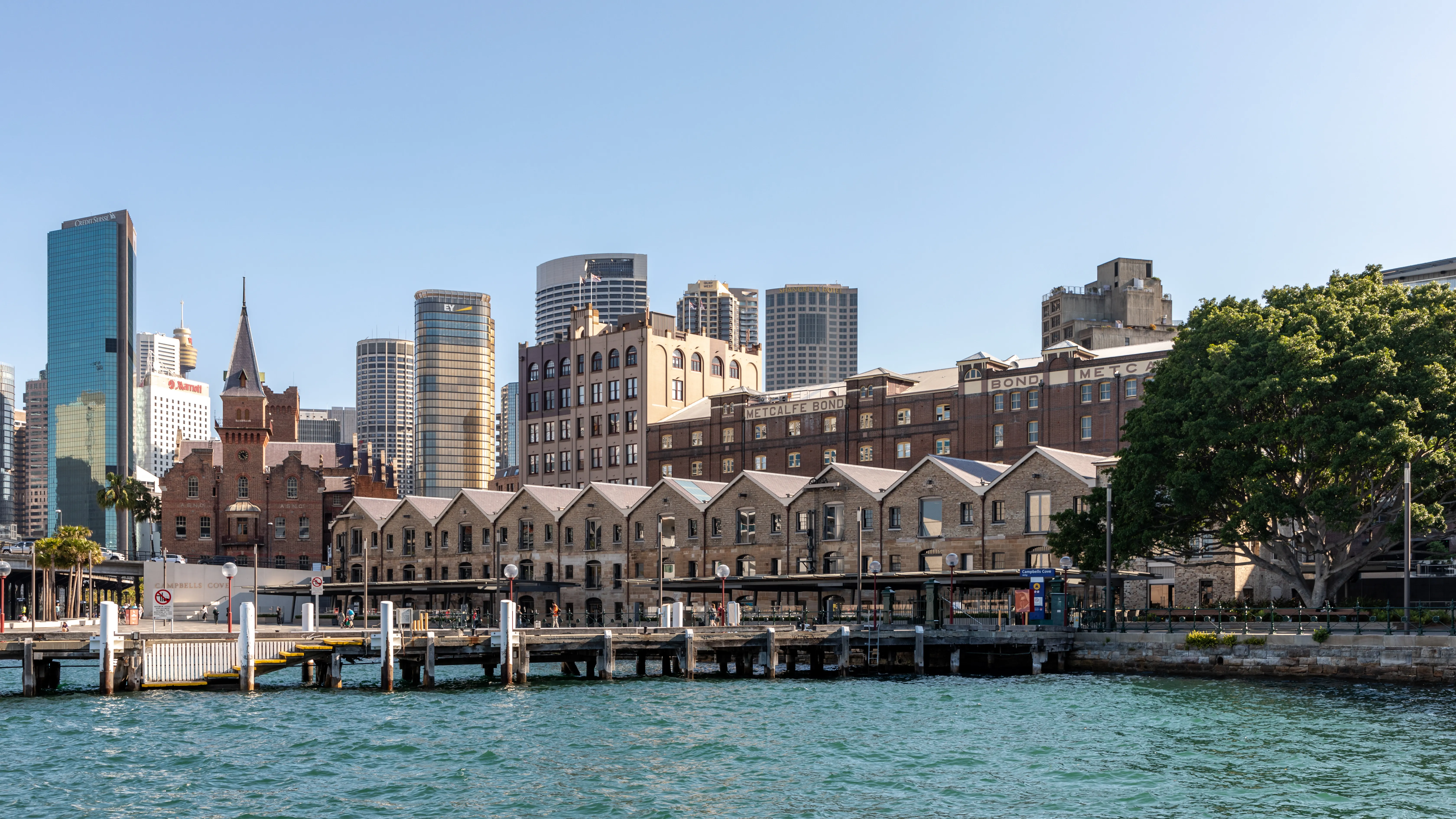
The Rocks, immediately west of the Bridge, is where the British penal colony began in January 1788 on a rocky sandstone promontory above a freshwater stream.
-
The Rocks survives plague clearances
The convict-era warehouses and Georgian terraces that survived the 1900 bubonic plague clearances now form Australia's oldest streetscape.
-
Olympic Games
The 2000 Summer Olympic Games earned Sydney widespread praise as one of the best-organised in Olympic history.
Cited city facts
Key facts for visiting Sydney
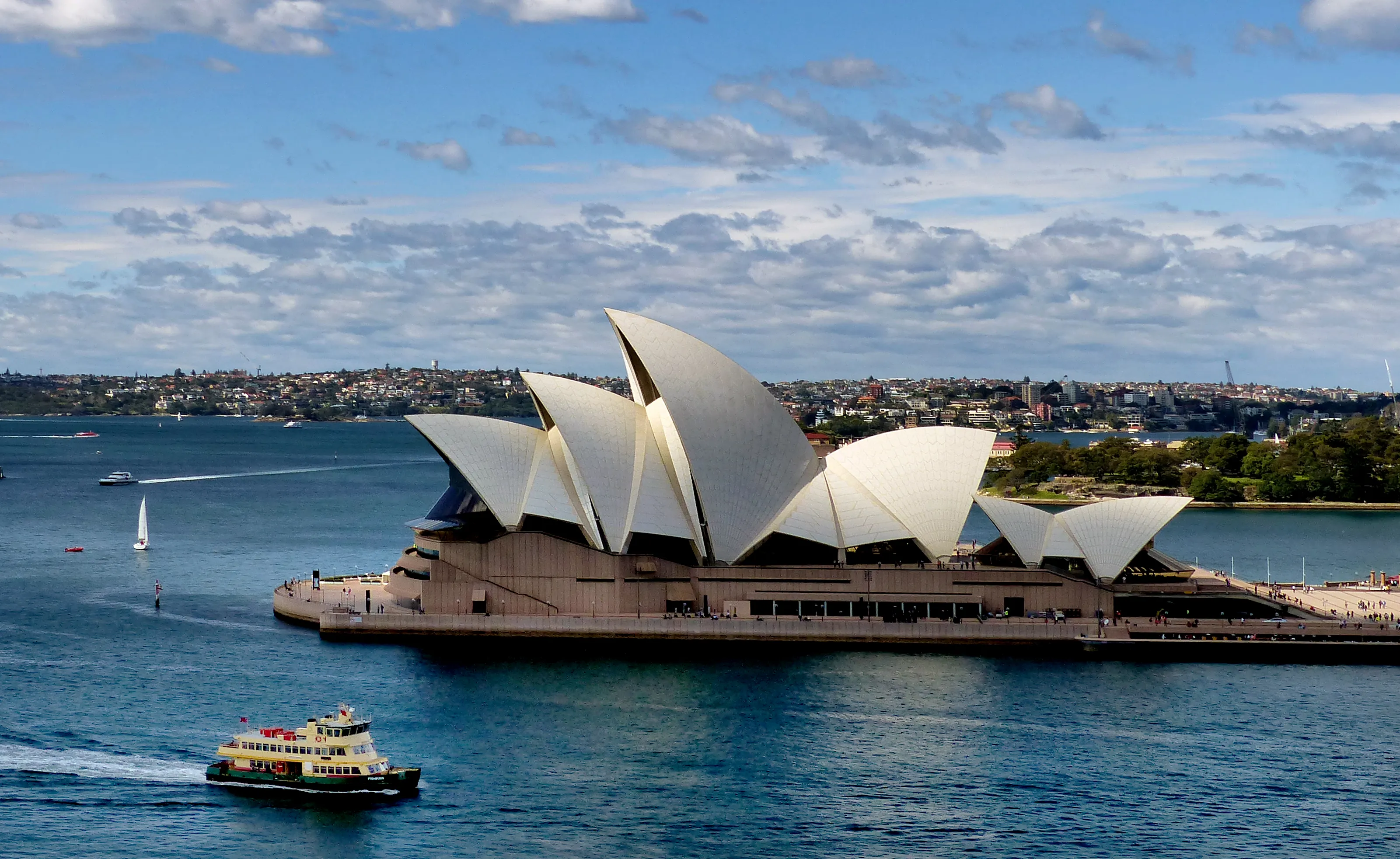
The Sydney Opera House was designed by Jørn Utzon, a Danish architect who had never visited Australia when he won the competition in 1957
Utzon's radically unconventional design — submitted as a series of rough sketches rather than engineering drawings — beat 233 entries from 32 countries. He resigned in 1966, before the building was complete, after a dispute with the NSW government and never saw the finished structure in person. The building opened in 1973 and was designated a UNESCO World Heritage Site in 2007, one of the few buildings to receive the designation while still in active use
Sydney's population grew from roughly 40,000 in 1850 to over 5 million today, making it the only Australian city ever to have held an Olympic Games
The 2000 Summer Olympic Games earned Sydney widespread praise as one of the best-organised in Olympic history, earning the city the informal title "the best Olympics ever" from Juan Antonio Samaranch, the IOC president. The Athletes' Village became Newington residential suburb; the Olympic Stadium now hosts AFL and rugby league. The harbour venue for the sailing events was Rushcutters Bay, just east of the CBD
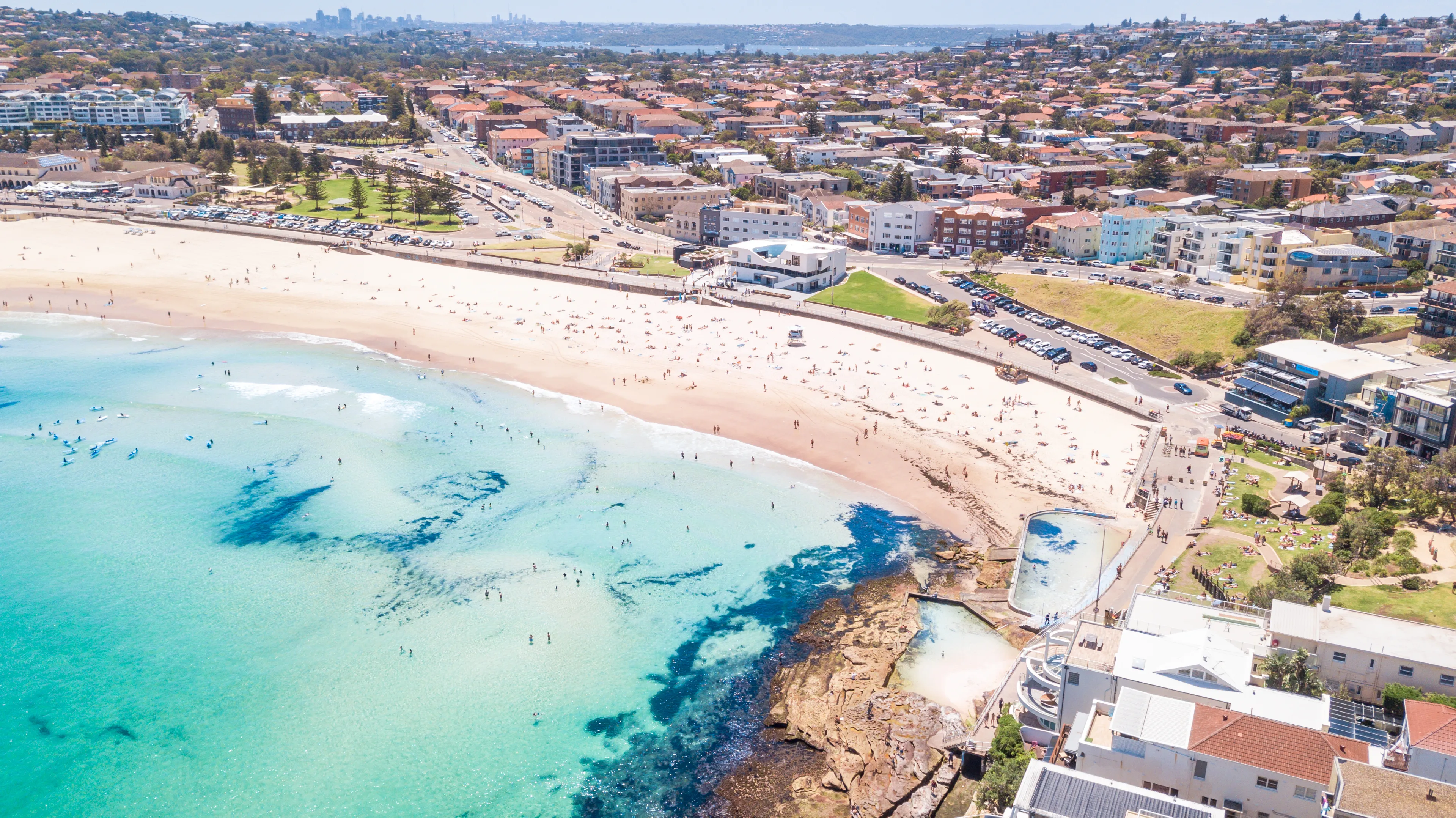
Bondi Beach was gazetted as a public recreation reserve in 1882 after local residents protested against private development
Bondi's kilometre-long crescent of sand has been publicly accessible since the 19th century, a status that distinguishes it from many privatised resort beaches elsewhere. The beach received the world's first organised surf lifesaving club in 1907, the Bondi Surf Bathers' Life Saving Club, which established the patrol flag system and rescue equipment standards later adopted globally
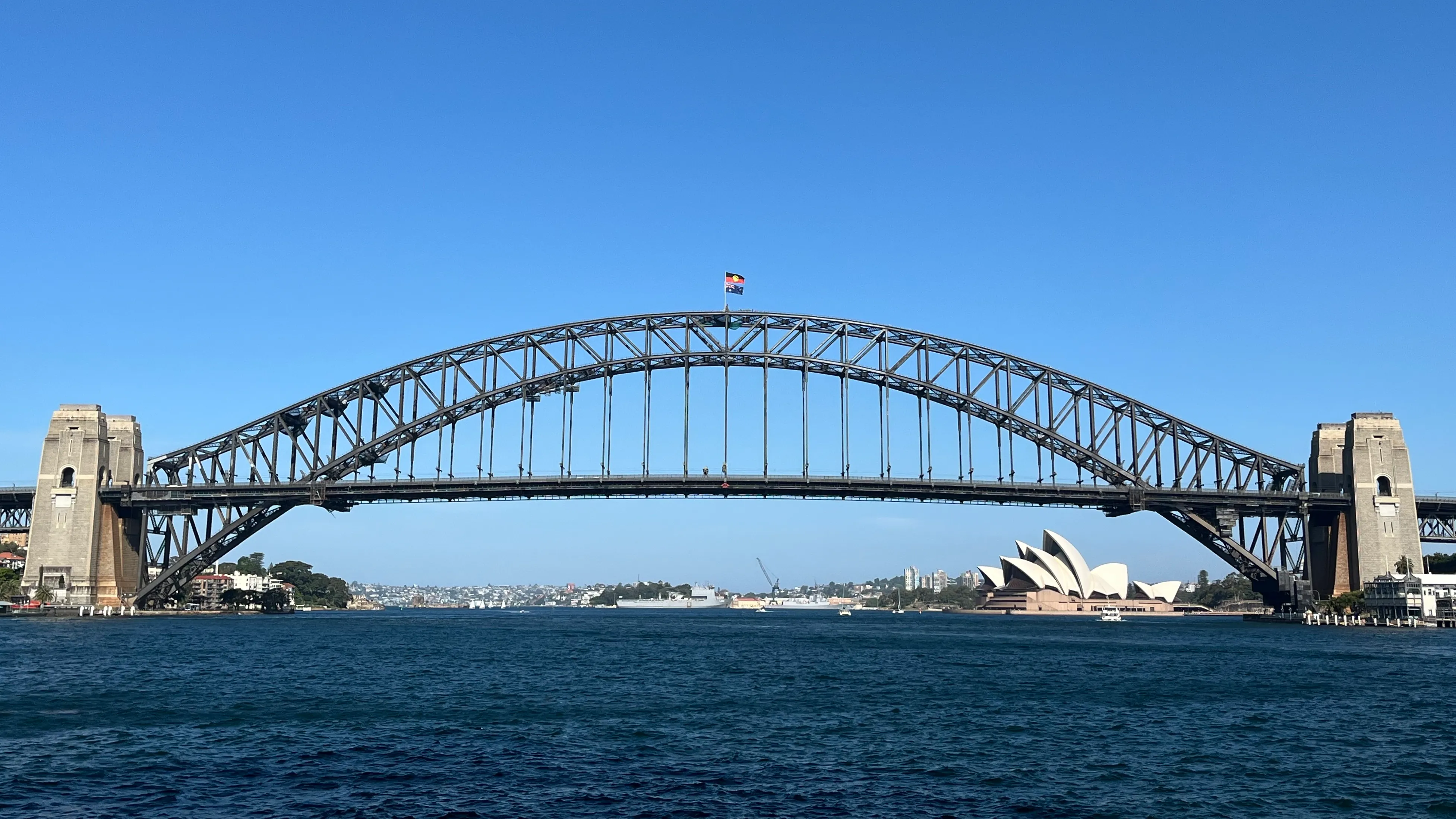
The Harbour Bridge contains 6 million hand-driven rivets and took 1,400 workers eight years to build
When the Sydney Harbour Bridge opened in 1932, it was the widest long-span bridge and the highest steel arch bridge in the world. The iconic BridgeClimb experience launched in 1998 and has since carried over 4 million visitors to the 134-metre summit — a statistic that makes the Bridge the most-climbed structure of its kind anywhere
Source: tour-guide.com — Free to cite with attribution
Things to see
What are the top attractions in Sydney?
- Sydney Opera House — Jørn Utzon's UNESCO-listed performing arts complex, the most recognisable building in the Southern Hemisphere
- Sydney Harbour Bridge — the 1932 steel arch that defines the city's western skyline, climbable to 134 metres for harbour panoramas
- Bondi Beach — the world's most famous arc of sand, backed by the first surf lifesaving club ever established
- The Rocks — the convict-era sandstone quarter where colonial Sydney began, now a living history of Georgian warehouses and cobbled laneways
Bondi Beach
The crescent where Sydney's surf culture was born — a kilometre of public sand that belongs to everyone
Sydney Harbour Bridge
Scale the steel arch that holds the city together — 134 metres above Sydney Harbour with views to the Blue Mountains
Sydney Opera House
Utzon's impossible shells rising from the harbour — the building that redefined what architecture could dare to be
The Rocks
The sandstone quarter where Sydney was born — convict-cut lanes, Georgian bond stores, and 240 years of unbroken history
Guide planning
How much does a tour guide cost in Sydney?
| Tour Type | Price | Details |
|---|---|---|
| Free walking tour (The Rocks) | Free–A$25 tip | Per person, 90 min |
| Opera House guided tour | A$37–45 | Per adult, 1 hour |
| BridgeClimb Explorer | A$174–208 | Per person, weekday |
| BridgeClimb Summit (dawn) | A$308–388 | Per person, premium slot |
| Private half-day guide | A$250–400 | Up to 4 people |
| Bondi coastal walk guide | A$65–120 | Per person, 3 hours |
| Aboriginal cultural tour | A$95–150 | Per person, 2 hours |
Season planner
When is the best time to visit Sydney?
October and November offer the ideal balance: warm enough for Bondi Beach swimming (water temperature 20–22°C), uncrowded enough to book Opera House tours without weeks of advance planning, and dry enough for consistent harbour visibility. March and April are Sydney's second-best window — the Christmas and summer crowds have gone but autumn warmth lingers, and the jacaranda trees bloom purple along the streets of the inner west.
For the Harbour Bridge Climb, dawn slots in autumn and winter produce the clearest air and most dramatic light; a June or July dawn climb on a clear morning delivers the harbour in perfect winter stillness. The Vivid Sydney light festival runs through May and June each year and illuminates the Opera House sails with projected artwork — one of the city's most distinctive experiences, best seen mid-week to avoid Friday and Saturday peak crowds.
December 31 is a special case: the New Year's Eve fireworks over the harbour, launched from the Bridge itself, attract hundreds of thousands of visitors. Reserve harbour-view positions or restaurant tables many months in advance if this is your goal.
Spring
Mar-May
Summer
Jun-Aug
Autumn
Sep-Nov
Winter
Dec-Feb
Each score averages that season’s monthly ratings out of 5. The top-rated window is usually the peak season too, so read the guidance above for its trade-offs before you book.
On the ground
How do you get around Sydney?
Sydney's Opal card (or contactless bank card) covers all public transport with daily and weekly fare caps — the most cost-effective approach for multi-day visitors. The Manly Ferry from Circular Quay (A$8.70 single) takes 30 minutes across the harbour and is itself one of Sydney's finest experiences, passing beneath the Bridge and past the Opera House before opening onto the open harbour.
For Bondi Beach, the 333 bus from Bondi Junction (3 stops from Town Hall on the Eastern Suburbs railway) connects in 10 minutes to the beachfront. The Bondi to Coogee coastal walk requires no transport once you've reached Bondi; the walk ends at Coogee, from which the 372 bus returns to Central Station.
The Rocks and Sydney Opera House are both a 10-minute walk from Circular Quay station and ferry wharf. Taxis and rideshare (Uber is widely available) work well for cross-city journeys; avoid driving in the CBD during weekday peak hours (7–9:30 AM and 4:30–7 PM) due to congestion and limited parking.
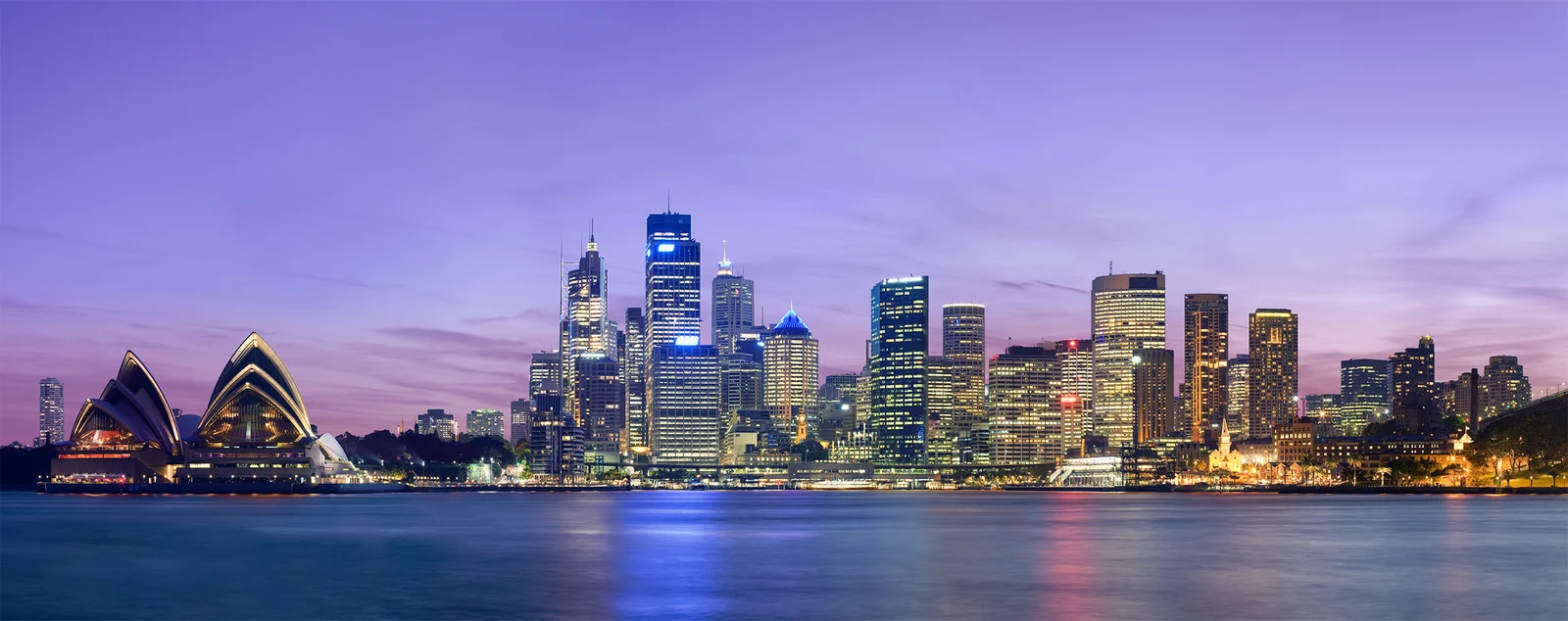
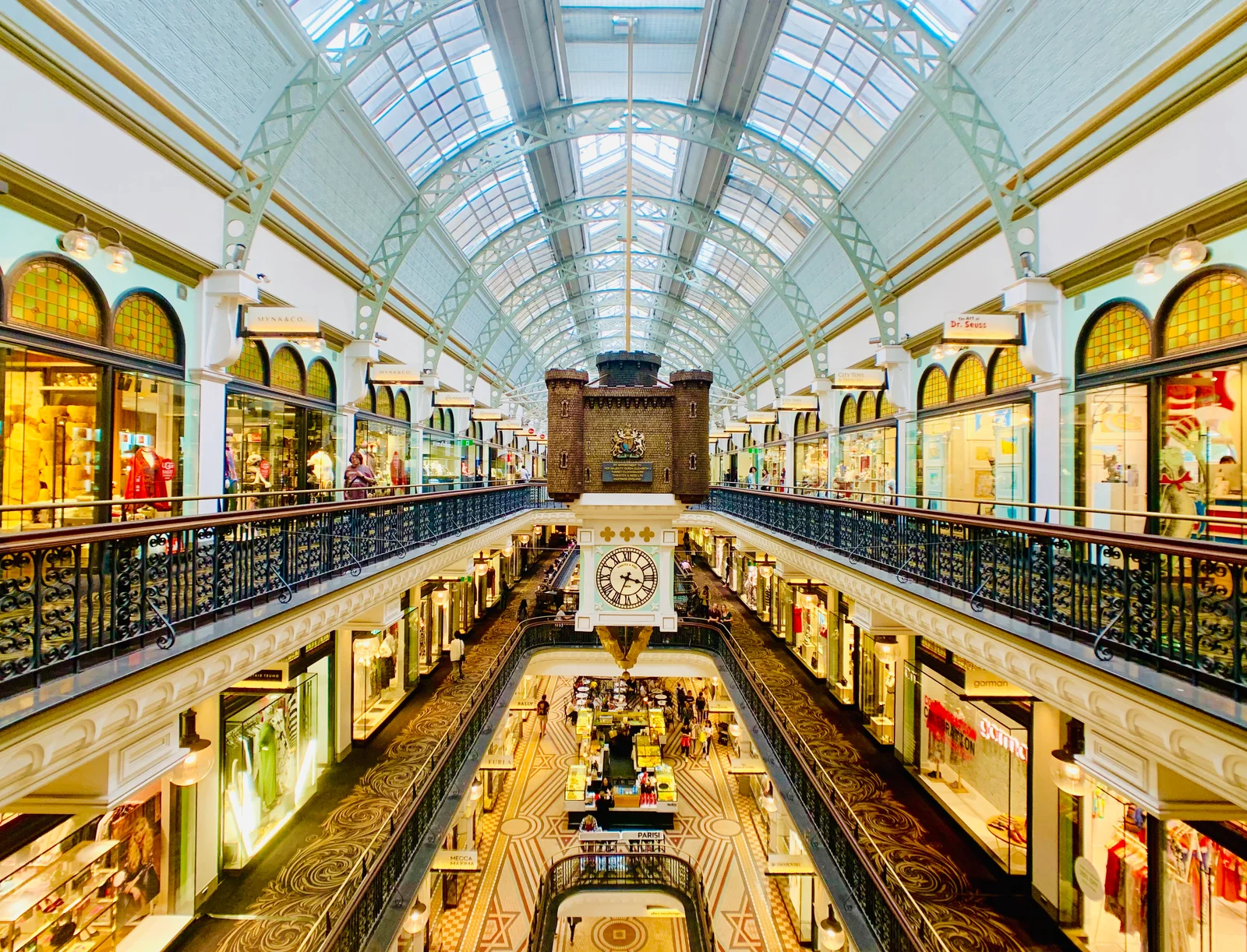
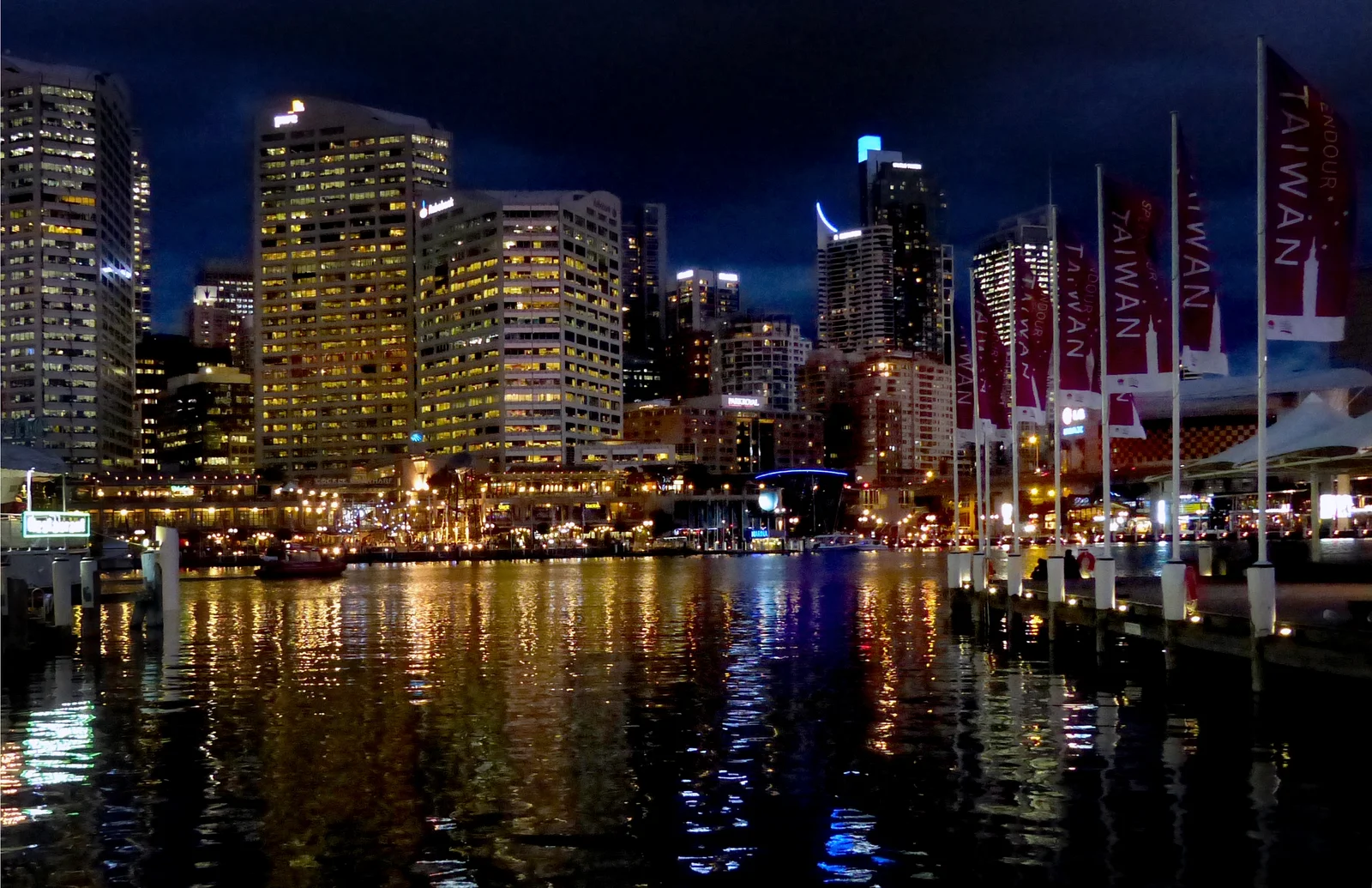
Sydney in Pictures
Frequently Asked Questions
How many days do you need in Sydney?
Three days covers Sydney's essentials comfortably. Day one belongs to the harbour — the Sydney Opera House, a climb or walk over the Sydney Harbour Bridge, and the colonial lanes of The Rocks. Day two is for Bondi Beach and the cliff-top coastal walk to Coogee. Day three suits the city beaches, Darling Harbour, or a ferry to Manly. Stretch to four or five days if you plan a Blue Mountains or Hunter Valley excursion.
What is the best time to visit Sydney?
Sydney's most pleasant months run from September through November and again from March through May, when temperatures hover between 17 and 25 degrees, crowds thin out after the summer peak, and the city's outdoor culture — harbour ferries, coastal walks, open-air cinema — operates at its most enjoyable pace. Summer (December to February) brings heat that regularly exceeds 35 degrees and the highest tourist volumes, but also the New Year's Eve fireworks over the harbour, one of the world's great spectacles. Winter (June to August) is mild by global standards, rarely dropping below 8 degrees, and delivers the clearest skies of the year — excellent for harbour photography and bridge views. Avoid the Christmas school-holiday peak if you plan to visit the Opera House or popular coastal walks.
How much does a tour guide cost in Sydney?
Free walking tours through The Rocks and Circular Quay operate on a tip basis and typically run 90 minutes. Small-group guided tours of the Opera House interior cost A$37–45 per adult. A private half-day guide covering the harbour precincts, The Rocks, and the CBD ranges from A$250–400 for up to four people. The Sydney Harbour Bridge Climb starts at A$174 per person for a weekday Explorer Climb, rising to A$388 for the premium Summit Climb at dawn. Bondi to Coogee coastal walk guided experiences with a naturalist or Aboriginal cultural interpreter run A$65–120 per person.
How do you get around Sydney?
Sydney's Opal card covers trains, buses, light rail, and ferries on a single tap-on/tap-off system with daily fare caps. The Manly Ferry from Circular Quay is one of the world's great commuter journeys and doubles as a 30-minute harbour cruise for the price of a transit fare. Trains connect the CBD to Bondi Junction (then bus to the beach), the airport, and the Blue Mountains. Light rail runs from Randwick through the CBD to Circular Quay. The BridgeClimb and Opera House tours are best reached on foot from Circular Quay; Bondi Beach requires the 333 bus from Bondi Junction station or a direct bus from Central Station. Ferries to Manly, Taronga Zoo, and Watson's Bay make the harbour the most scenic transit corridor in the city.