Melbourne timeline
-
Settlement founded
European settlers founded Melbourne on Wurundjeri Country beside the Yarra River.
-
Gold rush capital
The Victorian gold rush transformed Melbourne into one of the British Empire's richest cities.
-
Federation parliament meets
Melbourne served as the first seat of Australia's federal parliament after Federation.
-
Olympic host city
The Summer Olympics gave Melbourne a global sports identity and new civic infrastructure.
Cited city facts
Key facts for visiting Melbourne
Melbourne has more than 7,500 restaurants representing over 70 nationalities — more per capita than almost any other city in the world
Post-World War II immigration transformed Melbourne into one of the most culinarily diverse cities outside of Asia, with Italian, Greek, Vietnamese, Chinese, Lebanese, and Ethiopian communities all establishing influential restaurant precincts. The city is home to the largest Greek population outside of Athens, which shaped the café culture that in turn influenced the now-global speciality coffee movement
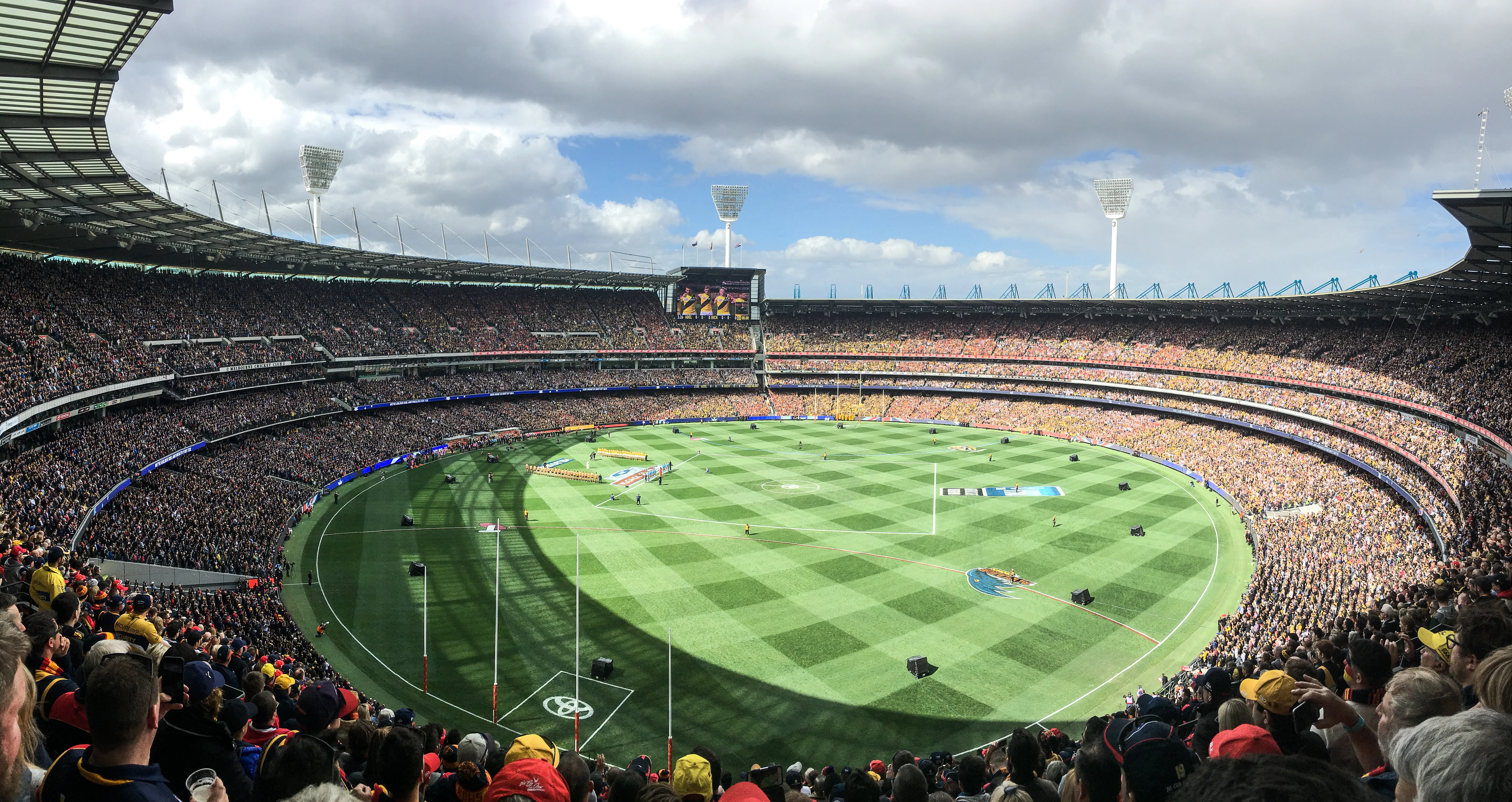
The Melbourne Cricket Ground has a capacity of 100,024 — the largest sports stadium in the Southern Hemisphere and the 10th largest in the world
The MCG has hosted cricket since 1853 and Australian Rules football since 1859, making it arguably the most continuously used major sports venue in the world. It also served as the main stadium for the 1956 Summer Olympics — the only time the Games have been held in Australia. The stadium is open to visitors year-round through the MCG Tour programme
The Royal Botanic Gardens Melbourne was established in 1846 and covers 38 hectares on the Yarra River bend
The gardens contain over 8,500 plant species and attract 1.7 million visitors annually. The site was originally selected by Governor La Trobe and the first director, Ferdinand von Mueller, introduced many Australian native species to European botanical study from here. The gardens also contain an important collection of Aboriginal cultural significance — the Jungle Walk follows Koorie ceremonial pathways across the site
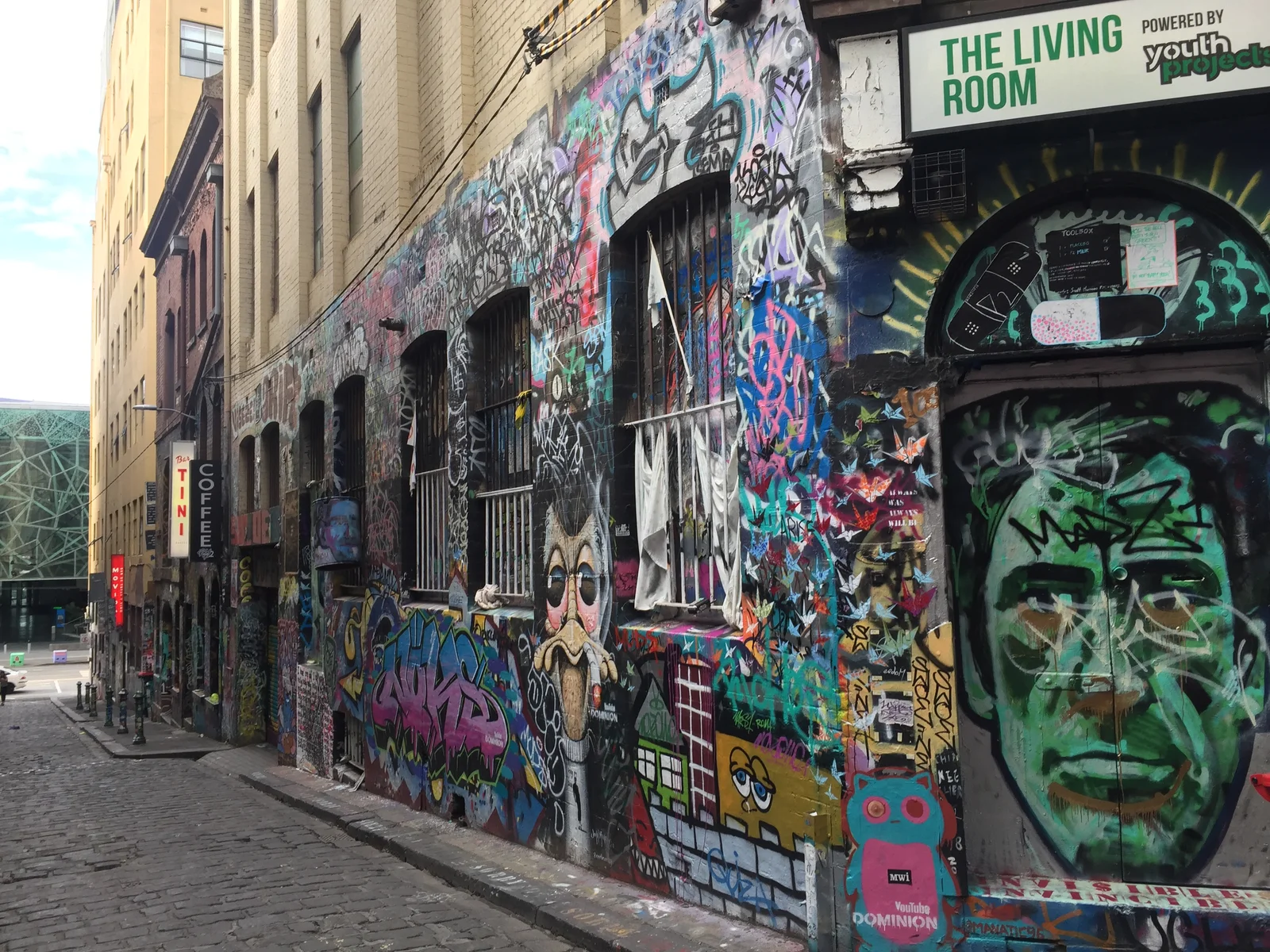
Hosier Lane in the CBD has been legally designated a street art space since 2001 and is repainted approximately 12 times per year
The City of Melbourne actively manages Hosier Lane as a cultural asset, commissioning local and international artists for commissioned works while also allowing unsanctioned painting that creates the constantly evolving surface. The lane appeared in over 1,200 Instagram posts per day at its peak and is now regularly included in architecture and art tourism surveys as one of Melbourne's defining experiences
Source: tour-guide.com — Free to cite with attribution
Things to see
What are the top attractions in Melbourne?
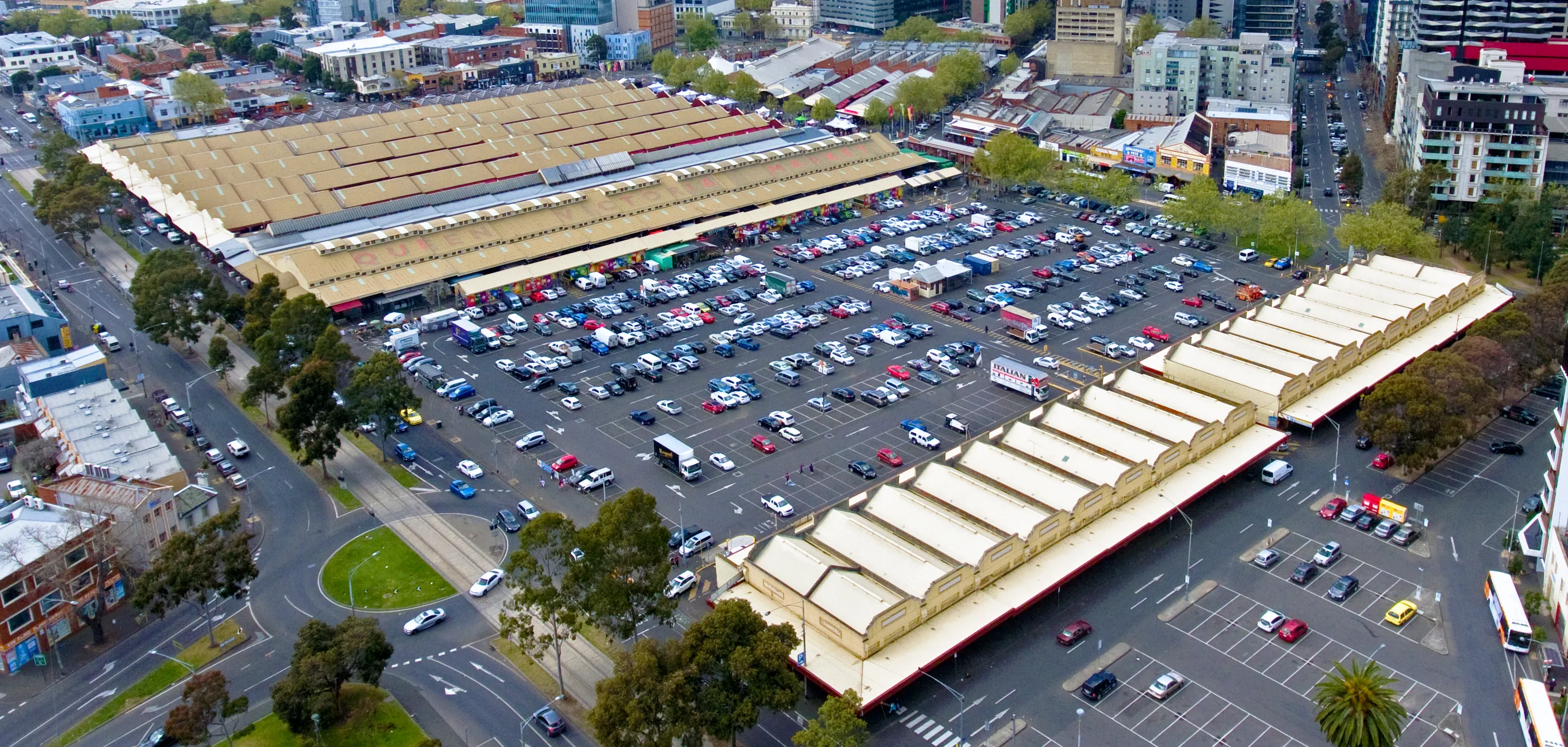
- Queen Victoria Market — the Southern Hemisphere's largest open-air market, operating since 1878, with fresh produce, deli halls, and street food across 7 hectares
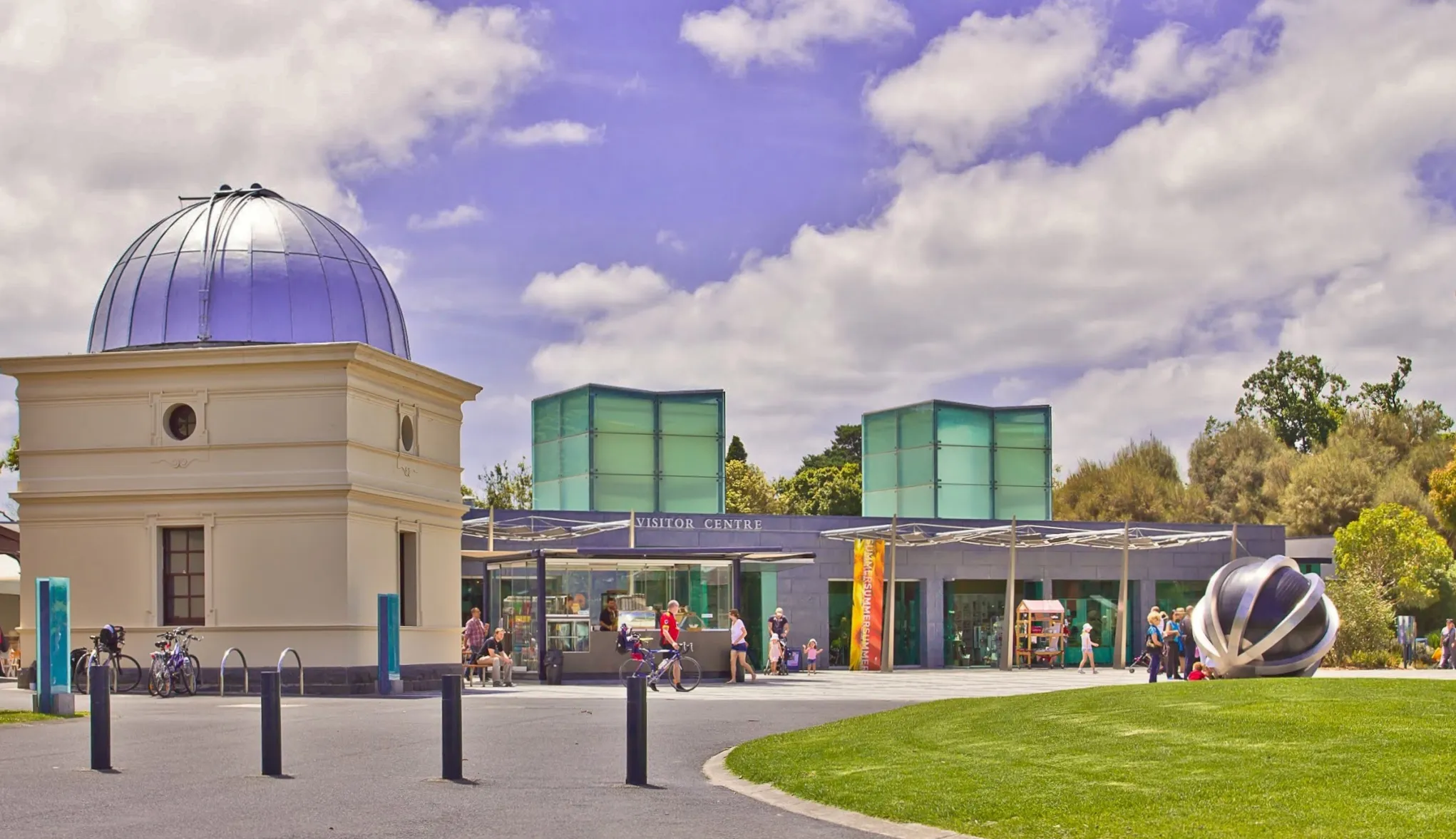
- Royal Botanic Gardens Melbourne — 38 hectares of collections on the Yarra bend, with Aboriginal cultural trails, an observatory, and guided walks through the Fern Gully
- Melbourne Cricket Ground — the 100,024-capacity stadium that hosted the 1956 Olympics and has been played on since 1853
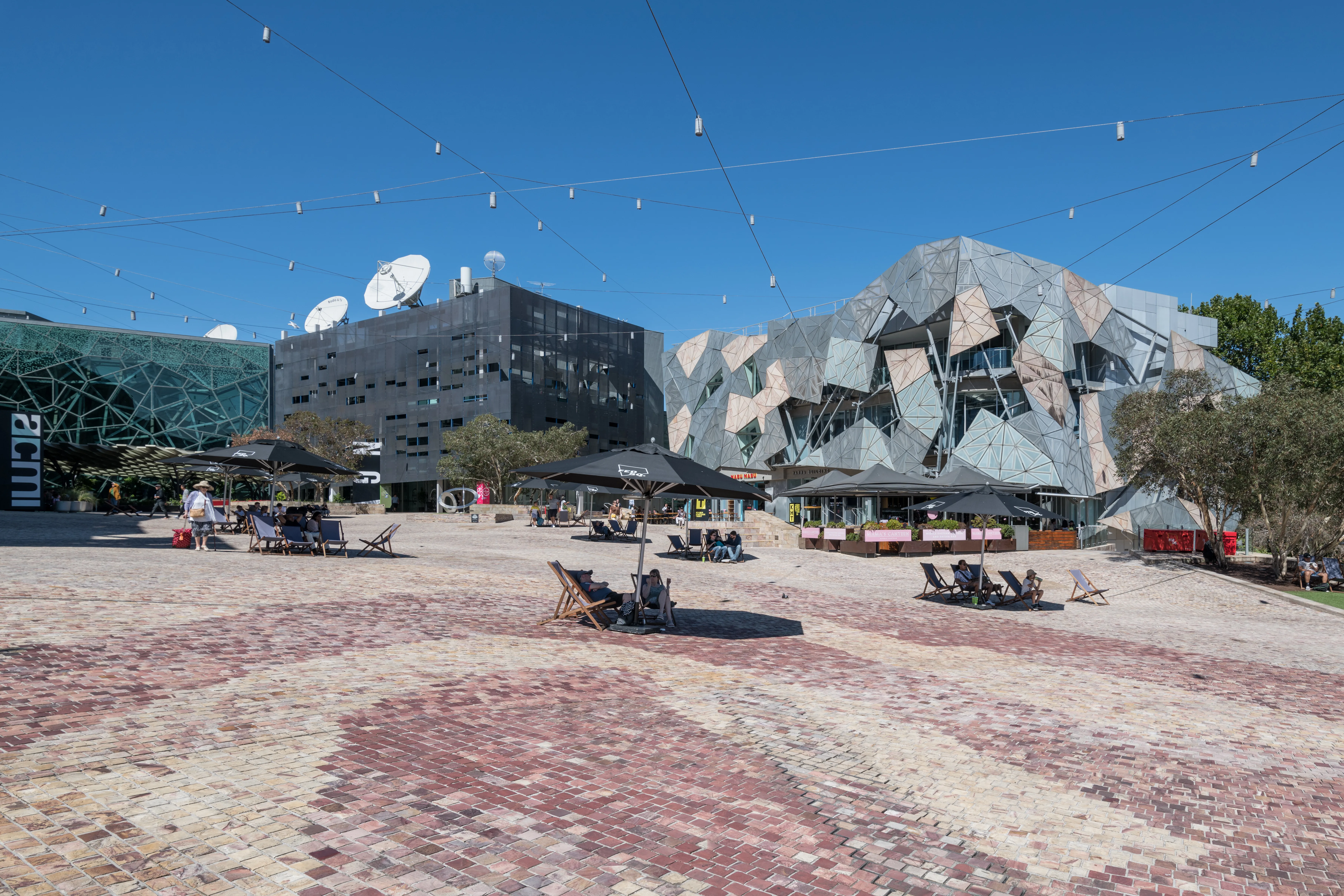
- Federation Square — the sandstone and glass cultural hub at the city's heart, home to the Ian Potter Centre and the ACMI
Federation Square
Melbourne's fractured sandstone plaza — where art, cinema, and the pulse of a city that takes culture seriously converge
Melbourne Cricket Ground
The 100,000-seat colosseum where cricket and football share the same sacred turf since 1853
Queen Victoria Market
The Southern Hemisphere's largest open-air market — 7 hectares of produce, deli halls, and Melbourne's morning ritual
Royal Botanic Gardens Melbourne
Thirty-eight hectares on the Yarra bend — Aboriginal stories, Victorian science, and 8,500 plant species
Guide planning
How much does a tour guide cost in Melbourne?
| Tour Type | Price | Details |
|---|---|---|
| Free walking tour (laneways) | Free–A$20 tip | Per person, 2.5 hours |
| MCG guided tour | A$28–32 | Per adult, 75 min |
| Royal Botanic Gardens (volunteer) | Free | Selected weekdays |
| Private laneway & street art guide | A$200–350 | Up to 6 people, 2 hours |
| Aboriginal cultural city walk | A$65–120 | Per person, 2 hours |
| Queen Victoria Market tour | A$45–65 | Per person, 1.5 hours |
| Yarra River cruise | A$35–55 | Per person, 1 hour |
Season planner
When is the best time to visit Melbourne?
March through May is Melbourne at its finest: autumn delivers the most reliably comfortable temperatures (14–22°C), the least rain of the year, and the Yarra riverside and Botanic Gardens in full colour change. The Australian Open (January) electrifies the city but crowds public transport and accommodation. October and November offer the spring racing carnival culminating in the Melbourne Cup on the first Tuesday of November — a public holiday in the metropolitan area that turns the CBD into a street party.
Melbourne's weather is notoriously unpredictable — the saying "four seasons in one day" is an established cliché because it is frequently accurate; temperatures can swing 15 degrees between morning and afternoon, and summer days occasionally exceed 42°C before a southerly buster drops the temperature 20 degrees within hours. Layered clothing is useful year-round, particularly in spring and autumn. The laneways and street art district are best explored in light rain, when the murals intensify in colour and crowds thin considerably.
Spring
Mar-May
Summer
Jun-Aug
Autumn
Sep-Nov
Winter
Dec-Feb
Each score averages that season’s monthly ratings out of 5. The top-rated window is usually the peak season too, so read the guidance above for its trade-offs before you book.
On the ground
How do you get around Melbourne?
The Free Tram Zone covers the entire CBD grid and the Docklands extension, making most central attractions accessible without a Myki fare. Trams run along Swanston Street (routes 1, 3, 5, 6, 16, 64, 67, 72) from the CBD to St Kilda, and along Flinders Street to the MCG during match days. The City Circle tram (Route 35, maroon historic trams) loops around the CBD perimeter and provides a free orientation circuit.
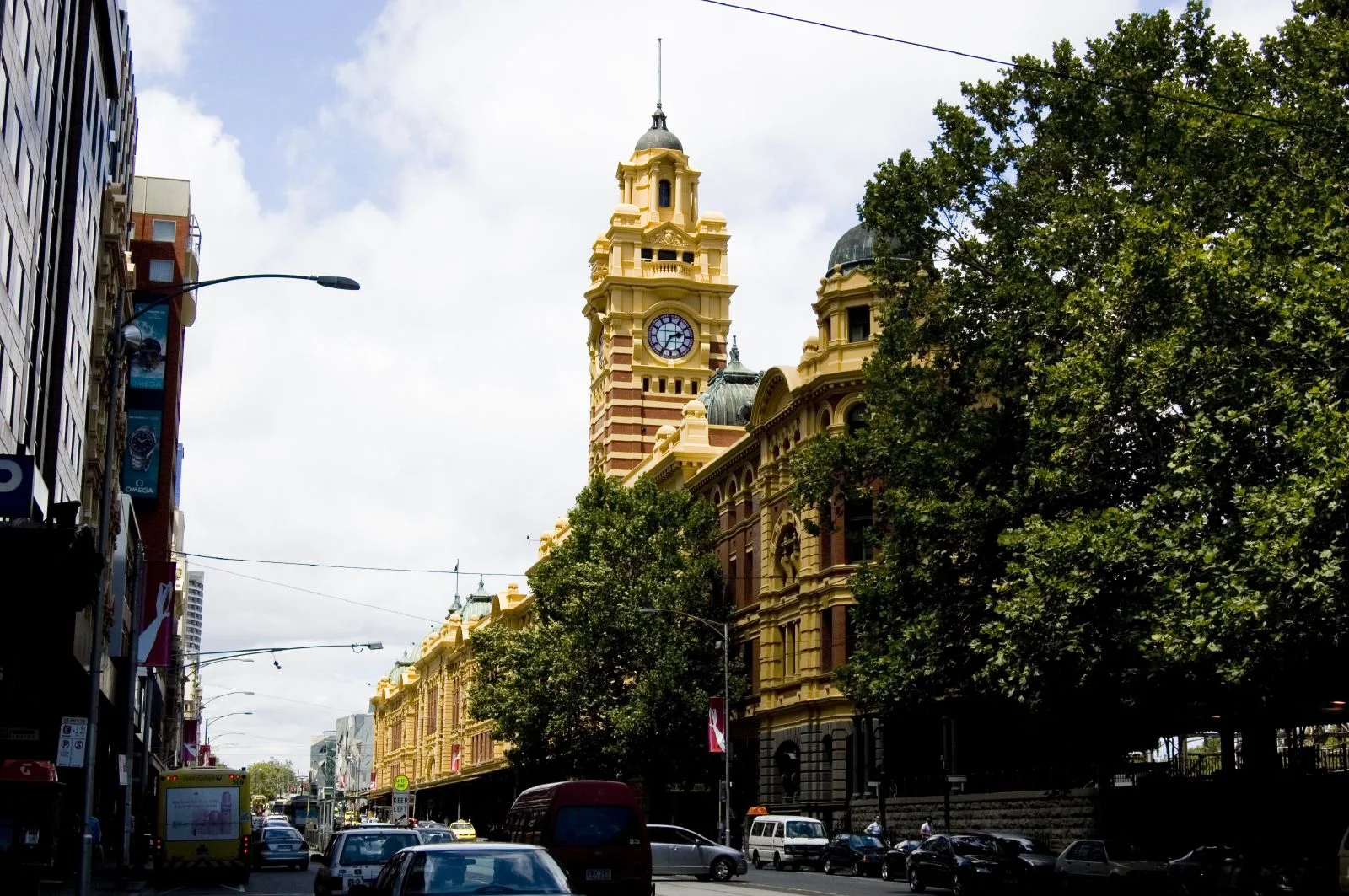
Federation Square is directly outside Flinders Street Station — the hub of the entire train and tram network. Queen Victoria Market is a 10-minute walk north from the CBD or accessible on the free tram. The Royal Botanic Gardens are a 20-minute walk south from the CBD or a short tram ride on the Route 3, 5, or 6 from Swanston Street. The MCG is accessible via the Jolimont train station (2 minutes from Flinders Street) on the Lilydale/Belgrave lines, or a 25-minute walk along the Yarra River path through Birrarung Marr park.
Melbourne in Pictures
Frequently Asked Questions
How many days do you need in Melbourne?
Two to three days is right for Melbourne itself. The compact grid of laneways, the Queen Victoria Market, and the Royal Botanic Gardens fill a comfortable first two days, with a third for the street art of Hosier Lane, a match at the Melbourne Cricket Ground, and the cafés of Fitzroy. Add a fourth day if you want to drive the Great Ocean Road or taste your way through the Yarra Valley — both are full-day trips from the city.
What is Melbourne best known for?
Melbourne is consistently ranked among the world's most liveable cities and is celebrated in Australia for three things above all others: its coffee culture (a flat white was reportedly invented here, and Melbourne takes the quality of its espresso extremely seriously), its sports culture (the Melbourne Cricket Ground is the spiritual home of Australian Rules football and Test cricket, and the Australian Open tennis Grand Slam draws the city to a standstill each January), and its street art and laneway culture. The narrow lanes of the CBD — Hosier Lane, Flinders Lane, ACDC Lane — are canvases for commissioned and unsanctioned murals that are repainted constantly, making each visit genuinely different from the last.
How much does a tour guide cost in Melbourne?
Free walking tours of the city laneways depart daily from Federation Square on a tipping model, typically running 2.5 hours. Guided tours of the Melbourne Cricket Ground cost A$28–32 per adult. A private laneway and street art guide typically charges A$200–350 for a 2-hour tour for up to 6 people. Royal Botanic Gardens guided tours are free with garden entry on selected weekdays. The Melbourne Star Observation Wheel charges A$40 per adult. Aboriginal cultural walking tours of the city run A$65–120 per person for a 2-hour experience.
How do you get around Melbourne?
Melbourne's public transport network uses the Myki card (or contactless bank card) across trams, trains, and buses. The tram network is the largest in the world outside of Europe and most CBD destinations are easily reached by tram. The Free Tram Zone covers the entire CBD grid and Docklands — no Myki needed within this area. Trains connect to inner suburbs and the airport (SkyBus from Southern Cross Station). Walking is excellent in the CBD and inner suburbs; most laneway attractions are within a 10-minute walk of Flinders Street Station. Cycling is popular and the Yarra River trail connects multiple attractions.