
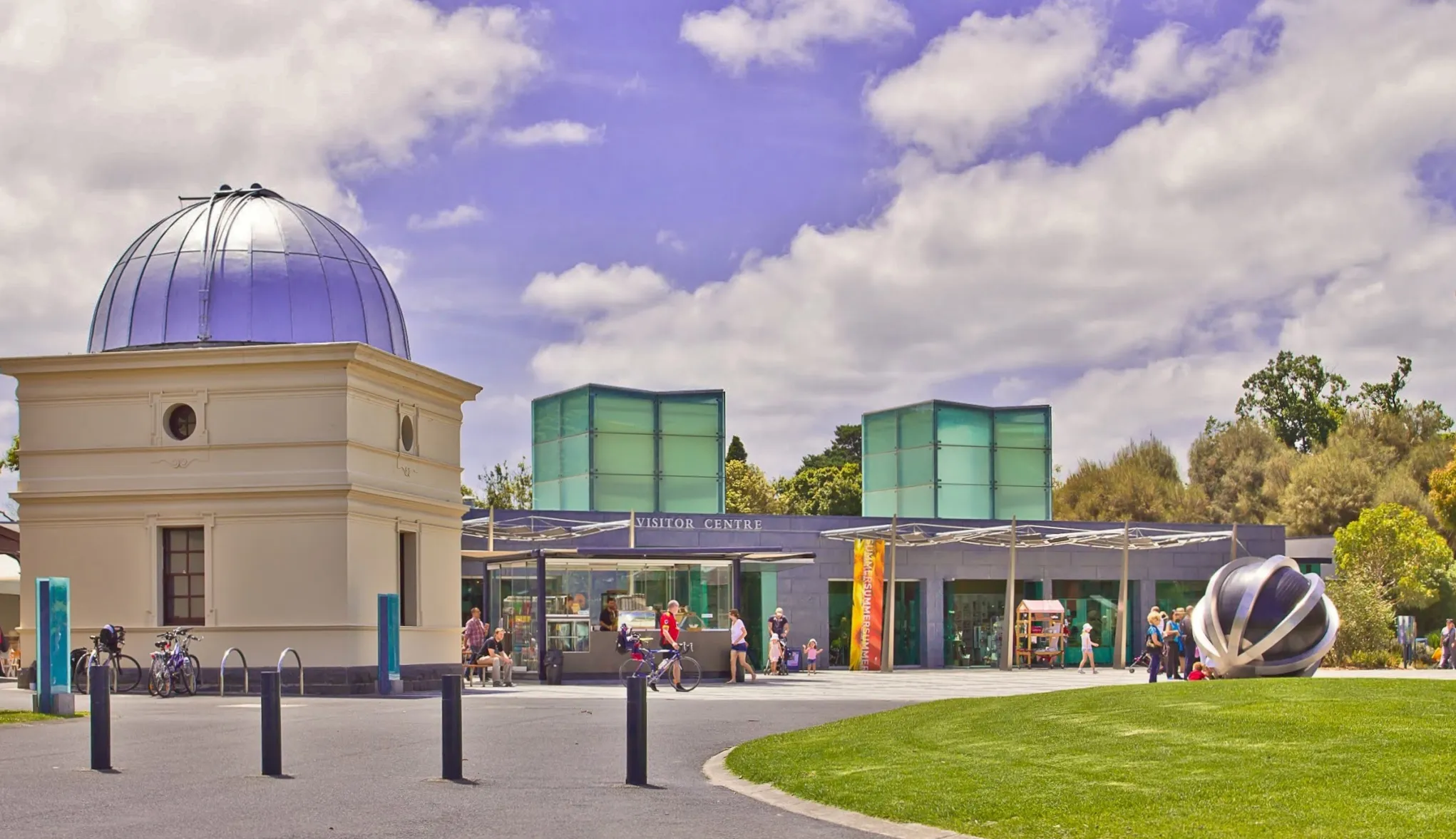
Activities
Fern Gully loop (30 minutes): a self-guided walk through the restored Dicksonia tree fern collection and emergent Cyathea species — the closest Victoria comes to prehistoric rainforest atmosphere within a city park. Enter from the Central Lake path, follow the signed trail through the ravine, and exit near the Tennyson Lawn.
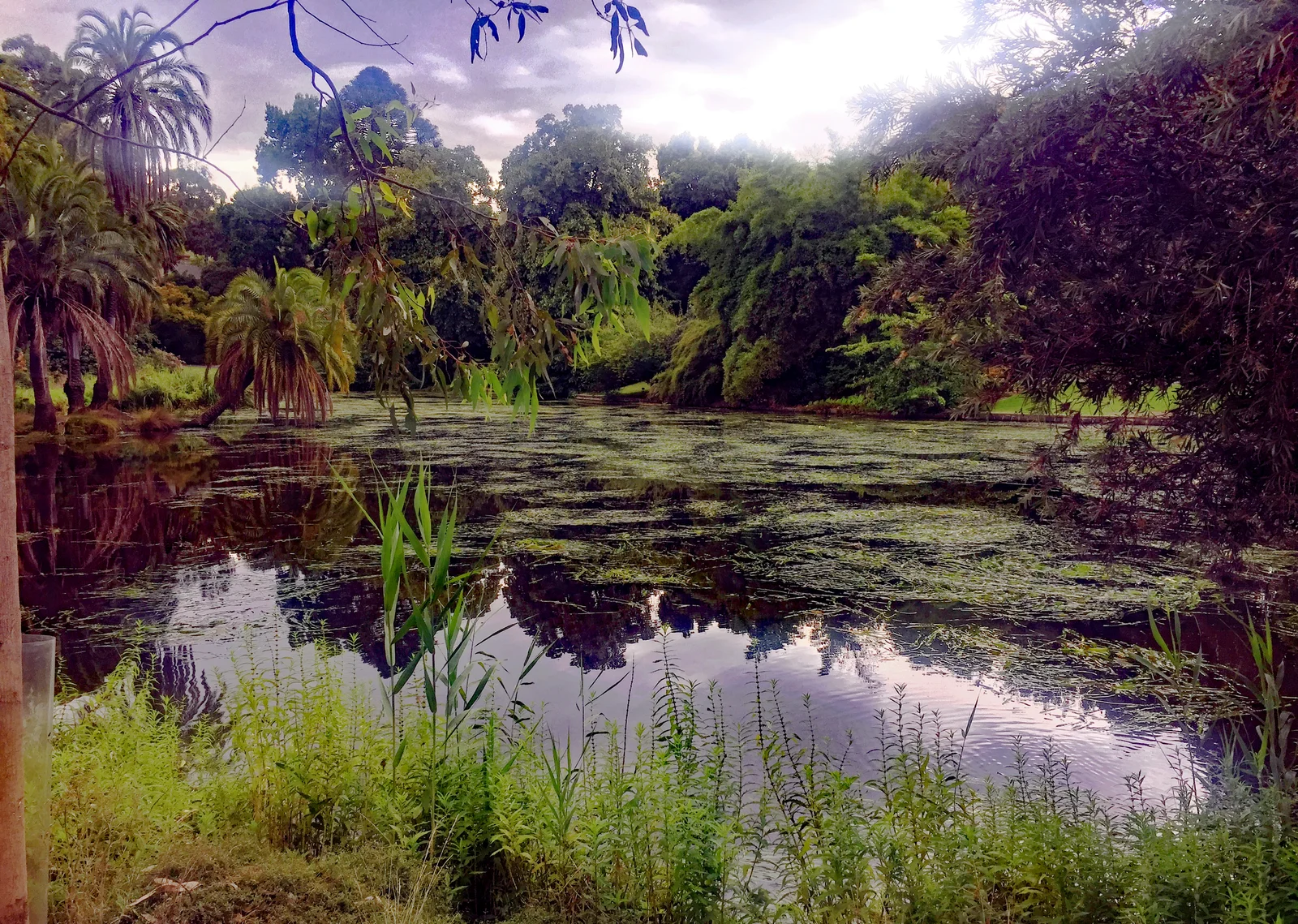
Central Lake circuit (45 minutes): the lake holds the gardens' best birdwatching, with Australian wood ducks, Pacific black ducks, dusky moorhens, and a permanent colony of black swans raising cygnets in spring. The pelican colony on the western shore arrives unpredictably between June and September.
Observatory astronomy nights: the Melbourne Planetarium and Melbourne Astronomical Society run public evenings at the Observatory throughout winter on selected Friday nights — check Museums Victoria for the current schedule. These are free and provide a genuinely different relationship to the Gardens after dark.
Seasonal Highlights
September: Magnolia Walk near the Observatory in peak flowering — a Melbourne spring ritual that draws large crowds on weekends. The rose garden begins opening in late September and continues through November.
November: The Children's Garden Spring Festival adds educational programming for families. Moonlight Cinema begins; booking for the first-run screenings sells out weeks ahead.
March–May: Autumn colour across the liquidambar grove near the Main Gate and the maple collection in the Children's Garden. The gardens are at their least crowded in April and May.
June–August: Enchanted Garden light festival on selected weekends transforms the evening gardens with projected artwork and illuminated plantings — accessible via timed ticket booking only.
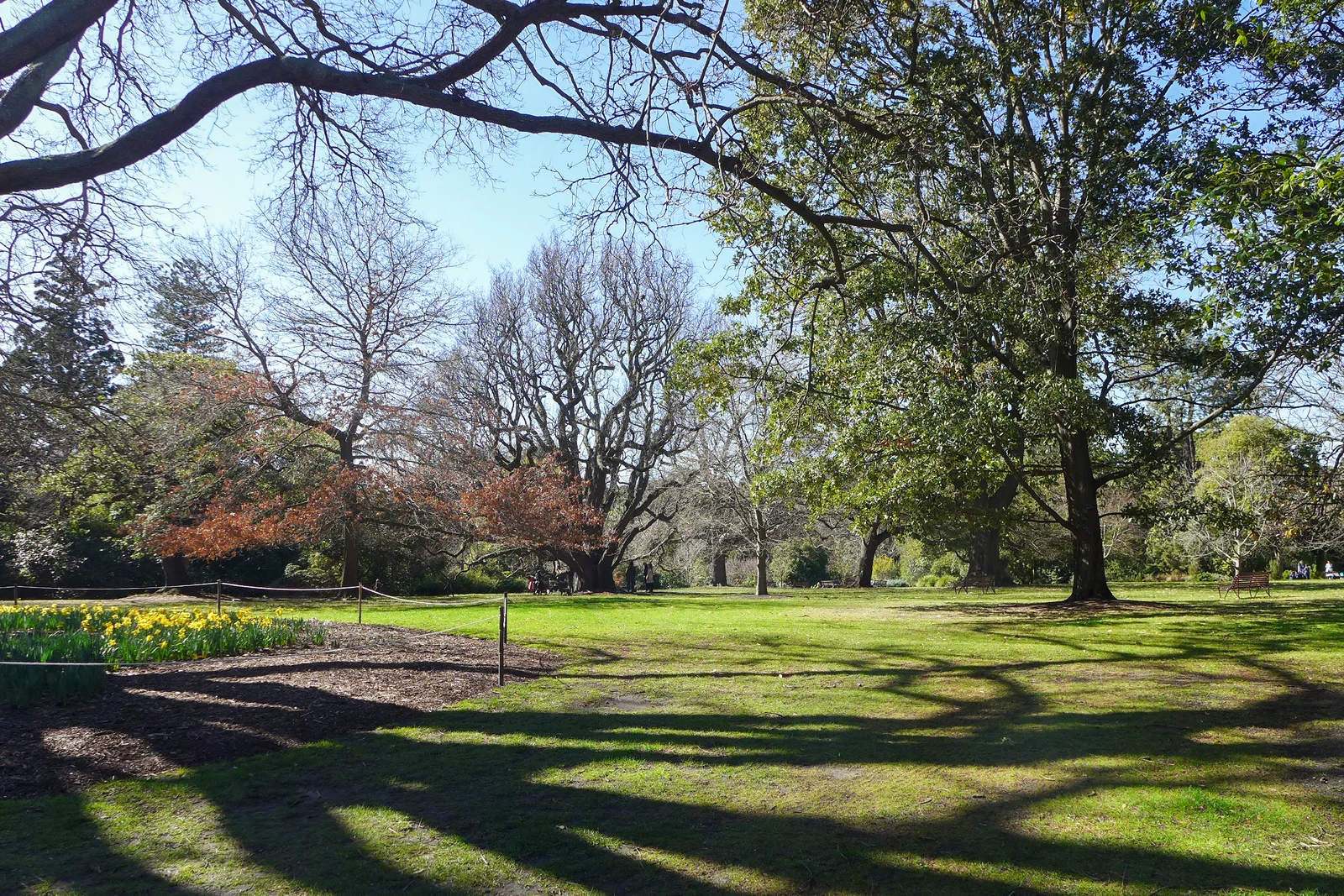
Royal Botanic Gardens Melbourne in Pictures
When to Visit
Gardens open 7:30 AM–sunset daily (approximately 5 PM winter, 8:30 PM summer). The Visitor Centre at Observatory Gate opens 9 AM–5 PM daily. Free volunteer-guided walks depart Tuesday and Thursday at 11 AM from the Visitor Centre (approximately 1.5 hours, no booking required). Aboriginal Heritage Walk: Saturdays at 11 AM (A$30 per adult, bookable in advance). Moonlight Cinema: November to March, Wednesdays to Sundays from 8 PM (ticketed, book well ahead). Enchanted Garden winter light festival: May to August selected weekends, evening entry from 6 PM.
Admission and Costs
Garden entry: Free. Volunteer-guided walks: Free. Aboriginal Heritage Walk: A$30 adults / A$15 children (approximately 2 hours). Moonlight Cinema: A$22–32 per person depending on session type, includes BYO picnic space. Enchanted Garden: A$22–27 per adult (winter night festival). Annual Friends membership (includes guided walk priority and newsletter): A$60 per year.
Tips for Visitors
Free guided volunteer walks: The Gardens' volunteer guide programme runs Tuesday and Thursday mornings from the Visitor Centre at 11 AM, covering the most significant collections in approximately 90 minutes at no cost. These guided walks are the most efficient way to understand the garden's layout and the stories behind individual specimens on a first visit.
Moonlight Cinema: The summer outdoor cinema season (November through March) is extremely popular — bookings typically sell out 2–3 weeks ahead for new releases. Book online as soon as the schedule is announced. Bring a picnic and arrive early; the lawns fill from late afternoon.
Children's Garden: The interactive garden for children under 12 requires free timed entry booking on weekends and school holidays — book on the day online. On weekday mornings in term time the Children's Garden is usually accessible without advance booking.
Frequently Asked Questions
Are the Royal Botanic Gardens Melbourne free to enter?
Yes, the Royal Botanic Gardens Melbourne is free and open to the public every day of the year. The gardens open at 7:30 AM and close at sunset, which varies seasonally from approximately 5 PM in winter to 8:30 PM in summer. Some special ticketed events — outdoor cinema screenings (Moonlight Cinema, November to March), the Enchanted Garden winter light festival, and private functions — require separate booking and payment, but all regular garden access, including the volunteer-led guided walks, is free of charge.
What guided tours are available at the Royal Botanic Gardens Melbourne?
The Friends of the Royal Botanic Gardens volunteer programme offers free guided walks on selected weekday mornings — typically Tuesdays and Thursdays at 11 AM from the Visitor Centre. These 1.5-hour walks are led by trained horticultural volunteers who can identify species, explain ecological relationships, and provide historical context for the Victorian-era planting design. The Aboriginal Heritage Walk, run by Koorie guides from Koorie Heritage Trust, explores the Jungle Walk and Ornamental Lake areas through a Boon Wurrung and Woiwurrung cultural lens; this tours runs on Saturdays at 11 AM and costs A$30 per adult, bookable through the Gardens or Heritage Trust directly.
What is the best time of year to visit the Royal Botanic Gardens Melbourne?
Spring (September to November) brings the most dramatic flowering across the rose garden, cherry blossom walk, and subtropical rainforest collection, with the Magnolia Walk near the observatory particularly spectacular in September. Autumn (March to May) turns the liquidambar and maple collections to vivid reds and oranges. Summer evenings under the Moreton Bay figs — when the gardens stay open until 8:30 PM and the Moonlight Cinema operates on summer Wednesdays through Sundays — provide a distinctively Melbourne outdoor experience. Winter is the quietest season and excellent for appreciating the evergreen garden structure and fern gully without summer crowds.