
Events Schedule
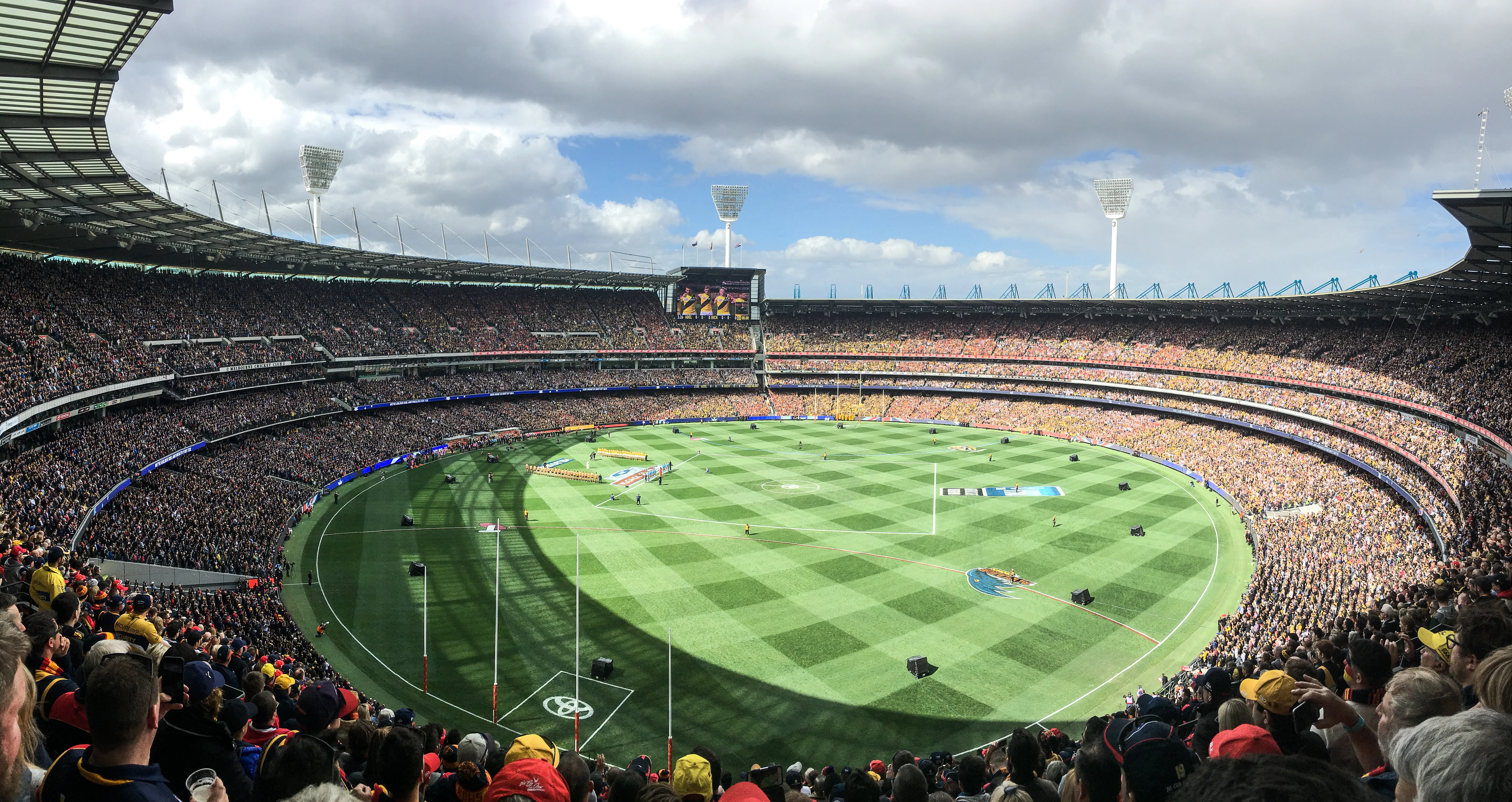
AFL Season (March–September): Approximately 30 home games for Melbourne's three MCG-based AFL clubs (Melbourne, Collingwood, Richmond) plus finals and the AFL Grand Final in late September. Grand Final tickets are allocated via membership and ballot; hospitality packages are available through the MCG.
Cricket Season (October–March): Domestic and international fixtures including Sheffield Shield, Big Bash League T20, and all Australian home Test matches scheduled for Melbourne. The Boxing Day Test (26 December) is the marquee event; public ticket sales open 4–6 months ahead. The New Year's Day ODI and T20 international fixtures are typically the most family-accessible cricket events at the MCG.
Major concerts: The MCG hosts 3–5 major concerts annually, typically in January and March, converting the oval into a concert floor of 60,000–80,000 capacity. Check the MCG Events calendar for announced shows.
Melbourne Cricket Ground in Pictures
When to Visit
MCG Tours operate on non-event days between 10 AM and 3 PM, with tours departing every 30 minutes from Gate 3, Olympic Stand. The National Sports Museum is open daily 10 AM–5 PM. Check the MCG website at least one day ahead to confirm no event is scheduled — tours are cancelled on all match days and on days with major stadium maintenance. The tour office closes by 2:30 PM regardless of posted hours. Allow 90 minutes for the combined tour and museum visit.
Admission and Costs
MCG Tour (includes MCC Museum entry): A$28 adults / A$15 children (5–15) / A$20 concession. National Sports Museum only: A$12–15 per adult. AFL match tickets: A$28–90 per adult depending on match, seating category, and opposition (MCG or Collingwood home game at full capacity command premium pricing). Boxing Day Test: A$30–120 per session day depending on stand and day of match. Book AFL and cricket tickets through Ticketek 4–8 weeks ahead for popular matches.
The Case for a Guide
- Dressing room stories — the players' rooms beneath the Members Pavilion are only accessible during tours; the guide's accounts of the rituals, superstitions, and preparation routines of Australian cricket and AFL teams are specific to this location and unavailable from any published source
- Olympic legacy — the 1956 Games are covered superficially in public knowledge; the guide's version includes the political boycotts, the blood-in-the-water water polo match, and the specific engineering challenges of converting a cricket oval into a 100,000-seat athletics stadium on a six-month deadline
- MCG superstitions — the Melbourne Cricket Club maintains several traditions that seem archaic from outside (the Long Room, the restricted Members Reserve, the dress code) but make more sense once a guide explains the 170-year social history that produced them
- AFL vs cricket season handover — the tour demonstrates the logistics of transitioning the ground between AFL and cricket surface management, a process involving the repositioning of the turf wicket squares and the adjustment of the drainage system — surprisingly interesting for people who have never thought about what happens under a cricket pitch
Tips for Visitors
Book MCG Tours well ahead in summer: The tours run only on non-event days, and the summer cricket schedule reduces available tour days significantly between October and March. Check the MCG website at least one week ahead and confirm no event is scheduled before making travel plans around a specific tour day.
AFL match day logistics: For AFL home games, trains to Jolimont Station (2 minutes from Flinders Street on the Lilydale/Belgrave line) are by far the fastest option. The walk from the city via Birrarung Marr takes 25 minutes but involves extremely crowded shared paths after the match — plan the return journey via the train.
Boxing Day Test tickets: Public sales typically open in August for the December Test — buy early for Day 1 which regularly sells 90,000+ tickets. Day 3 and Day 4 are generally the most affordable and least crowded while still offering excellent cricket atmospherics.
Frequently Asked Questions
Can you visit the Melbourne Cricket Ground when there is no game on?
Yes, the MCG Tour programme operates year-round on days when no match or event is scheduled, running daily between approximately 10 AM and 3 PM with guided tours departing every 30 minutes. The tour accesses the playing arena, the Long Room and Members Pavilion, the Olympic stand, players' dressing rooms, and the MCC Museum — areas closed to the public on match days. The National Sports Museum within the MCG is also open daily and can be combined with a guided tour for a comprehensive sports history experience. Check the MCG website for non-tour days, which include major AFL and cricket fixtures.
What events does the MCG host throughout the year?
The MCG's schedule divides clearly by season: AFL Australian Rules football from March through September, with most Melbourne team home games and the AFL Grand Final in late September drawing capacity crowds. Test cricket and One-Day Internationals from October through March, including the Boxing Day Test (26 December) which is one of the most-attended cricket fixtures in the world — the 2023 Test drew over 350,000 across five days. The stadium also hosts major concerts, international soccer matches, Rugby World Cup games, and community events. The AFL Grand Final draws the full 100,024 capacity; most regular fixtures sell between 40,000 and 80,000 tickets.
What is the MCC Museum at the MCG?
The Melbourne Cricket Club (MCC) Museum is housed within the MCG and covers the history of cricket in Australia and Victorian sporting culture from the 1850s to the present. The collection includes the original Ashes urn replica, Don Bradman memorabilia, significant AFL artefacts from Collingwood, Richmond, and Melbourne Football Club, and the equipment and records from the 1956 Melbourne Olympics. Entry to the museum is included in the MCG Tour ticket. On non-tour days, museum-only entry is available for A$12–15 per adult. The museum is open daily 10 AM–5 PM, though some sections close during major events.