
Country guide
What makes Australia a must-visit destination?
Australia sprawls across an entire continent, encompassing desert Outback, tropical rainforest, alpine peaks, and 60,000 kilometres of coastline. Its cities — Sydney, Melbourne, Brisbane, Perth, and Adelaide — are regularly ranked among the world's most liveable, balancing outdoor culture with world-class arts, cuisine, and architecture. Beneath the contemporary surface lies one of humanity's oldest living cultures: Aboriginal and Torres Strait Islander peoples whose songlines, art, and ecological knowledge represent a civilisational achievement unlike any other.
English is the dominant language, making Australia among the most accessible long-haul destinations for international visitors. But a knowledgeable local guide adds dimensions that no guidebook can replicate — whether reading the ancient petroglyphs at Murujuga, identifying endemic birds in Lamington National Park, or navigating the insider dining scene of Brisbane's underrated food precinct.
- Language
- English Widely spoken across Australia
- Currency
- Australian dollar (A$) Legal tender across Australia
- Time zone
- UTC+8 to +11 Local time in Australia
- Power plugs
- Type I · 230V Sockets used across Australia
- Getting around
- Domestic flights & road trips Getting between Australia's cities
- Best months
- Feb, Mar, Apr, May, Jun, Jul, Aug, Sep, Oct, Nov Averaged across Australia's city ratings
Australia timeline
- c. 50000 BCE
Aboriginal cultures established
Continuous Aboriginal presence gives Australia a much deeper timeline than colonial port histories alone.
-
First Fleet arrives
British colonization began at Sydney Cove, a date guides frame alongside much older Aboriginal histories.
-
Federation forms Australia
The colonies joined as a Commonwealth, giving Canberra and national institutions their context.
-
Referendum changes rights
The constitutional referendum became a key marker in modern Indigenous rights history.
-
Mabo decision
The High Court recognized native title, changing how heritage places and land stories are interpreted.
-
Sydney hosts the Olympics
The Games renewed global attention on Australian cities, harbours, and event infrastructure.
Australia in Pictures
Local context
Culture and travel signals
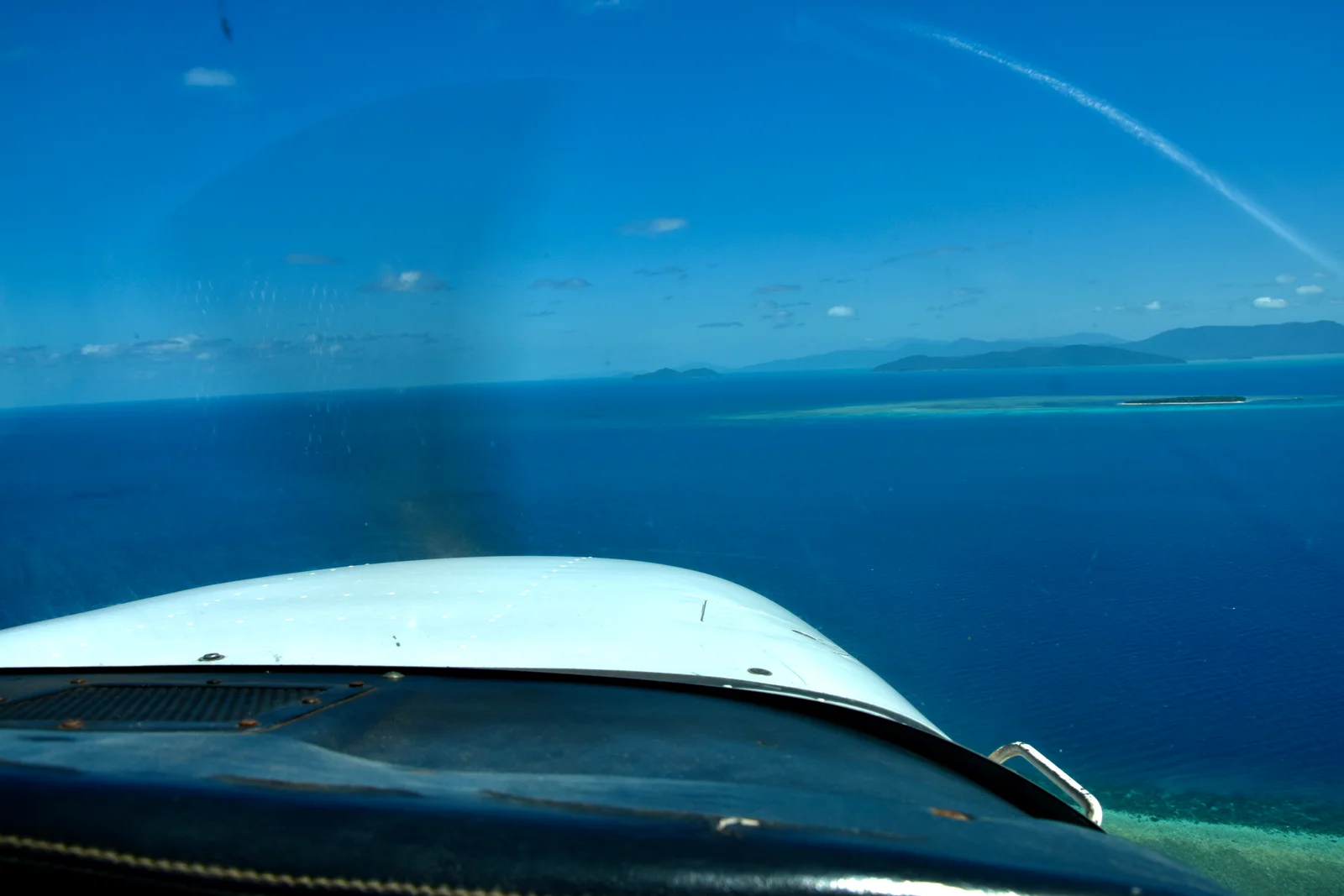
The Great Barrier Reef is the world's largest living structure at over 2,300 kilometres long
Visible from space and containing more biodiversity than the entire European continent, this UNESCO World Heritage Site supports 1,500 fish species, 4,000 mollusc species, and provides habitat for six of the world's seven marine turtle species — though coral bleaching events driven by climate change have affected 50% of its coral since 2016
Australia's Indigenous peoples have the world's oldest continuous cultures, dating back over 65,000 years
Aboriginal and Torres Strait Islander Australians developed an intricate knowledge system of land, navigation, medicine, and astronomy long before any other civilisation left written records — a heritage that expert cultural guides in places like Uluru, the Kimberley, and Kakadu can share with extraordinary depth
Australia is home to over 80% of its plant and animal species found nowhere else on Earth
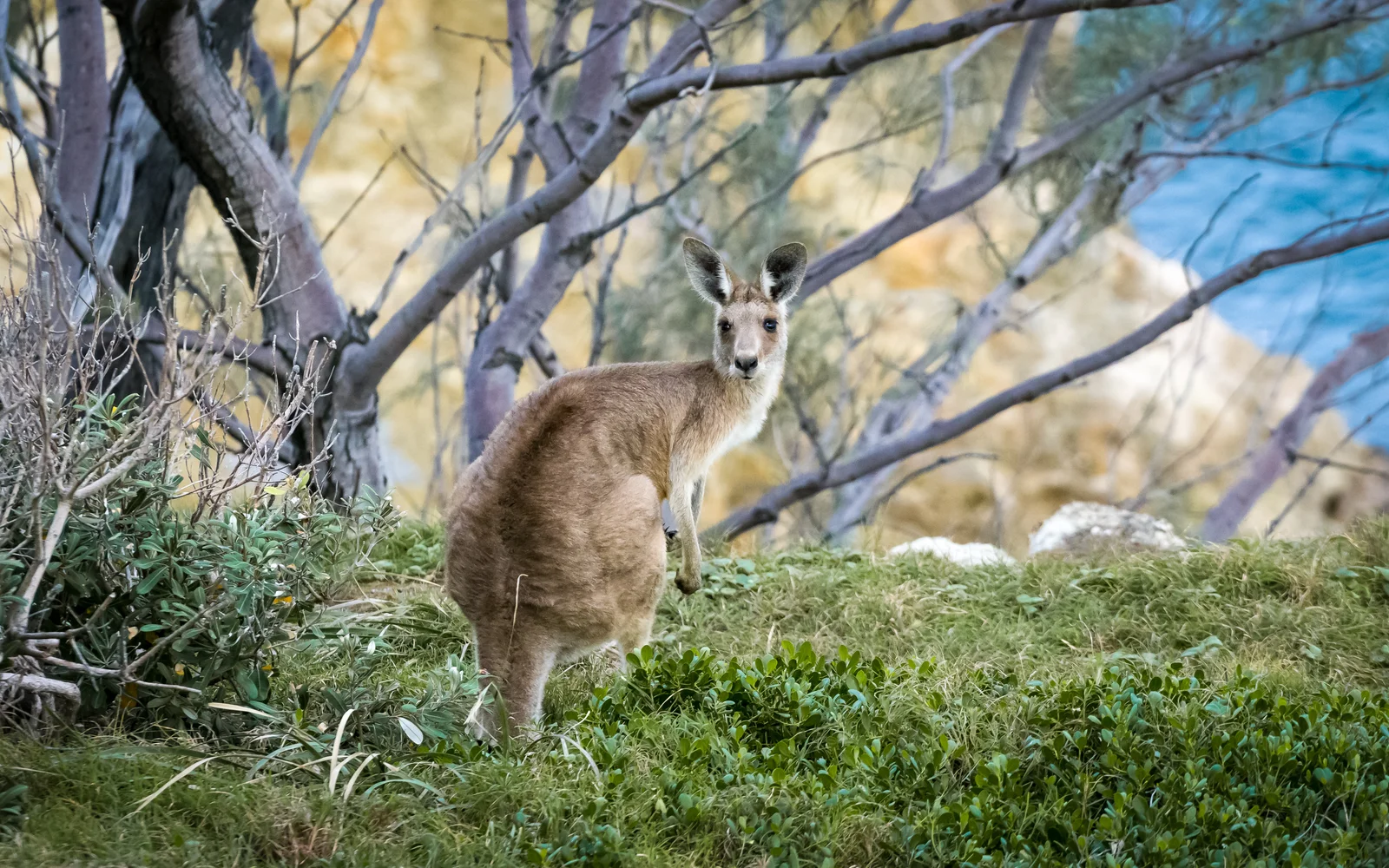
Continental isolation for 35 million years produced an ecosystem of radical uniqueness — kangaroos, wombats, platypuses, and 55 species of venomous snake that evolved without competition from placental mammals, resulting in adaptations that still astonish biologists
Brisbane will host the 2032 Summer Olympic Games
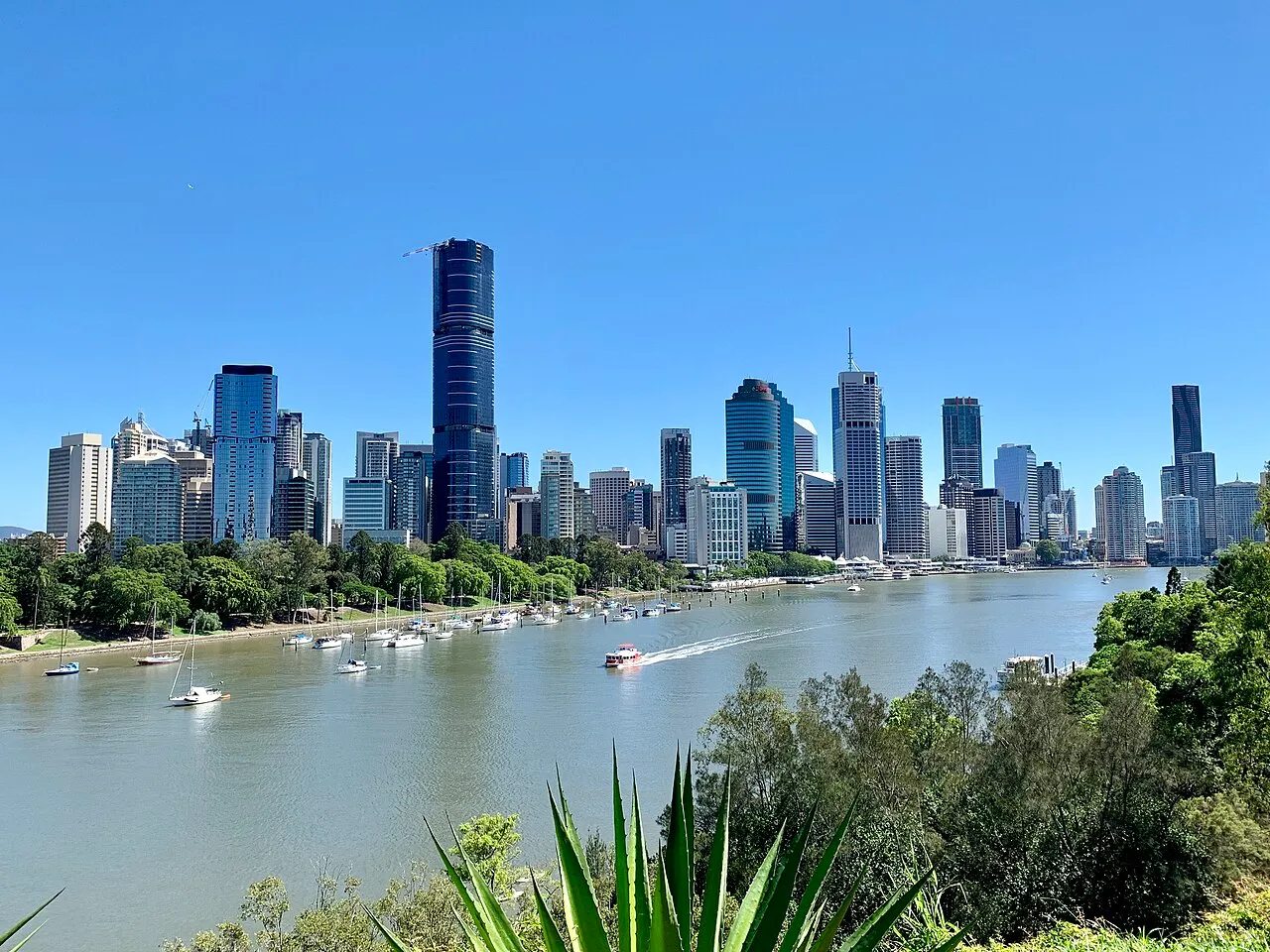
The Games are expected to transform Brisbane's South Bank precinct, Fortitude Valley, and the broader Queensland sports infrastructure, making the city a showcase for subtropical urbanism and one of the most connected and walkable capitals in the southern hemisphere
Source: tour-guide.com — Free to cite with attribution
Season planner
A year in Australia
Use this best time to visit snapshot as a country-wide average, then check the city guides for local timing.
Mar-May
Spring
Spring is Australia's strongest guide window — Mar-May (4.7/5) across its cities.
Jun-Aug
Summer
Summer holds up well for guided travel in Australia, averaging Jun-Aug (4/5).
Sep-Nov
Autumn
Autumn holds up well for guided travel in Australia, averaging Sep-Nov (4.3/5).
Dec-Feb
Winter
Winter stays workable in Australia at Dec-Feb (3.3/5), so lean on city-by-city timing.
Where should you go in Australia?
Queensland
Brisbane anchors the Sunshine State's cultural and economic life, a subtropical river city that has transformed its industrial waterfronts into celebrated public spaces. South Bank Parklands lines the Brisbane River with museums, a man-made beach, and restaurants, while the Queensland Museum houses one of the southern hemisphere's finest natural history collections. The Story Bridge offers one of Australia's most dramatic urban adventure experiences — guided climbs at dawn deliver panoramic views over the river bends and Moreton Bay. An hour south of the city, the Lone Pine Koala Sanctuary offers encounters with Australia's most beloved marsupials in a well-managed wildlife setting.
New South Wales & Victoria
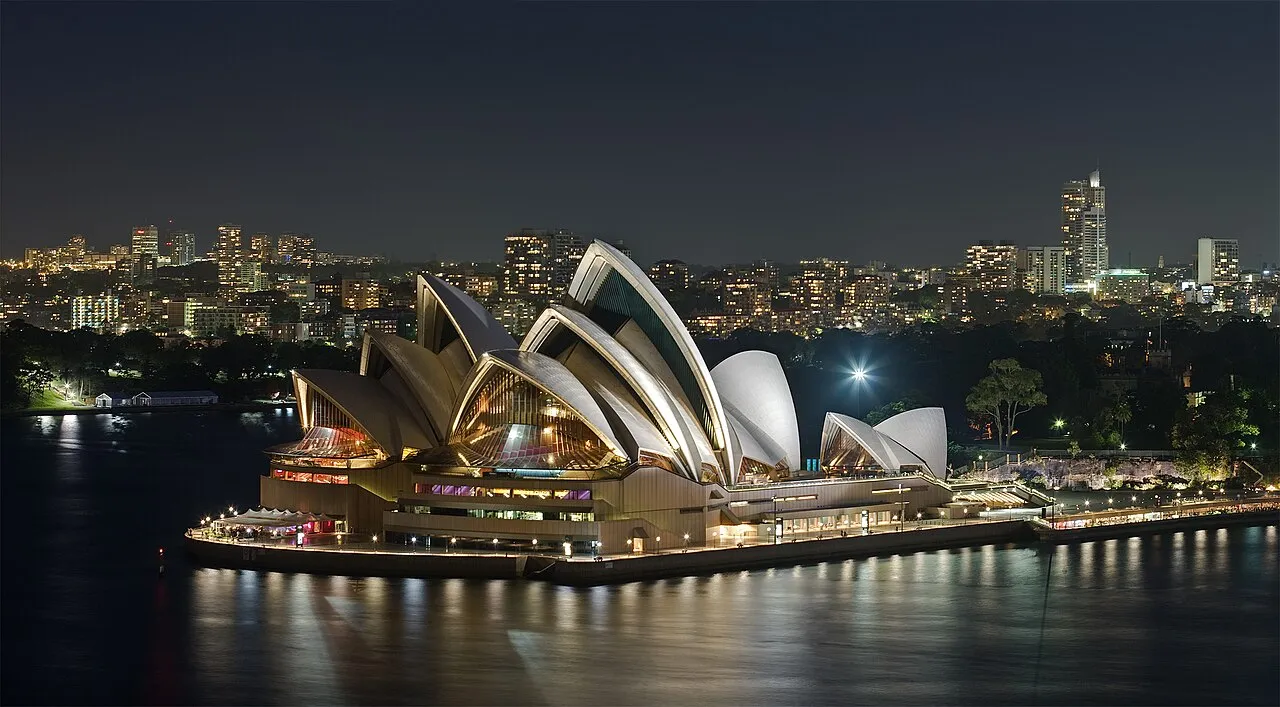
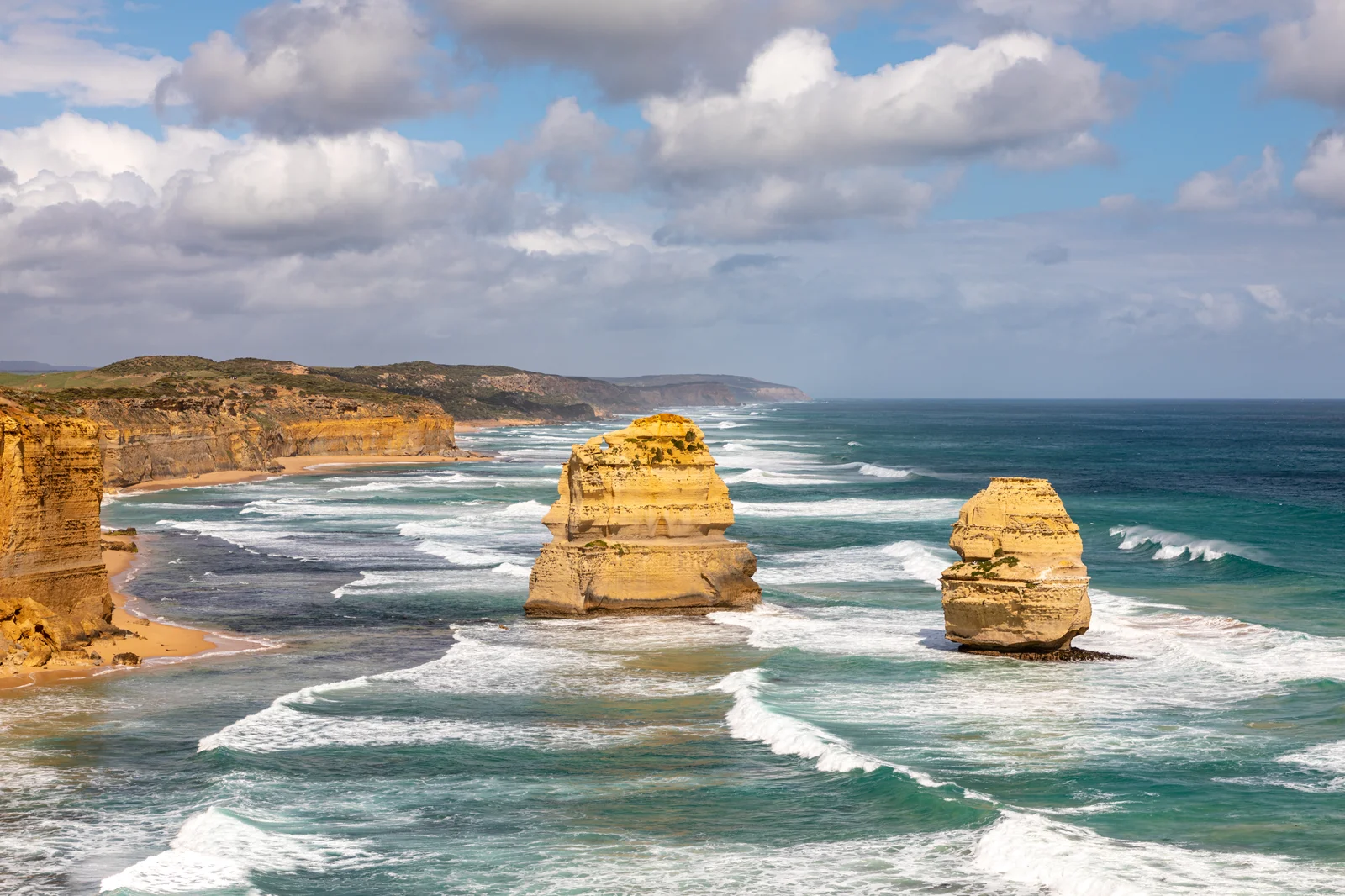
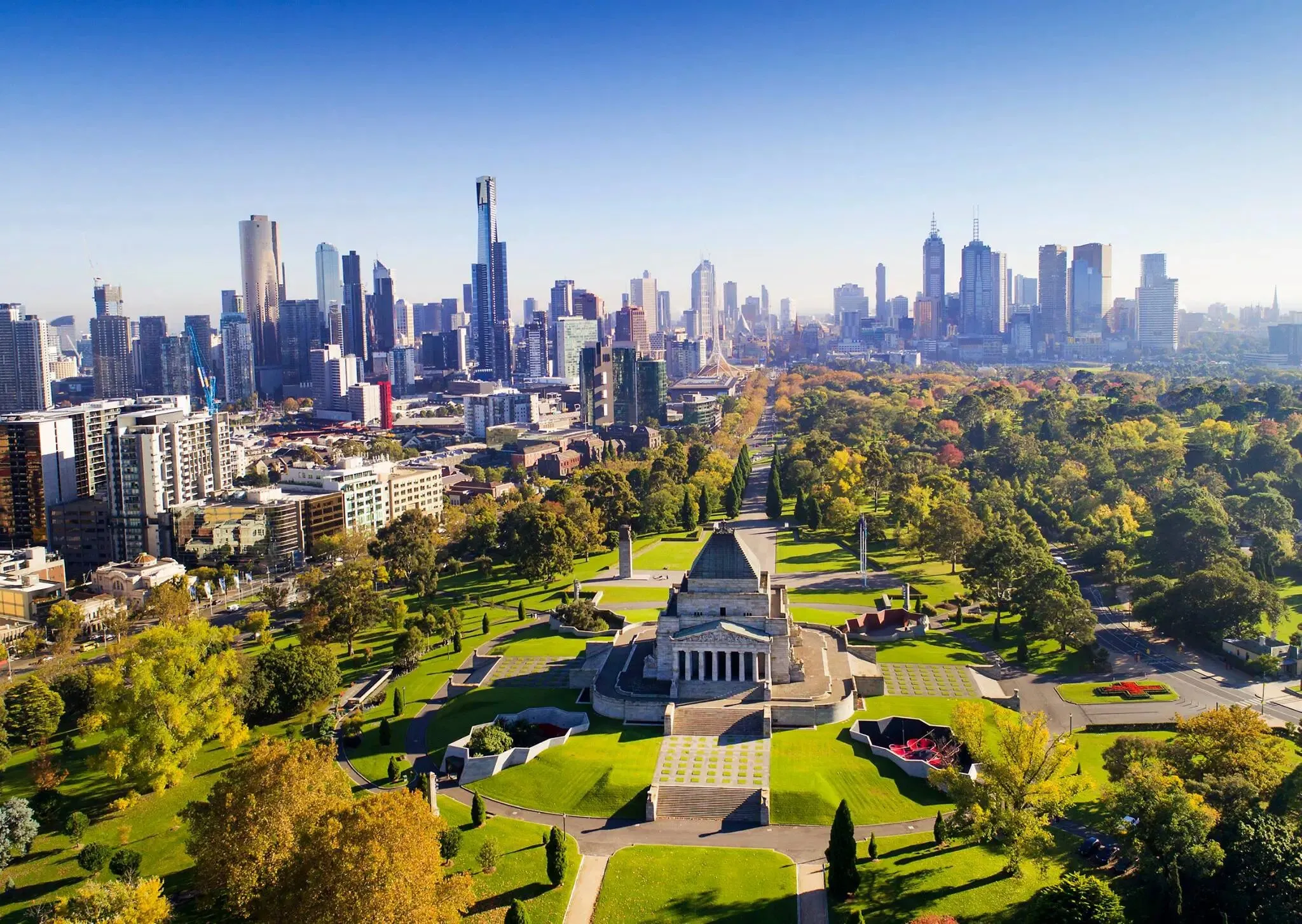
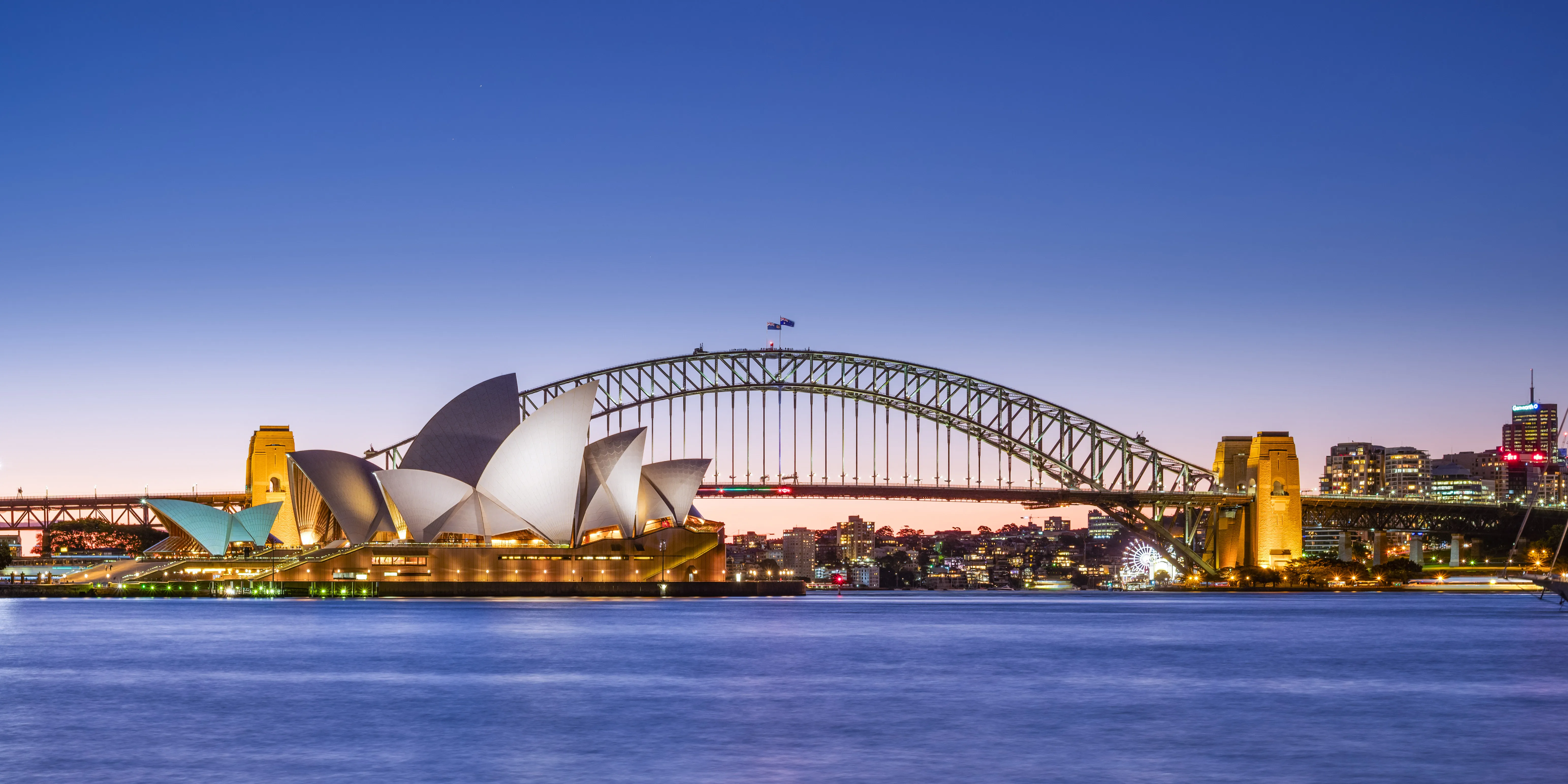
Sydney's Opera House and Harbour Bridge define one of the world's great urban panoramas, while Melbourne's laneway café culture, street art, and world-class galleries give it a creative edge that locals debate passionately. The Blue Mountains west of Sydney and the Great Ocean Road south of Melbourne offer guided day-trip experiences of remarkable scenic power.
The Centre & the North
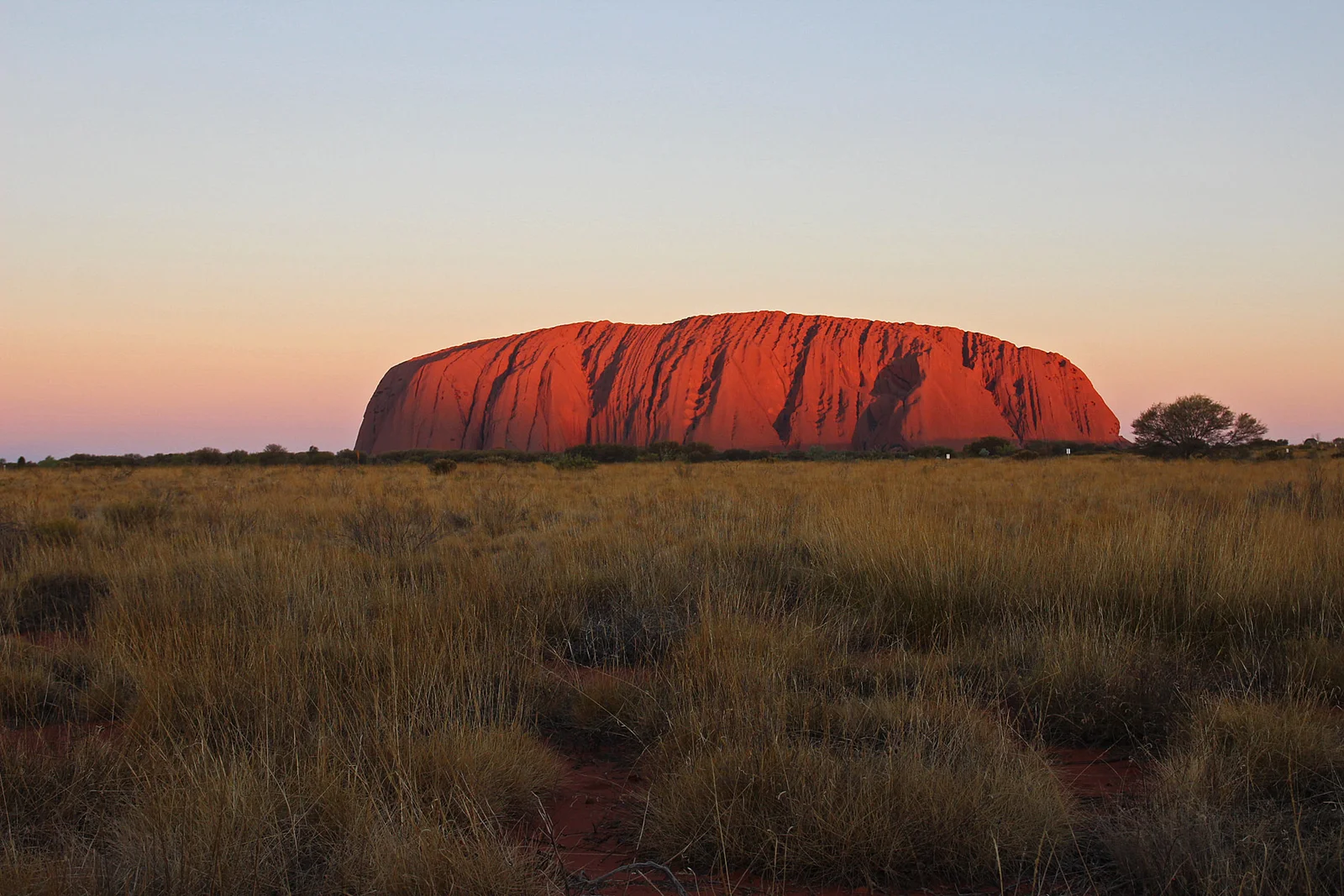
Uluru-Kata Tjuta National Park is Australia's spiritual heartland, where Anangu guides lead night sky and cultural walks across a landscape of profound significance. Cairns serves as the gateway to the Great Barrier Reef and the ancient Daintree Rainforest, where Indigenous rangers offer immersive experiences in one of the world's oldest tropical ecosystems.
Must-see attractions across Australia
Jump past the planning and straight to what makes Australia memorable, city by city. A guided visit is where the specifics click into place.
What do visitors need to know about Australia?
Finding a Guide
- Ecotourism Australia accredits guides who meet standards for environmental sustainability and cultural sensitivity — a useful filter when booking reef, rainforest, or Outback experiences
- Indigenous cultural tours — seek operators endorsed by peak bodies like the First Nations Tourism Council to ensure authentic, community-approved experiences and appropriate revenue distribution
- National parks in Queensland, New South Wales, and Victoria list accredited operators on their websites; particularly important for the Great Barrier Reef, Kakadu, and Uluru
- GetYourGuide and Viator offer vetted city walking tours and day trips in all major cities
Typical Costs
| Tour Type | Price Range |
|---|---|
| City walking tour (2 hrs) | A$30–60 per person |
| Private full-day guide | A$300–600 (up to 6 people) |
| Indigenous cultural experience | A$80–200 per person |
| Great Barrier Reef day tour | A$120–300 per person |
| Story Bridge climb (Brisbane) | A$99–149 per person |
Must-See Experiences
- Sydney Opera House and Harbour Bridge — iconic silhouette, architecture tours, and bridge climbs
- Great Barrier Reef — snorkelling and diving from Cairns or the Whitsundays
- Uluru at sunrise and sunset — guided Anangu cultural walks around the base
- Daintree Rainforest — the oldest tropical rainforest on Earth with Indigenous ranger walks
- South Bank Parklands — Brisbane's riverside public space with museums and a beach
- Lone Pine Koala Sanctuary — hold a koala and meet wombats, kangaroos, and Tasmanian devils
- Melbourne laneways — street art, espresso culture, and hidden bars in a city of unexpected intimacy
- Great Ocean Road — Twelve Apostles, rainforest gullies, and surf towns along Victoria's wild coast
Tips for Visitors
- Sun protection — Australia has the world's highest UV radiation levels; SPF 50+ sunscreen, hats, and rash vests are non-negotiable outdoors
- Wildlife awareness — saltwater crocodiles inhabit northern waterways year-round; always follow warning signs
- Distances — Australia is continent-sized; domestic flights between cities save days of driving and are often surprisingly affordable
- Tipping — not mandatory but appreciated; 10% is generous for exceptional guides
- Currency — Australian Dollar (AUD/A$); contactless card payments are near-universal
- Driving — left-hand traffic; distances on Outback highways are enormous, so fuel up at every opportunity
- Stingers — jellyfish are present in northern Queensland waters from November through May; swim only in netted areas
- Reef etiquette — never touch coral, stand on reef, or remove shells; reef ecosystems are fragile and legally protected
Frequently Asked Questions
What is the best time to visit Australia?
Australia's vast size means there is always somewhere in optimal condition. Sydney and Melbourne shine from September through November (spring) and March through May (autumn), when temperatures hover between 18 and 26 degrees and the humidity that grips the coast in January and February eases. Tropical Queensland — including the Daintree Rainforest, the Whitsundays, and Cairns — is best visited during the dry season from May through October, which avoids the monsoonal wet season and stinger season on the reef. The Red Centre around Uluru is best from April through September when temperatures are manageable rather than scorching. Brisbane is subtropical and pleasant year-round, peaking from June through August for outdoor events.
How much does a tour guide cost in Australia?
Group walking tours in major cities typically cost A$30–60 per person for a two-hour experience. Private full-day guides in Sydney or Melbourne run A$300–600 for up to six people. In the Outback and national parks, accredited Indigenous cultural guides charge A$80–200 per person for half-day experiences. Great Barrier Reef snorkel and dive tours from Cairns or the Whitsundays range from A$120 to A$300 per person including equipment hire. In Brisbane, guided climbs of the Story Bridge cost A$99–149 per person, while the Lone Pine Koala Sanctuary and South Bank Parklands can be explored independently or with a guided tour.
Do I need a visa to visit Australia?
Most visitors require an Electronic Travel Authority (ETA) or a Tourist Visa (subclass 600), both of which can be applied for online before departure. Citizens of the United States, Canada, the United Kingdom, and most EU countries are eligible for the ETA, which is typically granted within minutes. New Zealand citizens have automatic right of residency. Always check the Australian Department of Home Affairs website for the most current requirements for your nationality.