
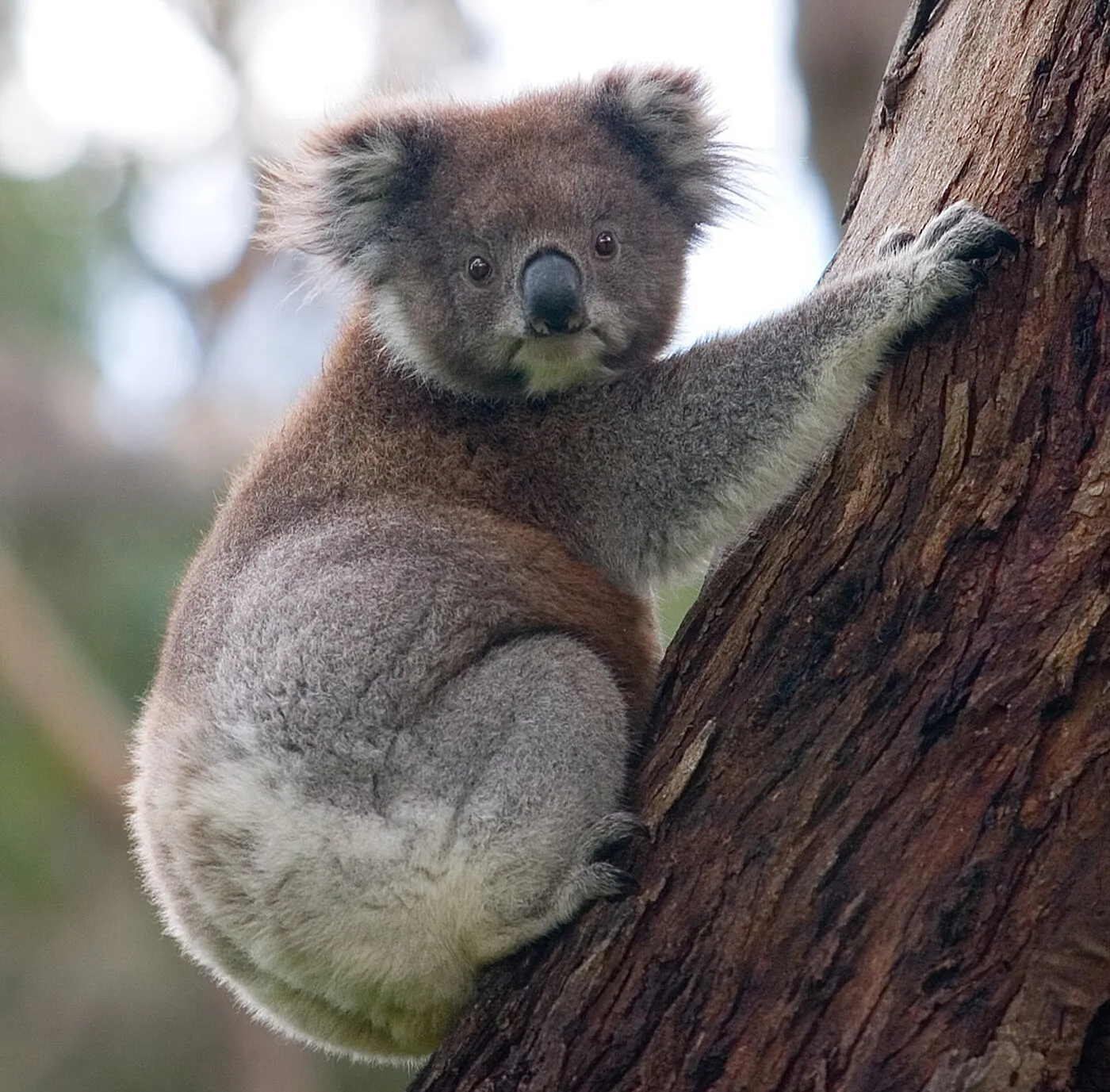
Tips for Visitors
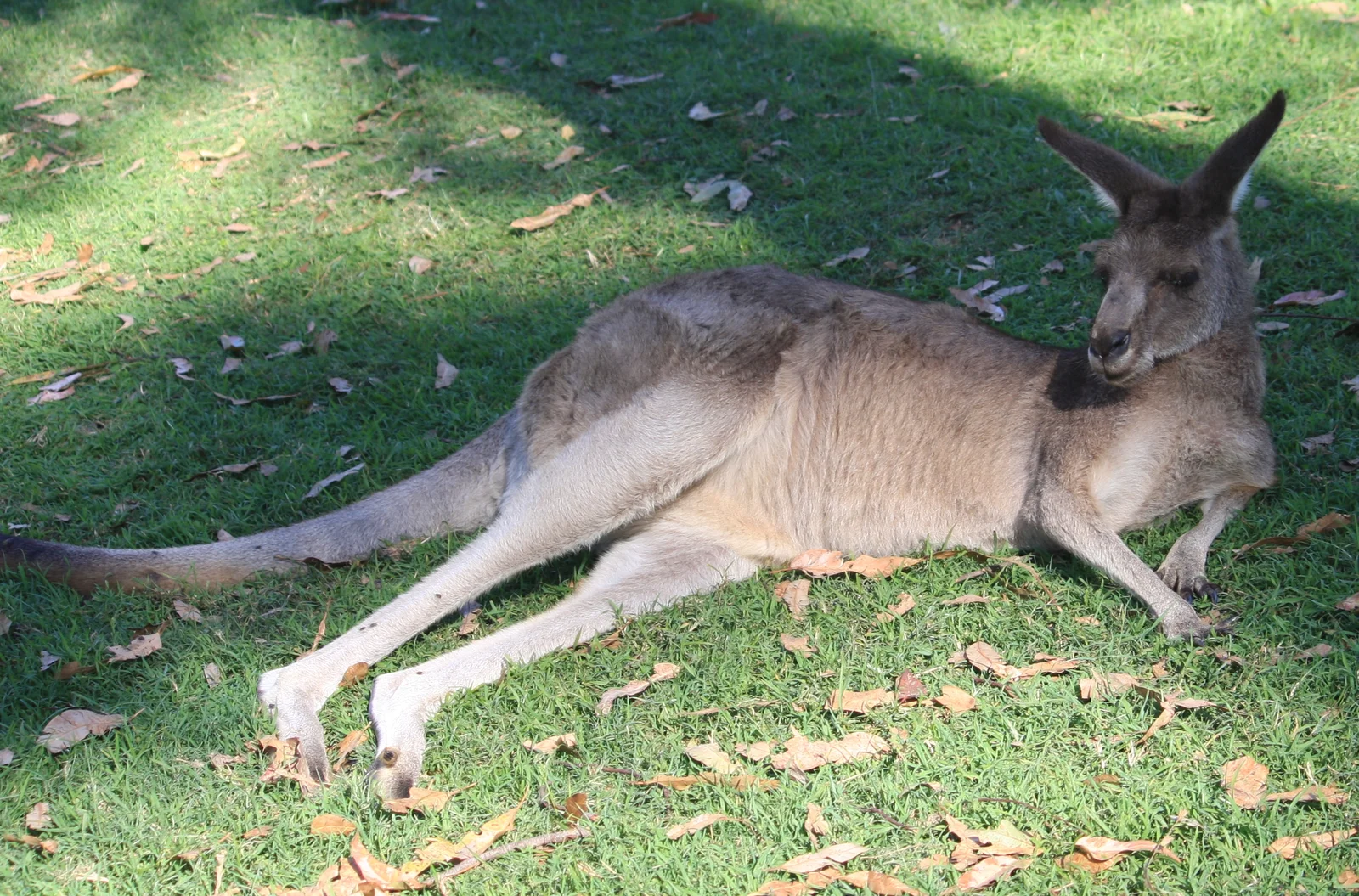
Arrive on the MV Mirimar river cruise from North Quay — the 75-minute journey along the Brisbane River is a genuine pleasure and arrival by water adds a theatrical dimension to the day. Book the koala-hold experience as soon as you arrive to claim a slot before the midday queue builds. The kangaroo field is best in the late afternoon when the animals are more active and the light is softer for photographs — early arrivals often find the roos sleeping under the trees. Wear flat shoes suitable for walking on grass. The wombat keeper talk (posted on the daily programme board) is consistently cited by visitors as unexpectedly entertaining; wombats' territorial stubbornness and cube-shaped droppings provide material that even reluctant adults find compelling.
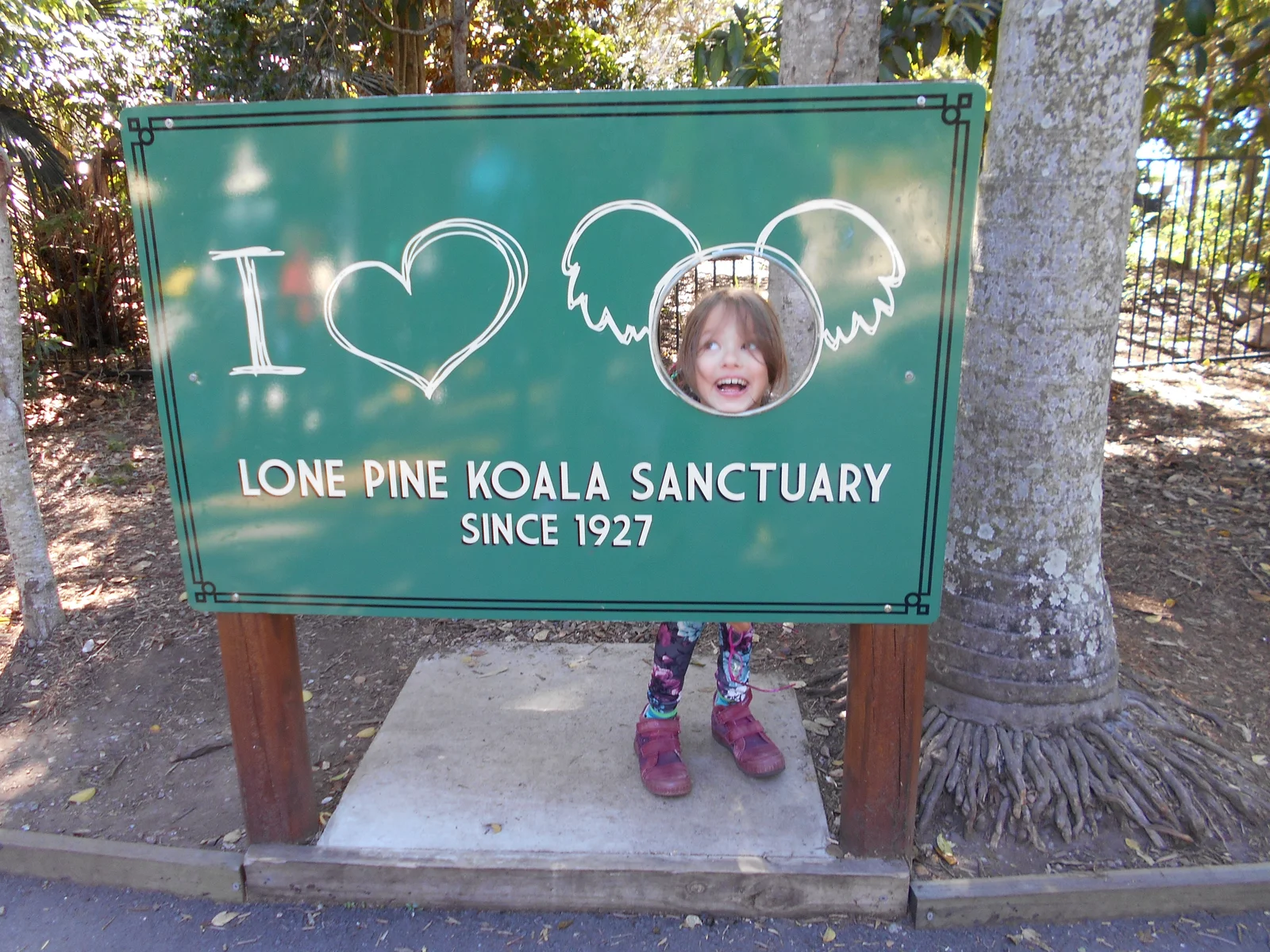
Lone Pine Koala Sanctuary in Pictures
When to Visit
Open daily 9 AM to 5 PM, 365 days a year (except Christmas Day). Koala-hold experience: operates throughout the day in scheduled sessions; book on arrival or in advance to avoid the queue during peak periods (10:30 AM–2 PM). Birds of prey show: approximately 11 AM and 2 PM daily; check the daily programme board at the entrance. MV Mirimar river cruise: departs North Quay at 10 AM, arrives Lone Pine approximately 11:15 AM; return cruise departs 1:45 PM, arrives North Quay approximately 3 PM. Weekday visits outside Queensland school holidays are notably quieter than weekends and holiday periods.
Admission and Costs
General admission: A$45 adults, A$35 children (3–15), A$130 family (2 adults + 2 children). Koala-hold photo experience: A$30 extra (includes a printed or digital photo). MV Mirimar river cruise: approximately A$55–75 per adult return (includes narrated commentary; sanctuary entry separate). Bus 445 is included in standard Brisbane TransLink fares (approximately A$4 each way with a go card). Parking: Free on-site. Café and gift shop on-site; budget A$15–25 for lunch.
The Case for a Guide
- Koala biology — a keeper or guide explains why koalas sleep 18 to 22 hours per day (their eucalyptus diet requires enormous energy to detoxify), what distinguishes different eucalyptus species preferred by individual animals, and the conservation status and threats facing wild Queensland koala populations
- Marsupial reproduction — the difference between placental and marsupial mammal development is most vivid when explained at the kangaroo field, where visible pouched joeys demonstrate the extraordinary post-birth development cycle
- Conservation programme — guides connect the animals in front of you to Lone Pine's actual breeding and release records, creating a link between the individual animals and Queensland's broader wildlife conservation story
- Species identification — the raptor show is significantly more informative with a knowledgeable keeper explaining the ecological roles of each bird and how they hunt in the wild
Frequently Asked Questions
Can I hold a koala at Lone Pine?
Yes — Lone Pine is one of a small number of Queensland facilities where visitors can hold a koala and have a photo taken, an experience not permitted in most other Australian states. The koala-hold experience costs A$30 in addition to the general admission fee and must be booked on arrival or in advance. Koalas are rotated through the holding experience to ensure each animal spends limited time with visitors; keepers monitor their comfort and will withdraw any koala showing stress.
How do you get to Lone Pine from Brisbane?
The most enjoyable route is the MV Mirimar river cruise from North Quay at 10 AM — a 75-minute journey downstream along the Brisbane River that includes commentary on the city's waterfront, wildlife along the riverbanks, and arrival directly at the sanctuary's private jetty. The return cruise departs at 1:45 PM. Alternatively, bus 445 departs from Cultural Centre terminal near South Bank approximately every 30 minutes and takes around 40 minutes. Uber and taxis reach the sanctuary directly from any Brisbane address in 25–40 minutes.
How long should I spend at Lone Pine?
Allow 2 to 3 hours for a thorough visit covering the koala enclosures, the free-ranging kangaroo fields, the raptor show, wombat enclosure, Tasmanian devil, and Australian reptile and bird aviaries. The koala-hold experience typically requires 20–30 minutes of waiting during peak visitor periods. Most visitors arrive on the 10 AM river cruise and depart on the 1:45 PM return, spending approximately 2.5 hours at the sanctuary.