
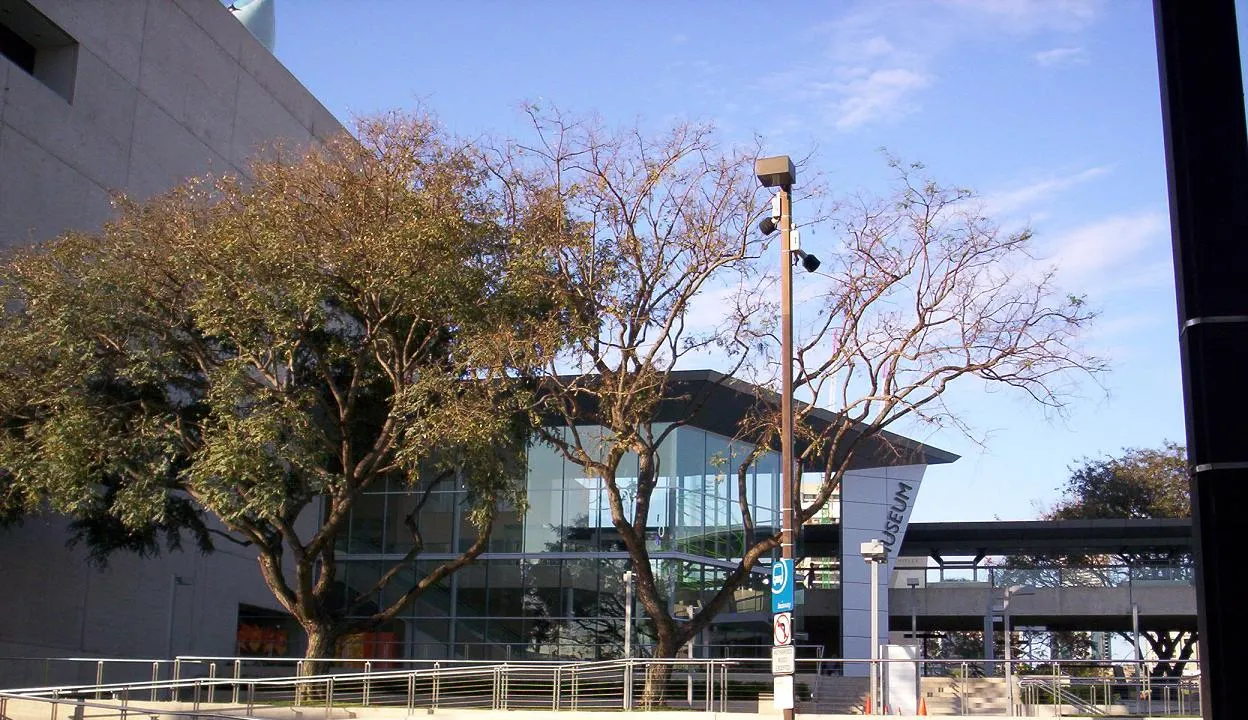
Tips for Visitors
The museum's roof terrace café is one of South Bank Parklands' least-known pleasant spots for a coffee break, with views over the Brisbane River and across to the CBD. Download the free museum app before arrival — it provides audio commentary for the megafauna gallery that exceeds the brevity of the posted labels. Combine the Queensland Museum with the adjacent Gallery of Modern Art (GOMA) — together they anchor a full day at South Bank without backtracking. The museum shop carries an unusually good selection of Australian natural history and Indigenous art books; it's one of Brisbane's better specialist bookshops.
Queensland Museum in Pictures
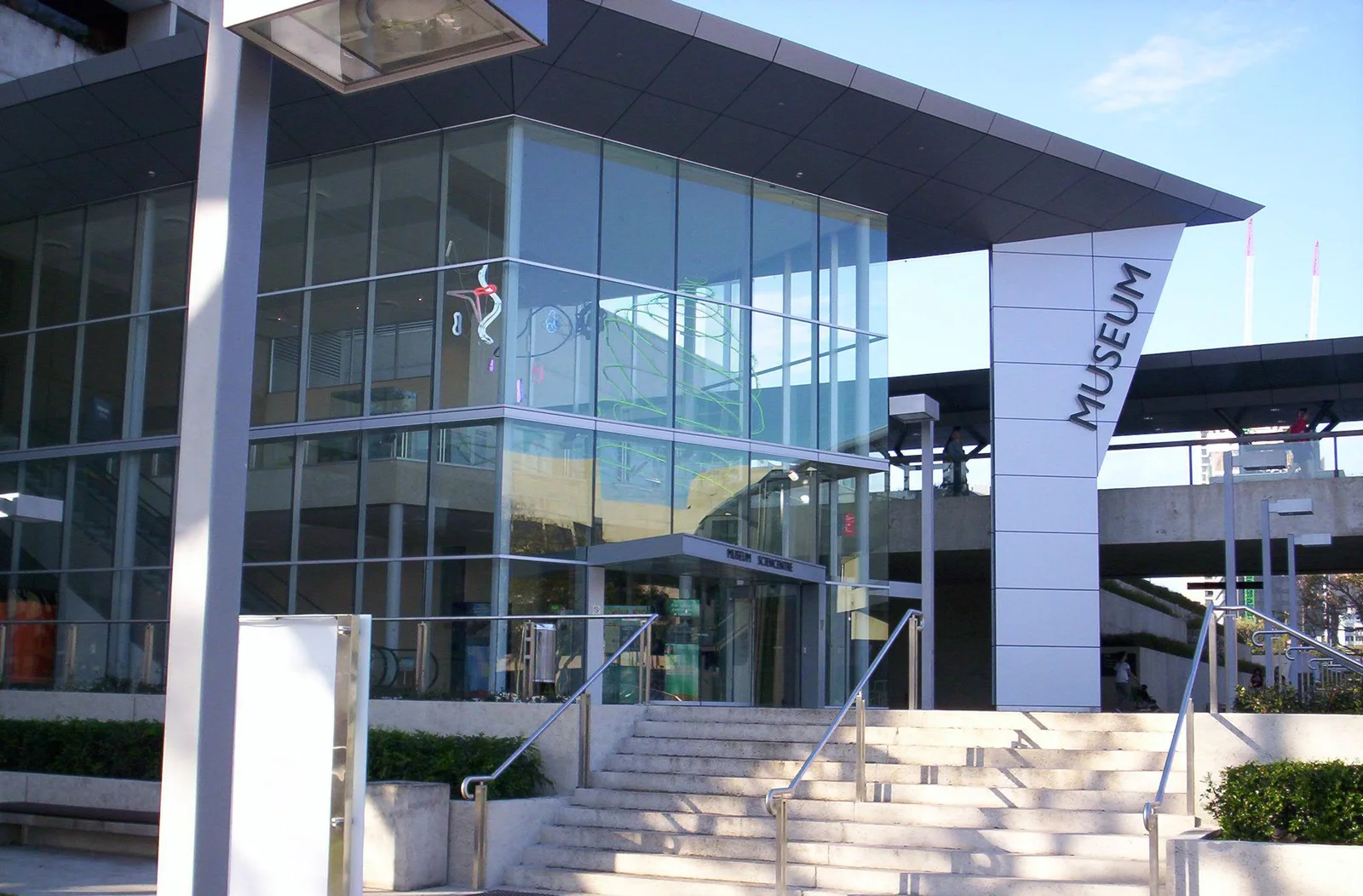
When to Visit
Open daily 10 AM to 5 PM, year-round. Free entry for all permanent galleries; ticketed special exhibitions vary. The Sciencentre (interactive children's section): A$19.50 adults, A$16.50 children 4–14, A$64 family. Best time: Tuesday and Wednesday mornings are the quietest periods for the permanent galleries. School holiday periods (January, April, July, September–October) see significant family crowds in the Sciencentre and megafauna galleries — arrive at opening time to secure access. The permanent galleries never close for capacity, so any time works for the main collections.
Admission and Costs
Permanent galleries: Free. Sciencentre (interactive): A$19.50 adult, A$16.50 child (4–14), free under 4, A$64 family. Ticketed special exhibitions: A$20–35 per person (check website for current exhibitions). Museum café: Standard prices, A$5–15 for snacks and coffee. Museum shop: Excellent natural history gifts, books, and Queensland-made products. Combined family day with Sciencentre and a special exhibition might reach A$80–130 for two adults and two children — still excellent value compared to most city attractions.
The Case for a Guide
- Megafauna connections — a guide contextualises Australia's extinct megafauna within the global Pleistocene extinction story, explaining the ongoing scientific debate between climate-change and human-hunting hypotheses
- Indigenous collection context — the Torres Strait Islander and Aboriginal galleries contain objects of deep cultural significance; a guide with appropriate knowledge explains their ceremonial and social roles with the sensitivity the objects deserve
- Queensland natural history — the state's biological peculiarities (cassowaries, lungfish, platypus, and the largest remaining populations of several bird species) become vivid when a guide connects the museum specimens to living wildlife in accessible locations
- Dinosaur discoveries — understanding where and how Queensland's dinosaur fossils were found, and what they reveal about Australia's position during the Cretaceous, transforms mounted specimens from impressive bones into scientific evidence
Frequently Asked Questions
Is the Queensland Museum free?
General entry to the Queensland Museum is free, including the permanent galleries covering natural history, Queensland's history, Indigenous cultures, and the popular dinosaur hall. Temporary and travelling special exhibitions typically charge A$20–35 for adults. Free entry and the museum's central South Bank location make it among Brisbane's best rainy-day and family options — allow at least 2 to 3 hours for the permanent galleries alone.
What are the best exhibits in the Queensland Museum?
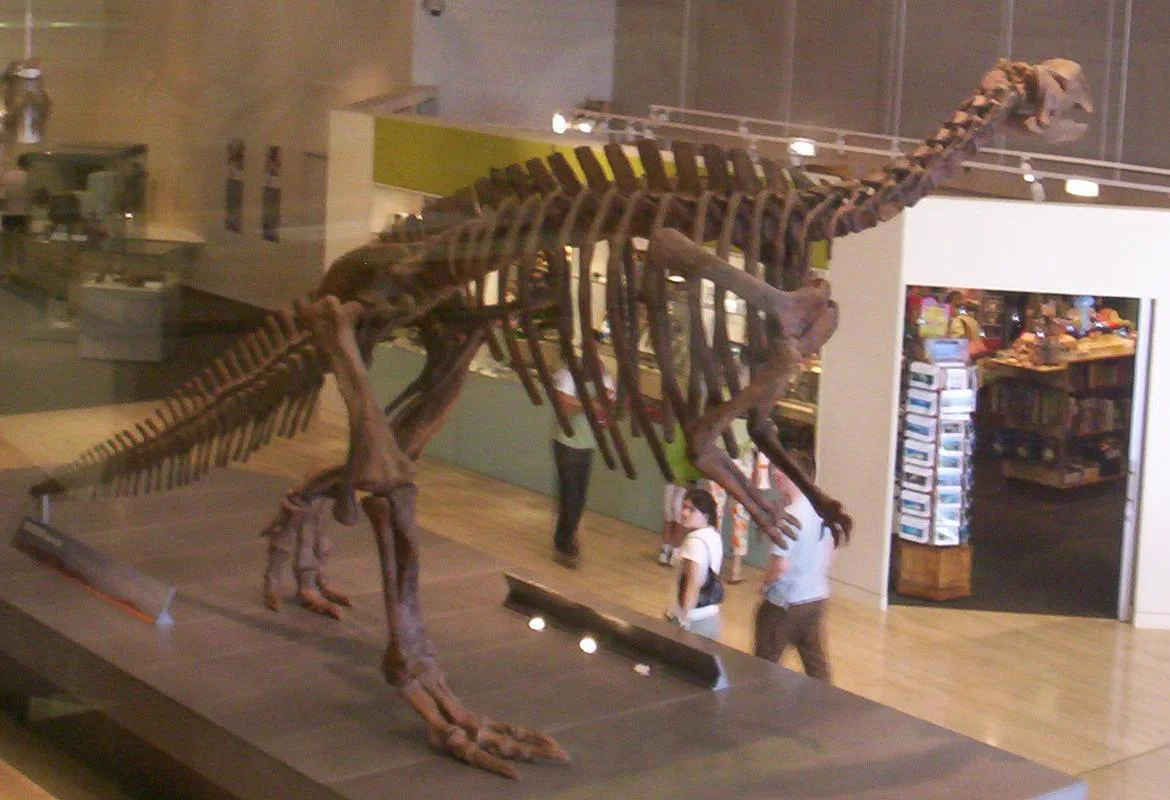
The highlight for most visitors is the natural history section with its mounted specimens of Queensland megafauna — the giant wombat Diprotodon, the marsupial lion Thylacoleo, and the enormous prehistoric kangaroo Procoptodon — animals that roamed Australia until 40,000 years ago. The Dinosaur Hall holds Queensland's significant collection of Australian dinosaur fossils, including Muttaburrasaurus and Minmi. The Pacific Cultures collection and the Queensland Cultures galleries covering Aboriginal and Torres Strait Islander history are among the most respectfully curated First Nations collections in any Australian museum.
Is the Queensland Museum suitable for children?
The Queensland Museum is one of Brisbane's best family destinations — the combination of mounted megafauna skeletons, hands-on science exhibits, and the dedicated Sciencentre (ticketed separately at A$19.50) makes it particularly well-suited for children aged 5 to 14. The Sciencentre on the ground floor features interactive physics, biology, and technology exhibits that hold young visitors' attention for 90 minutes or more.