
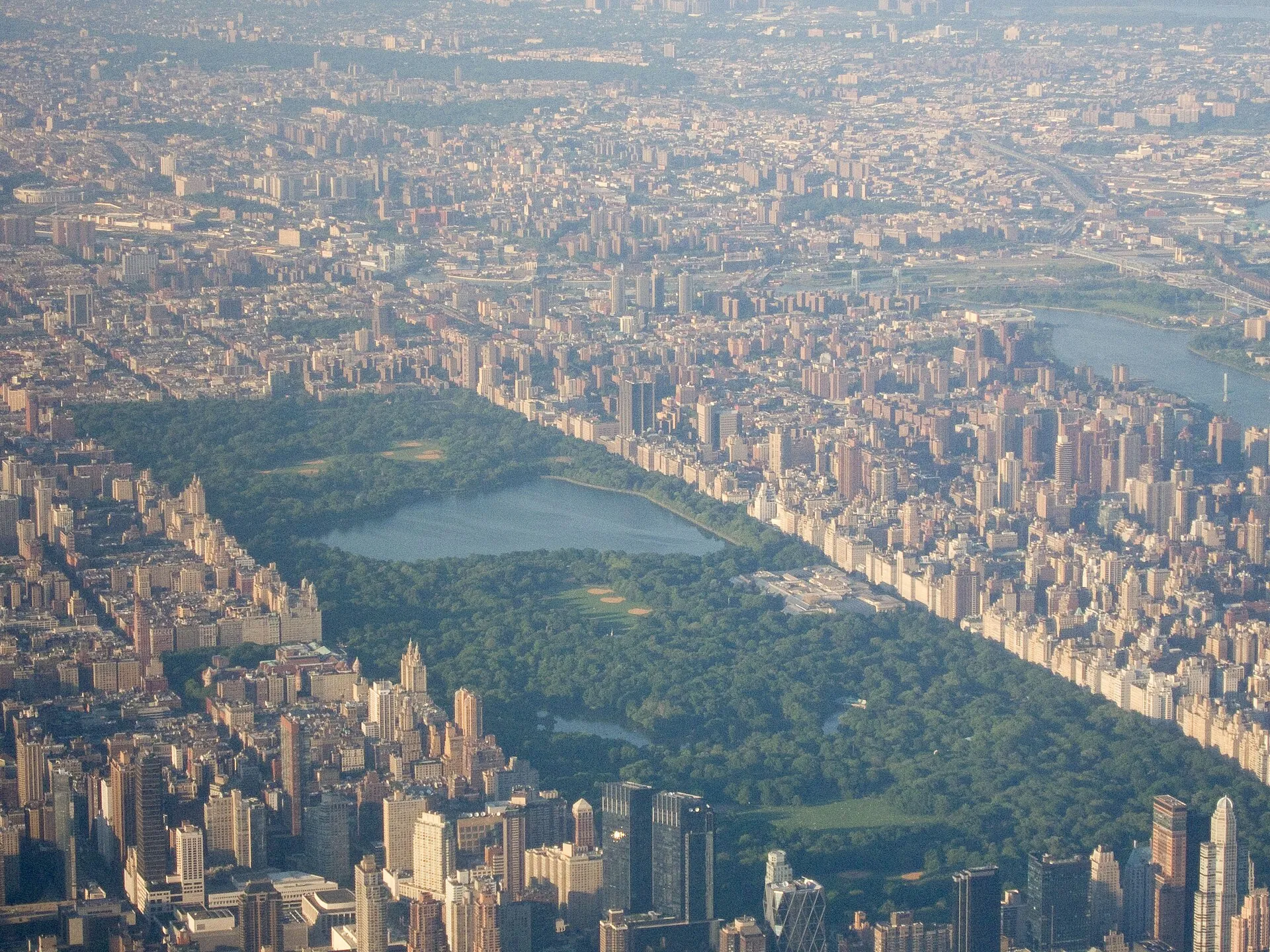
Activities
Bethesda Fountain and Terrace: Heart of the park, the Angels of the Waters sculpture draws crowds year-round. Bow Bridge: The most photographed bridge in Central Park, a graceful cast-iron span crossing The Lake. Belvedere Castle: A miniature castle perched on Vista Rock with 360-degree park views.
Imagine mosaic: John Lennon memorial in Strawberry Fields, directly across from the Dakota building where he lived. Conservatory Garden: The only formal garden in the park, with seasonal flower displays across three distinct sections. The Mall: A quarter-mile tree-lined promenade flanked by the Literary Walk statues of Shakespeare, Burns, and Scott.
Seasonal Highlights
Spring (April-May): Cherry blossoms explode around the Reservoir and in the Conservatory Garden, while migratory warblers fill the Ramble. Summer (June-August): Shakespeare in the Park performs at the Delacorte Theater, and SummerStage brings free concerts to Rumsey Playfield.
Fall (October-November): The Mall's American elms turn golden, and the Ramble blazes with color against the skyline. Winter (December-March): Ice skating at Wollman Rink with a Manhattan skyline backdrop, and the Conservatory Garden's quiet beauty rewards bundled-up visitors. The Brooklyn Bridge and Empire State Building provide spectacular seasonal vantage points.
When to Visit
Hours: Daily 6:00 AM - 1:00 AM. Best for walking: Early morning (7-9 AM) for birdwatching and quiet paths. Best for photos: Golden hour (sunrise/sunset) for dramatic lighting.
Spring highlights: Cherry blossoms (late April), Conservatory Garden tulips. Fall colors: Mid-October through early November, especially The Mall. Film buffs discover that nearly every major romantic comedy shot scenes here, from the Bethesda Fountain in Home Alone 2 to the Loeb Boathouse in When Harry Met Sally.
Admission and Costs
Park admission: Free. Bike rentals: $15-20/hour, $40-50/day. Pedicab tours: $50-150 for 30-60 minutes (negotiate price first).
Walking tours: $30-45 per person (2-3 hours). Private guide: $250-400 for up to 6 people (customized routes). Bike tour with guide: $50-70 per person (includes bike rental). Rowboat rentals on The Lake: $15/hour.
The Case for a Guide
Olmsted and Vaux spent years engineering Central Park to feel accidental — every apparently natural vista, every "spontaneous" rock outcropping, and every winding path was deliberately designed. That deception is precisely what a guide dismantles, revealing the park as one of the 19th century's most sophisticated works of landscape philosophy.
- Olmsted's design philosophy in practice: Guides explain the Greensward Plan's core principle — that democratic access to naturalistic beauty would reduce social tension in an industrializing city — and point out the specific design choices that implement that philosophy at Bethesda Terrace and the Ramble.
- Secret paths and hidden literary landmarks: The rarely-visited Shakespeare Garden (containing plants mentioned in every Shakespeare play), the Hallett Nature Sanctuary (a 4-acre wildlife corridor closed to general visitors), and the Hans Christian Andersen statue tucked near Conservatory Water are all known to guides and unknown to most tourists.
- Birdwatching hotspots with context: The Ramble's dense woodland is one of the most productive urban birdwatching sites in North America during spring migration; guides explain why — the park's position on the Atlantic Flyway — and identify the species that stop there.
- Filming locations with behind-the-scenes stories: Guides identify where Home Alone 2, When Harry Met Sally, Breakfast at Tiffany's, and dozens of other productions filmed, and share the logistical stories of how the park department managed those productions.
- Architectural gems overlooked by self-guided visitors: Belvedere Castle's Victorian Gothic folly, the Dairy building's original purpose as a children's milk dispensary, and the Mineral Springs Pavilion's Moorish Revival arches are all explained in their historical context — stories that make the walk between them genuinely interesting.
Tips for Visitors
Map essential: The park is larger than it appears — free maps at visitor centers or use the Central Park app. Comfortable shoes: Most tours cover 2-3 miles walking. Safety: Generally very safe during the day; stick to populated areas after dark.
Food: Loeb Boathouse restaurant, Shake Shack near the south entrance, or picnic with deli provisions from any nearby bodega. Bathrooms: Located at major landmarks — guides know all locations. Metro access: Multiple subway stations ring the park on the B, C, 1, 2, 3, A, and D lines.
Frequently Asked Questions
When is the most beautiful season to visit Central Park?
Central Park transforms dramatically with the seasons, and each one has its devotees. Late April brings cherry blossoms and the Conservatory Garden tulips, while October wraps the park in fiery reds and golds that rival any New England foliage. Summer opens Shakespeare in the Park and Summerstage concerts, though humidity can be intense. Winter is surprisingly magical with ice skating at Wollman Rink and peaceful snow-covered paths, but January and February temperatures test even hardy visitors.
What are the opening hours and best visiting times at Central Park?
Hours: Daily 6:00 AM - 1:00 AM. Best for walking: Early morning (7-9 AM) for birdwatching, quiet paths. Best for photos: Golden hour (sunrise/sunset) for dramatic lighting. Spring highlights: Cherry blossoms (late April), Conservatory Garden tulips.
Is Central Park free to enter?
Yes, the park is completely free to enter. Bike rentals cost $15-20/hour. Walking tours run $30-45 per person for 2-3 hours. Private guides cost $250-400 for up to 6 people. Rowboat rentals on The Lake are $15/hour.
What are the must-see landmarks in Central Park?
Visit Bethesda Fountain and Terrace, cross the iconic Bow Bridge, climb Belvedere Castle for 360-degree views, see the Imagine mosaic in Strawberry Fields, explore the Conservatory Garden, and stroll The Mall's quarter-mile Literary Walk. Seasonal highlights include Shakespeare in the Park and ice skating at Wollman Rink.