Photo Spots
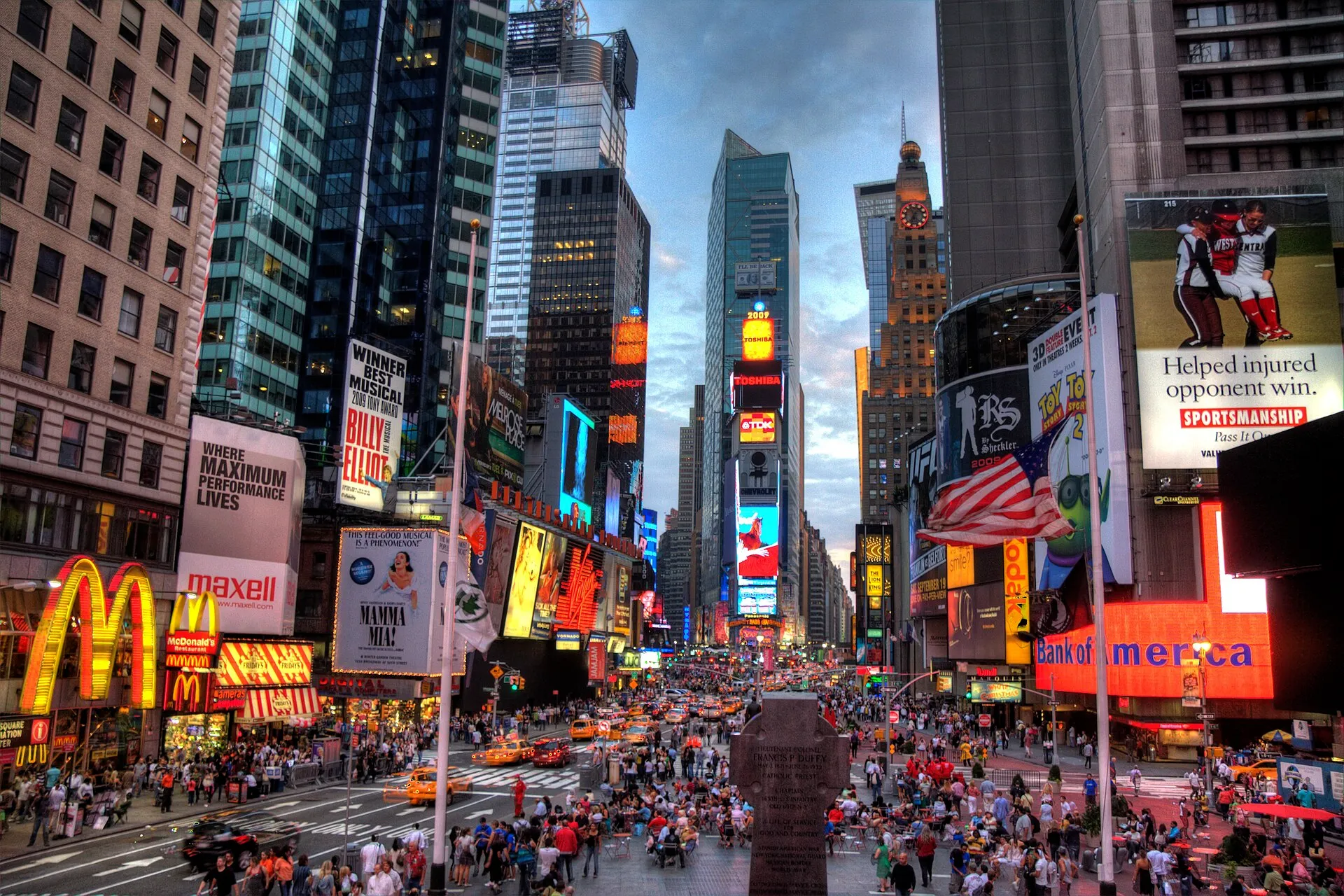
Times Square's sensory overload can overwhelm first-time visitors, leaving them unsure where to look or how to navigate the crowds. Guides cut through the chaos with purpose, steering you past the costume characters angling for tips and positioning you at vantage points where the canyon of digital billboards frames perfectly for photographs. They time walks to catch dusk, when the screens blaze brightest against the fading sky, and they know which rooftops and elevated plazas offer perspectives the street-level throngs never see. Theater expertise transforms a generic Times Square visit into genuine Broadway immersion. Your guide shares the histories of landmark venues like the Shubert and the New Amsterdam, matches show recommendations to your personal taste, and reveals the lottery and rush ticket strategies that can land you orchestra seats for a fraction of face value. Beyond the main drag, they introduce you to Off-Broadway houses, jazz clubs in basement speakeasies, and comedy venues where tomorrow's stars perform tonight. For deeper theatrical exploration, visit the Broadway Theater District page.
Landmarks Along
Broadway show: Lion King, Hamilton, Wicked among longest-running hits. Good Morning America studio: Free outdoor concerts summer Friday mornings. TKTS booth: Red glass steps for people-watching, discount tickets below. Hershey's and M&M stores: Three-story candy experiences. Red stairs at Duffy Square: Best elevated viewpoint for photos. Tin Pan Alley history: West 28th Street where American popular music was born
When to Visit
Hours: Public space open 24/7. Best for photos: Dusk (5-7 PM) when lights pop against twilight sky. Best for walking: Early morning (7-9 AM) before crowds arrive. Most crowded: 6-10 PM pre-theater, New Year's Eve (1 million people). Broadway shows: Most performances 8 PM weeknights, 2 PM and 8 PM weekends
Admission and Costs
Walking the square: Free. Broadway shows: $60-300+ depending on show and seats. TKTS discount booth: Same-day tickets 20-50% off (expect 30-60 min wait). Guided theater tours: $40-60 per person (2-3 hours, includes backstage access). Private guide: $250-400 for up to 6 people (theater history + recommendations)
The Case for a Guide
Times Square's sensory overload is most visitors' entire experience — a guide cuts through the commercial spectacle to reveal the theatrical history, architectural layers, and midnight engineering that made this intersection the crossroads of the world.
- New Year's Eve ball mechanism: The famous ball drop uses a Waterford Crystal-studded aluminium geodesic sphere weighing 11,875 pounds, lowered on a flagpole at exactly midnight via a computer-controlled winch system; guides explain the 1907 origin of the tradition, why the New York Times chose fireworks first and switched to the ball, and what happens to the ball during the other 364 nights of the year.
- Original newspaper printing building: The One Times Square tower at the triangular apex of the square was built in 1904 as the home of the New York Times, which gave the square its current name; guides explain how the building became economically worthless as a newspaper facility but vastly profitable as a billboard platform — its exterior ad space generates more revenue per square foot than almost any building in the world.
- Neon sign maintenance crews working overnight: The roughly 350 illuminated signs are maintained by specialist crews who work from 2 to 6 AM when the square is emptiest; guides explain the zoning laws that actually require businesses in the core Theatre District to display illuminated signage — the lights are legally mandated, not optional commercial choices.
- The Crossroads of the World theater district context: The 41 Broadway theatres clustered within a half-mile radius represent the largest concentration of professional live theatre venues on earth; guides explain which buildings are landmarked specifically to protect their theatrical use, how the 1982 Times Square Redevelopment Plan saved the district from conversion to office space, and which theatres have been continuously operating since the early 20th century.
- Pre-1970s Times Square history contrast: Before the 1970s fiscal crisis, Times Square was Longacre Square's successor — a centre of legitimate theatre and upscale hotels; guides trace the specific economic and social forces that transformed it into the crime-ridden area depicted in 1970s cinema, and explain the controversial 1990s clean-up campaign led by the city and the Disney Corporation that produced the sanitised tourist destination that exists today.
Tips for Visitors
Pickpockets: Crowded area - keep valuables secure, guides help you stay aware. Costume characters: Not official Disney - expect aggressive tipping requests after photos. Restaurant pricing: Times Square restaurants overpriced - guides know better nearby options. Bathroom strategy: Starbucks, hotels, or theater lobbies (if you're seeing a show). Show timing: Arrive 30 minutes early, check bag policies (many theaters restrict sizes). Photography: Pedestrian plazas give safe distance from traffic for wide-angle shots
Frequently Asked Questions
When is the best time to walk through Times Square?
Hours: Public space open 24/7. Best for photos: Dusk (5-7 PM) when lights pop against twilight sky. Best for walking: Early morning (7-9 AM) before crowds arrive. Most crowded: 6-10 PM pre-theater, New Year's Eve (1 million people).
Is Times Square free to visit?
Walking the square: Free. Broadway shows: $60-300+ depending on show and seats. TKTS discount booth: Same-day tickets 20-50% off (expect 30-60 min wait). Guided theater tours: $40-60 per person (2-3 hours, includes backstage access).
What safety tips should visitors know in Times Square?
Pickpockets: Crowded area - keep valuables secure, guides help you stay aware. Costume characters: Not official Disney - expect aggressive tipping requests after photos.