
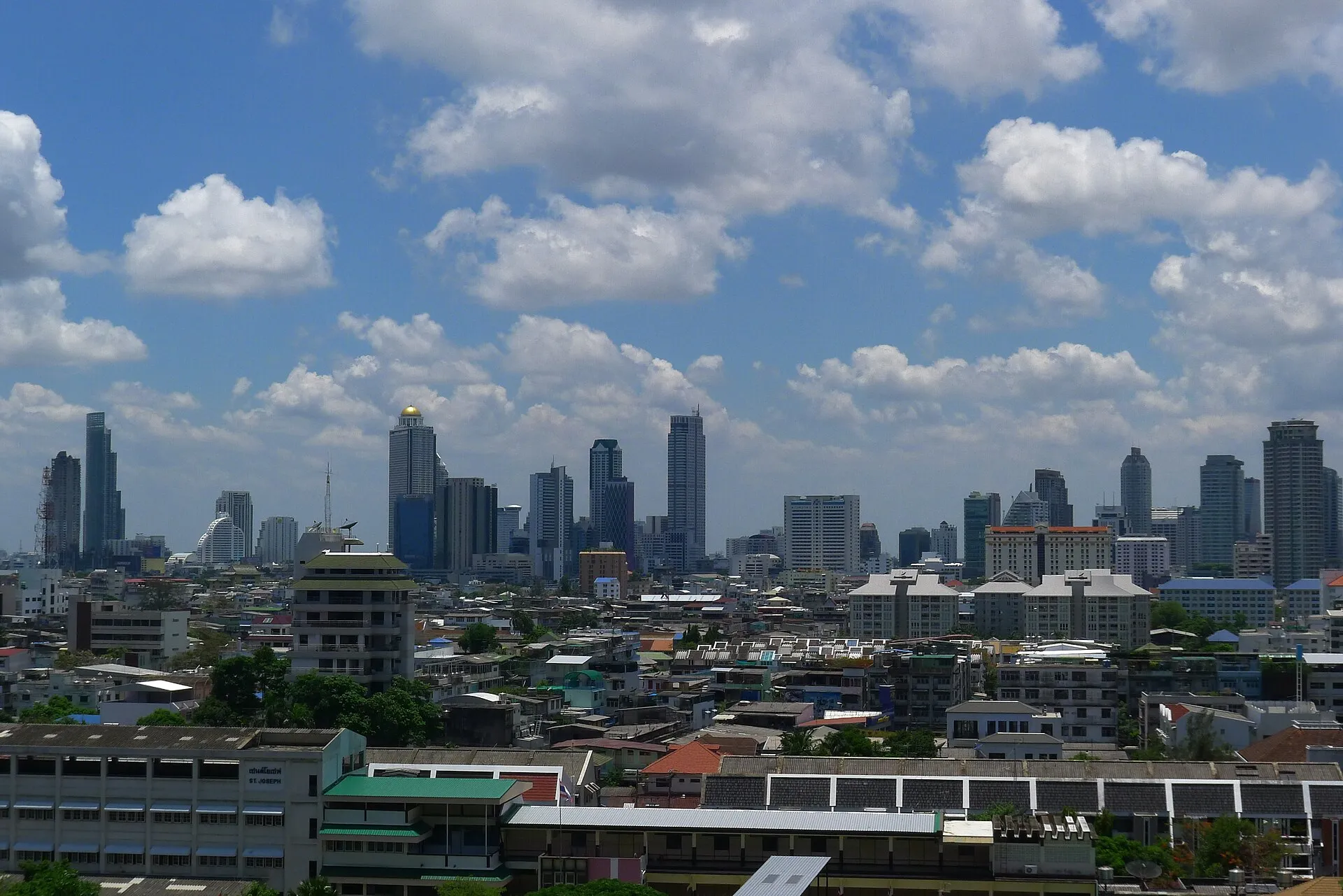
Bangkok timeline
-
Rattanakosin capital founded
Rama I founded Bangkok as the new Chakri capital beside the Chao Phraya.
-
Bowring Treaty era
New trade ties opened Bangkok to foreign missions, merchants, and riverfront change.
-
Constitutional monarchy
Political change reframed royal and civic monuments across the capital.
-
Bicentennial city
Bangkok's bicentennial renewed attention on Rattanakosin heritage and ceremonial routes.
Cited city facts
Key facts for visiting Bangkok
400+ Buddhist temples
Bangkok has more active Buddhist temples (wats) than any other city in Thailand, with Wat Pho alone housing over 1,000 Buddha images
25 million international visitors per year
Bangkok consistently ranks among the top 3 most-visited cities worldwide, surpassing London and Paris in overnight visitor counts
35 kilometers of canal network
Once called the Venice of the East, Bangkok still maintains an extensive klong (canal) system used by longtail boats and floating markets
300,000+ street food vendors
Bangkok is widely recognized as the street food capital of the world, with vendors operating on nearly every block of the city
Source: tour-guide.com — Free to cite with attribution
Things to see
What are the top attractions in Bangkok?
- Grand Palace and Wat Phra Kaew — Thailand's most sacred temple complex and the dazzling former royal residence
- Wat Pho — Home to the 46-meter reclining Buddha and the birthplace of traditional Thai massage
- Wat Arun — The Temple of Dawn, covered in porcelain mosaics and towering over the Chao Phraya River
- Chatuchak Weekend Market — Over 15,000 stalls spread across 35 acres, one of the world's largest outdoor markets
- Chinatown (Yaowarat) — A sensory overload of street food, gold shops, and temples packed into narrow lanes
- Floating markets — Damnoen Saduak and Amphawa offer traditional canal-side trading, best visited by longtail boat
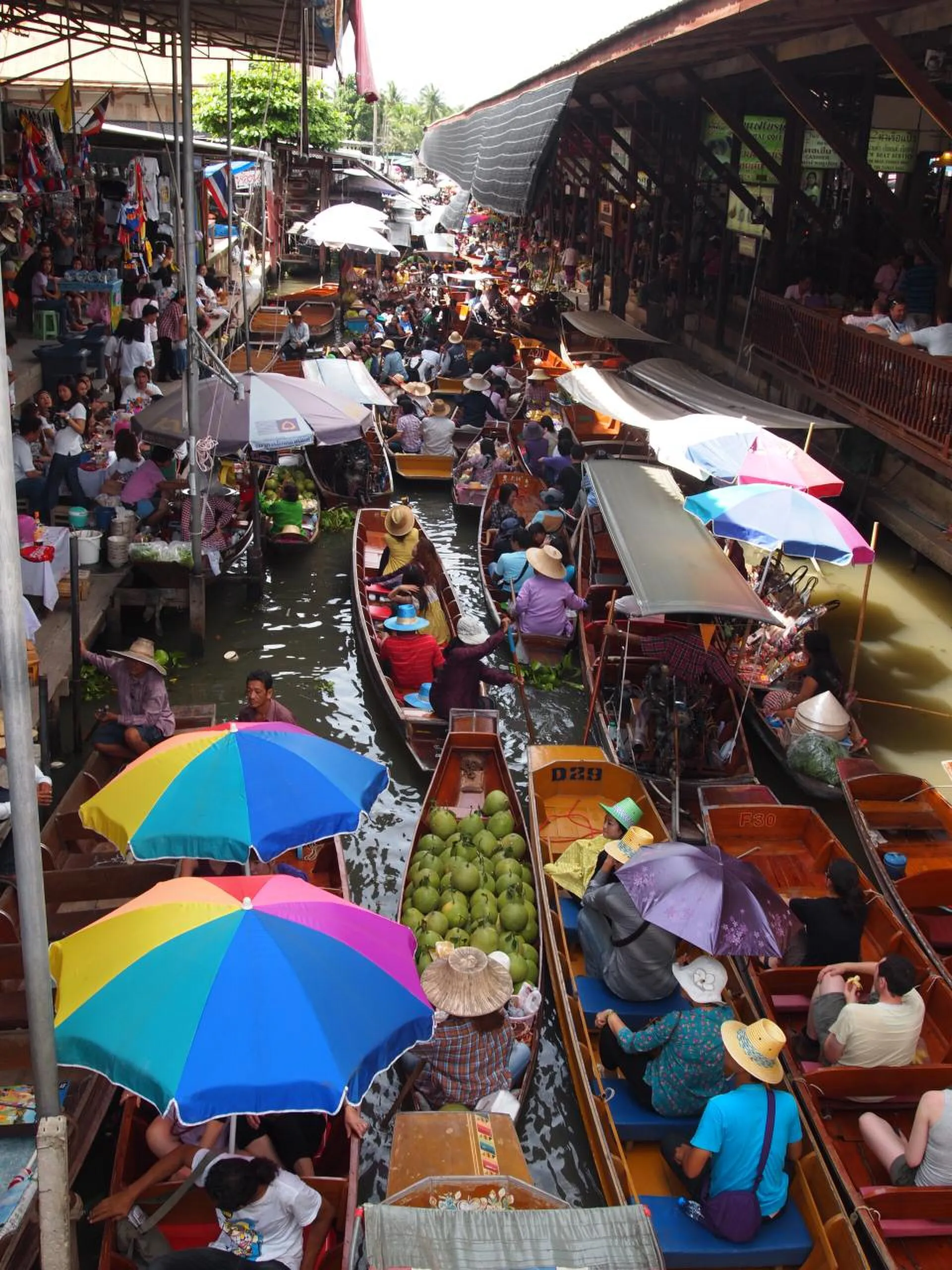
Bangkok Floating Markets
Traditional canal commerce - boats laden with food and culture
Chatuchak Weekend Market
World's largest weekend market - 15,000 stalls of everything imaginable
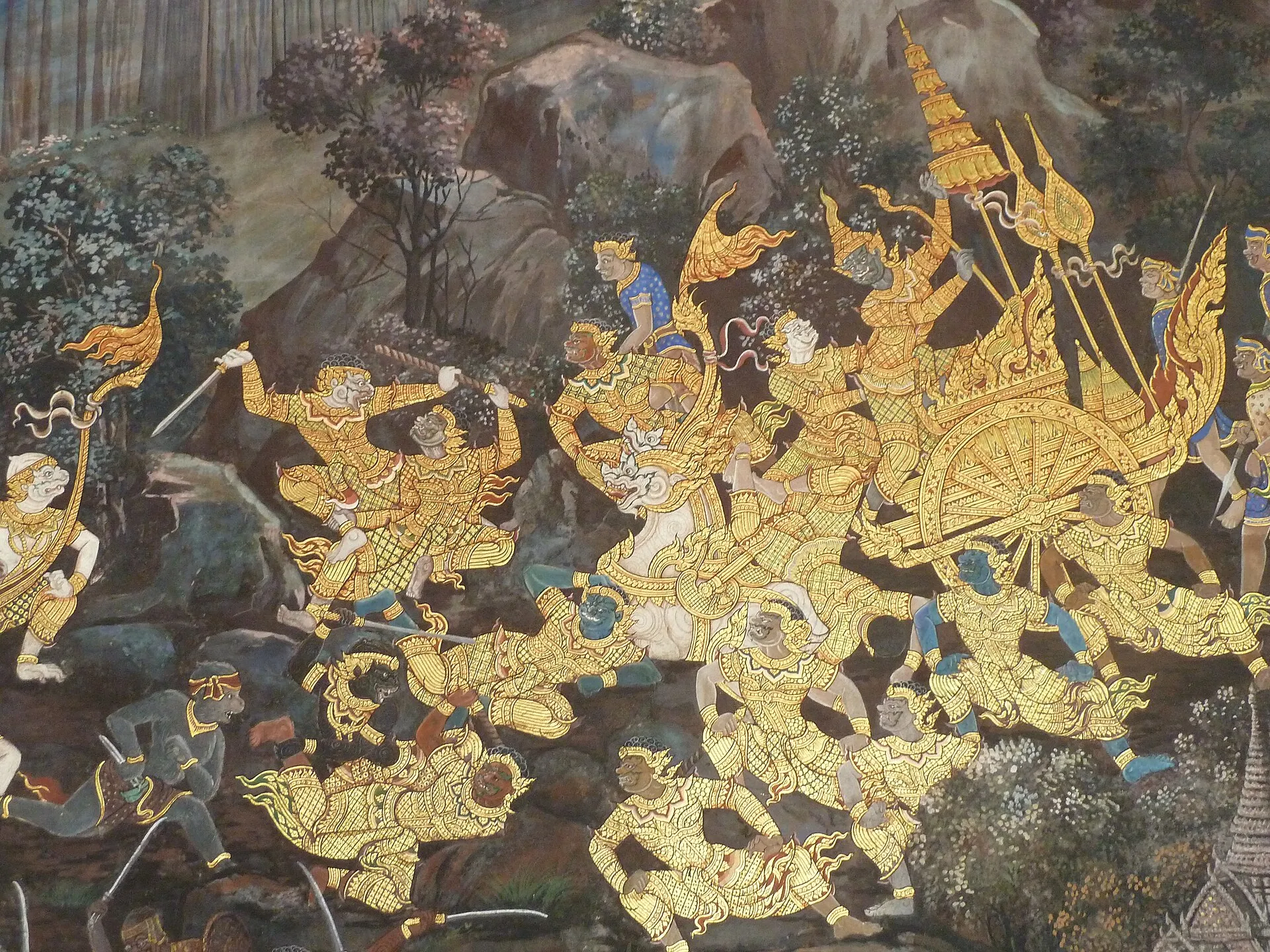
Grand Palace Bangkok
Thailand's most sacred site - glittering spires and royal history
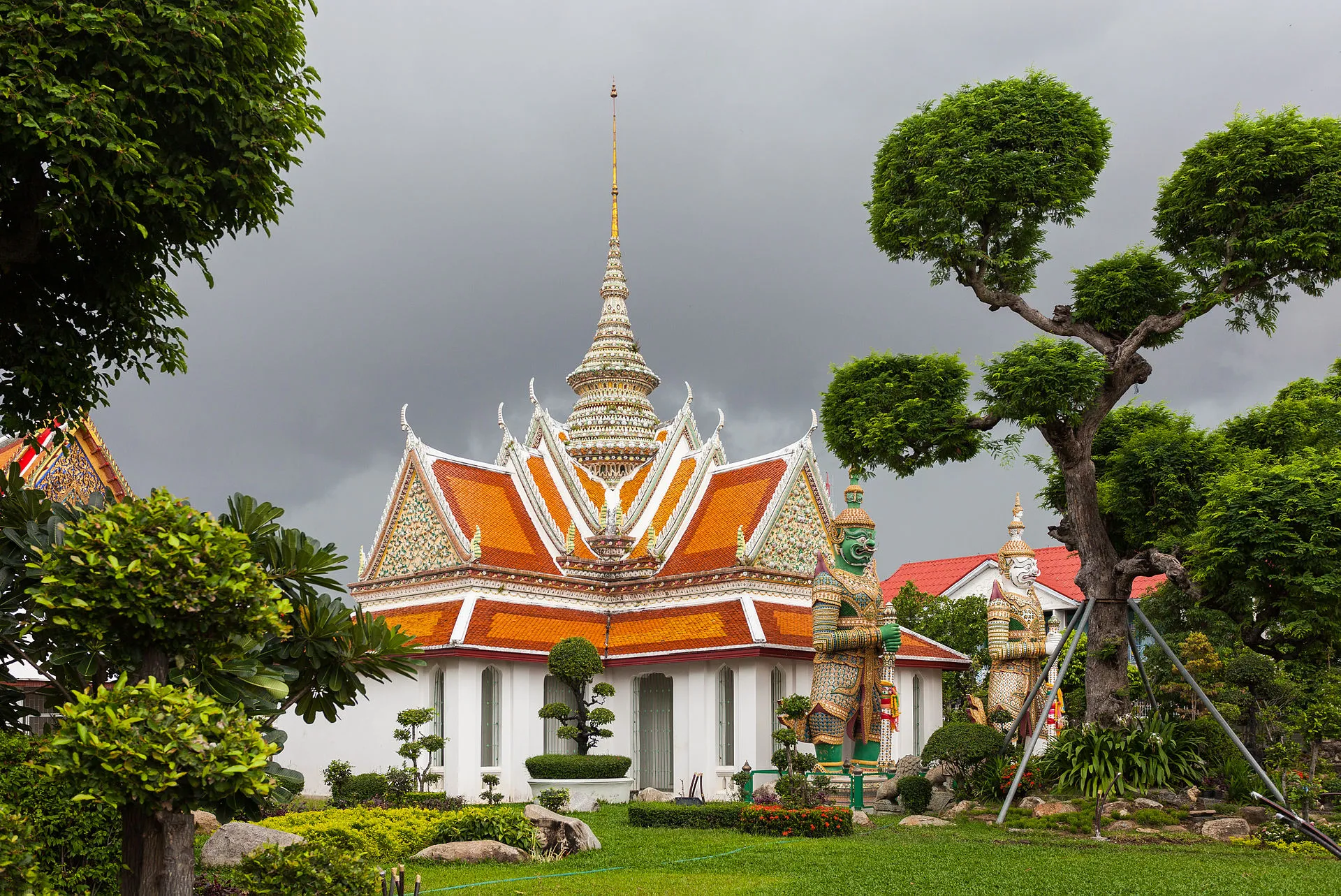
Wat Arun Bangkok
Temple of Dawn - Bangkok's iconic riverside pagoda
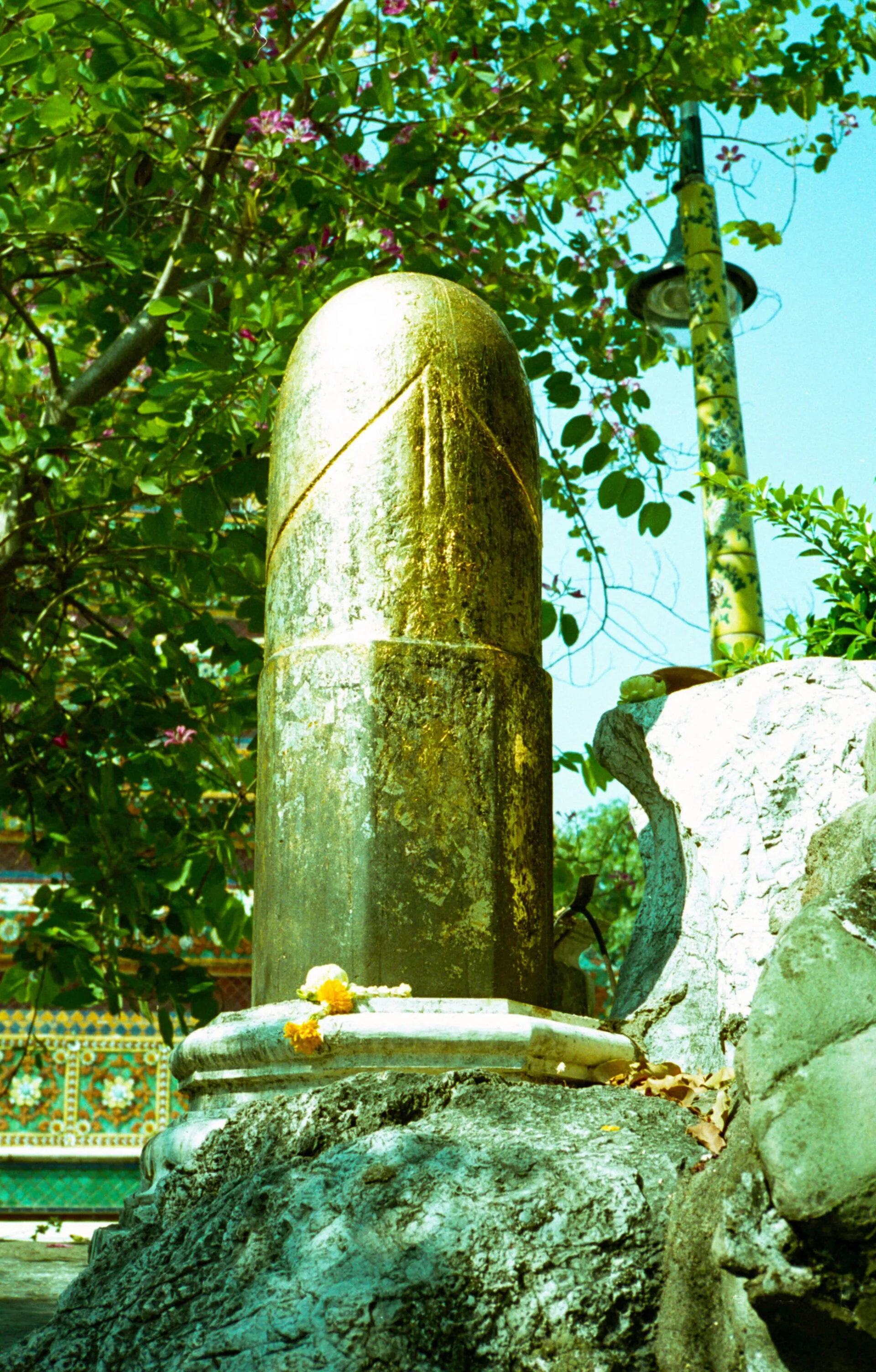
Wat Pho Bangkok
Temple of the Reclining Buddha - golden serenity and healing traditions
Guide planning
How much does a tour guide cost in Bangkok?
Nok is a licensed independent guide registered with the Tourism Authority of Thailand who builds every tour around your interests rather than a fixed route. With twelve years of experience and an English-language background, she leads customised private day tours covering temples, floating markets, Ayutthaya day trips, and street-food deep dives — all at a pace that never feels rushed.
Nikki runs fully exclusive, private tours across Bangkok, Ayutthaya, Kanchanaburi, and the floating markets with transparent fixed pricing and zero incentive-driven restaurant or shop stops. Every itinerary is built from scratch based on what you want to see, making this a refreshingly honest alternative to the standard group-bus circuit.
| Tour Type | Price | Details |
|---|---|---|
| Group Walking Tours | 800-1,200 THB | Per person, 3-4 hours |
| Private Half-Day | 2,500-4,000 THB | Up to 4 people, 4 hours |
| Private Full-Day | 4,500-7,000 THB | Up to 4 people, 8 hours |
| Food Tour Specialist | 1,500-2,500 THB | Culinary guide, 3-4 hours |
- TAT-licensed guides: Tourism Authority of Thailand certification ensures trained, knowledgeable professionals
- Specialized guides: Temple experts, food historians, river guides, and cultural specialists
- Language skills: Most guides speak excellent English, many also speak Chinese, Japanese, or European languages
- Skip-the-line access: Professional guides navigate crowds and know optimal visiting times
Book a Local Guide
The guides below are independent local businesses we recommend purely on editorial merit. We don't sell placement and we earn no commission when you book with them — see our booking and affiliate disclosure.
Nok Thai Tour
Nok is a licensed independent guide registered with the Tourism Authority of Thailand who builds every tour around your interests rather than a fixed route. With twelve years of experience and an English-language background, she leads customised private day tours covering temples, floating markets, Ayutthaya day trips, and street-food deep dives — all at a pace that never feels rushed.
Nikki Tour Guide
Nikki runs fully exclusive, private tours across Bangkok, Ayutthaya, Kanchanaburi, and the floating markets with transparent fixed pricing and zero incentive-driven restaurant or shop stops. Every itinerary is built from scratch based on what you want to see, making this a refreshingly honest alternative to the standard group-bus circuit.
Season planner
When is the best time to visit Bangkok?
November through February is the cool and dry season with temperatures around 25-32°C, making it the most comfortable time to explore temples and markets. March through May is extremely hot and humid, with temperatures often exceeding 35°C. The rainy season from June through October brings afternoon downpours that usually clear within an hour, along with fewer crowds and lower hotel prices.
Spring
Mar-May
Summer
Jun-Aug
Autumn
Sep-Nov
Winter
Dec-Feb
Each score averages that season’s monthly ratings out of 5. The top-rated window is usually the peak season too, so read the guidance above for its trade-offs before you book.
On the ground
How do you get around Bangkok?
The BTS Skytrain and MRT subway cover major areas and are the fastest way to avoid Bangkok's notorious traffic jams. River boats along the Chao Phraya connect key sights like the Grand Palace, Wat Arun, and Chinatown, while canal longtail boats offer scenic shortcuts through older neighborhoods. Tuk-tuks and metered taxis are plentiful for shorter trips, though always insist on the meter for taxis. Motorbike taxis weave through gridlocked traffic and are useful for quick last-mile connections.
Frequently Asked Questions
How many days do you need in Bangkok?
Three days is a good fit for Bangkok. Devote the first morning to the temple core — the Grand Palace and Wat Phra Kaew, the reclining Buddha of Wat Pho, and Wat Arun across the Chao Phraya River, best linked by longtail boat. A second day explores the markets, from the vast Chatuchak weekend market to the street food of Chinatown's Yaowarat. The third day suits a canal klong tour, a floating market outside the city, or the modern malls and rooftop bars. Many travellers also use Bangkok as a springboard to Ayutthaya.
What is the best time to visit Bangkok?
November through February is the cool and dry season with the most comfortable temperatures, making it peak tourist season. March through May is extremely hot and humid, with temperatures often exceeding 35°C. The rainy season runs June through October, bringing afternoon downpours but also fewer crowds and lower prices.
How much does a tour guide cost in Bangkok?
Group walking tours cost 800-1,200 THB ($23-35) per person for 3-4 hours. Private half-day tours run 2,500-4,000 THB ($70-115) for up to 4 people, while full-day private tours cost 4,500-7,000 THB ($130-200). Food tour specialists charge 1,500-2,500 THB ($43-70) per person.
How do you get around Bangkok?
The BTS Skytrain and MRT subway cover major areas and are the fastest way to avoid Bangkok's notorious traffic. River boats along the Chao Phraya and canal longtail boats offer scenic alternatives to road transport. Tuk-tuks and taxis are plentiful, though always agree on the fare or insist on the meter before getting in.