
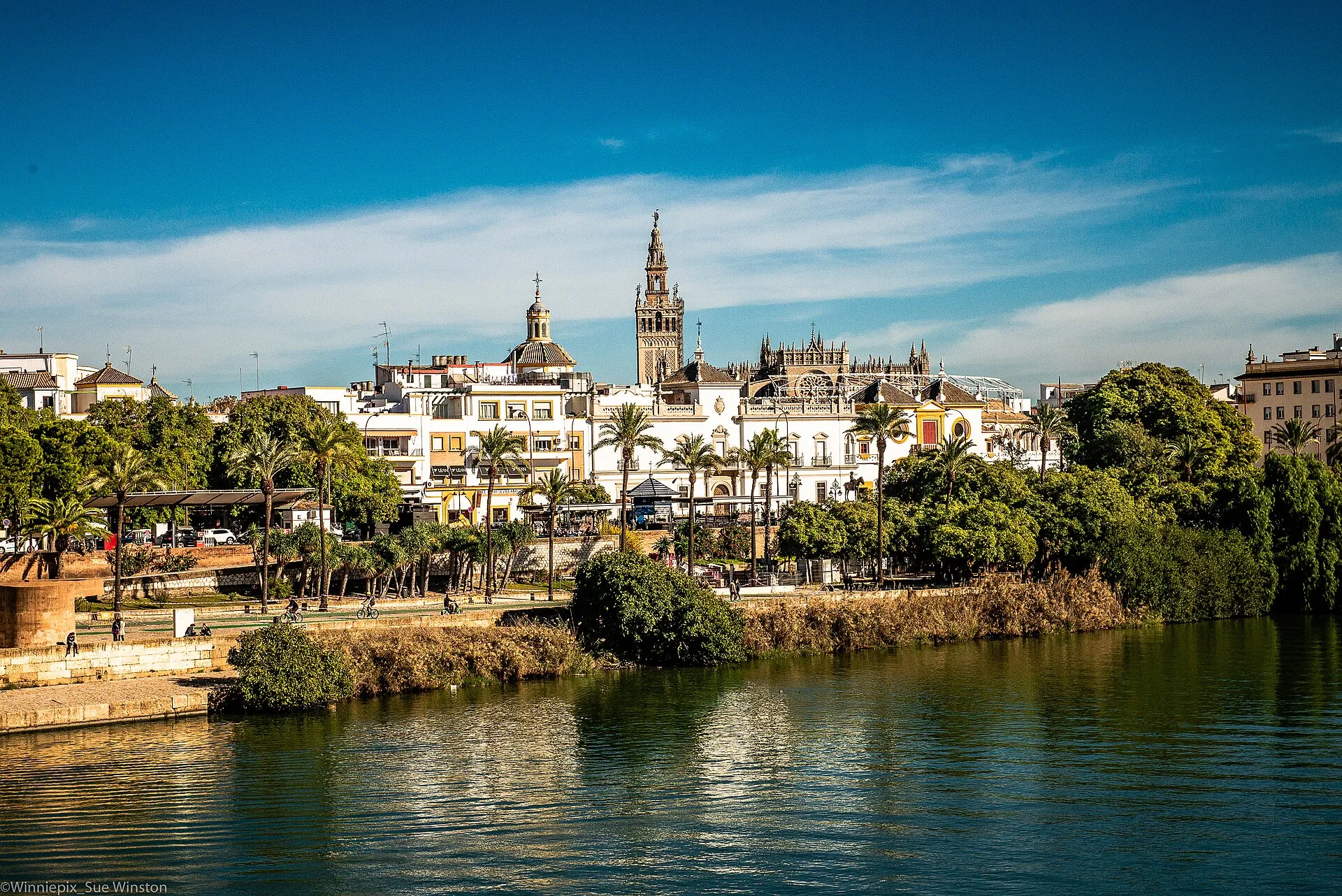
Seville timeline
-
Islamic Ishbiliya begins
Muslim rule shaped the river port, walls, and mosque layer beneath later monuments.
-
Castilian conquest
Ferdinand III took Seville, converting the city into a Christian royal center.
-
Indies trade house
The Casa de Contratacion made Seville the administrative heart of Atlantic empire.
Cited city facts
Key facts for visiting Seville
Seville Cathedral is the largest Gothic cathedral in the world
Covering 11,520 square metres, it surpasses both Notre-Dame de Paris and Canterbury Cathedral, and contains the tomb widely believed to hold the remains of Christopher Columbus
The Real Alcazar has been a working royal palace for over 700 years
Still used by the Spanish royal family during state visits to Seville, it is the oldest royal palace in active use in Europe
Seville's streets are lined with more than 40,000 bitter orange trees
The fruit is harvested each winter and exported primarily to Britain, where it is made into marmalade, while the blossoms perfume the city every spring
Feria de Abril draws over 1 million visitors across six days each spring
Held two weeks after Easter, the fair features over 1,000 decorated casetas where sevillanos dance flamenco, drink manzanilla sherry, and celebrate Andalusian identity
Source: tour-guide.com — Free to cite with attribution
Things to see
What are the top attractions in Seville?
- Cathedral & Giralda — Columbus tomb, climb the tower for panoramic views
- Real Alcázar — Mudéjar architecture, lush gardens, Game of Thrones filming location
- Triana flamenco — Authentic shows in Casa de la Memoria or tablao bars
- Plaza de España — Stunning 1929 semicircular plaza with ceramic alcoves
- Barrio Santa Cruz — Medieval Jewish quarter with whitewashed alleys
- Orange trees — 40,000+ bitter orange trees line streets (harvest: January-March)
- Tapas crawl — Calle Mateos Gago or Alameda de Hércules with local guides
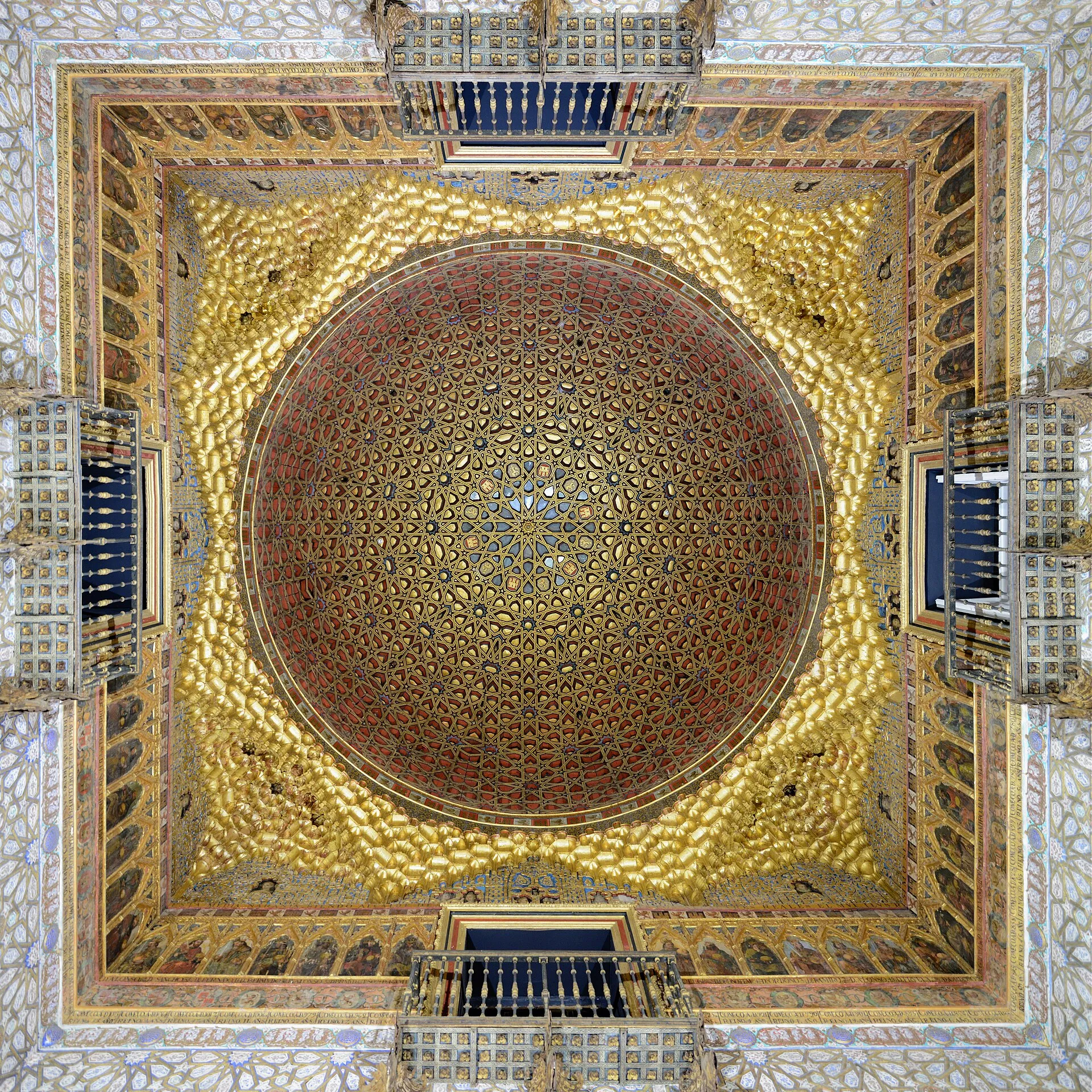
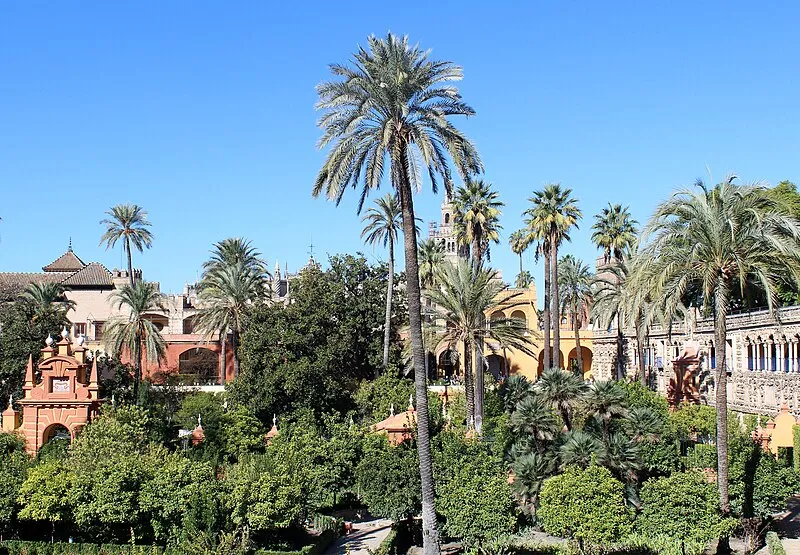
Real Alcázar of Seville
Stunning Moorish palace with gorgeous gardens - Game of Thrones site
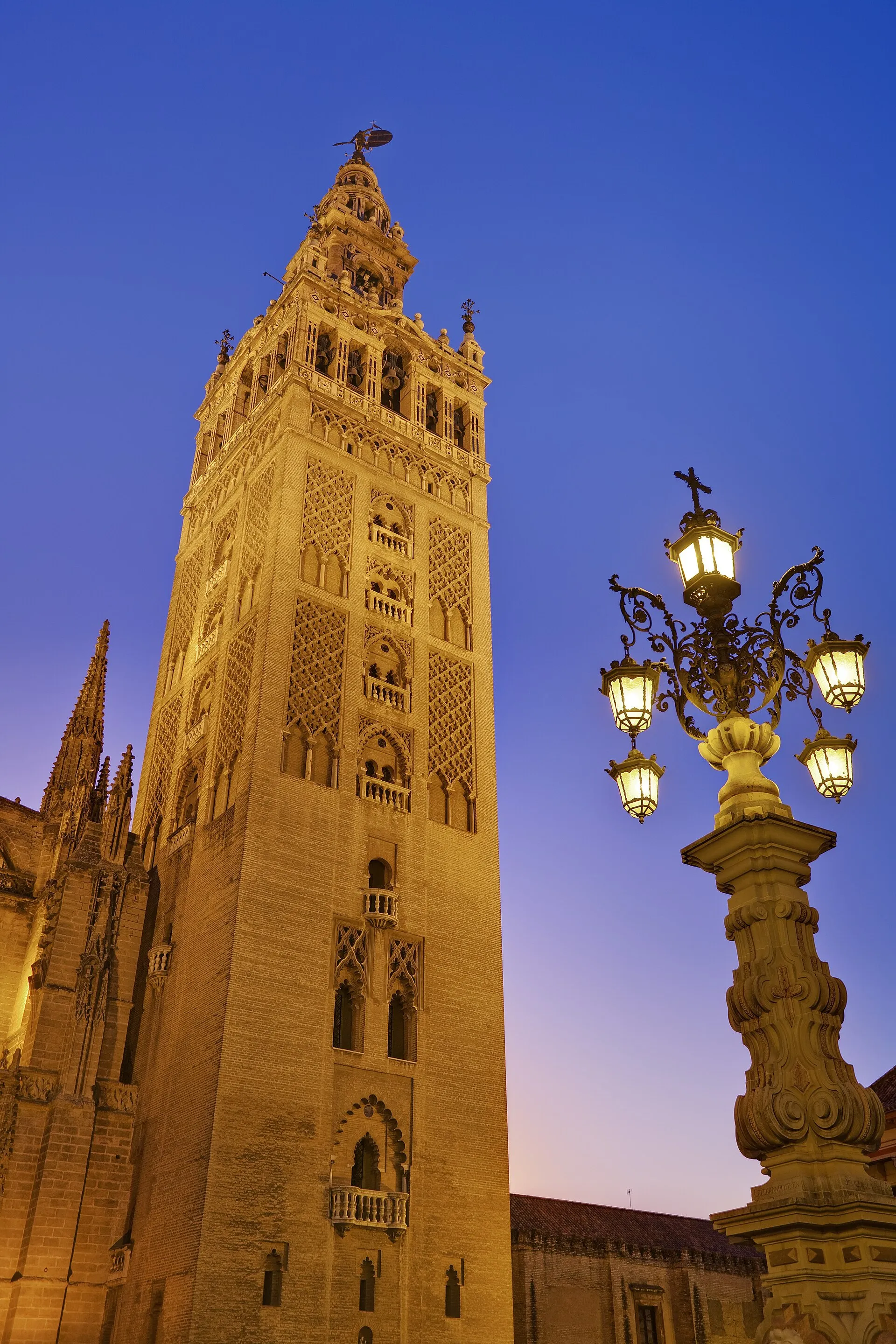
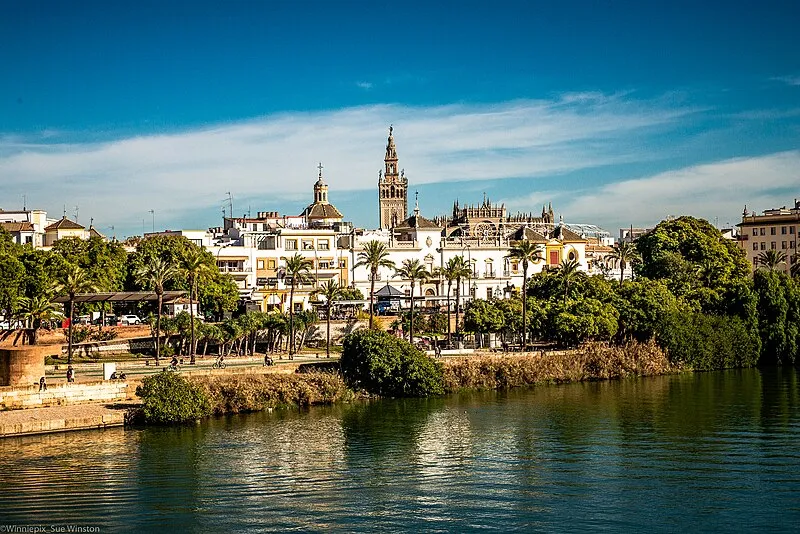
Seville Cathedral and Giralda
World's largest Gothic cathedral with iconic Moorish tower
Triana
Authentic flamenco neighborhood with ceramics and character
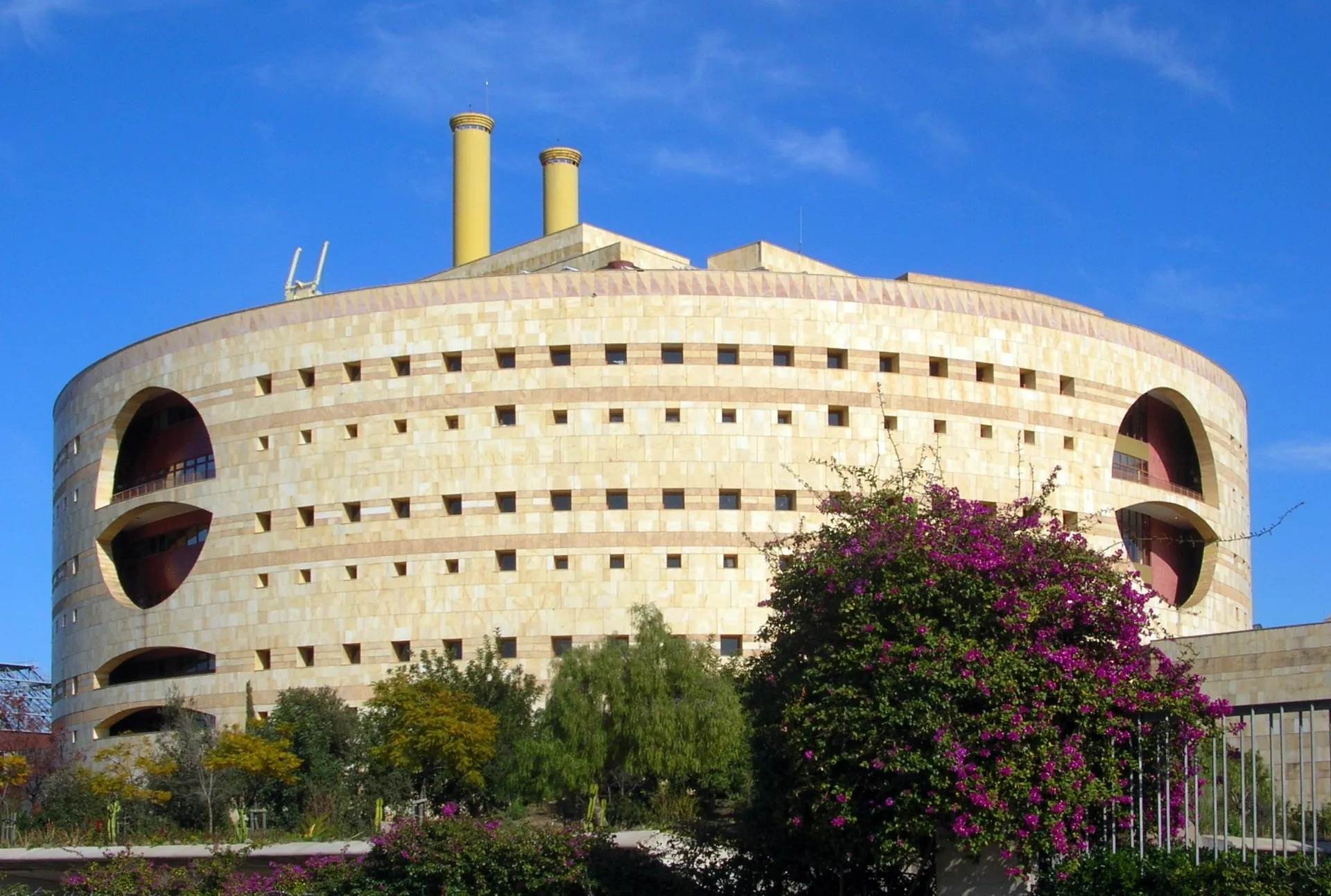
Guide planning
How much does a tour guide cost in Seville?
Seville has passionate guides - here's how to find quality ones:
- Official "Guía Oficial": Licensed guides with expertise in Moorish history and architecture
- Flamenco culture experts: Guides who explain gitano traditions and authentic performances
- Mudéjar architecture specialists: Essential for understanding Islamic artistic influence
- Skip-the-line access: Critical for Cathedral and Alcázar (can save 1-2 hours)
Book a Local Guide
The guides below are independent local businesses we recommend purely on editorial merit. We don't sell placement and we earn no commission when you book with them — see our booking and affiliate disclosure.
Devour Seville Food Tours
Devour Seville's tapas evening tour through the Triana barrio and the El Arenal bullring district is among the finest food-and-culture walks in Spain. Their guides combine deep knowledge of Andalusian culinary tradition — the salty manzanilla sherry, the jamón ibérico from the nearby Sierra, the fried pescaíto of the river estuary — with social history that explains how Seville's tapas culture differs subtly but significantly from Madrid's or Barcelona's.
Seville Walking Tours — SevilleCicerone
SevilleCicerone runs licensed private walking tours of the Real Alcázar, the Cathedral and Giralda, and the Santa Cruz neighbourhood that go beyond the standard highlights to trace the layers of Roman, Moorish, and Renaissance history compressed into Seville's compact old city. Their guides are university-trained specialists in Andalusian history who speak English fluently and customise every itinerary around what each group genuinely wants to understand.
Season planner
When is the best time to visit Seville?
- March-May: Perfect weather, orange blossoms, Semana Santa (Holy Week), Feria de Abril
- October-November: Warm but comfortable, fewer crowds than spring
- Early mornings: Cathedral at 10:45 AM opening (after morning mass), Alcázar at 9:30 AM
- Avoid: July-August (dangerously hot, 40°C+), Holy Week if you dislike crowds
Spring
Mar-May
Summer
Jun-Aug
Autumn
Sep-Nov
Winter
Dec-Feb
Each score averages that season’s monthly ratings out of 5. The top-rated window is usually the peak season too, so read the guidance above for its trade-offs before you book.
On the ground
How do you get around Seville?
| Tour Type | Price | Details |
|---|---|---|
| Group Walking Tours | €10-18 | Per person, 2-3 hours |
| Private Half-Day | €120-220 | Up to 6 people, 4 hours |
| Private Full-Day | €240-450 | Up to 6 people, 8 hours |
| Flamenco Evening Tours | €50-85 | Show + guide, 3 hours |
Frequently Asked Questions
What is the best time to visit Seville?
March-May: Perfect weather, orange blossoms, Semana Santa (Holy Week), Feria de Abril. October-November: Warm but comfortable, fewer crowds than spring.
How much does a tour guide cost in Seville?
Group walking tours cost €10-18 per person for 2-3 hours, while private half-day tours with a licensed guide run €120-220 for up to 6 people. A flamenco evening tour including a show and guide typically costs €50-85 per person.
How do you get around Seville?
Seville's historic centre is flat and compact, making walking and cycling the best options — the city has an extensive Sevici bike-share network. A single-line metro, tram, and bus system cover longer distances, and taxis are readily available for trips to outlying areas.