
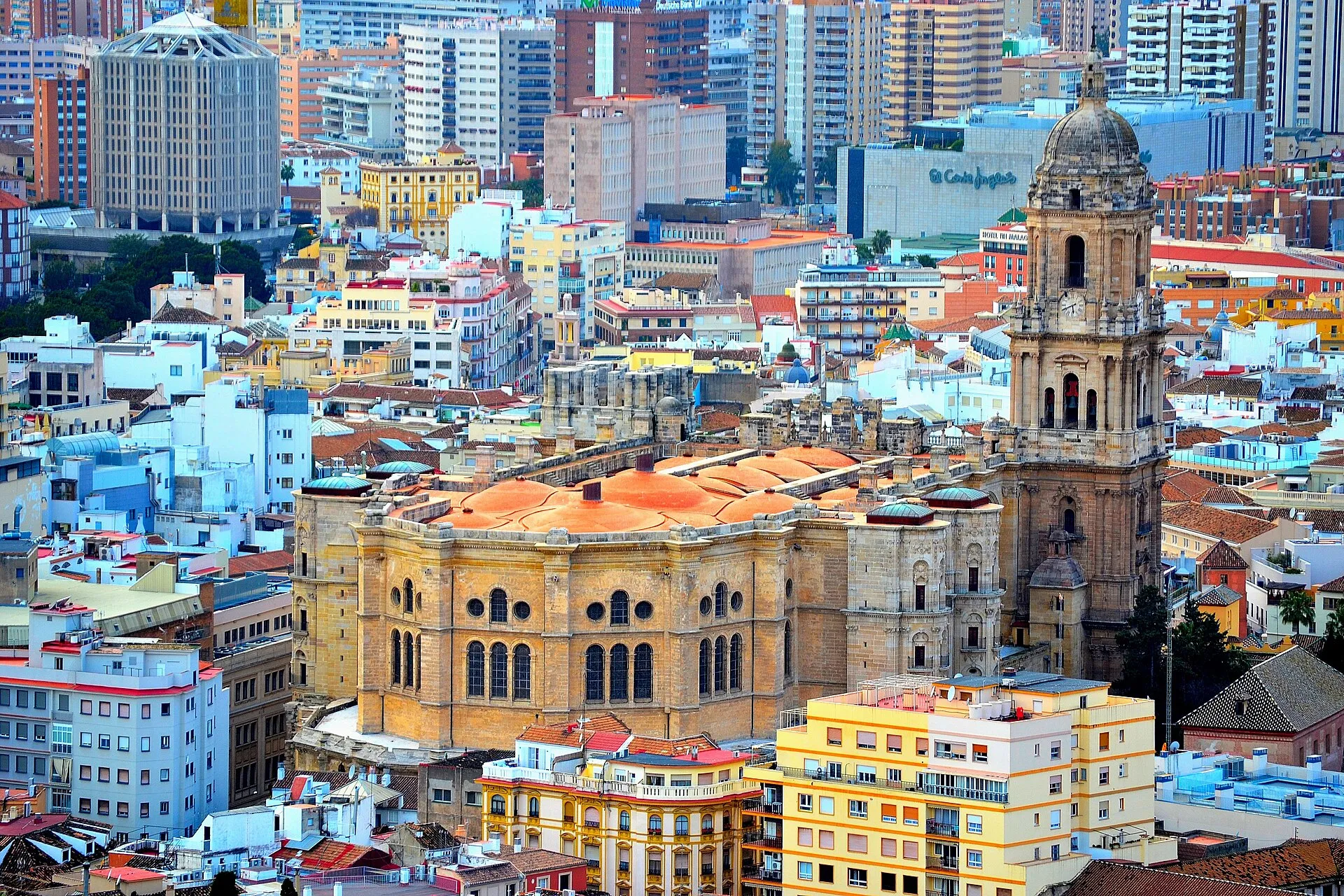
Spiritual Significance
Málaga Cathedral is the seat of the Roman Catholic Diocese of Málaga and, above all else, a living church dedicated to the Incarnation. That is why Sundays are given over to Mass rather than tourism, and why parts of the building may close to visitors around services on weekdays. The cathedral is the spiritual anchor of the city's celebrated Semana Santa (Holy Week), when the great penitential brotherhoods carry their tronos through the surrounding streets and the building itself becomes a focus of processions and prayer.
Several treasures reward a slower, more reverent look. The adjoining Capilla del Sagrario preserves an ornate Gothic-Isabelline doorway — a rare survivor from the cathedral's earliest building phase — while the retable inside is a Plateresque high point. Pedro de Mena's choir stalls were conceived as an aid to sung prayer, each saint carved to be contemplated by the canons during the daily Divine Office. The twin baroque organs are not museum pieces but working instruments, voiced for the liturgy and for the concert cycles that fill the nave with sound. Regional context on Andalusia's great churches is gathered by Andalucía's tourism board.
Visitor Etiquette
This is an active cathedral, so a few courtesies matter. Dress modestly with shoulders and knees covered, keep phones on silent, and lower your voice inside — especially near anyone at prayer. If you arrive while a service is underway, wait or move quietly to the visitor areas rather than crossing in front of the altar.
A short checklist keeps a visit smooth and respectful:
- Photography is permitted in the interior without flash; tripods and selfie sticks are not allowed.
- Sundays are for worship only — plan tourist visits for Monday to Saturday.
- Silence your phone and avoid loud conversation, particularly around the choir and chapels.
- Donations left at the chapels support the building's upkeep and are never expected.
Málaga Cathedral timeline
-
Mosque consecrated
After the Catholic Monarchs captured Malaga, the main mosque became the temporary cathedral.
-
Cathedral work begins
Renaissance construction began over the mosque footprint with a soaring hall-church plan.
-
Construction halts
Work stopped before the south tower was finished, creating the nickname La Manquita.
-
National monument
The cathedral was protected as a national monument and old-town emblem.
When to Visit
Monday–Saturday: 10 AM–6 PM (last entry 5:30 PM). Sunday: open for worship only, with no tourist visits. Rooftop (Cubiertas) tours run at multiple fixed departures daily, typically 11 AM, 12 PM, 1 PM, 4 PM, and 5 PM. Extended summer hours push closing to 7 PM from June through September. The quietest window is a weekday morning between 10 and 11 AM, especially outside Spanish school holidays and away from Semana Santa. Because hours flex around religious feasts, confirm the day's schedule on the official cathedral website before you set out.
Admission and Costs
- Cathedral general entry: €6 (~$7) — includes the interior, chapels, and choir.
- Rooftop tour (Cubiertas): €10 (~$11) — a separate timed ticket covering the ~200-step climb.
- Combined cathedral + rooftop: €14 (~$15) — the best value if you want both.
- Guided group tour: €12–15 (~$13–16) per person (about 1 hour, entry included).
- Private guided tour: €18–20 (~$20–22) per person (about 1.5 hours, cathedral + rooftop, minimum 2 people).
An audio guide is available at the entrance in several languages for self-paced visits, and reduced rates apply for students, seniors, and residents on presentation of valid ID.
The Case for a Guide
A knowledgeable local guide changes what you actually see rather than simply pointing at it. The cathedral packs centuries of shifting taste into one building, and much of its meaning is invisible without context:
- Layers of style: guides untangle the Renaissance structure, Baroque ornament, and Neoclassical touches that coexist here, explaining why each section looks so different.
- The missing tower: they recount the financial and political drama behind the unfinished south tower — and separate the beloved American independence legend from the documented empty treasury.
- Chapel narratives: with 40 chapels of paintings, sculptures, and reliquaries, most visitors walk past the best works without a guide to flag them.
- A Pedro de Mena masterclass: guides explain why this Málaga-born sculptor of the carved choir is ranked among Spain's greatest Baroque artists.
- Rooftop orientation: from the terraces, a guide names the Alcazaba, Gibralfaro, the port, and the bullring, tying each back into the cathedral's story.
Only holders of the official Guía Oficial de Turismo de Andalucía licence may lead tours inside the building, the same accreditation required for the neighbouring Alcazaba.
Tips for Visitors
- Dress for worship: shoulders and knees must be covered, as this is an active church.
- Rooftop fitness: the ~200-step climb has no lift and is unsuitable for severe mobility limits or vertigo — but the view over the old town is the best in the centre.
- Best photo opportunities: frame the Baroque facade from the Plaza del Obispo fountain, catch the orange trees of the small cloister patio, and save the widest cityscape for the rooftop.
- Combine nearby sights: the Picasso Museum and Alcazaba are both within a ten-minute walk, making an easy half-day.
- Audio guides in several languages are offered at the entrance if you prefer a self-paced visit.
- Photography is allowed throughout the interior without flash; tripods and selfie sticks are not permitted.
- Allow 1–2 hours, adding about 45 minutes for the rooftop tour, which runs on a fixed schedule.
Frequently Asked Questions
Which months are recommended for visiting Málaga Cathedral?
The cathedral rewards visitors year-round thanks to its indoor grandeur, but the Cubiertas rooftop tour that opens up sweeping views over the old town is most spectacular from March through October, when clear Costa del Sol skies reveal the Mediterranean and the mountains behind the city. Summer rooftop visits can be intensely hot on the exposed terraces, so spring and autumn balance excellent visibility with comfortable temperatures. If you are timing a wider trip, our Málaga city guide sets out the best season for the whole historic centre.
When can tourists enter Málaga Cathedral?
Monday–Saturday: 10 AM–6 PM (last entry 5:30 PM), extended to 7 PM from June through September. Sundays are reserved for worship, so there are no tourist visits. Rooftop (Cubiertas) tours run at several fixed departures a day, typically 11 AM, 12 PM, 1 PM, 4 PM, and 5 PM. Confirm current times on the official cathedral website before you go, as hours shift for religious feasts.
How does a guide enhance a visit to Málaga Cathedral?
A guide untangles the Renaissance, Baroque, and Neoclassical layers that coexist in a single building and explains why the south tower was never finished. Licensed guides bring the 40 chapels and Pedro de Mena's carved choir to life, and on the rooftop they name the landmarks below — the Alcazaba, Gibralfaro, the port, and the bullring. Only holders of the official Guía Oficial de Turismo de Andalucía licence may lead tours inside the cathedral.
What should visitors know before visiting Málaga Cathedral?
Because this is an active place of worship, shoulders and knees should be covered and phones set to silent. The rooftop climb is roughly 200 steps with no lift, so it is not suitable for those with serious mobility limits or vertigo. Interior photography is allowed without flash, but tripods and selfie sticks are not. Allow one to two hours, adding about 45 minutes for the timed rooftop tour.
Why is Málaga Cathedral nicknamed La Manquita?
La Manquita means "the little one-armed lady." The cathedral was designed with two symmetrical towers, but when funds ran out in 1782 the south tower was left unbuilt, giving the facade its lopsided, one-armed silhouette. A cherished local tradition holds that the money earmarked for the tower was instead sent to help the American colonies in their war of independence, though records point more prosecically to an exhausted treasury. The single completed north tower still rises about 84 metres, second in Andalusia only to the Giralda of Seville.