
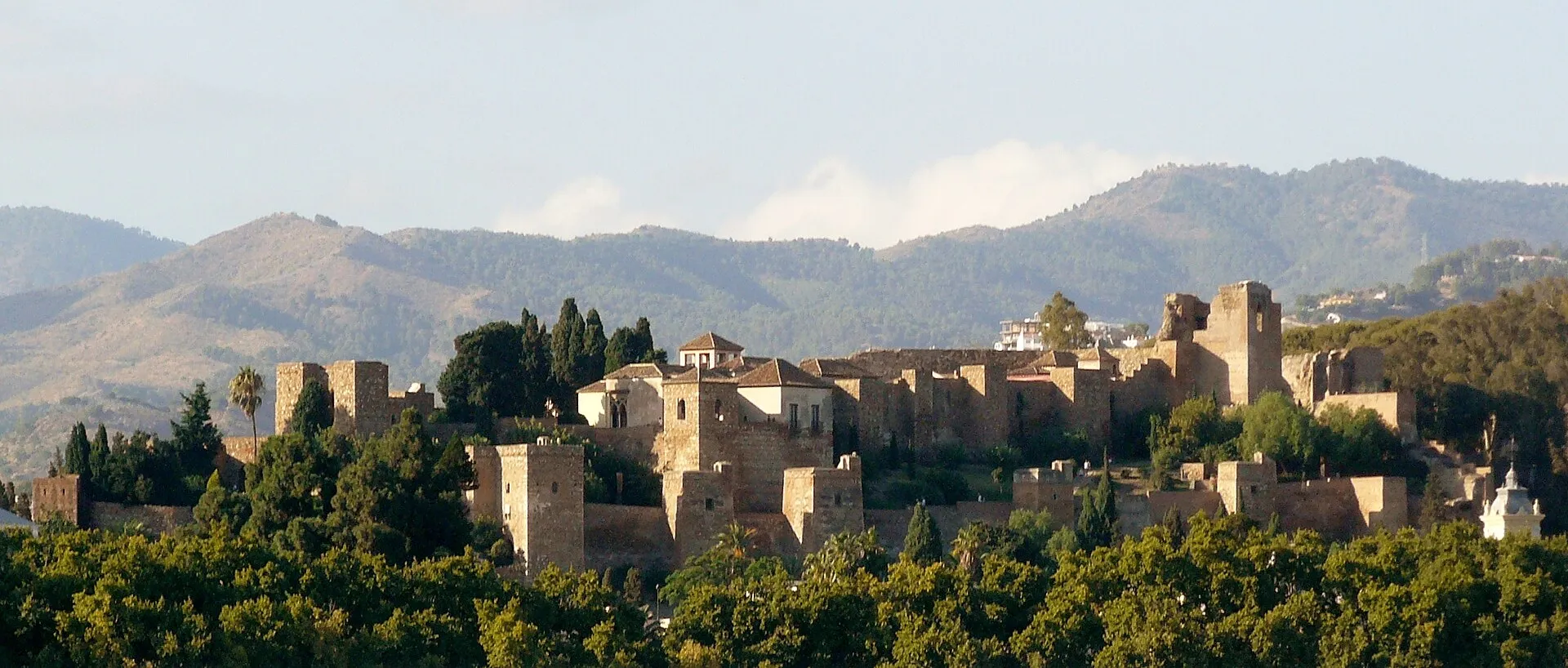
Alcazaba of Málaga timeline
- 1st century BC
Roman theatre built at the foot of the hill
A theatre is carved into the hillside during the reign of Augustus, serving the Roman city of Malaca; it will lie buried and forgotten for centuries beneath later construction.
- 1057–1063
The Alcazaba fortress-palace is built
During the Taifa period, Málaga's Berber rulers raise the double-walled citadel on the reused foundations of earlier fortifications, quarrying stone and columns from the Roman theatre below.
- 14th century
Nasrid renovations
The rulers of Granada remodel the palace quarters, adding the courtyards, fountains and gardens that echo the design philosophy later perfected at the Alhambra.
-
Málaga falls to the Catholic Monarchs
After a long siege in the Reconquista, Ferdinand and Isabella take the city; the first Christian mass is said to have been held at the fortress's Arco del Cristo.
-
The Roman theatre is rediscovered
Building works uncover the long-buried theatre at the base of the Alcazaba, and decades of excavation and restoration return both monuments to public view.
Notable Rooms
Puerta de las Columnas: The entrance gate reuses Roman marble columns hauled up from the theatre below — the clearest sign of how one civilization built on another. Arco del Cristo: A horseshoe-arched gateway said to have hosted the first Christian mass after the 1487 conquest. Cuartos de Granada: The Nasrid palace quarters, a sequence of intimate courtyards, fountains and azulejo-tiled rooms that echo the Alhambra in miniature. Patio de la Alberca: A reflecting pool set among orange trees and clipped hedges, the heart of the palatial gardens. Torre del Homenaje: The keep at the highest point of the inner enclosure, once the last line of defence. Plaza de Armas: The parade ground, now planted with terraced gardens that spill down toward the port.
Fortification History
Double walls: Walk between the inner and outer defensive rings, once patrolled by Moorish soldiers guarding the palace within. Nasrid gardens: Fragrant courtyards with jasmine, bougainvillea and trickling fountains that echo the Alhambra's garden philosophy. Roman theatre: Stand inside a 1st-century amphitheatre at the fortress base, free to enter and remarkably well-preserved after its rediscovery in 1951. Port views: From the upper terraces, gaze across the harbour, the bullring and the Mediterranean stretching toward Africa. La Coracha walk: Follow the fortified rampart path uphill to Gibralfaro Castle for commanding 360-degree panoramas. Recycled Roman stone: Spot ancient marble capitals and column drums built directly into Moorish archways.
When to Visit
Summer (April-October): Monday-Sunday 9 AM-8 PM. Winter (November-March): Monday-Sunday 9 AM-6 PM, with last entry roughly 45 minutes before closing. Closed: December 24, December 25, December 31, January 1. Best time: Early morning (9-10 AM) for cooler temperatures and fewer visitors, or late afternoon when the low sun warms the sandstone walls. Golden hour: Late-afternoon light casts warm tones across the ramparts and is ideal for the port-facing terraces. Free-entry Sundays (from 2 PM) are the busiest window, so arrive well before to beat the queue.
Admission and Costs
Alcazaba only: €3.50 ($4). Combined Alcazaba + Gibralfaro Castle: €5.50 ($6) — the best value if you plan the uphill walk between the two. Guided group tour: €10-15 ($11-16) per person (1.5 hours, includes Alcazaba entry). Private guided tour: €15-20 ($16-22) per person (2 hours, Alcazaba + Roman theatre, minimum 2 people). Free entry: Sundays after 2 PM (limited availability, arrive early). The Roman theatre at the base is free year-round and worth visiting first for context.
The Case for a Guide
Signage inside the Alcazaba is sparse, so much of its story stays hidden without help — this is a place where a guide earns their fee. Layers of history: A good guide unravels how Phoenician, Roman and Moorish civilizations each left their mark on the same hillside, and why the Catholic Monarchs prized it after 1487. Architectural detail: The defensive towers, horseshoe arches and water engineering look merely scenic until someone explains their ingenious purpose. Garden symbolism: Nasrid gardens were designed as earthly reflections of paradise, and guides explain the meaning behind every fountain, channel and planting. Roman reuse: Guides point out the marble columns and capitals the Moors dismantled from the theatre below and rebuilt into the fortress above. Strategic overview: Understanding why this exact hilltop controlled the port, the river and the mountain pass turns a walk into a military-history lesson — and many guides pair the visit with the Picasso Museum or Málaga Cathedral for a fuller day.
Tips for Visitors
Wear sturdy shoes: The paths are uneven stone, steep in places and slippery when wet. Bring water: There are no vendors inside the fortress, and summer temperatures regularly top 35°C. Start early or late: Midday heat makes the exposed ramparts uncomfortable from June through September. Visit the theatre first: The free Roman theatre at the base sets the historical context before you climb into the Alcazaba. Buy the combined ticket if you intend to continue up La Coracha to Gibralfaro — it is cheaper than two separate entries. Getting there: The entrance is on Calle Alcazabilla beside the Roman theatre, a five-minute walk from the Plaza de la Merced; drivers should use the underground car parks near the Paseo del Parque, as the old centre is pedestrianised, and rail travellers arrive at Málaga María Zambrano about 25 minutes away on foot. Accessibility: A free lift from Calle Guillén Sotelo reaches the upper enclosure, so the Nasrid quarters and gardens are within reach without the cobbled climb, though the ramparts and some upper walkways still involve uneven stone steps. Photography: The terraces facing the port offer the best backdrop — morning light avoids backlit silhouettes.
Frequently Asked Questions
What time of year is best for exploring the Alcazaba of Málaga?
May, June and September are the sweet spot: the Costa del Sol sunshine lights up the sandstone walls and terraced gardens while temperatures stay manageable for the uphill walk. Winter visits are pleasant too, with January and February highs around 15°C, though the shorter afternoon hours mean the hilltop port views lose their golden light earlier. July and August are hot on the exposed ramparts, so save those months for an early-morning or late-afternoon climb.
What are the opening hours for the Alcazaba of Málaga?
The fortress opens daily from 9 AM, closing at 8 PM in summer (April to October) and 6 PM in winter (November to March), with the last entry roughly 45 minutes before closing. It shuts on December 24, 25 and 31 and on January 1. Arrive at opening for cooler air and thinner crowds, or come in the late afternoon when the low sun warms the walls for photographs across the port.
How much does it cost to visit the Alcazaba of Málaga?
General admission is €3.50 (about $4), and the combined ticket that also covers the Castillo de Gibralfaro on the summit is €5.50 (about $6) — the best value if you plan to walk up between the two. Entry is free every Sunday from 2 PM, though the queue builds quickly, so arrive early. Guided group tours run about €10-15 ($11-16) per person and private guides €15-20 ($16-22), usually including the entry fee.
How long should I spend at the Alcazaba, and can I combine it with Gibralfaro?
Allow about 1.5 to 2 hours to explore the double walls, the Nasrid palace quarters and the gardens without rushing. Many visitors then follow the fortified La Coracha rampart path uphill to the Castillo de Gibralfaro for panoramic views, which adds another hour or so plus a steep climb — budget half a day if you want both plus the free Roman theatre at the base. The combined ticket makes the pairing straightforward.
Is a guide worth hiring for the Alcazaba of Málaga?
For most visitors, yes. Signage inside the fortress is sparse, so a guide is what turns scenic towers and arches into a story — explaining how Phoenician, Roman and Moorish builders each shaped the same hillside, why the horseshoe arches and water channels were engineered as they were, and what the Nasrid garden symbolism meant. A knowledgeable guide also points out the Roman marble columns recycled into Moorish archways, detail you would otherwise walk straight past.
What should visitors know before visiting the Alcazaba of Málaga?
Wear sturdy shoes: the paths are uneven stone, steep in places and slippery when wet. Bring water, because there are no vendors inside the fortress and summer temperatures regularly top 35°C. A free lift from Calle Guillén Sotelo reaches the upper enclosure, so the Nasrid quarters and gardens are accessible without the steep climb, though the ramparts and outer walls still involve uneven stone steps. Start at the free Roman theatre at the base to set the historical context before you climb.
How do I get to the Alcazaba of Málaga, and is there step-free access?
The entrance is on Calle Alcazabilla in the historic centre, beside the Roman theatre and about a five-minute walk from the Plaza de la Merced, so most visitors arrive on foot from the old town. If the steep cobbled ramp is a concern, a free public lift rises from Calle Guillén Sotelo behind the town hall and delivers you to the upper enclosure beside the Nasrid palace quarters. Drivers should use the underground car parks near the Paseo del Parque, as the surrounding streets are pedestrianised.