
Tips for Visitors
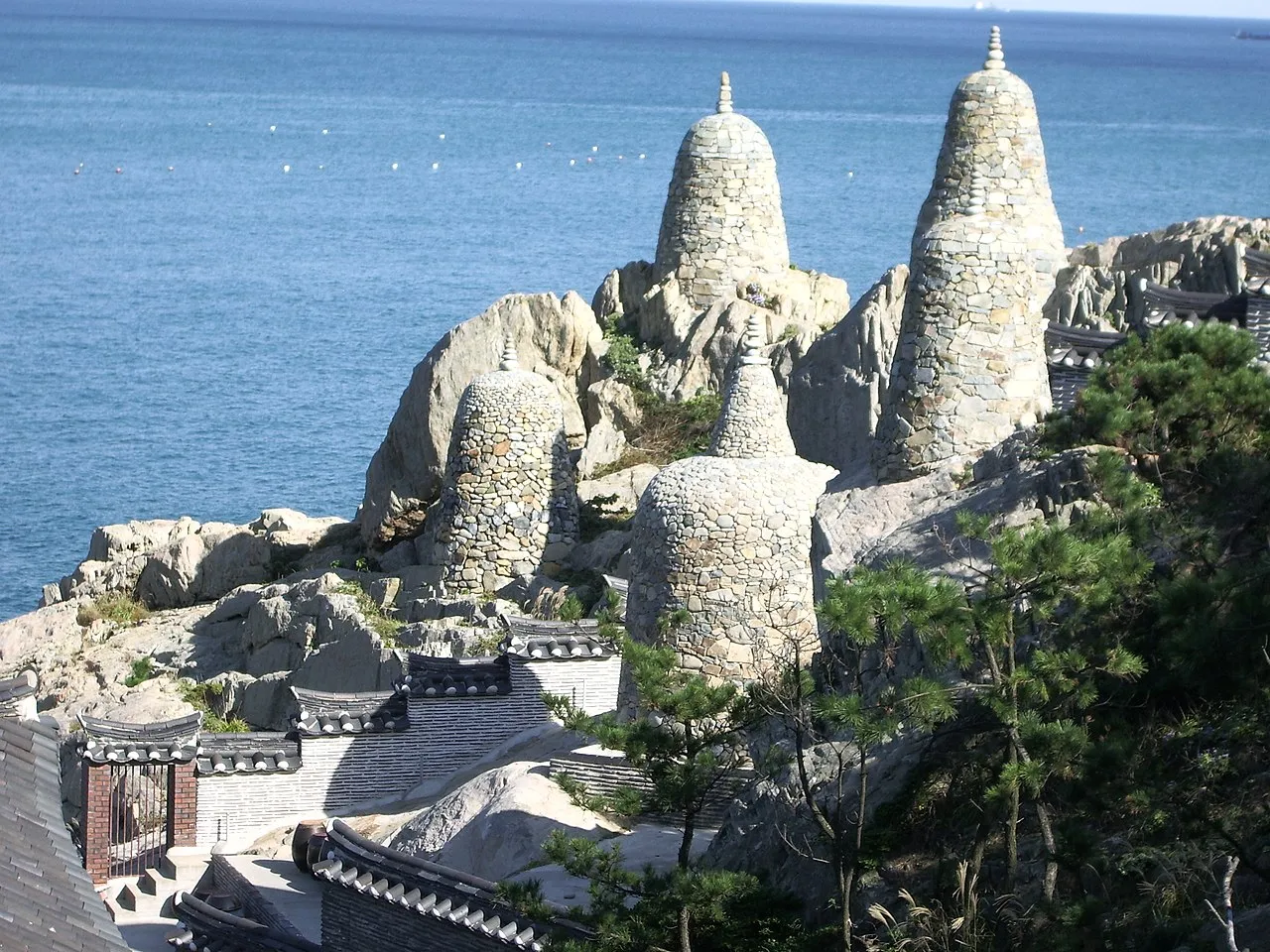
Dress code: Cover shoulders and knees as at all Korean Buddhist temples. Winter sunrise: The January–February sunrise over the East Sea from the temple's rocky terrace is one of Busan's most dramatic sights — worth the cold and the crowds on New Year's Day. Footwear: The rocky descent to the lower temple areas has some uneven stone; wear shoes with grip. Combine with: Gwangalli Beach and Haeundae Beach are on the same coastal day-tour route. Photography: The best angle of the main pagoda and sea-facing buildings is from the stone steps at mid-approach, looking toward the water — arrive when the sun is behind you (morning for east-facing shots).
When to Visit
Open: Daily sunrise to sunset (approximately 5 AM – 9 PM in summer, 6 AM – 8 PM in winter). New Year's Day: The temple opens from midnight for first-sunrise prayers — arrive by 5 AM for the best position. Best weekday time: 8–10 AM for quiet coastal atmosphere before tour groups arrive.
Admission and Costs
Temple entry: Free. Incense and prayer offerings: ₩1,000–3,000. Bus from Haeundae station: Approximately ₩1,400 (T-money). Taxi from Haeundae: Approximately ₩8,000–12,000.
The Case for a Guide
Haedong Yonggungsa's coastal location creates immediate visual impact, but the temple's iconography, ritual significance, and the specific meaning of each sculptural element along the approach require guidance to understand.
- Buddhist coastal symbolism: The Haesu Gwaneum deity manifested at the ocean edge, the significance of praying here for one wish versus the mountain-temple tradition, and why the founding monk chose ocean over mountain — a guide explains this theological distinction in Korean Buddhism
- The 12 zodiac statues: The stone animal statues lining the descent staircase represent the 12-year lunar cycle; a guide identifies your zodiac animal and explains how Korean New Year traditions connect to this specific approach
- Four Heavenly Kings gate: The four fierce guardian deity statues flanking the main gate have specific names, weapons, and directions they guard — most visitors walk past without knowing these details
- Morning ritual observation: Haedong Yonggungsa hosts morning Buddhist services (yebul) that visitors may observe with appropriate etiquette; a guide ensures you position correctly and explains what you are witnessing
Frequently Asked Questions
Why is Haedong Yonggungsa Temple built on the ocean?
Most Korean Buddhist temples are built on mountain ridges following the pungsu (geomancy) principle that mountains channel spiritual energy. Haedong Yonggungsa breaks this tradition deliberately — it was founded in 1376 by the monk Naong Hyegeun on oceanside cliffs after a dream in which the Sea God appeared and designated this coastal site as sacred. Worshippers believe praying here grants one wish, and the location facing the open sea was associated with the Haesu Gwaneum — the Bodhisattva of Compassion manifested as a protector of the ocean.
When is the best time to visit Haedong Yonggungsa?
Sunrise on New Year's Day and the first day of the lunar new year draw enormous crowds of Koreans who come to pray for the year ahead while watching the first sunrise over the East Sea from the temple cliffs. For a quieter visit, weekday mornings from 8 to 10 AM allow calm circumambulation of the main hall and the coastal rocks. Summer weekends and public holidays are heavily crowded. The temple is particularly atmospheric in light sea mist or after rain, when the rocks steam and the crashing waves provide constant background sound.
How do you reach Haedong Yonggungsa Temple?
From central Busan, take the subway to Haeundae or Jangsan station, then bus 181 directly to the temple (approximately 20–25 minutes from Haeundae). Taxis from Haeundae Beach take about 15 minutes. The temple is 20 km from central Busan — not walkable from downtown and best combined with a guided day tour of the northern coast.