
Country guide
What makes South Korea a must-visit destination?
South Korea compresses extraordinary variety into a peninsula slightly smaller than England. Seoul's royal palaces sit minutes from futuristic glass towers; ancient Buddhist temples cling to mountain ridges above motorway tunnels; and the port city of Busan answers every food craving with raw fish so fresh it barely left the sea. Five thousand years of recorded history coexist with one of the world's most digitally connected, trend-setting cultures.
For visitors, a Korean-speaking guide converts bewilderment into delight. The Confucian etiquette governing meals, greetings, and temple visits is invisible without context; the subway system requires linguistic literacy to use efficiently; and the back-alley pojangmacha stalls serving the most authentic food are found only by locals who know where to look.
- Language
- Korean Widely spoken across South Korea
- Currency
- South Korean won (₩) Legal tender across South Korea
- Time zone
- UTC+9 (KST) Local time in South Korea
- Power plugs
- Types C, F · 220V Sockets used across South Korea
- Getting around
- KTX high-speed rail Getting between South Korea's cities
- Best months
- Mar, Apr, May, Jun, Sep, Oct, Nov Averaged across South Korea's city ratings
South Korea timeline
-
Silla unifies kingdoms
Unified Silla shaped Buddhist art, royal tombs, and early Korean state memory.
-
Joseon dynasty begins
Joseon rule shaped Seoul palaces, Confucian sites, and Korean court culture.
-
Liberation from Japan
The end of colonial rule frames modern memorials and national identity.
-
Armistice signed
The Korean War armistice left the DMZ and divided-peninsula story visitors still encounter.
-
Seoul Olympics
The Games announced South Korea's modern urban and economic transformation.
-
Pyeongchang Olympics
The Winter Games added a global sports layer to South Korea's modern visitor story.
Local context
Culture and travel signals
15.1 million international arrivals in 2023
South Korea's tourism recovery following the pandemic accelerated through 2023, with inbound visitors drawn by the global reach of K-pop, K-drama content, and Korean cuisine — a cultural export wave the Korean Tourism Organization calls the Hallyu or Korean Wave
5 UNESCO World Heritage cultural sites including Changdeokgung Palace complex
South Korea's UNESCO listings span royal palaces, ancient Buddhist mountain monasteries, prehistoric dolmen fields, and the confucian Joseon-dynasty seowon academies — together constituting over a thousand years of continuous documented heritage
Koreans consume 7.4 kg of kimchi per person annually
The fermented vegetable dish is registered on UNESCO's Intangible Cultural Heritage list; a single household may prepare dozens of kimchi varieties using seasonal vegetables across the kimjang (winter fermentation) tradition
Seoul's metro system carries 7.5 million passengers daily
With 23 lines and over 900 stations, the Seoul Metropolitan Subway is one of the world's largest urban rail networks — a guide who knows the system can eliminate the navigation confusion that defeats many first-time visitors
Source: tour-guide.com — Free to cite with attribution
Season planner
A year in South Korea
Use this best time to visit snapshot as a country-wide average, then check the city guides for local timing.
Mar-May
Spring
Spring is South Korea's strongest guide window — Mar-May (4.7/5) across its cities.
Jun-Aug
Summer
Summer stays workable in South Korea at Jun-Aug (3.3/5), so lean on city-by-city timing.
Sep-Nov
Autumn
Autumn is South Korea's strongest guide window — Sep-Nov (4.7/5) across its cities.
Dec-Feb
Winter
Winter stays workable in South Korea at Dec-Feb (3/5), so lean on city-by-city timing.
Where should you go in South Korea?
The Capital
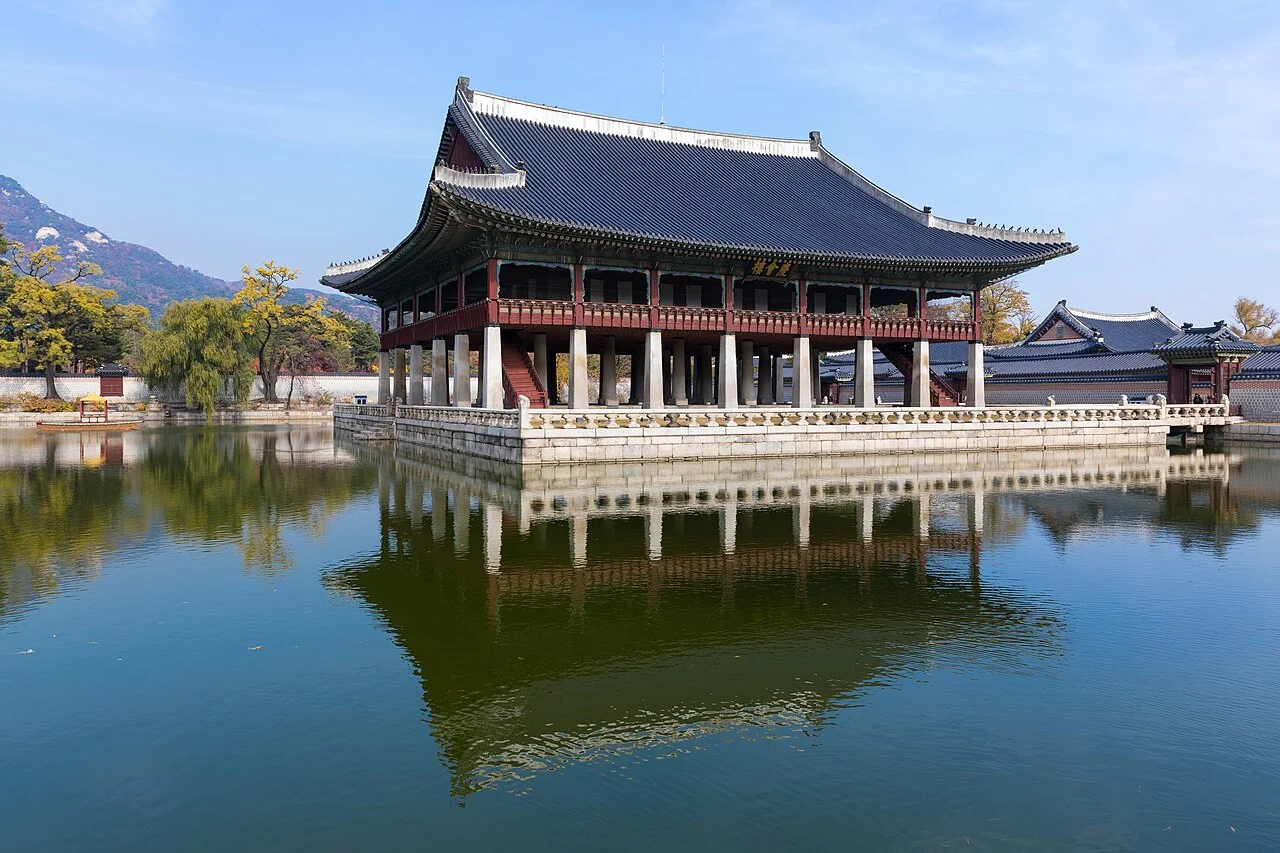
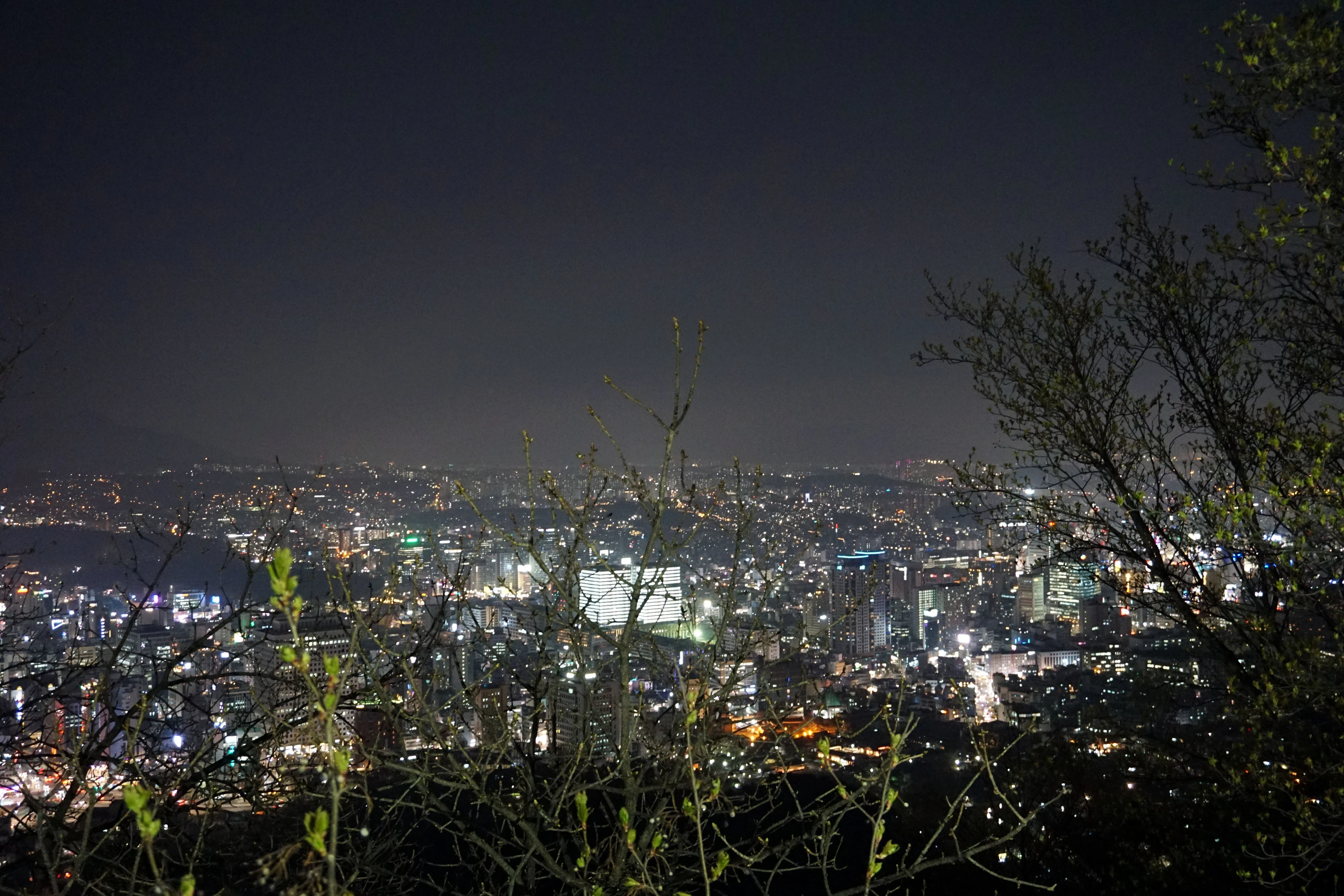
Seoul anchors the Korean experience — five UNESCO-listed palaces, the winding alleys of Bukchon Hanok Village, the neon glow of Myeongdong, and the fortress walls of Inwangsan mountain all within walking distance of each other. A palace district tour with a guide who knows Joseon-dynasty court ritual transforms stone courtyards into living history.
The Southern Coast
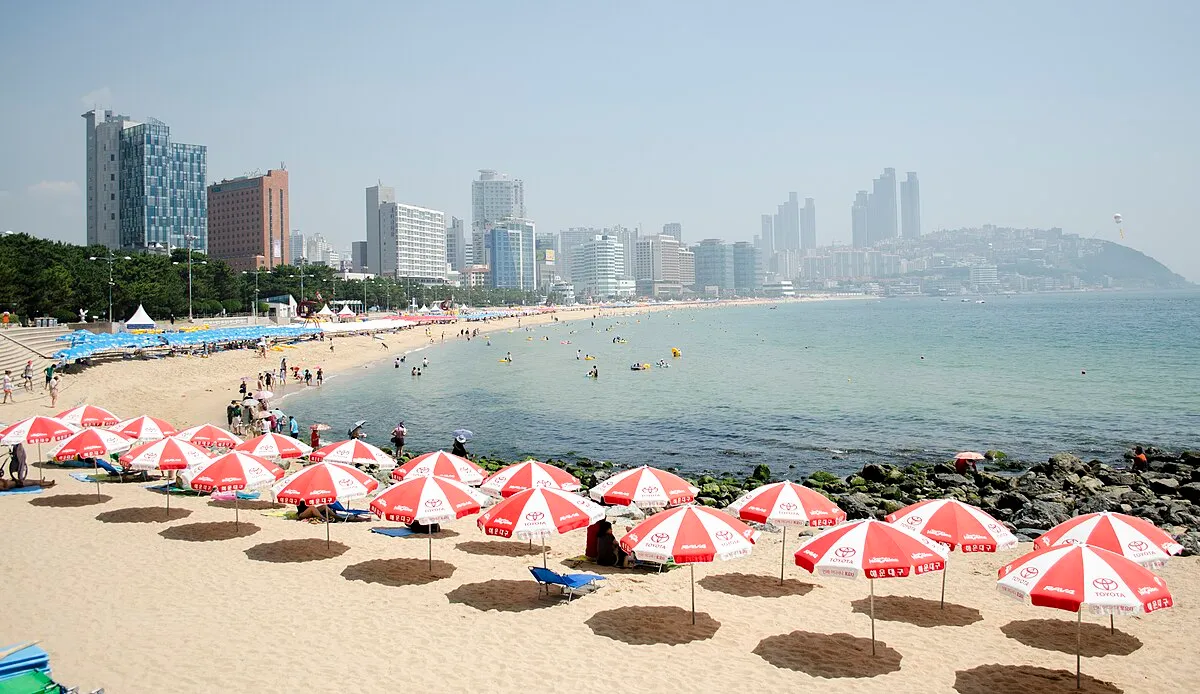
Busan earns its reputation as Korea's second city with a character entirely its own: the pastel-painted Gamcheon Culture Village cascading down steep hillsides, the raw seafood chaos of Jagalchi Fish Market, and the ocean-cliff drama of Haedong Yonggungsa Temple make it unmissable. The city moves at a different tempo from Seoul — louder, saltier, more immediate.
Gyeongju
The ancient Silla Kingdom capital earns the nickname museum without walls — burial mounds sit in city parks, pagodas rise from residential streets, and the hilltop monastery of Bulguksa makes a day trip that resets every assumption about Korean antiquity.
Must-see attractions across South Korea
Skip straight to the landmarks that define South Korea, spread across the cities below. A local guide turns any of them into a richer half-day.
What do visitors need to know about South Korea?
Finding a Guide
- Korea Tourism Organization — maintains a certified guide directory with language and regional filters at visitkorea.or.kr
- GetYourGuide, Viator, and Klook — feature verified local guides with English reviews and instant booking
- K-Heritage platforms — specialist operators focused on palace immersion, temple-stay programs, and Korean cooking experiences
- Hotel concierges in Seoul and Busan — maintain relationships with licensed guides who handle customized requests
Typical Costs
| Tour Type | Price Range |
|---|---|
| Group cultural walk (3–4 hrs) | 30,000–50,000 KRW ($22–37) per person |
| Food tour with tastings | 60,000–100,000 KRW ($44–74) per person |
| Private half-day guide | 150,000–250,000 KRW ($110–185) |
| Private full-day guide | 250,000–400,000 KRW ($185–295) |
| Multi-day specialist (temples, filming locations) | 350,000–500,000 KRW per day |
Must-See Experiences
- Gyeongbokgung Palace — Joseon dynasty throne halls and changing-of-the-guard ceremony
- Haedong Yonggungsa Temple — coastal cliffside Buddhist temple above crashing waves
- Jagalchi Fish Market — Korea's largest seafood market with a guide who orders for you
- Bukchon Hanok Village — preserved traditional wooden houses with palace views
- DMZ tour — the Demilitarized Zone requires a licensed guide and offers stark Cold War history
Tips for Visitors
- Transport card — T-money card works on buses, subway, and convenience stores; load it at any subway station
- Temple etiquette — remove shoes before entering shrine halls; avoid pointing at Buddhist images
- Tipping — not customary in South Korea; a sincere thank-you is preferred
- Eating customs — wait for the eldest at the table to eat first; don't stick chopsticks upright in rice
- Seasonal crowds — cherry blossom season (late March–early April) requires advance booking of 4–6 weeks minimum
- K-pop and drama tours — specialist guides for filming locations and fan experiences are increasingly popular and book fast
Frequently Asked Questions
What is the best time of year to visit South Korea?
Spring — late March through early May — is South Korea's most celebrated travel season, when cherry blossoms erupt across Seoul's Yeouido park, the slopes above Gyeongju, and the coastal boulevard of Jinhae in one of Asia's most spectacular flower displays. Autumn from late September through November brings equally dramatic foliage to mountain national parks like Seoraksan and Naejangsan, with crisp air and clear skies ideal for hiking and outdoor exploration. Summers are hot and humid with a rainy monsoon season in July and August — still manageable but less comfortable for extensive sightseeing. Winters are cold and dry, but this is also peak ski season in the resorts of Gangwon Province, and Seoul's palaces take on a spare, atmospheric beauty dusted with snow.
How much does a private tour guide cost in South Korea?
South Korea sits at the mid-range of Asian tour pricing. Group cultural walks through Seoul's palace district or Bukchon Hanok Village cost 30,000–50,000 KRW ($22–37) per person. Private half-day guides who customise itineraries around your interests — temple stays, traditional market cooking, K-drama filming locations — typically range from 150,000–250,000 KRW ($110–185). Food-focused tours in cities like Busan run 60,000–100,000 KRW per person and include substantial tastings at pojangmacha stalls and raw fish markets like Jagalchi Fish Market.
Do I need to speak Korean to travel in South Korea?
Korean uses a unique script called Hangul, and while it is phonetically systematic and learnable in a day, menus, transport signs, and temple inscriptions remain largely inaccessible without some preparation. English proficiency is growing rapidly in Seoul and among younger Koreans, but shrinks considerably outside the capital. A guide bridges this gap practically — translating orders at authentic Korean BBQ spots, explaining Confucian protocols at royal tombs, and navigating the subway system that can bewilder first-time visitors with its sheer scale. In Busan especially, neighbourhood spots like Gamcheon Culture Village and Haedong Yonggungsa Temple reward visitors who arrive with a Korean-speaking guide.