
Country guide
What makes Iceland a must-visit destination?
Iceland sits astride the Mid-Atlantic Ridge, the submarine mountain chain where the North American and Eurasian plates pull apart at roughly 2.5 cm a year — and it is one of the only places on Earth where that boundary rises clear above the sea. The result is a landscape in a state of permanent creation: around thirty active volcanic systems, geysers driven by shallow magma, glaciers that bury some 11% of the island — including Vatnajökull, the largest ice cap in Europe by volume — and lava fields so young they have not yet grown soil. The Norse settlers who sailed from Norway and the British Isles in the 9th century named the country Ísland for the pack ice that threatened its northern coasts, not for permanent glaciation. At Þingvellir, an hour east of the capital, you can walk through the fissures where the two continents are visibly drifting apart — the same rift valley where the settlers convened their assembly in 930 CE, now a UNESCO World Heritage Site.
The island offers two entirely different spectacles depending on when you come. From late September to March, long polar nights create the darkness needed for the Northern Lights — geomagnetic storms that hang green, pink, and violet curtains above frozen waterfalls and black lava. From June to July, the midnight sun reverses everything: the sun barely dips below the horizon, hiking trails stay walkable at midnight, humpbacks feed offshore around the clock near Húsavík, and puffins wheel around clifftop colonies in perpetual daylight. The shoulder months of May and September blend manageable crowds with reliable access, while the Highland interior — reached only by the gravel F-roads — opens for barely three months, typically mid-June to September, before winter seals it off again.
Few countries reward a knowledgeable guide as richly. Icelandic weather can turn from sunshine to whiteout in under an hour on the Highlands, unbridged river crossings on the F-roads demand experienced judgement, and the aurora is chased rather than found, using real-time forecasts from the Veðurstofa (Icelandic Met Office) and knowledge of which roads stay passable after a storm. Guides also unlock the adventures the landscape is built for — glacier hikes and blue ice caves on Vatnajökull and the Mýrdalsjökull ice cap above Vík, snorkelling the crystal-clear Silfra fissure between the tectonic plates at Þingvellir, and multi-day treks across the rhyolite hills of Landmannalaugar. Beyond safety and access, they decode the ground itself, connecting the geology visible at every stop to the Viking literary culture that produced the Sagas and gave this small nation one of the highest sustained literacy rates in the world.
- Language
- Icelandic Widely spoken across Iceland
- Currency
- Icelandic króna (kr) Legal tender across Iceland
- Time zone
- UTC+0 (GMT) Local time in Iceland
- Power plugs
- Types C, F · 230V Sockets used across Iceland
- Getting around
- Self-drive Ring Road Getting between Iceland's cities
- Best months
- May, Jun, Jul, Aug, Sep Averaged across Iceland's city ratings
Iceland timeline
-
Norse settlement begins
Settlement traditions place Ingolfur Arnarson in Reykjavik, opening Iceland's human story.
-
Althing founded
The assembly at Thingvellir became one of the world's oldest parliamentary traditions.
-
Old Covenant with Norway
The agreement ended the Commonwealth period and linked Iceland to Norwegian rule.
-
Laki eruption
The Laki fissure eruption devastated farmland and famine reshaped how Icelanders live with volcanic risk.
-
Republic founded
Iceland became a republic at Thingvellir, tying modern statehood to the saga landscape.
-
Surtsey rises from the sea
A submarine eruption off the south coast birthed a new island, now a protected UNESCO natural laboratory.
-
Financial crisis
The crash changed politics, tourism economics, and the way Reykjavik presents recent history.
-
Volcano draws attention
The Eyjafjallajokull eruption put Icelandic geology and volcanic travel on the global map.
-
Reykjanes reawakens
Eruptions at Fagradalsfjall began a new volcanic cycle on the peninsula near Reykjavik and Keflavik airport.
Iceland in Pictures
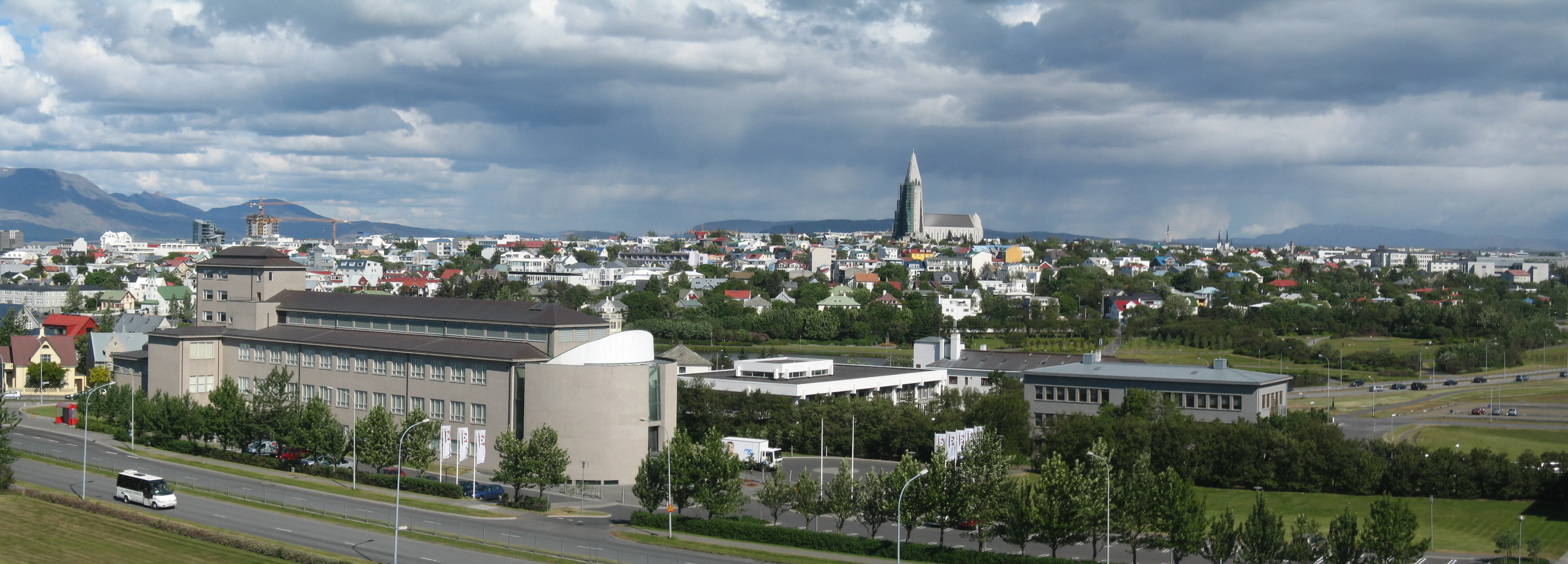
Local context
Culture and travel signals
Iceland has around 30 active volcanic systems along the Mid-Atlantic Ridge
The island straddles the boundary where the Eurasian and North American plates pull apart at roughly 2.5 cm per year, driving the geological hyperactivity that produces volcanoes, geysers, hot springs, and lava fields — from Fagradalsfjall on the Reykjanes Peninsula near Reykjavik to Hekla and Katla in the south
Glaciers cover about 11% of Iceland, and Vatnajökull is Europe's largest ice cap by volume
Vatnajökull alone blankets roughly 7,700 km² of the southeast and reaches nearly a kilometre thick in places, feeding the outlet glaciers, winter ice caves, and the Jökulsárlón lagoon that make guided glacier hiking one of Iceland's signature adventures
Þingvellir sits in the rift valley of the Mid-Atlantic Ridge and is a UNESCO World Heritage Site
At Þingvellir visitors can walk through the fissures where the continental plates are visibly separating; the same valley hosted the Alþingi open-air assembly from 930 CE, uniting Iceland's raw geology with its founding political history an hour east of Reykjavik
Geothermal district heating supplies about 90% of Iceland's home heating
Naturally heated water is piped directly from underground reservoirs into radiators across Reykjavik and most towns, making Iceland one of the cleanest-heated countries on Earth and keeping domestic energy costs among the lowest in Europe despite its remote North Atlantic location
Renewable geothermal and hydropower generate close to 100% of Iceland's electricity
Hydropower provides roughly 70% of generation and geothermal most of the remainder, giving Iceland one of the world's highest shares of renewable electricity and attracting energy-intensive industries such as aluminium smelting that would be unviable on fossil power elsewhere
The Alþingi, founded at Þingvellir in 930 CE, is the world's oldest surviving parliament
The Vikings who settled Iceland convened the Alþingi at Þingvellir in 930 CE, establishing a legislative assembly that has continued — with interruptions — to the present day; Iceland later became the first country to elect a female head of state when Vigdís Finnbogadóttir became president in 1980
Iceland welcomes well over two million foreign visitors a year — more than five times its population
Tourism overtook fishing and aluminium as Iceland's largest export sector during the 2010s; the vast majority arrive through Keflavík International Airport and fan out along the Ring Road, which is why booking guides and Highland accommodation months ahead is essential in the June–August peak
Source: tour-guide.com — Free to cite with attribution
Season planner
A year in Iceland
Use this best time to visit snapshot as a country-wide average, then check the city guides for local timing.
Mar-May
Spring
Spring stays workable in Iceland at Mar-May (3.3/5), so lean on city-by-city timing.
Jun-Aug
Summer
Summer is Iceland's strongest guide window — Jun-Aug (5/5) across its cities.
Sep-Nov
Autumn
Autumn stays workable in Iceland at Sep-Nov (3/5), so lean on city-by-city timing.
Dec-Feb
Winter
Winter is Iceland's quietest stretch at Dec-Feb (2.7/5) — plan narrower, local days.
Where should you go in Iceland?
Iceland's towns thread along Route 1, the Ring Road — a roughly 1,300-kilometre loop that circles the coast and links every region below. Most visitors settle into one or two of these hubs and radiate outward on day trips, pairing a southern base for the Golden Circle with a northern one for the Diamond Circle.
The Capital
Reykjavik is one of the world's smallest capitals by population but one of its most culturally concentrated — the Hallgrímskirkja church rises above a city of colourful corrugated-iron houses, geothermal swimming pools, and a restaurant scene that has quietly become one of the most adventurous in northern Europe. It is the gateway to the Golden Circle, the South Coast, and the Reykjanes Peninsula, making it the obvious base for exploring the country's most iconic natural sites.
The North
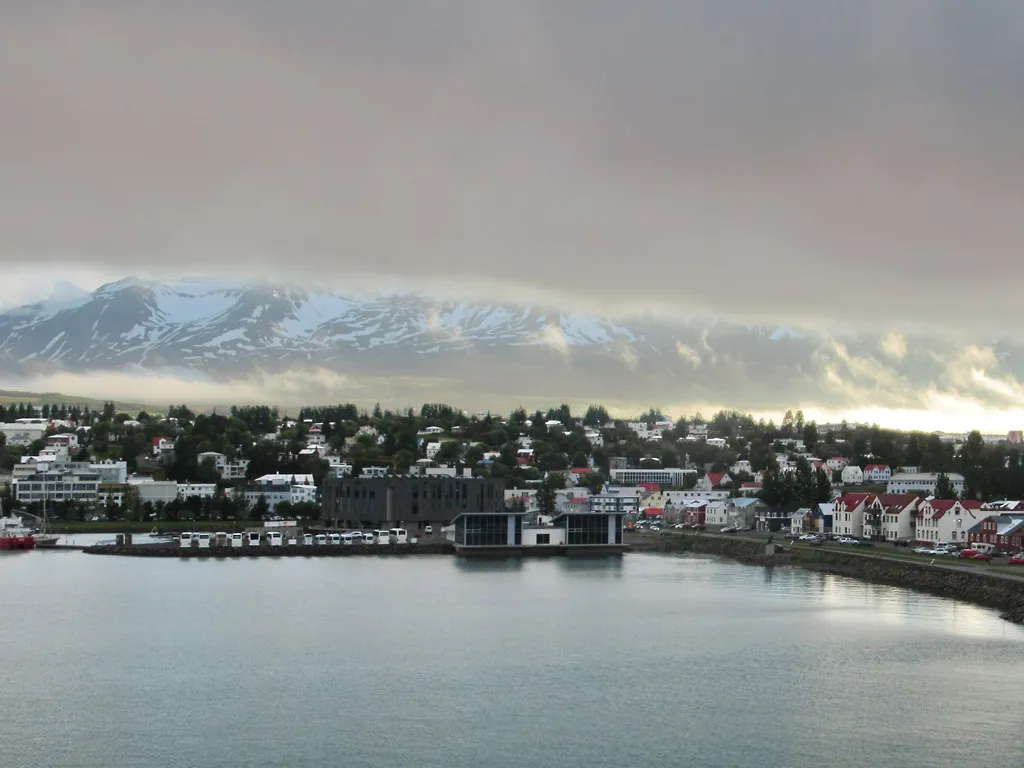
Akureyri anchors Iceland's north from its position at the inner arm of Eyjafjörður fjord, serving as the base for the Diamond Circle — the northern equivalent of the Golden Circle, encompassing Húsavík, the thundering Dettifoss waterfall, the Ásbyrgi horseshoe canyon, and the geothermal wonderland of Mývatn. Iceland's second city is small by any measure but remarkably cosmopolitan, with a botanical garden that operates at a latitude that should make plant cultivation impossible.
Europe's Whale Watching Capital
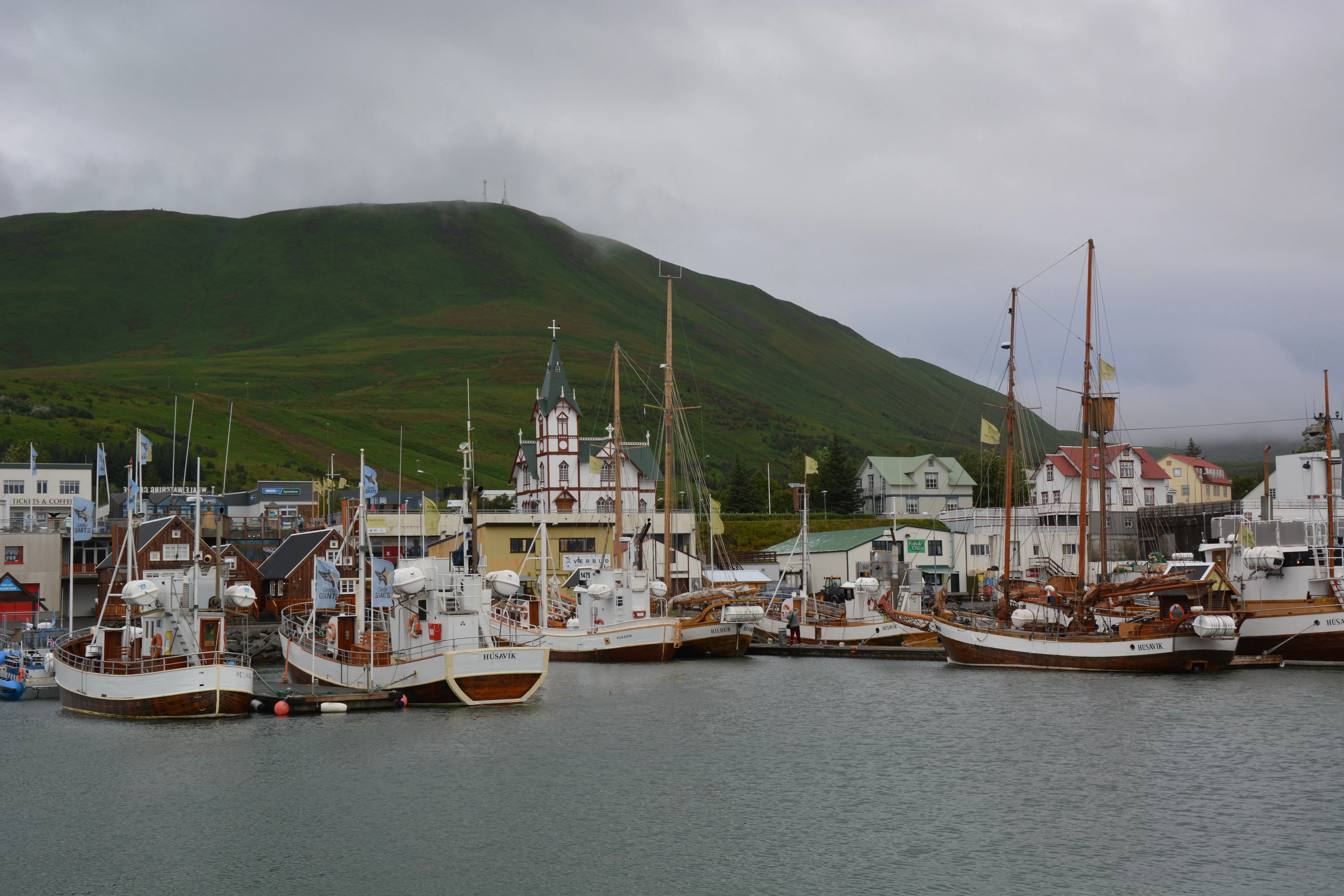
Húsavík has built its entire identity around the whales that feed in Skjálfandi Bay — humpbacks, minkes, and occasional blue whales that surface within sight of the harbour. The Húsavíkurkirkja wooden church, the colourful waterfront, and the Whale Museum combine to make it one of the most distinctive small towns in the country, and its position on the Diamond Circle — alongside Ásbyrgi canyon and Europe's most powerful waterfall, Dettifoss — makes it a natural overnight stop between Akureyri and the northeast.
The South Coast
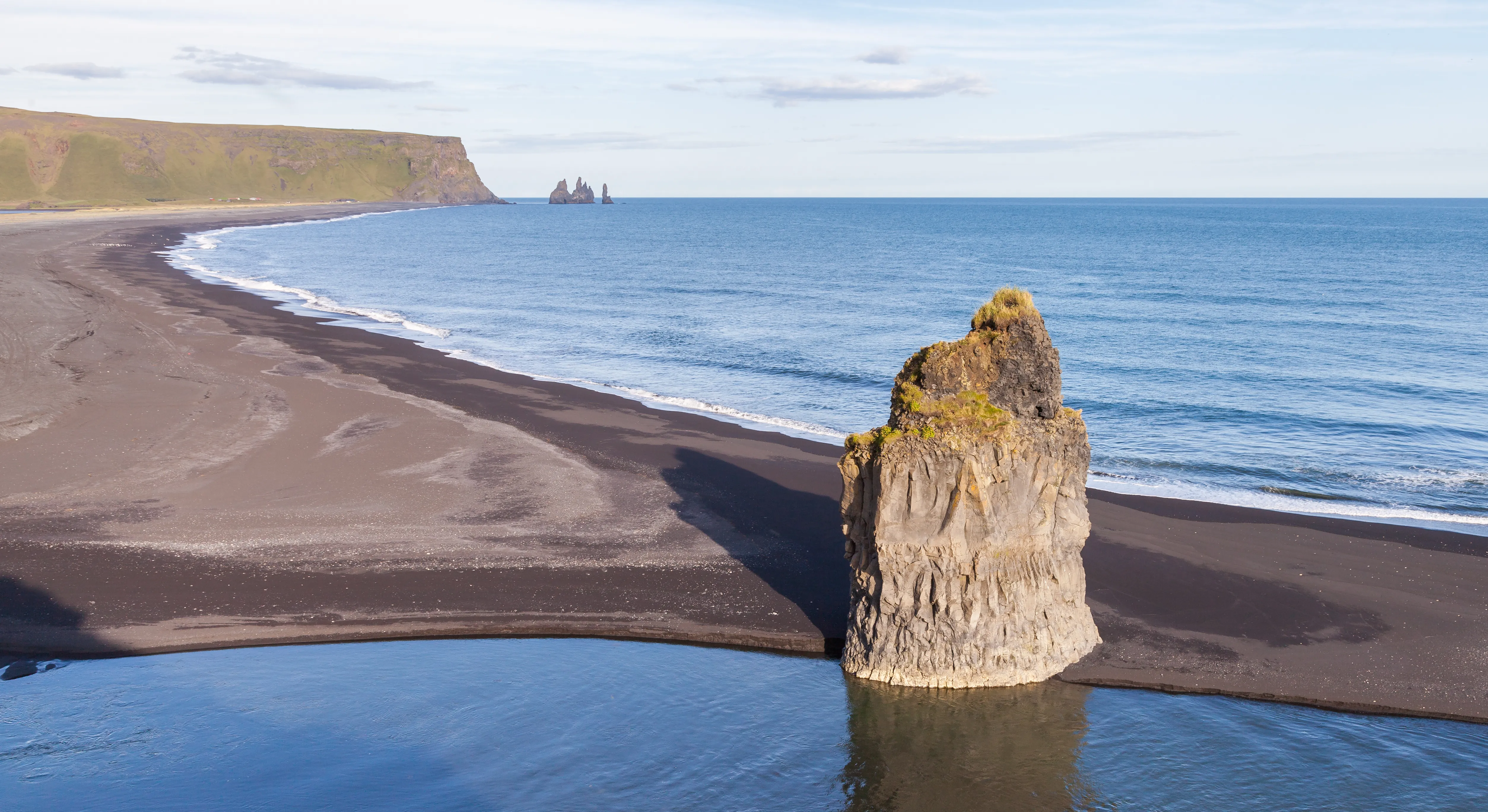
Vík marks the end of the paved South Coast road and the beginning of Iceland's most dramatic coastal scenery. The jet-black sand of Reynisfjara beach and the basalt sea stacks of Reynisdrangar are among the most photographed landscapes in the country, and the village sits within striking distance of Mýrdalsjökull glacier, the Dyrhólaey arch, and summer puffin colonies on the clifftops.
Golden Circle Gateway
Selfoss is less a destination than a strategic base — Iceland's largest town in the agricultural south, positioned within an hour's drive of Þingvellir, Geysir, and Gullfoss, the three landmarks that define the Golden Circle itinerary. The Kerið volcanic crater lake north of town is an underrated addition to any Golden Circle day, and the surrounding dairy farms produce the skyr that has been Iceland's defining food since the Viking Age.
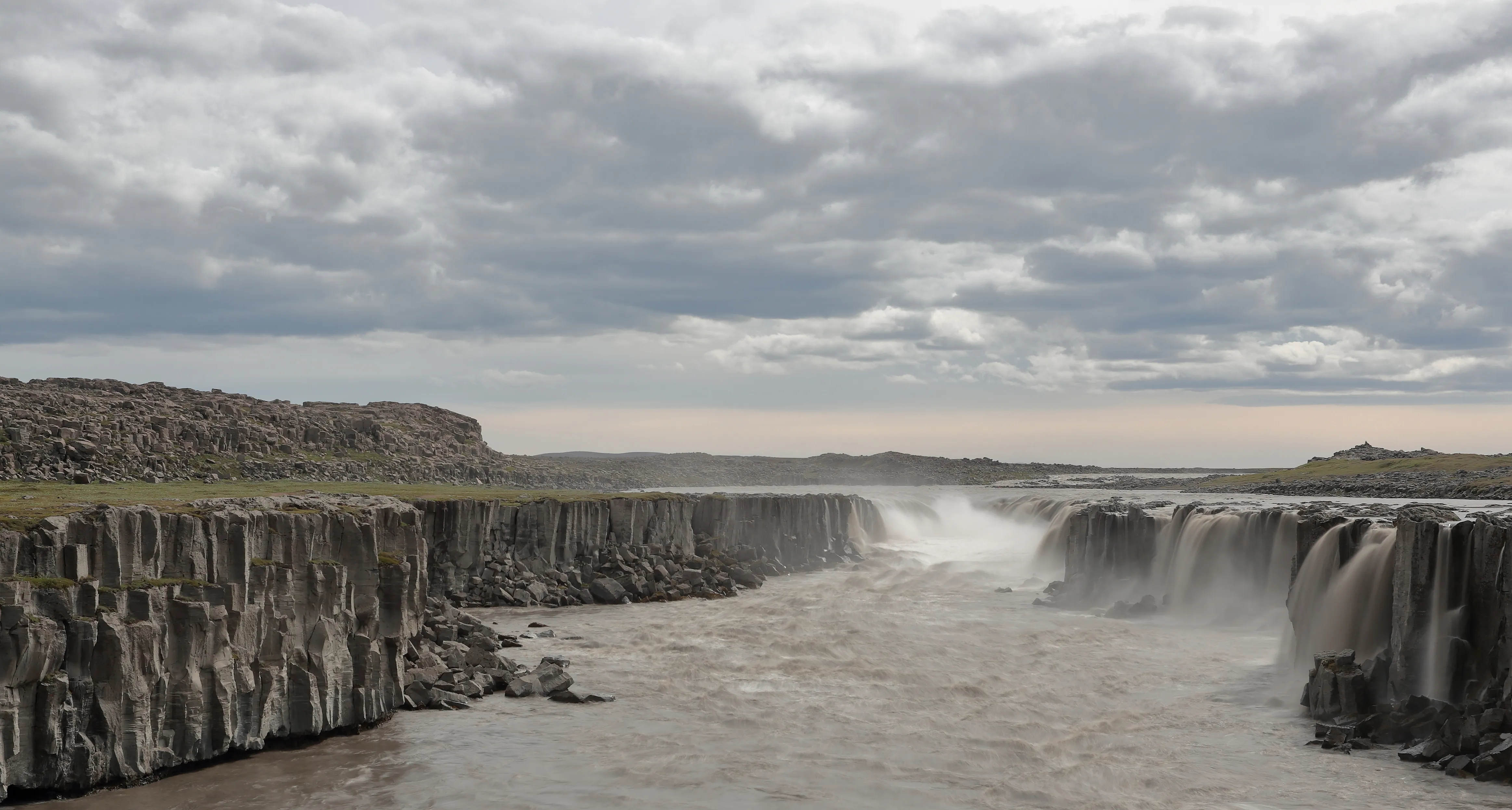
Must-see attractions across Iceland
From coast to capital, here are the places worth building a Iceland itinerary around — and the kind of detail a guide fills in on site.
What do visitors need to know about Iceland?
Finding a Guide
- Guide to Iceland is the country's largest tour booking platform, listing licensed operators for everything from Golden Circle day tours to multi-day Highland F-road expeditions and Northern Lights chases.
- Ferðafélag Íslands (Iceland Touring Association) maintains the Highland hut network and organises guided hiking tours on the most remote interior routes.
- Samband íslenskra ferðaþjónustu (SAF) — the Icelandic Travel Industry Association — maintains a directory of licensed operators and can verify guide credentials.
- Reykjavik tourist information at Tjarnargata 11 books licensed guides for city walks, whale watching, and day excursions to the Golden Circle and South Coast.
Outdoor Adventures
Iceland is built for the outdoors, and most signature experiences run in some form year-round with the right guide and gear:
- Glacier hiking and ice caving — Crampon walks on the outlet tongues of Vatnajökull and Mýrdalsjökull above Vík, and, from November to March, tours into the electric-blue ice caves that reform beneath the ice each winter
- Snorkelling and diving Silfra — The Silfra fissure at Þingvellir lets you drift between the North American and Eurasian plates in glacial meltwater filtered for decades through lava rock, with visibility often exceeding 100 metres
- Highland trekking — The multi-day Laugavegur trail links Landmannalaugar to Þórsmörk across rhyolite mountains and hot springs; the huts and interior open only from roughly mid-June to September
- Whale watching — Skjálfandi Bay off Húsavík is one of Europe's most reliable grounds for humpbacks, minkes, and even blue whales from May to October
- Super-jeep and snowmobile tours — Modified 4x4s and sleds reach glaciers, craters, and river crossings that ordinary vehicles cannot, especially through the winter months
- Northern Lights chases — Small-group tours track the Veðurstofa aurora forecast and cloud maps, driving up to 150 km from base to find clear, dark sky
When to Go
- June–August — Midnight sun, warmest weather (10–15°C), full Highland and F-road access, and peak whale watching; book guides and rooms months ahead
- September–October — Autumn colour in the moss and birch, thinning crowds, and the first strong aurora nights as darkness returns
- November–February — Deep polar nights ideal for the Northern Lights and ice caves; short days and frequent storms reward flexible, guide-led plans
- March–May — Lengthening days, lower prices, and reopening roads; late May brings the first puffins back to the south-coast cliffs
Typical Costs
| Tour Type | Price Range |
|---|---|
| Golden Circle group day tour | ISK 9,000–14,000 (€60–95) per person |
| South Coast group day tour | ISK 11,000–16,000 (€75–110) per person |
| Whale watching (Húsavík, group) | ISK 12,000–18,000 (€80–120) per person |
| Private half-day city guide | ISK 60,000–90,000 (€400–600) for up to 6 |
| Northern Lights small-group chase | ISK 10,000–16,000 (€65–110) per person |
| Multi-day Highland F-road expedition | ISK 120,000–250,000 (€800–1,700) per person |
Must-See Experiences
- Hallgrímskirkja — Iceland's largest church, with a tower observation deck for 360° Reykjavik views
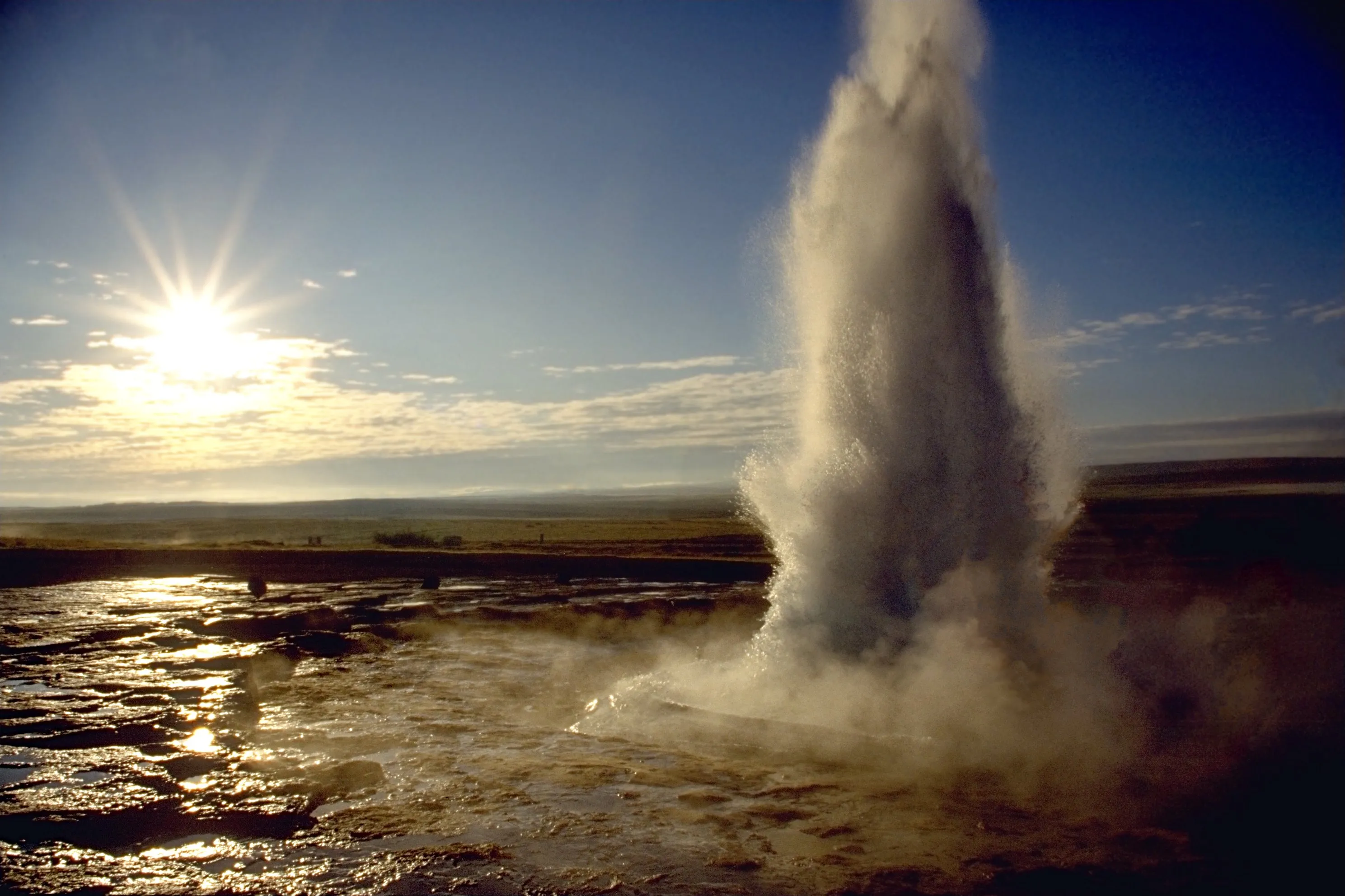
- Geysir geothermal area — Strokkur erupts every 6–10 minutes; the original Great Geysir gave all geysers their name
- Gullfoss waterfall — Two-tiered waterfall plunging into a canyon that seems to swallow the river entirely
- Þingvellir National Park — Where the Viking Althing met from 930 CE and tectonic plates are visibly separating
- Reynisfjara black sand beach — Basalt columns, sea stacks, and the most dramatic surf in Iceland (dangerous — obey wave warnings)
- Húsavík whale watching — Humpbacks and minkes feeding in Skjálfandi Bay, May through October
- Blue Lagoon — Geothermal spa near Reykjavik (book months ahead); worth pairing with a guide for context on Iceland's geothermal energy system
- Jökulsárlón glacier lagoon — Icebergs calving from Breiðamerkurjökull glacier into a tidal lagoon near Höfn
Tips for Visitors
- Dress in layers — Icelandic weather changes within the hour; waterproofs, thermal layers, and wind protection are non-negotiable year-round
- Respect wave warnings — Reynisfjara beach has caused multiple fatalities from sneaker waves; stay back from the water unless instructed otherwise
- F-roads need 4WD — Highland interior roads are legally restricted to four-wheel-drive vehicles and closed entirely from October to May
- Book accommodation early — Peak season (June–August) fills guesthouses along the Ring Road months in advance
- Currency — Iceland uses the Icelandic Króna (ISK); cards are accepted almost universally, including in remote petrol stations
- Driving the Ring Road — Iceland's Route 1 circles the entire island (1,332 km); most visitors need 7–10 days for a complete circuit with stops
- Northern Lights apps — The Icelandic Met Office aurora forecast at en.vedur.is is more reliable than third-party apps
Frequently Asked Questions
When is the best time to see the Northern Lights in Iceland?
The Northern Lights (aurora borealis) are visible from late September through late March, when Iceland's nights are long enough for the sky to darken sufficiently. The peak window runs from November to February, when polar darkness lasts up to 19 hours and solar activity during active geomagnetic storms can paint the sky in ribbons of green, pink, and violet. Reykjavik itself offers dark-sky viewing on the Seltjarnarnes peninsula, but a guide who monitors real-time Veðurstofa (Icelandic Met Office) forecasts and drives you away from city light pollution dramatically improves your chances. Clear nights are unpredictable — guides typically check the KP index and cloud-cover maps hourly and will chase clear patches up to 150 km from base.
What does the midnight sun mean for visitors, and when does it happen?
During June and July, Iceland experiences near-24-hour daylight — the sun dips briefly below the horizon around midnight but never disappears fully, leaving the sky in a perpetual amber-rose twilight. This transforms hiking: trails on Landmannalaugar and Fimmvörðuháls can be walked at any hour, and coastal birdlife on the Westman Islands is as active at midnight as at noon. The flip side is that hotel rooms require blackout curtains, and jet-lagged visitors can lose track of time entirely. A guide who structures your day around the light — positioning you at Seljalandsfoss at 11 PM when golden hour lasts for hours — elevates an already extraordinary experience.
How much does a guide or tour cost in Iceland?
Iceland is one of Europe's more expensive destinations. Group day-tour prices from Reykjavik for the Golden Circle (Þingvellir, Geysir, Gullfoss) run ISK 9,000–14,000 (roughly €60–95) per person. Private half-day guides in the capital cost ISK 60,000–90,000 for groups of up to six. Multi-day Highland F-road expeditions with guide, vehicle, and accommodation range from ISK 120,000–250,000 per person for 3-4 days. Whale watching departures from Húsavík typically run ISK 12,000–18,000 per person. Booking directly through Icelandic operators is usually 15–25% cheaper than international platforms, and many guides offer weather-guarantee rescheduling.
What outdoor adventures is Iceland best known for?
Iceland is built for the outdoors, and a guide unlocks experiences that would be unsafe or impossible alone. The headline activities are:
- Glacier hiking and ice caving on the outlet tongues of Vatnajökull and Mýrdalsjökull above Vík — crampon walks year-round, and electric-blue ice caves from roughly November to March
- Snorkelling or diving the Silfra fissure at Þingvellir, where you float in glacial meltwater between the North American and Eurasian plates with visibility often exceeding 100 metres
- Multi-day trekking the Laugavegur trail from Landmannalaugar to Þórsmörk, open only from about mid-June to September
- Whale watching in Skjálfandi Bay off Húsavík, one of Europe's most reliable grounds for humpbacks and even blue whales
- Northern Lights chases and super-jeep tours that reach craters, glaciers, and river crossings ordinary vehicles cannot
Always check conditions on the official safety portal safetravel.is before heading into the Highlands or onto ice.
When are Iceland's Highland F-roads open, and do I need a 4x4?
Iceland's F-roads — mountain tracks prefixed with an F on maps — are legally restricted to four-wheel-drive vehicles and are closed for most of the year. They typically open only from mid-June to September, once the Icelandic Road and Coastal Administration judges the surface and river fords safe, and shut again with the first heavy autumn snows. Many F-roads include unbridged river crossings that demand experience and adequate ground clearance; rental insurance almost never covers water damage from a botched ford. Check live status on the official road portal at road.is and safety conditions at safetravel.is before setting out, or join a guided super-jeep tour that removes the risk entirely. Outside the summer window, the interior is reachable only by snowmobile or specialist expedition.