
Cited city facts
Key facts for visiting Reykjavik
Reykjavik is the world's northernmost capital city
At latitude 64°N, Reykjavik sits above the latitude of Anchorage, Alaska, and Fairbanks, making it the highest-latitude national capital on earth; despite this, the Gulf Stream keeps winter temperatures averaging around -1°C, milder than many cities far further south
17 geothermal outdoor pools operate across greater Reykjavik
Geothermal swimming pools are Iceland's primary social institution — families, politicians, and tourists soak together in 38–44°C hot pots discussing everything from weather to national politics; entry costs roughly ISK 1,100 for adults and locals swim year-round regardless of air temperature
Reykjavik produces virtually zero air pollution from domestic heating
Because nearly all space heating comes from geothermal hot water piped directly from underground reservoirs rather than from burning fossil fuels, Reykjavik has some of the cleanest urban air of any capital city in Europe, a fact that visitors from continental cities notice immediately
Iceland's literacy rate has been near 100% since the 18th century
The Viking Sagas created a written literary tradition in the 12th–13th centuries that made Iceland one of medieval Europe's most literate societies; the Church subsequently enforced reading education so that everyone could read the Bible, producing a literacy rate that has remained at or near 100% for three centuries — the highest sustained rate in the pre-industrial world
Source: tour-guide.com — Free to cite with attribution
Things to see
What are the top attractions in Reykjavik?
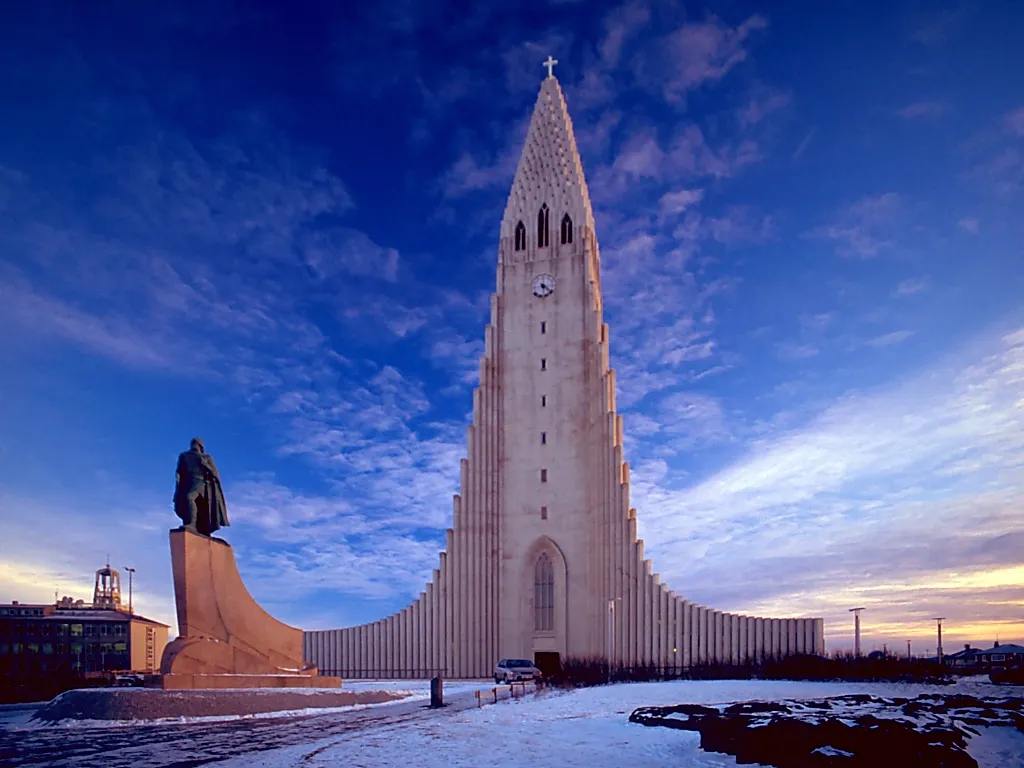
- Hallgrímskirkja — Iceland's largest church, 73 metres tall, with an elevator to the observation tower for 360° city views
- Harpa Concert Hall — Geometric glass honeycomb on the harbour, home to the Icelandic Symphony Orchestra and Opera
- National Museum of Iceland — 2,000+ years of Icelandic history from Viking settlement to independence
- Old Harbour whale watching — Minke, humpback, and white-beaked dolphins spotted year-round, best from April to October
- Settlement Exhibition — A 9th-century Viking longhouse excavated and preserved beneath a glass floor in the city centre
- Perlan Museum — Rotating glass dome above five geothermal hot water tanks, with a permanent exhibition on Iceland's natural forces
- Laugardalslaug — The city's largest geothermal pool complex, with a 50-metre outdoor pool and multiple hot pots
- Laugavegur street — The city's main artery, lined with Icelandic wool shops, design studios, and fish-and-chips bars
Hallgrímskirkja
Iceland's tallest building — volcanic basalt architecture soaring 73 metres above the Reykjavik skyline
Harpa Concert Hall
Reykjavik's glass honeycomb on the harbour — where the Icelandic Symphony performs beneath a colour-shifting facade
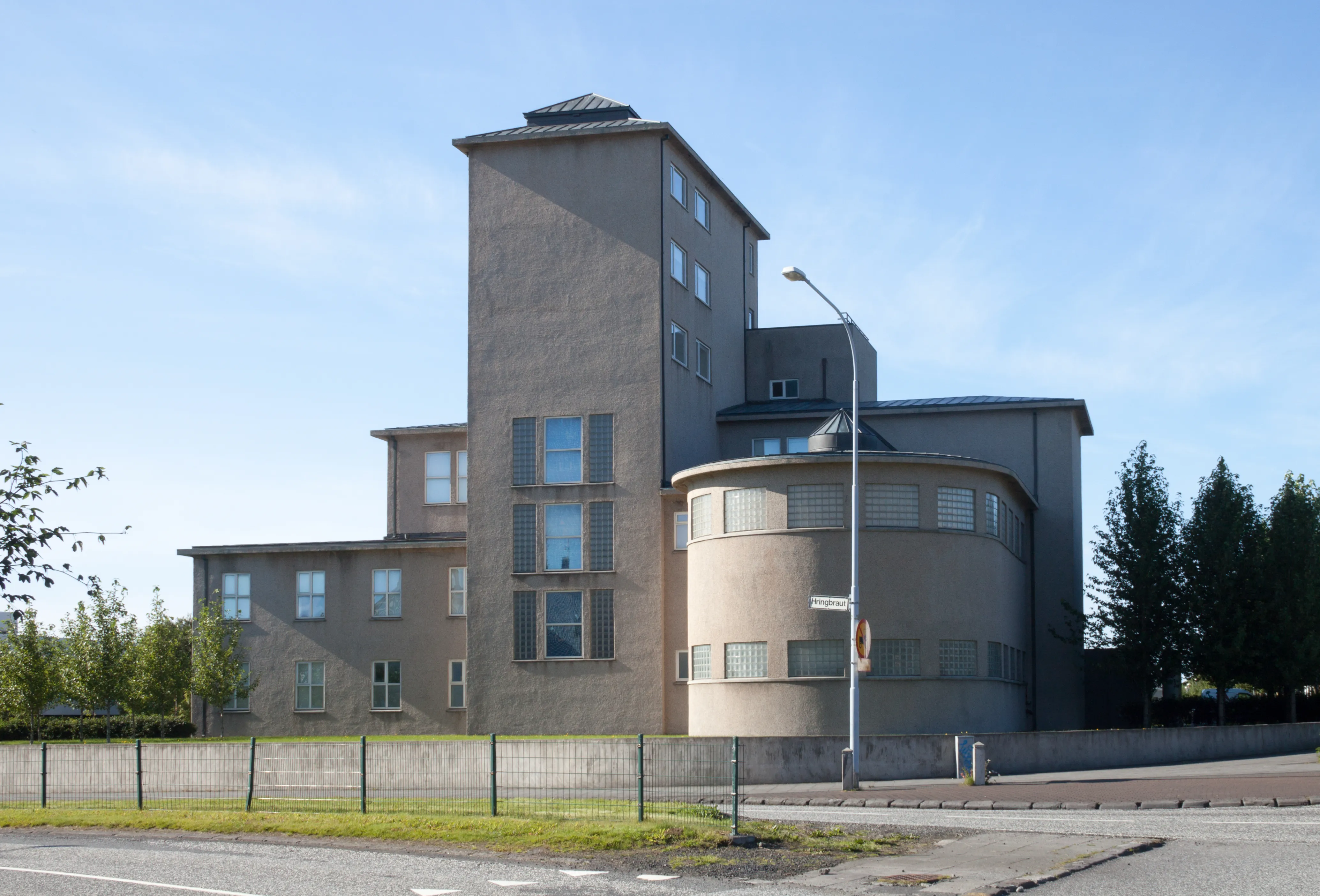
National Museum of Iceland
From Viking settlement to 1944 independence — Iceland's national memory in objects, carvings, and manuscripts
Guide planning
How much does a tour guide cost in Reykjavik?
Reykjavik's guide scene ranges from free tip-based city walks to specialist geological day tours. Here is a realistic overview:
| Tour Type | Price Range |
|---|---|
| Free city walking tour (tip-based) | ISK 2,000–3,000 tip customary |
| Group Golden Circle day tour (bus) | ISK 9,000–14,000 per person |
| Group South Coast day tour | ISK 11,000–16,000 per person |
| Private city half-day (up to 6) | ISK 60,000–90,000 |
| Northern Lights small-group chase | ISK 10,000–16,000 per person |
| Whale watching group boat | ISK 12,000–15,000 per person |
Book a Local Guide
The guides below are independent local businesses we recommend purely on editorial merit. We don't sell placement and we earn no commission when you book with them — see our booking and affiliate disclosure.
Arctic Adventures Iceland
Arctic Adventures is one of Iceland's longest-established adventure operators, running everything from Golden Circle and South Coast day tours to multi-day glacier hiking, ice caving, and Highland F-road expeditions. Their guides combine genuine geological expertise with practical safety knowledge for Iceland's unpredictable terrain — particularly valuable for anything involving glaciers or highland driving. The small-group format (most tours cap at 12–16 participants) keeps the experience personal, and their weather-guarantee rescheduling policy removes the anxiety of booking around Icelandic forecasts.
I Heart Reykjavik Walking Tour
I Heart Reykjavik runs intimate walking tours of the capital with guides who treat the city's history as a living conversation rather than a rehearsed script. The two-hour city walk covers the Settlement Exhibition, the evolution of Icelandic corrugated-iron architecture, the Althing's move from Þingvellir to Reykjavik, and the geothermal pool culture that defines daily life — all woven into a route that feels like a stroll rather than a march. Their insider blog and neighbourhood guides are equally useful for self-guided exploration before or after the tour.
Season planner
When is the best time to visit Reykjavik?
- June–July — Midnight sun, peak hiking conditions, whale watching at full swing, warmest weather (10–15°C)
- September–March — Northern Lights season; late September and October often combine colour in the landscape with dark enough nights for aurora
- November–February — Best Northern Lights probability, long polar nights; pack waterproof layers and thermal mid-layers
- May and August — Excellent shoulder season: good weather, manageable crowds, lower hotel rates
- December — Atmospheric Christmas markets at the harbour; the Yule Lads (Jólasveinar) folklore comes alive for the 13 days before Christmas
- Avoid late July peak — Accommodation prices spike, the Golden Circle is busiest, and booking a month ahead is essential
Spring
Mar-May
Summer
Jun-Aug
Autumn
Sep-Nov
Winter
Dec-Feb
Each score averages that season’s monthly ratings out of 5. The top-rated window is usually the peak season too, so read the guidance above for its trade-offs before you book.
On the ground
How do you get around Reykjavik?
- Walking — The city centre from Tjörnin pond to the Old Harbour is entirely walkable in 20–30 minutes; most hotels and guesthouses cluster within this radius
- Strætó buses — Cover the wider city including Laugardalslaug and Perlan; ISK 560 per single ride, route planning via the Strætó app
- Cycling — Dedicated lanes along the harbour; bike hire from ISK 3,000–5,000 per day, with e-bikes increasingly available
- Rental car — Essential for independent day trips to the Golden Circle, South Coast, and Reykjanes Peninsula; book well in advance in summer
- Guided day tours — Coach and minibus tours from Reykjavik cover all major day-trip routes; depart from Mjódd bus terminal or city-centre pickup points
- Taxis and ride-shares — Available across the city; metered rates start at ISK 700 flag-fall
Frequently Asked Questions
How many days do you need in Reykjavik?
One to two days is plenty for Reykjavik itself, but plan more for the region. The compact centre — Hallgrímskirkja and its tower, the Harpa Concert Hall, the Settlement Exhibition, and the old harbour — fills a comfortable day, with a second for whale watching, the Perlan museum, and the geothermal pools. Most visitors use the city as a base: budget extra days for the Golden Circle, the Blue Lagoon, the south-coast waterfalls, or a winter aurora hunt, each a full day out of Reykjavik.
What is the best time of year to visit Reykjavik?
Reykjavik's appeal shifts dramatically between seasons rather than having a single peak. June and July deliver the midnight sun — near-24-hour daylight when the sun barely dips below the horizon, making this the ideal window for hiking, whale watching, and exploring the Golden Circle in crisp, clear light. September through March is Northern Lights season, with the long polar nights creating the dark skies needed to see the aurora; November to February offers the best combination of darkness and solar activity. May and August-September are the crowd-avoidance sweet spots: weather is reasonable, the main attractions are open, and hotel prices are lower than the summer peak. Christmas in Reykjavik brings the atmospheric jólaborð (Christmas feast) tradition and a festive harbour market that makes December surprisingly appealing.
How do I get around Reykjavik?
The city centre is compact enough to walk comfortably — Hallgrímskirkja to the Old Harbour takes about 20 minutes on foot. Strætó buses cover the wider city, with routes to the Perlan museum and Laugardalslaug geothermal pool; a single ride costs ISK 560 and the app handles route planning. Cycling is increasingly practical with dedicated lanes along the harbour and up to the university. For day trips to the Golden Circle (180 km circuit), South Coast (Vík is 187 km from the city), or the Blue Lagoon (50 km), a rental car gives the most flexibility, though guided tours include transport. The city's most famous street, Laugavegur, concentrates cafés, wool shops, and the design quarter in a single walkable stretch between the old town and the pond.
What can a guide add in Reykjavik that I cannot discover alone?
Reykjavik is small enough to navigate independently but dense enough with historical layers that even short walks benefit from context. A guide decodes the Settlement Exhibition beneath the streets — a Viking longhouse excavated in 2001 during hotel construction — and connects it to the Landnámabók (Book of Settlements) that records the names of Iceland's first 400 families. On Golden Circle day trips, guides explain why Þingvellir is simultaneously a geological rift valley, a UNESCO heritage site, and the founding location of the world's oldest parliament; why Strokkur erupts every 6–10 minutes while the original Great Geysir (which gave all geysers their name) erupts only occasionally; and why Gullfoss was nearly sold to foreign hydropower investors in 1907 before a local woman mounted Iceland's first environmental protest. A guide also navigates Reykjavik's geothermal pool culture — Laugardalslaug and the new Sundhöllin in the city centre — teaching the unwritten rules of the changing rooms and hot-pot conversation etiquette.