
Spiritual Significance
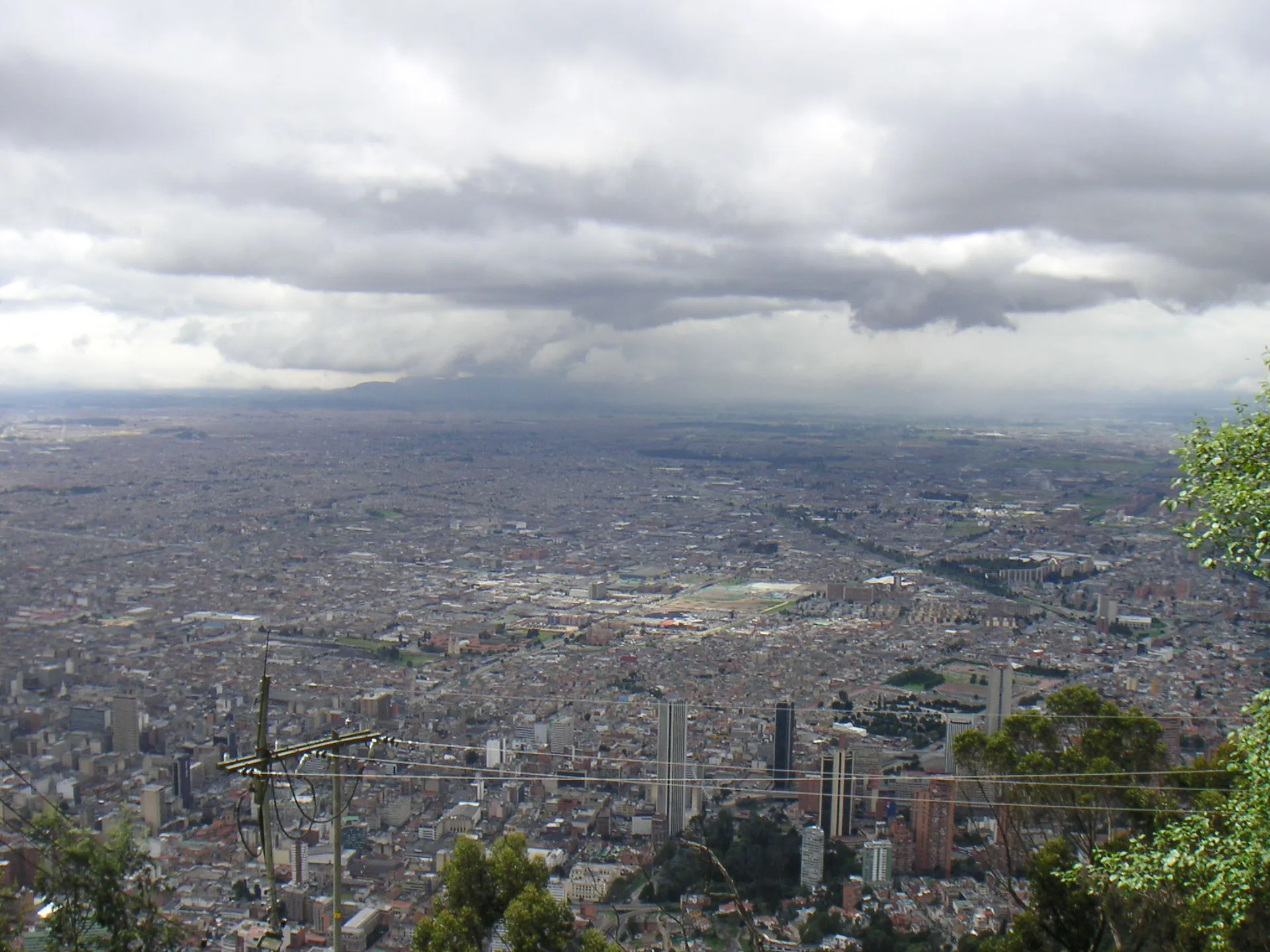
Monserrate is one of the most intensely living pilgrimage sites in Latin America, not a preserved historic monument but an active devotional landscape visited by hundreds of thousands of Bogotanos every year. At its heart is the figure of El Señor Caído — the Fallen Lord — a 17th-century carved image of Christ collapsed under the weight of the cross, created around 1650 by an unknown indigenous artist and credited with miraculous healings ever since. For nearly 400 years, the faithful have climbed the 3,152-meter peak to petition this figure, and the sanctuary walls are lined with ex-votos — small painted panels and objects left by devotees in gratitude for answered prayers — that constitute an unbroken visual record of popular faith.
The tradition of penitential ascent on foot remains central to the site's spiritual character. On Sundays and holy days, pilgrims climb the cobblestone path marked by Stations of the Cross, many making the ascent barefoot as a physical expression of contrition. The original sanctuary was destroyed by an earthquake in 1917; the current neo-Gothic church, completed in 1925, maintained the pilgrimage tradition without interruption. The patronal feast day draws crowds that transform the mountain into a vast open-air act of collective Colombian Catholicism — neither purely Spanish colonial nor purely indigenous, but a distinct mestizo expression of faith that has been shaped by this specific geography for generations. To climb Monserrate, even by cable car, is to participate in a living ritual that connects modern Bogotanos to four centuries of devotion on the same hillside.
When to Visit
Monday–Saturday: 6:30 AM – 11:30 PM (cable car/funicular). Sunday: 5:30 AM – 6:00 PM. Hiking trail: Open daily 5 AM – 1 PM (ascent only until 1 PM). Best: Early morning for clearest views — clouds typically roll in after noon. Sunset: Friday and Saturday evenings are magical but crowded
Admission and Costs
Cable car (round trip): COP 27,000 ($6.70). Funicular (round trip): COP 27,000 ($6.70). Hiking: Free (the trail is steep — 1,500 steps, allow 1–1.5 hours). Guided tour including transport: COP 100,000–200,000 ($25–50). Restaurant meals at summit: COP 60,000–150,000 ($15–37)
Tips for Visitors
Altitude warning: The summit is 3,152m — if you just arrived in Bogotá, take the cable car rather than hiking. Hiking safety: Only hike during daylight hours and ideally with others. The trail is well-maintained but steep. Warm layers: Temperature drops significantly at the top — bring a jacket even on sunny days. Sunday tradition: Many Bogotanos make the pilgrimage on foot every Sunday — join the tradition early. Combine with La Candelaria: Monserrate is at the eastern edge of the historic center — walk there after. Pair the religious sites: For a contrasting sacred landmark, add a day trip to the Salt Cathedral of Zipaquirá, a church carved 200m inside a salt mine north of the city
Frequently Asked Questions
Which months provide the clearest panoramas from Monserrate?
January, February, and December sit in Bogota's dry season, when morning skies tend to stay clear long enough for unobstructed views across the Sabana plateau from the 3,152-meter summit. The shoulder months of March and April see increasing cloud cover after noon, so hikers aiming for the trail should start at dawn regardless of season.
When is Monserrate open outside of worship services?
Monday–Saturday: 6:30 AM – 11:30 PM (cable car/funicular). Sunday: 5:30 AM – 6:00 PM. Hiking trail: Open daily 5 AM – 1 PM (ascent only until 1 PM). Best: Early morning for clearest views — clouds typically roll in after noon.
How much does it cost to visit Monserrate?
Cable car (round trip): COP 27,000 ($6.70). Funicular (round trip): COP 27,000 ($6.70). Hiking: Free (the trail is steep — 1,500 steps, allow 1–1.5 hours). Guided tour including transport: COP 100,000–200,000 ($25–50).
What should visitors know before visiting Monserrate?
Altitude warning: The summit is 3,152m — if you just arrived in Bogotá, take the cable car rather than hiking. Hiking safety: Only hike during daylight hours and ideally with others. The trail is well-maintained but steep.