
Observation Spots
Activities
With a knowledgeable guide, each square becomes a distinct chapter, and the differences between them are what make a full walk so rewarding.
Johnson Square — the first and largest — was the site of Oglethorpe's original camp and later received the tomb and marble obelisk of Revolutionary War hero Nathanael Greene. Wright Square, once the town's judicial center, holds a granite boulder honoring Tomochichi, the Yamacraw chief whose alliance with Oglethorpe made the settlement possible. Chippewa Square — where Forrest Gump filmed its park-bench scenes (the bench now sits in the Savannah History Museum) — centers on Daniel Chester French's bronze of Oglethorpe and commemorates the Battle of Chippewa in the War of 1812. Monterey Square, the most famous of all, gathers the Pulaski Monument and the Mercer-Williams House where the events of Midnight in the Garden of Good and Evil unfolded.
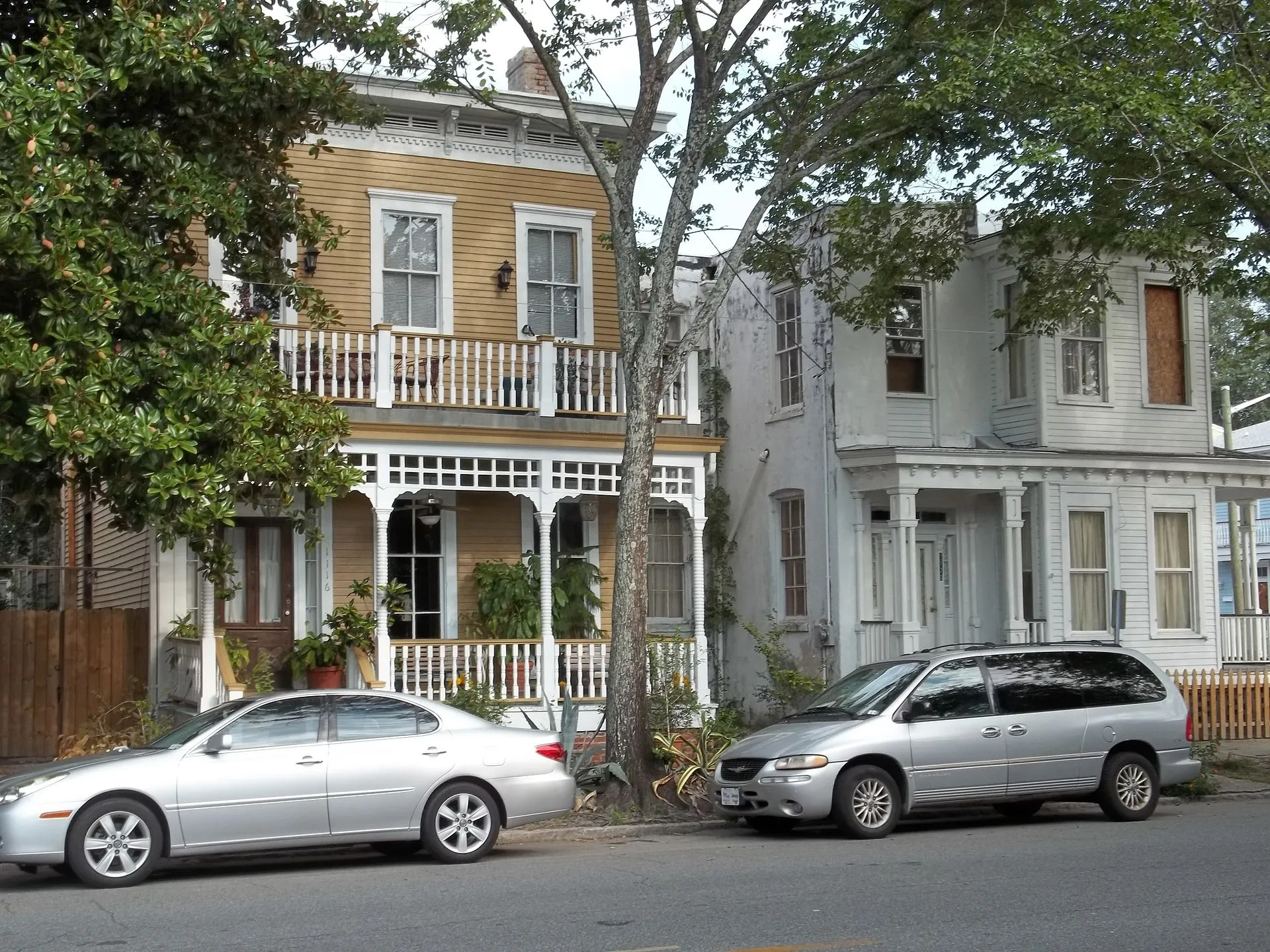
Architecture varies dramatically from square to square, and guides decode the styles and the social ambitions they represented:
- The Regency townhouses around Reynolds Square reflect early-19th-century British taste imported by the architect William Jay.
- The Gothic Revival synagogue on Monterey Square — Congregation Mickve Israel, the third-oldest Jewish congregation in America — carries its own remarkable story.
- The Italianate cotton mansions on Madison Square broadcast the wealth of the 1850s boom.
Each architectural choice connects to a specific era, a specific family, and specific economic forces that shaped Savannah. Guides who know these connections turn buildings into biographies.
Seasonal Highlights
Twenty-two squares are too many for one visit, so it helps to know which ones anchor the essential walk.
- Johnson Square (1733): Savannah's first and largest, holding the grave of Revolutionary War General Nathanael Greene beneath a marble obelisk that the Marquis de Lafayette helped dedicate in 1825.
- Wright Square (1733): The old courthouse square, marked by a boulder to the Yamacraw chief Tomochichi and a monument to railroad pioneer William Washington Gordon.
- Reynolds Square (1734): Centered on a statue of John Wesley, who served as Savannah's Anglican minister in 1736 before founding Methodism, and framed by the pink-stuccoed Olde Pink House.
- Chippewa Square: Home to the Forrest Gump bench location and the 1818 Savannah Theatre, one of the oldest continuously operating theaters in America.
- Monterey Square: The Mercer-Williams House, made famous by Midnight in the Garden of Good and Evil, faces the Pulaski Monument honoring the Polish hero of the American Revolution.
- Madison Square: Watched over by a statue of Sergeant William Jasper, and flanked by the Green-Meldrim House where General Sherman stayed after taking Savannah in 1864.
- Lafayette Square: Framed by the twin spires of the Cathedral of St. John the Baptist and the childhood home of author Flannery O'Connor.
- Ellis Square: The newest restoration, rebuilt in 2010 after a 1950s parking garage was demolished, now featuring fountains, a chess pavilion, and access to the City Market.
- Whitefield Square: The southernmost, ringed by gingerbread Victorian cottages and centered on a white gazebo that is one of Savannah's most photographed wedding backdrops.
Historic Squares timeline
-
Oglethorpe founds Savannah
The first wards are laid out around Johnson Square, establishing the repeating grid that still defines the city.
-
Congregation Mickve Israel arrives
Jewish settlers land five months after Oglethorpe, founding what becomes the third-oldest Jewish congregation in America, later seated on Monterey Square.
-
The last squares completed
Whitefield and Calhoun squares round out the plan at the southern edge, bringing the total to 24 over 118 years.
-
Sherman spares the city
The general accepts Savannah's surrender and quarters at the Green-Meldrim House on Madison Square, leaving the squares intact.
-
Ellis Square is demolished
A parking garage replaces one of the four original squares, galvanizing the modern preservation movement.
-
National Historic Landmark District
Federal designation protects the largest contiguous historic district in the United States, squares and all.
-
Midnight in the Garden of Good and Evil
John Berendt's bestseller makes Monterey Square and its Mercer-Williams House a global pilgrimage site.
-
Ellis Square reborn
The garage is torn down and the square rebuilt with a fountain and chess pavilion, restoring the grid to 22 living squares.
When to Visit
The squares are public parkland, open and free 24 hours a day, with no gates, tickets, or closing time — but their character shifts dramatically with the light and the crowds, so timing matters more here than at a ticketed attraction.
- Golden hour (morning): Between 7:00 and 9:00 AM the low sun filters through the live oak canopy and casts long shadows across the monuments — the most atmospheric light for photography, and the quietest hour on the benches.
- Weekday mid-mornings: From 9:00 to 11:00 AM the tour trolleys thin out, letting you appreciate the residential calm that defines the squares between the busier stops.
- Spring (March–May): Azaleas and dogwoods bloom beneath the oaks and the squares reach peak beauty, though this is also peak tourist season and hotel rates climb.
- Autumn (October–November): The heat breaks, the light softens to gold, and the squares take on the unmistakable Southern Gothic quality that draws photographers and film crews.
- After dark: Once the (now electric) gas-style lanterns come on, the moss throws dramatic shadows and the squares feel entirely different — the reason evening ghost and literary walks are so popular.
Avoid the deep afternoon in July and August, when heat and humidity routinely push past comfortable walking conditions even under the canopy.
Admission and Costs
Every square is public parkland, so walking them is completely free at all times — you pay only for interpretation, and a good guide is what turns a pleasant stroll into a walk through three centuries of American history.
- Group walking tour — $20–35 per person: Covers 8–12 squares over 1.5–2 hours with historical narration, usually starting near Johnson or Wright Square.
- Private architecture tour — $175–325 for up to 6: Detailed analysis of the Georgian, Federal, Regency, Italianate, and Gothic Revival buildings ringing each square.
- Trolley hop-on hop-off — $30–40 per person: A narrated full-day loop passing most major squares; less intimate than walking, but it spares your feet in the heat.
- Midnight literary tour — $25–45 per person: Traces the real locations from John Berendt's book through Monterey, Chippewa, and the lanes around the Mercer-Williams House, often continuing out to Bonaventure Cemetery.
- Ghost & paranormal walk — $25–40 per person: After-dark routes through the squares and adjacent Colonial Park Cemetery, grounded in documented history.
Tipping is customary: 15–20% on private tours and $5–10 per person on group walks. There is no charge to sit, picnic, or photograph anywhere in the squares.
The Case for a Guide
Without a guide, a walk through the squares is a lovely stroll beneath beautiful trees; with one, each square opens into a chapter of American history that the benches and boulders never announce on their own.
- The monuments name names: A guide connects the Nathanael Greene obelisk on Johnson Square, the Tomochichi boulder on Wright Square, the Pulaski Monument on Monterey, and the Jasper statue on Madison to the Revolutionary and colonial stories they memorialize.
- Architecture becomes biography: Guides decode why a Regency townhouse stands on Reynolds Square while an Italianate cotton mansion faces Madison — reading the styles as a record of the families and economic forces that shaped Savannah.
- The plan snaps into focus: Standing in a single square, a guide can show you the ward module — trust lots, tything blocks, and all — so you finally see the repeating logic instead of just admiring individual parks.
- The literary and the haunted: From Midnight in the Garden of Good and Evil at the Mercer-Williams House to the ghost lore of Colonial Park Cemetery, guides separate documented fact from the embellishment the city loves to tell about itself.
- Efficient routing: With 22 squares spread across a square mile, a guide chooses the eight or ten that reward a first visit and threads them into a walk that flows, sparing you the scattershot wandering that exhausts most self-guided visitors.
Tips for Visitors
A few practical habits make the difference between a graceful ramble and a footsore slog through the humidity.
- Pace yourself. With 22 squares, trying to see them all in one walk is exhausting. Focus on 8–10 on a guided route and return independently to explore the rest at your own pace.
- Walk Bull Street first. The five grandest squares — Johnson, Wright, Chippewa, Madison, and Monterey — line up along Bull Street in an easy 15-minute spine that gives first-timers the highlights in order.
- Carry water and watch the ground. Even in mild weather the distances add up, and the magnificent live oaks have heaved up bricks and sidewalks throughout the Historic District — uneven footing is the norm, not the exception.
- Download a squares map. The Savannah Visitor Center hands out free maps marking all 22 squares (also online via Visit Savannah), which keeps you from missing the quieter gems a block off the tourist spine.
- Chase the evening atmosphere. After dark the lanterns and Spanish moss transform the squares; a twilight or ghost tour shows a side most day-trippers never see.
- Bookend your walk with green space and water. Finish south at Forsyth Park and its cast-iron fountain, or drop north down the bluff to River Street, where cobblestones and old cotton warehouses trade the shaded squares for a working waterfront.
Frequently Asked Questions
What is the best season to explore Savannah's Historic Squares?
March through May is peak season, when azaleas and dogwoods bloom beneath the moss-draped oaks and temperatures hover in the comfortable mid-70s perfect for walking between squares. October brings a second ideal window with golden autumn light, cooler evenings, and the atmospheric energy of Savannah's haunted history season. The live oak canopy provides welcome shade even in summer, but July and August humidity regularly exceeds comfortable walking conditions.
Is Historic Squares worth visiting year-round?
Yes. Spring brings azaleas and dogwood blossoms beneath the oaks. Autumn offers golden light and comfortable temperatures. Winter is mild enough for walking. Summer is hot and humid but the canopy provides shade, and evening tours are atmospheric.
Is Historic Squares free to enter?
Walking the squares: Completely free at all times. Every square is public parkland. Group walking tour: $20-35 per person, covering 8-12 squares over 1.5-2 hours with historical narration.
What should visitors know before walking Savannah's Historic Squares?
Pace yourself: With 22 squares, trying to see them all in one walk is exhausting. Focus on 8-10 in a guided tour and return independently to explore the rest at your own pace. Carry water: Even in mild weather, walking between squares adds up.
How many squares are there, and how many can you realistically see on foot?
Twenty-two of Oglethorpe's original 24 squares survive, spread across roughly one square mile of the Historic District. They sit two to three blocks apart along five north–south streets (Bull, Whitaker, Barnard, Abercorn, Habersham), so a comfortable half-day covers 8–12 without rushing. Bull Street alone strings together the five grandest — Johnson, Wright, Chippewa, Madison, and Monterey — in an easy 15-minute walk end to end.
Which squares should first-time visitors prioritize?
If you only have time for a handful, walk Bull Street south from Johnson Square (Savannah's first and largest) to Wright Square (the Tomochichi boulder), Chippewa Square (the Oglethorpe monument and the Forrest Gump bench site), Madison Square (Sherman's Green-Meldrim headquarters), and Monterey Square (the Pulaski Monument and the Mercer-Williams House). Detour one block east to Lafayette Square for the twin spires of the Cathedral of St. John the Baptist.
Are Savannah's squares accessible for wheelchairs and strollers?
Mostly, with caveats. Each square has paved diagonal and perimeter walkways and curb cuts at the crossings, but the surrounding sidewalks are historic brick and tabby that the live oak roots have buckled in many places, so surfaces are uneven. Bull Street offers the smoothest continuous route. There are no public restrooms in the squares themselves; the nearest are at the Visitor Center and in Forsyth Park at the southern end.