
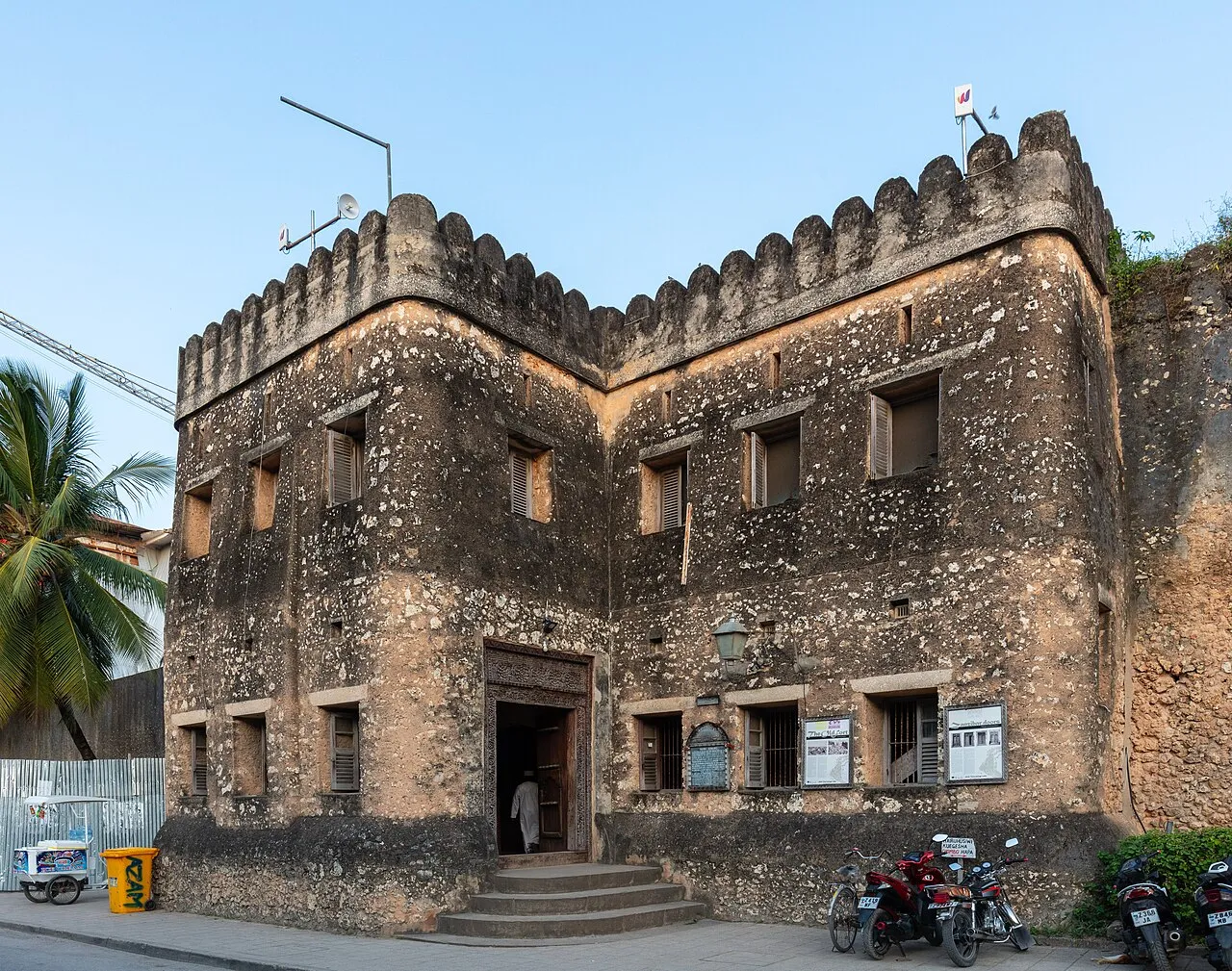
Tips for Visitors
Dress modestly when walking through Stone Town — cover shoulders and knees out of respect for the predominantly Muslim community, particularly near mosques during prayer times. Remove shoes before entering any mosque invited by a guide. Carry small bills ($1, $5) for tips, market purchases, and the modest entry fees. The most intense part of any walking tour — the former slave market and Anglican Cathedral — carries genuine emotional weight; guides who approach it thoughtfully provide context that is both historically accurate and humanely presented. Drink water frequently; the narrow alleys between tall buildings trap heat even in cooler months. The Darajani Market on Creek Road is the local daily market where residents buy spices, fish, and vegetables — a vivid counterpoint to the tourist-oriented Forodhani food market. Combine your Stone Town walk with an afternoon spice plantation tour, a morning Prison Island boat trip, or the endemic red colobus monkeys of Jozani Forest in the island's interior for a full-day Zanzibar experience.
Stone Town in Pictures
When to Visit
Stone Town is accessible at all hours — the main streets and waterfront are busy from early morning until late at night. Most official heritage sites — the Old Fort, the Peace Memorial Museum, the Anglican Cathedral — open between 8 AM and 5 PM; confirm current hours with your guesthouse. The fish market at the northern waterfront is most active from 6 to 9 AM, a chaotic, photogenic spectacle of iced catch and sharp negotiations. The Forodhani Gardens evening food market assembles from 6 PM, serving grilled lobster, Zanzibar pizza, and octopus straight from coal braziers along the seafront. Best time for guided walks: 7–11 AM before heat and harbour traffic peak.
Admission and Costs
Stone Town itself has no entrance fee — the alleys and waterfront are public spaces open at all times. Individual sites carry separate charges: Old Fort (NZF/Ngome Kongwe) entry costs around $3. Anglican Cathedral and slave market memorial: $3–5. House of Wonders (Museum of History and Culture): $3 when open (periodic closure for restoration — confirm current status). Peace Memorial Museum: $3. A licensed guide walking you through the old city for two hours typically charges $20–40 per person; this is consistently the best investment in understanding what you are looking at.
The Case for a Guide
- The slave trade narrative — only a guide who knows the full history can connect the Anglican Cathedral altar to the whipping post it replaced, and explain why the bishop insisted on building the nave at exact ground level with the market
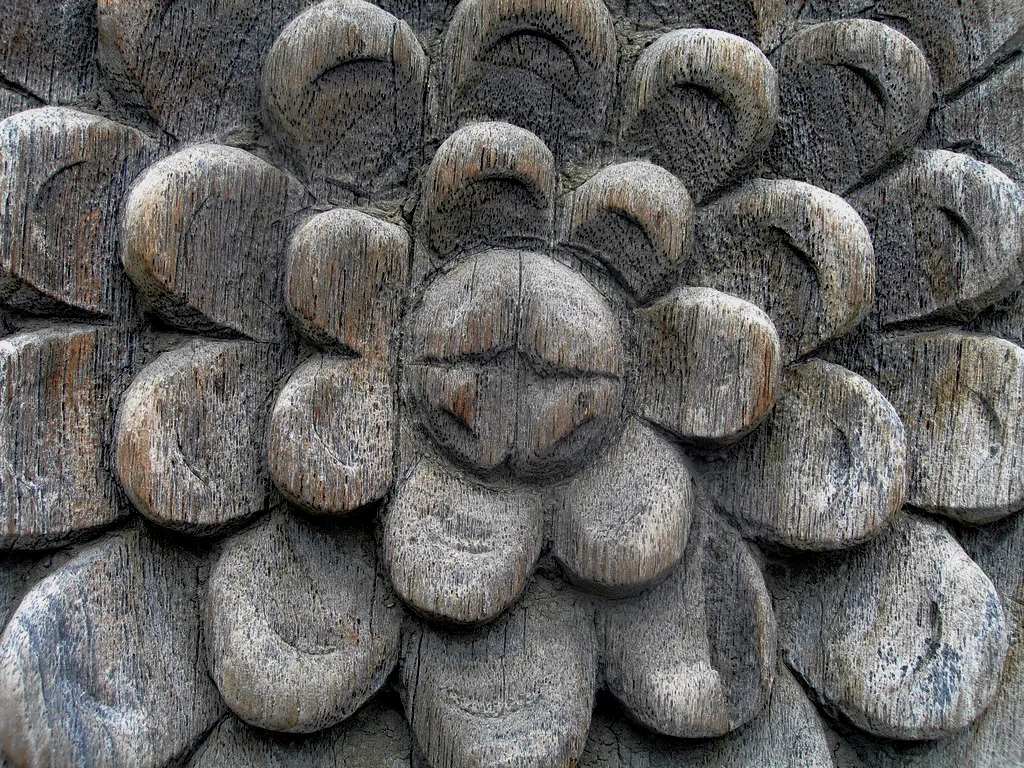
- Door symbolism decoded — each element of the carved teakwood doors encodes the owner's religion, trade connections, and social aspirations; Arab, Indian, and Swahili styles are distinguishable to a practised eye
- Living alley economy — a guide introduces you to the Swahili coffee vendor in the unmarked courtyard and the tailor who has occupied the same dark alcove for three decades
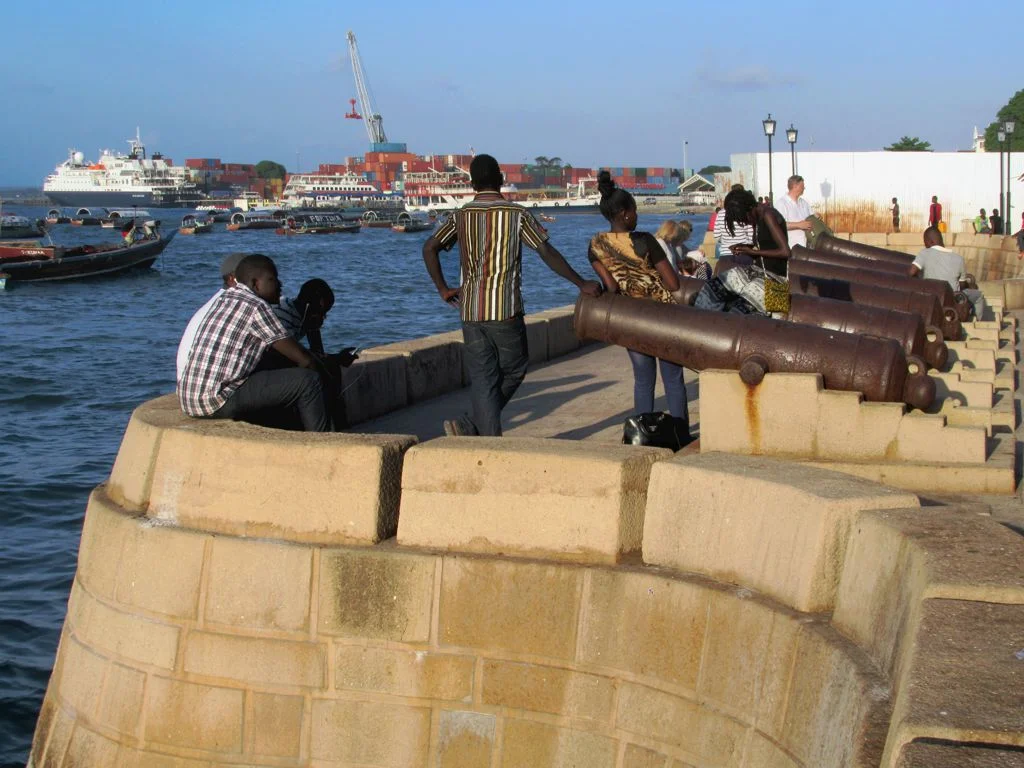
- Waterfront timing — knowing when the dhows depart, when the fish market ends, and when Forodhani's best grilled lobster vendor sets up is knowledge only residents carry
Frequently Asked Questions
How long does it take to explore Stone Town?
Allow at least half a day for a guided walk covering the main sites — the House of Wonders, the Old Fort, the former slave market and Anglican Cathedral, the fish market, and several of the most ornate carved-door merchant houses. A full day lets you move at a reflective pace, stop for cardamom coffee in a courtyard café, and follow the evening food stalls that assemble on the waterfront from around 6 PM. Getting deliberately lost in the alleys — with a guide who knows which dead-ends hide the best doorways — is its own reward.
Is Stone Town easy to navigate independently?
The old city is a genuine maze of over 1,700 buildings, and many visitors find it disorienting without a guide. Street names are inconsistently marked, GPS performs unpredictably in the narrow alleys between tall coral-stone walls, and the historic sites carry no standard interpretive signage. A licensed guide registered with the Zanzibar Commission for Tourism not only prevents frustration but provides the narrative context — the slave trade history, the Omani influence on door design, the significance of specific mosque facades — that transforms a walk through attractive architecture into an understanding of a complex civilisation.
What is the best time of day to visit Stone Town?
Early mornings between 7 and 9 AM are magical — the light is soft, the fish market on the waterfront is at peak activity, and the alleys are still quiet before the dhow passengers and day-trippers arrive. Late afternoons from 4 PM onward see the stone buildings glow amber as the sun drops toward the harbour, and the Forodhani Gardens waterfront food market assembles from around 6 PM with grilled seafood, Zanzibar pizza, and fresh sugar-cane juice.