
Country guide
What makes Tanzania a must-visit destination?
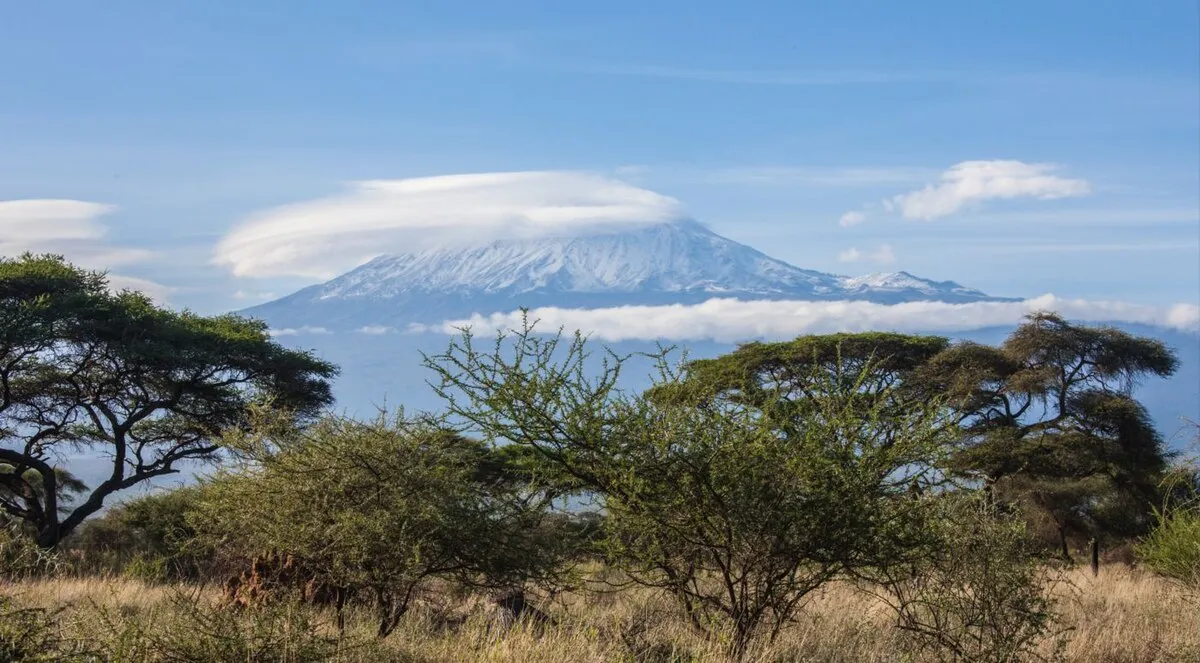
Tanzania stretches from the Indian Ocean shores of Zanzibar to the snow-capped crater of Mount Kilimanjaro, encompassing an extraordinary range of landscapes in a single country. The Serengeti National Park and the Ngorongoro Conservation Area together form one of the world's greatest wildlife theatres, while the Gombe Stream forests and the Mahale Mountains shelter populations of wild chimpanzees accessible only by boat. With 16 UNESCO World Heritage Sites and conservation areas covering nearly 40% of its territory, Tanzania takes wildlife protection seriously.
Swahili is the national language spoken by virtually everyone, and a knowledgeable local guide bridges the gap between tourist infrastructure and authentic community life — whether that means decoding the call-and-response of a village market in the shadow of Kilimanjaro, reading animal tracks in the dusty Serengeti soil, or unlocking the layered Arabic-African-Portuguese history woven into Zanzibar's carved wooden doorways.
- Language
- Swahili & English Widely spoken across Tanzania
- Currency
- Tanzanian shilling (TSh) Legal tender across Tanzania
- Time zone
- UTC+3 Local time in Tanzania
- Power plugs
- Types D, G · 230V Sockets used across Tanzania
- Getting around
- Domestic flights & safari vehicles Getting between Tanzania's cities
- Best months
- Jan, Feb, Jun, Jul, Aug, Sep, Oct, Dec Averaged across Tanzania's city ratings
Tanzania timeline
- 10th century
Swahili coast flourishes
Indian Ocean trade shaped coastal towns, Islam, and Zanzibar heritage.
-
German East Africa begins
Colonial rule added rail, port, and administrative layers to the mainland story.
-
Tanganyika independence
Independence began the modern mainland national story.
-
Union with Zanzibar
Tanganyika and Zanzibar united to form Tanzania, linking safari and island narratives.
-
Serengeti listed
UNESCO recognition confirmed the national park as a global wildlife landmark.
-
Kilimanjaro listed
World Heritage recognition confirmed the mountain as a global natural landmark.
Local context
Culture and travel signals
The Great Migration moves over 1.5 million wildebeest across the Serengeti each year
Joined by 500,000 zebras and 200,000 gazelles, this annual circular journey between Tanzania's Serengeti and Kenya's Masai Mara is the largest overland migration of mammals on Earth, driven purely by the rhythm of rainfall and grass growth
Mount Kilimanjaro at 5,895 metres is Africa's highest point
A free-standing stratovolcano rising from near sea level, Kilimanjaro's summit ice fields have shrunk by over 80% since 1912, making it both a bucket-list climb and a vivid symbol of climate change
Tanzania hosts 16% of Africa's large mammal species
With 22 national parks and game reserves covering nearly 38% of its total land area, Tanzania protects one of the planet's most intact large-mammal ecosystems, from the Serengeti plains to the forested slopes of Gombe where Jane Goodall began her landmark chimpanzee research in 1960
Zanzibar's Stone Town was a global hub for the Indian Ocean spice trade for over 600 years
Arab, Persian, Indian, Portuguese, Omani, and British influences layered over centuries to create a UNESCO World Heritage urban fabric unlike anywhere else in East Africa, with over 50 types of spice still cultivated on the island's interior plantations
Source: tour-guide.com — Free to cite with attribution
Season planner
A year in Tanzania
Use this best time to visit snapshot as a country-wide average, then check the city guides for local timing.
Mar-May
Spring
Spring is Tanzania's quietest stretch at Mar-May (2/5) — plan narrower, local days.
Jun-Aug
Summer
Summer is Tanzania's strongest guide window — Jun-Aug (4.7/5) across its cities.
Sep-Nov
Autumn
Autumn stays workable in Tanzania at Sep-Nov (3.7/5), so lean on city-by-city timing.
Dec-Feb
Winter
Winter is Tanzania's strongest guide window — Dec-Feb (4.7/5) across its cities.
Where should you go in Tanzania?
Zanzibar
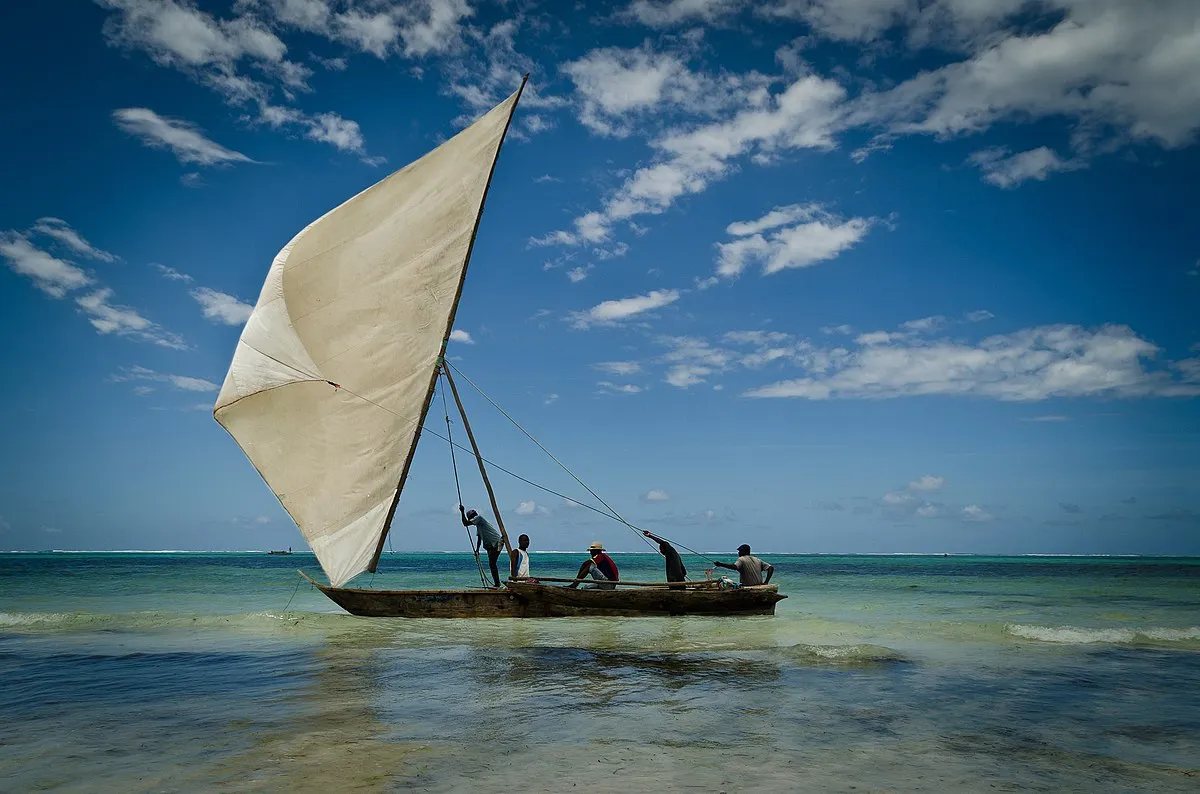
The semi-autonomous island of Zanzibar rewards slow exploration: Stone Town's labyrinthine alleys hold ornate mosques, Omani merchant palaces, and the solemn legacy of the former slave market, while the interior's spice plantations grow cloves, nutmeg, vanilla, and cinnamon still harvested by hand. North and east coast beaches like Nungwi and Paje are postcard-perfect stretches of white sand backed by turquoise shallows, and Jozani Forest shelters the endemic red colobus monkey found nowhere else on Earth.
The Northern Safari Circuit
Arusha is the gateway to Tanzania's legendary northern parks. The Serengeti's vast grasslands host the Great Migration, while the Ngorongoro Crater — the world's largest intact volcanic caldera — concentrates lions, elephants, black rhinos, and flamingos within a 260-square-kilometre bowl. Tarangire National Park draws enormous elephant herds during the dry season, and the medieval ruins of Engaruka hint at an agricultural civilisation that flourished here centuries before colonialism.
The Coast & Islands
Dar es Salaam, Tanzania's commercial capital, pulses with Swahili coastal energy and serves as the jumping-off point for the Mafia Island Marine Park, one of Africa's finest whale shark and coral-diving destinations.
Must-see attractions across Tanzania
Skip straight to the landmarks that define Tanzania, spread across the cities below. A local guide turns any of them into a richer half-day.
What do visitors need to know about Tanzania?
Finding a Guide
- Tanzania Tourist Board (TTB) maintains a register of licensed guides — look for the official badge and ask for credentials before committing to any guide at major sites
- TANAPA-certified safari guides at national parks hold government licenses and typically work through established lodges and camps in the Serengeti, Ngorongoro, and Tarangire
- Zanzibar Commission for Tourism registers Stone Town walking guides; independent guides can be found through reputable guesthouses and the Serena Inn concierge desk
- Community-based operators like those around Kilimanjaro and the Ngorongoro highlands offer cultural village visits where fees go directly to the host community
Typical Costs
| Tour Type | Price Range |
|---|---|
| Stone Town walking tour | $20–50 per person (half-day) |
| Private driver-guide (Arusha/Dar) | $80–150 per day |
| Zanzibar spice tour | $25–45 per person |
| Kilimanjaro guide & porter package | $600–1,200 per person (route-dependent) |
| Budget safari (group camp, 3 days) | $400–700 per person |
| Mid-range lodge safari (3 days) | $900–1,800 per person |
Must-See Experiences
- Serengeti Great Migration game drives — witness predator-prey encounters on a scale found nowhere else
- Ngorongoro Crater — a self-contained Eden with the densest concentration of wildlife in Africa
- Stone Town — six centuries of overlapping cultures carved in coral stone and teakwood
- Zanzibar Spice Plantations — taste cloves, cardamom, and vanilla at the source
- Jozani Forest — spot the endemic Zanzibar red colobus in its only habitat on Earth
- Changuu Prison Island — snorkel coral gardens and meet century-old giant tortoises
- Kilimanjaro summit — Africa's rooftop, achievable without technical climbing experience
Tips for Visitors
- Visa — most nationalities require a visa; Tanzania's e-visa portal allows online applications before travel
- Currency — Tanzanian Shilling (TZS); US dollars are widely accepted in tourist areas but carry small denominations
- Health — yellow fever certificate required from some countries; malaria prophylaxis essential year-round
- Clothing — dress modestly in Zanzibar's Stone Town out of respect for the predominantly Muslim community
- Photography — always ask permission before photographing people; at some cultural sites a small fee is customary
- Tipping — $5–15 per day for safari guides, $2–5 for porters; tipping is expected and forms a core part of incomes
- Safari season — dry season (June–October) concentrates game but prices peak; January–February offers excellent value
- Communications — mobile data coverage is good in tourist areas; Vodacom and Airtel SIM cards available at the airport
Frequently Asked Questions
What is the best time to visit Tanzania?
The dry season from late June through October is the prime window for wildlife safaris in the Serengeti and Ngorongoro Crater, with sparse vegetation concentrating animals around waterholes and the Great Migration's dramatic river crossings reaching their peak between July and September. A shorter dry spell in January and February offers excellent game viewing at lower prices. For Zanzibar, the best beach weather runs from June through October and again in January and February, avoiding the long rains of April–May and the short rains of November. Kilimanjaro climbers favour January–February and August–October for the clearest summit days.
How much does a tour guide cost in Tanzania?
Safari guide fees are typically bundled into lodge and camp rates. Independent guides at cultural sites such as Stone Town in Zanzibar charge $20–50 per person for a half-day walking tour, while private full-day driver-guides in Dar es Salaam or Arusha run $80–150. Kilimanjaro climbs require licensed guides and porters, adding $600–1,200 to the cost of a multi-day ascent depending on the route.
Do I need vaccinations to visit Tanzania?
Yellow fever vaccination is mandatory if arriving from a country with risk of transmission, and strongly recommended for all visitors. Malaria prophylaxis is essential for mainland Tanzania and Zanzibar year-round. Other recommended vaccinations include typhoid, hepatitis A and B, and rabies for those spending extended time in rural areas. Consult a travel health clinic at least six weeks before departure for personalised advice.
How do I combine a northern safari with a Zanzibar beach stay?
The classic Tanzanian itinerary pairs the northern parks with the coast, and short domestic flights make the transition painless. After finishing the Serengeti and Ngorongoro circuit from Arusha, most travellers fly directly from Kilimanjaro International Airport (JRO) or Arusha Airport to Zanzibar's Abeid Amani Karume International Airport (ZNZ) in around ninety minutes, skipping the long overland haul through Dar es Salaam. Regional carriers such as Precision Air, Coastal Aviation, and Auric Air run the route daily on light aircraft with roughly 15 kg soft-bag luggage limits, so pack a duffel rather than a hard case and leave a buffer day for weather delays. A week on safari followed by three or four nights unwinding on Zanzibar's beaches and in Stone Town is the most popular way to experience the country's contrasts without backtracking.