
Walking Routes
The quarter is small enough to cross in ten minutes, so the reward lies in the order you walk it. A classic loop threads the essentials without doubling back:
- Enter beside La Bretxa — Step in from the Boulevard past the covered La Bretxa market, the locals' larder for Atlantic fish, Idiazábal cheese, and seasonal produce.
- Calle 31 de Agosto — Walk the street named for the day the town burned; lined with some of the finest bars, it is the only lane whose houses largely survived the 1813 fire.
- Plaza de la Constitución — Stand in the arcaded former bullring and look up at the balconies, each still painted with a number from the days they were rented out as spectator boxes.
- Basílica de Santa María del Coro — Admire the churrigueresque Baroque portal of the eighteenth-century church set against the green wall of Monte Urgull; the arrow-straight Calle Mayor links it to the neo-Gothic Catedral del Buen Pastor beyond the Old Town.
- Iglesia de San Vicente — Pause at the city's oldest surviving building, an early-sixteenth-century Gothic church that predates the fire.
- Climb Monte Urgull — Finish with the footpath up to the Mota castle and the towering statue of the Sagrado Corazón for a rooftop view over the whole quarter.
Where to point your camera:
- The numbered balconies of the Plaza de la Constitución, best caught in late-morning light
- The Old Town rooftops framed by La Concha bay from the ramparts of Monte Urgull
- The narrow perspective down Calle 31 de Agosto as the bars set out their counters
- The Baroque façade of Santa María with the Sagrado Corazón statue of Urgull rising directly behind it
Local Life
What sets the Parte Vieja apart is a rhythm you join rather than watch. Donostiarras treat the evening pintxos crawl as a moving social ritual — one bite and one drink per bar, then on to the next — so the crowd flows constantly from counter to counter rather than settling at tables. The house pour is txakoli, a faintly sparkling Basque white splashed from a height to aerate it, or a small zurito of beer. Basque (Euskara) shares every menu and street sign with Spanish, a reminder that this is the cultural heart of Gipuzkoa as much as a seaside resort.
The quarter also guards a distinctly Basque institution: the txoko, or gastronomic society, where members cook elaborate meals together behind unmarked doors — a tradition a good guide can sometimes open up. For a sense of the local canon, a handful of addresses have become institutions in their own right:
- Bar Néstor — famous for a single daily tortilla de patata (sign the list early) and its charcoal-grilled txuleta beef
- Ganbara — a glistening heap of wild hongos mushrooms crowned with an egg yolk
- La Cuchara de San Telmo — hot, cooked-to-order pintxos such as braised veal cheek and seared foie
- Txepetxa — anchovies (anchoas) dressed a dozen different ways
Above it all rises Monte Urgull, the wooded hill-park that shelters the neighbourhood and gives donostiarras their nearest green escape.
When to Visit
- Lunch service (12:30-2 PM): Bars lay out the day's first wave of hot and cold pintxos — arrive at 12:30 to catch the counters at their freshest.
- Evening crawl (8-10 PM): The golden window, when locals pour in and the energy peaks; Thursday to Saturday are liveliest.
- Morning calm (9-11 AM): Best for the San Telmo Museum and the Basílica de Santa María without the midday crush.
- Off-season (October-May): Fewer visitors mean elbow room at the best bars and a more authentically Basque mood.
- Festivals: Tamborrada (20 January) fills every street with 24 hours of drumming; Semana Grande (mid-August) brings fireworks over the bay; the Santo Tomás fair (21 December) turns the lanes into a rustic market of txistorra sausage and cider.
Admission and Costs
- Walking around: Free — the streets, plazas, and church exteriors cost nothing to enjoy.
- Individual pintxos: €2-5 each, with gourmet or seafood versions running higher.
- Txakoli pour: €2-3 per glass, splashed from height to release its fizz.
- San Telmo Museum: €8 general admission (about $9), free on Tuesdays.
- Guided pintxos tour: €80-120 (about $85-130) per person for 2.5-3 hours, food and drinks at four to five bars included.
- Private guide: €200-350 (about $215-375) for groups of up to six, food and drink separate.
The Case for a Guide
- Bar curation: With over a hundred bars, a guide steers you to the counters locals actually favour and around the tourist traps.
- Ordering with confidence: Guides decode Basque bar etiquette — when to order, what to take from the counter versus the kitchen, and how the bill is tallied.
- Hidden history: The stories behind the numbered balconies, the 1813 siege that levelled the town, and how a fishermen's quarter became a food capital.
- Language bridge: With Euskara spoken beside Spanish, a guide smooths menus, banter, and cultural nuance.
- Dietary navigation: Gluten-free, vegetarian, or other needs — a guide knows exactly which bars can accommodate you.
Tips for Visitors
- Move with the locals: Donostiarras rarely linger past two pintxos at one bar — mimic the hop-and-move rhythm for the best experience.
- Keep your toothpicks: Some bars count the wooden skewers on your plate to total the bill, so don't bin them.
- Cash still matters: Many bars take cards, but smaller and older spots prefer cash, especially for amounts under €10.
- Mind the quiet days: Plenty of bars close Sunday evening and all day Monday — plan your crawl for Tuesday to Saturday.
- Wear flat shoes: The lanes are cobbled and you'll be standing at counters, so leave the heels at the hotel.
- Pace yourself: Take one or two bites per stop across six to eight bars rather than overloading at the first.
Frequently Asked Questions
When is the best season to visit Parte Vieja in San Sebastián?
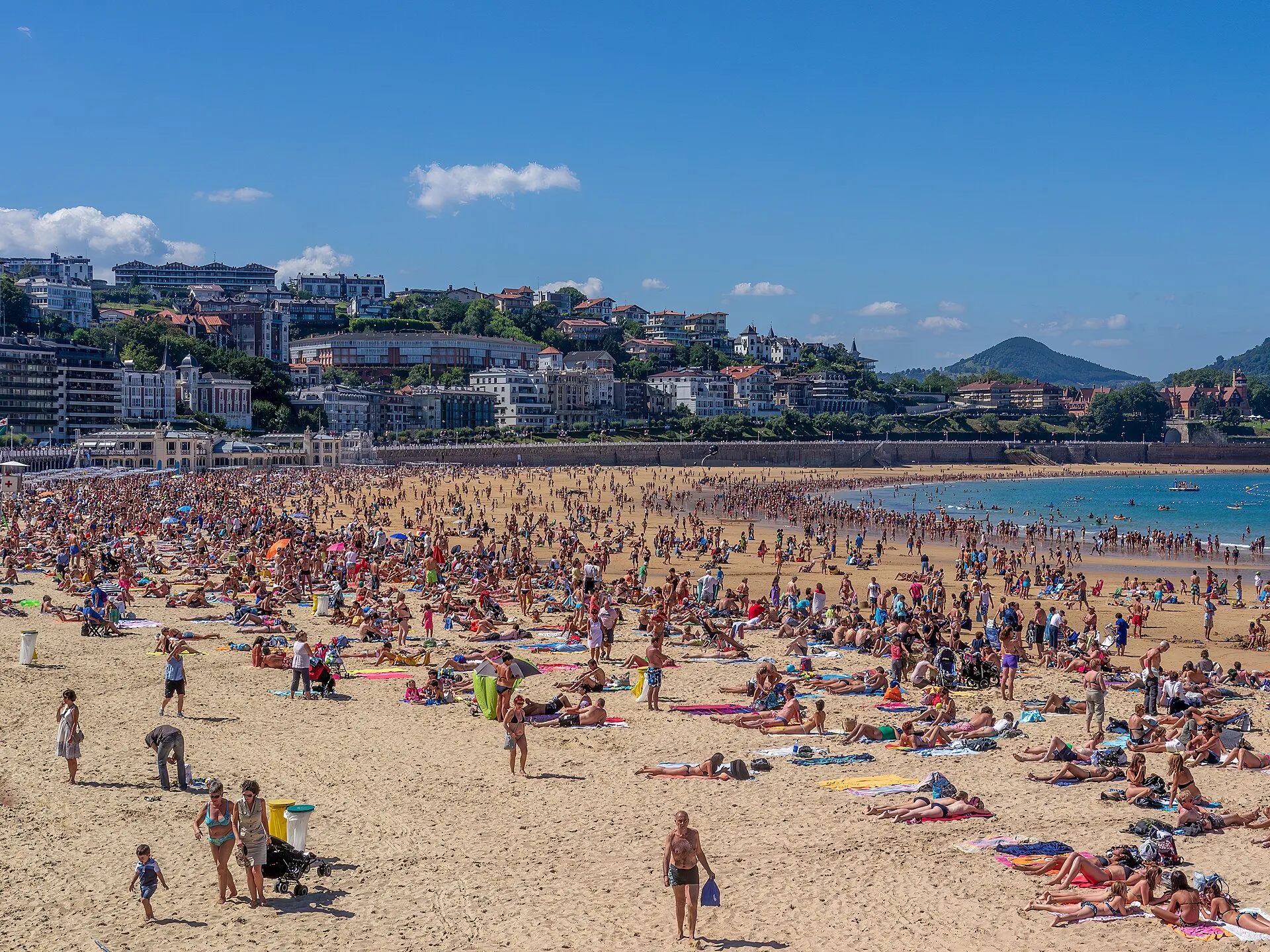
June through September is the prime window: La Concha beach beckons between pintxo crawls and the harbour terraces buzz late into the evening. August brings the Semana Grande festival with nightly fireworks over the bay, and September's film festival adds a dash of glamour to the old quarter. The Basque coast sees heavy rain from November to February, when some smaller bars trim their hours, though the 20 January Tamborrada is a spectacular reason to brave the winter.
What time of day is best for exploring Parte Vieja?
Two windows stand out. Lunchtime, from about 12:30 to 2 PM, is when bars lay out their first fresh batch of hot and cold pintxos. The evening crawl, roughly 8 to 10 PM, is livelier still — especially Thursday through Saturday, when locals fill every counter. For quiet sightseeing of the churches and the San Telmo Museum, arrive between 9 and 11 AM before the crowds build.
How much should visitors budget for Parte Vieja?
The streets, plazas, and church exteriors are free to wander. Individual pintxos run €2-5 each, a glass of txakoli €2-3, and San Telmo Museum admission is €8 (free on Tuesdays). A guided pintxos tour with food and drink at several bars typically costs €80-120 per person, while a private guide for a small group runs €200-350 plus food.
What local customs should visitors follow when exploring Parte Vieja?
Follow the local rhythm: order at the bar rather than waiting for service, take a plate for the cold pintxos on the counter and ask for the hot ones from the kitchen, and keep your toothpicks so staff can tally the bill. Donostiarras rarely stay for more than a pintxo or two before moving on, tipping is not expected beyond rounding up, and a few words of Spanish or Basque are always welcomed.
How do you get to Parte Vieja and get around it?
The Parte Vieja sits at the northern edge of the city centre, a flat five-to-ten-minute walk from most central hotels and from the eastern end of La Concha beach. Enter beside the Boulevard and the La Bretxa market, where several city bus lines stop. The quarter is entirely pedestrian, so there is no parking inside it — use the Boulevard or Kursaal underground car parks if you arrive by car.
Why was San Sebastián's Old Town rebuilt in the 19th century?
Almost the entire Old Town was rebuilt because the medieval town burned to the ground on 31 August 1813, when Anglo-Portuguese troops stormed and sacked it during the Peninsular War. Only the lane now called Calle 31 de Agosto largely survived. The uniform stone grid you walk today, together with the arcaded Plaza de la Constitución, dates from the reconstruction that followed.