
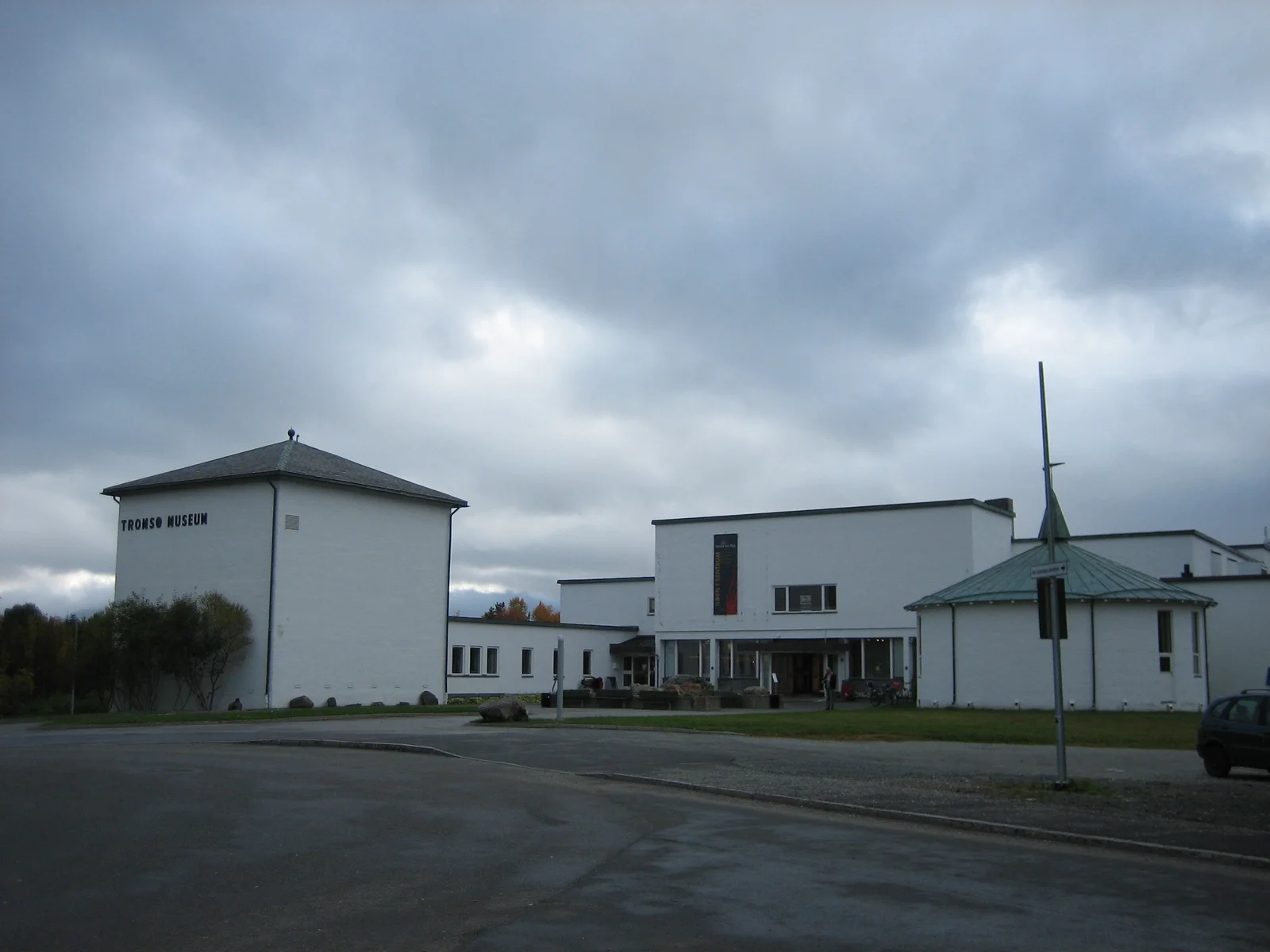
Collections Highlights
The standout holdings are the Sámi ethnographic collections — clothing, tools, religious objects and reindeer-herding equipment — which, together with the interpretive displays, form one of Norway's most important presentations of indigenous culture. The archaeology collections span the Stone Age to the Viking and medieval periods, including church art and objects that illuminate how Christianity reached and reshaped the north.
The natural-history galleries showcase Arctic geology, flora and fauna, with dioramas of the region's animals and birds, while the dedicated Northern Lights exhibition explains the solar physics and folklore of the aurora. Together these collections make the museum a genuine encyclopaedia of the far north — cultural, historical and scientific — which is why so many visitors start their understanding of Tromsø here.
Guided Tours
The museum is well signed and designed for independent visiting, with clear labelling that lets you move at your own pace through the Sámi, natural-history and aurora exhibitions, so a guide is not essential to enjoy it. Interactive and visual displays carry much of the interpretation.
For deeper engagement, the museum offers guided tours and educational programmes for booked groups, and a knowledgeable city guide will often include a visit as the cultural anchor of a wider Tromsø tour, using the Sámi and Arctic exhibits to explain the human story behind the landscapes seen from the Fjellheisen and the fjords. That pairing — museum depth plus a guide's connective narrative — is the richest way to make sense of the far north in a single day.
When to Visit
Being entirely indoors, the museum is a dependable choice in any weather and at any time of year, and it comes into its own on the cold, dark or wet days when outdoor sightseeing loses its appeal. It is rarely crowded, though summer afternoons bring the most visitors.
Check current opening hours, which are longer in the summer season. Allow one and a half to two hours to take in the Sámi, natural-history and Northern Lights exhibitions at a comfortable pace, more if you have a particular interest or are visiting with children who want to explore the wildlife displays. Its position a little away from the harbour makes it a good anchor for a half-day that also takes in the mainland sights across the bridge.
Admission and Costs
Adult admission is around NOK 100–120 ($9–11), with discounts for students, seniors and families and free or reduced entry for children. A combined ticket covering the university's several museums, including the Polar Museum, is sometimes available and is good value if you plan to visit more than one.
There are no extra charges for the permanent exhibitions once you are inside, and temporary shows are normally included. A guided city tour that stops here will usually cover the entry. As always, treat these figures as estimates and confirm the current price and any combined-ticket options when you plan your visit.
The Case for a Guide
A guide turns the museum from an assortment of galleries into a coherent introduction to the north. Sámi culture in particular benefits from informed narration — the history, the spiritual traditions, the modern politics of an indigenous people — and a good guide draws the threads between the exhibitions and the living region outside, linking the reindeer-herding displays to the tundra you can see from the Fjellheisen and the aurora exhibition to a winter Northern Lights hunt. For international visitors with little prior knowledge of the Sámi or the Arctic, that context is exactly what transforms a museum visit into real understanding, and it makes the museum a natural first stop on a guided tour of Tromsø.
Tips for Visitors
Give the Sámi exhibitions proper time — they are the museum's outstanding feature and the best introduction anywhere in the city to the indigenous culture of the north, which enriches everything else you see in the region. The Northern Lights exhibition is a rewarding primer before, or instead of, an aurora-hunting night.
Visit on a poor-weather day and keep the clear ones for the Fjellheisen view and outdoor tours. Families should allow extra time at the wildlife dioramas. If you are also interested in polar exploration, plan to pair it with the separate Polar Museum down by the harbour, ideally on a combined ticket.
Frequently Asked Questions
What can I see at the Tromsø University Museum?
Its permanent exhibitions cover Sámi culture and history, the natural history of the Arctic, the region's geology and wildlife, church art and archaeology from the Stone Age and Viking periods, and — a favourite with visitors — a dedicated exhibition on the science of the Northern Lights. It is a broad, regional museum that explains the human and natural story of the far north in one place.
Is this the same as the Polar Museum?
No — they are two different museums, though both are run under the university. The Polar Museum (Polarmuseet), in a historic harbour warehouse, focuses on Arctic exploration, hunting and expeditions. The University Museum (Tromsø Museum) is a broader natural- and cultural-history museum with the Sámi and aurora exhibitions. If your time is short, decide which theme appeals more, or a guide can help you choose.
Is it suitable for children?
Yes. The natural-history displays of Arctic animals, the aurora exhibition and the hands-on elements make it engaging for families, and it is fully indoors, which makes it a reliable choice on a cold or wet Tromsø day. Allow a little longer if children want to linger over the wildlife dioramas and the Northern Lights room.