
Tips for Visitors
Evening aarti: The 6 PM riverside aarti is the single most atmospheric experience at Pashupatinath — arrive by 5:30 PM for a position on the eastern bank ghat steps. Dress code: Cover shoulders and knees; remove shoes before entering any shrine area. Photography of cremations: Respectfully observe from a distance; never photograph the body or grieving family members directly. Festival visits: If your trip coincides with Maha Shivaratri, arrange a very early morning (3–4 AM) arrival with a guide — the overnight atmosphere is extraordinary but requires planning. Combine with: Boudhanath Stupa is 2 km north — combining the two is the classic Kathmandu half-day that spans both Hindu and Buddhist traditions.
When to Visit
Complex open: Daily 4 AM – 9 PM. Morning aarti ceremony: Approximately 5–6 AM (pre-dawn ritual with oil lamps and chanting on the main ghats). Evening aarti: 6–7 PM (the most atmospheric time — riverside lamps lit, chanting echoing across the river). Maha Shivaratri: February/March — check Hindu calendar for exact date each year.
Admission and Costs
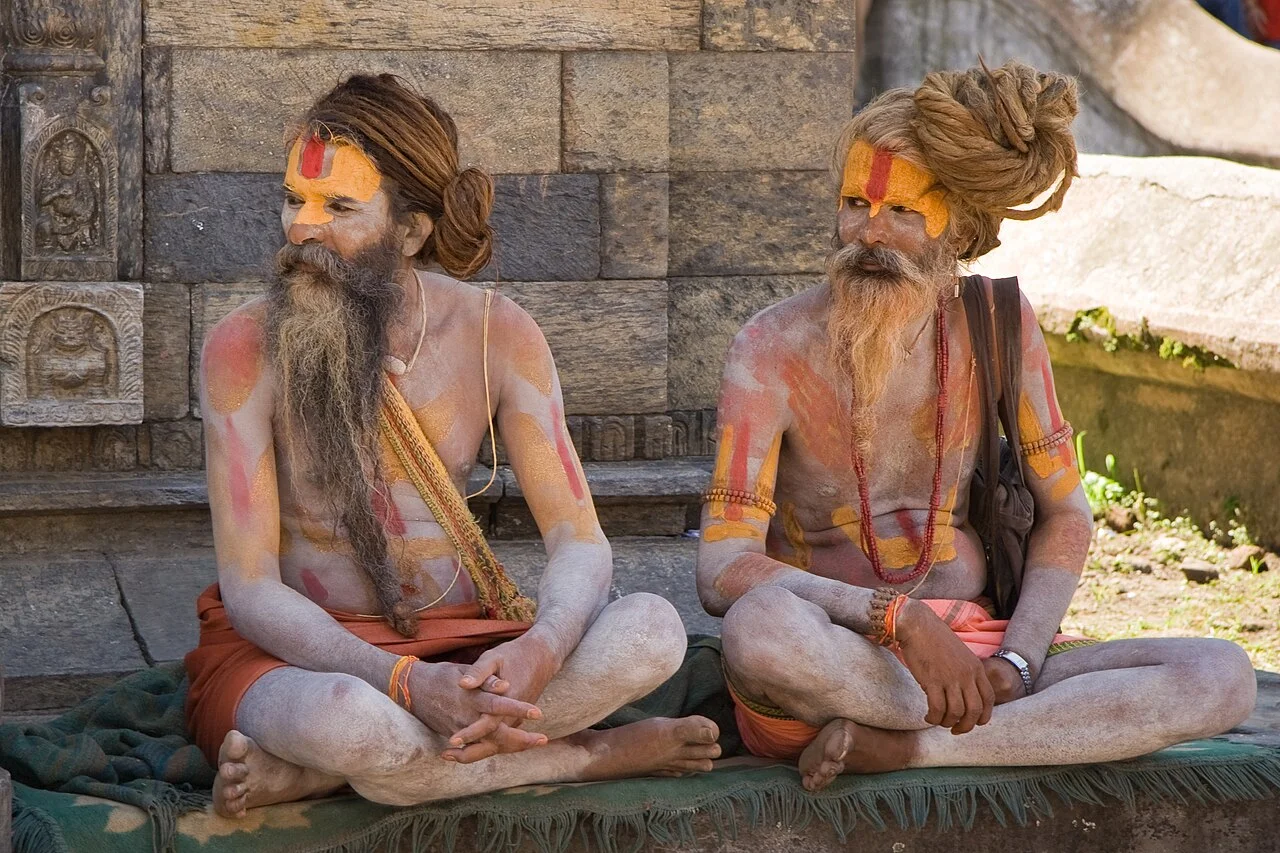
Foreign visitor entry: NPR 1,000 (approximately $7.50). Inner temple: Restricted to Hindus. Sadhu photography: Negotiate individually (NPR 100–200 per photo is customary). Guided visit: Included in guide day rate from Kathmandu.
The Case for a Guide
Pashupatinath is one of the world's most spiritually and culturally concentrated sites — and one where visitor behaviour matters. A guide manages the experience with the sensitivity the site requires.
- Cremation context: The guide explains the Hindu understanding of death and rebirth that makes open cremation not morbid but liberating — the Bagmati's sacred status, the role of the eldest son in lighting the pyre, and why specific ghats are used for different castes and circumstances
- Aarti ceremony explanation: The morning and evening aarti ceremonies involve specific ritual objects (oil lamps, flowers, conch shells), specific chants, and specific meanings — a guide translates the ceremony's content and explains who is conducting it and why
- Sadhu community: Not all sadhus at Pashupatinath are genuinely renunciant — some are permanent residents with deep spiritual credentials, others are seasonal performers. A guide who knows the community makes appropriate introductions and ensures you understand the distinction
- Temple complex navigation: The 246-hectare complex contains hundreds of smaller shrines, each with specific deity and ritual significance — a guide plans a circuit that captures the most significant elements while respecting the boundaries of spaces restricted to Hindu worshippers
Frequently Asked Questions
Can non-Hindus enter Pashupatinath Temple?
Non-Hindus are not permitted to enter the inner sanctum of the main Pashupatinath Temple, which contains the sacred Pashupati linga (the primary Shiva idol). However, the entire riverbank complex — the cremation ghats, the surrounding smaller temples, the sadhu meditation areas on the hillside, and the forested pathways — is open to all visitors. The entry fee for foreign visitors covers access to the full complex excluding the main temple interior. Visitors can observe the cremation ceremonies from the opposite bank of the Bagmati River at a respectful distance.
Is it appropriate to observe cremation ceremonies at Pashupatinath?
Cremation at Pashupatinath is conducted openly on the riverside ghats as part of Hindu religious practice — the Bagmati's sacred status makes it the holiest cremation ground in Nepal. Visitors may observe from the opposite bank (the east side of the river) with respectful, quiet conduct. Photography of the cremation process directly is considered disrespectful to grieving families — a guide manages the appropriate boundaries. The best approach is to observe respectfully from a distance without treating it as a tourist spectacle.
What is the Maha Shivaratri festival at Pashupatinath?
Maha Shivaratri (Great Night of Shiva) falls on the 14th night of the dark fortnight in the Hindu month of Phalguna (typically February or March). At Pashupatinath, the festival draws 500,000 to 1 million pilgrims from across Nepal and India who come to bathe in the Bagmati, receive blessings from the sadhu (Hindu holy men), and perform all-night vigils. The ghats are packed from the day before, and the atmosphere — between profound devotion and carnival energy — is unlike anything in Kathmandu at other times.