
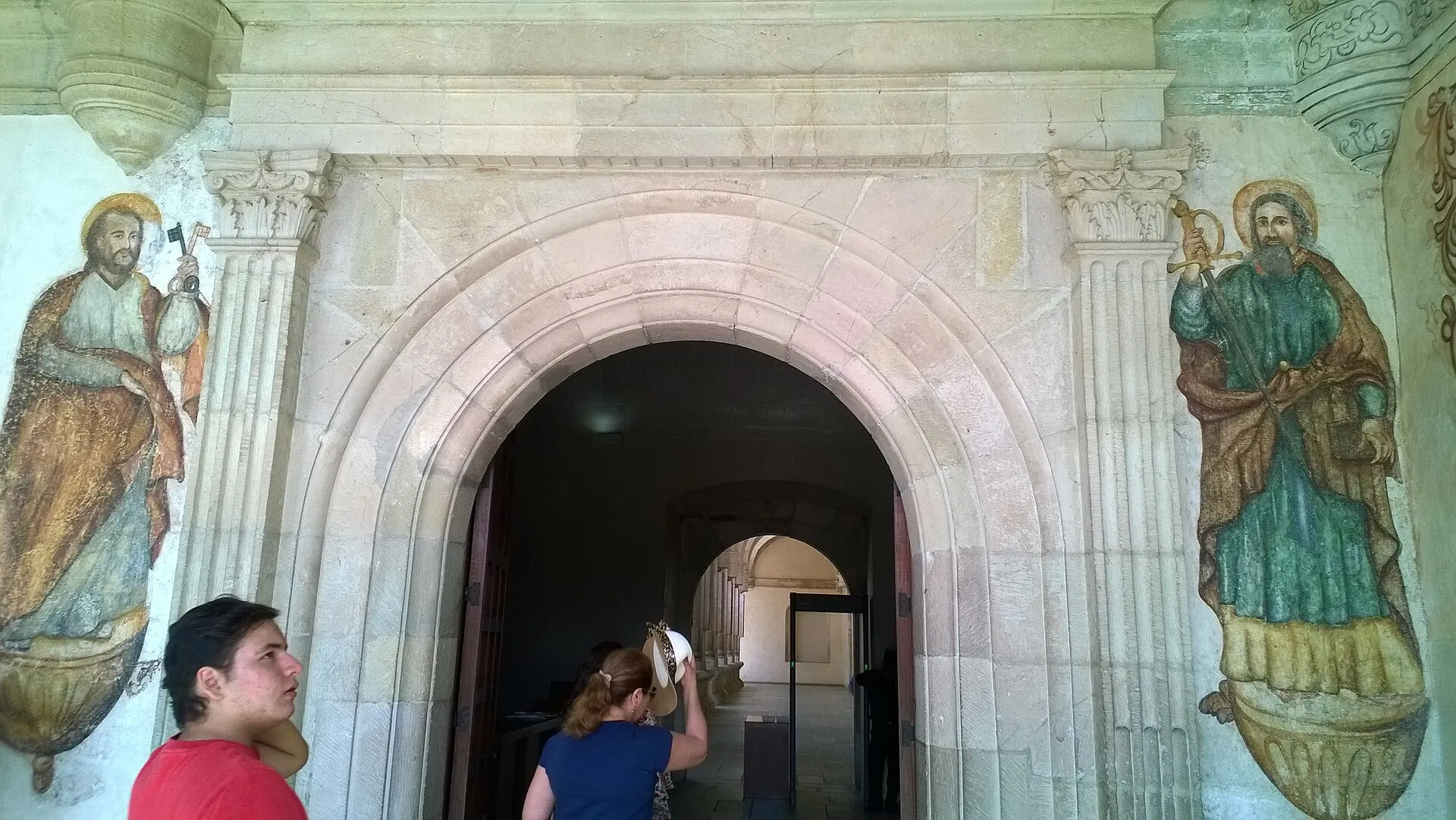
Spiritual Significance
Santo Domingo remains an active parish church, and its spiritual life continues to shape Oaxaca's religious calendar. The Dominican order established their mission here to evangelize the indigenous Zapotec and Mixtec populations, and the church's extravagant decoration was deliberately designed to overwhelm and convert — the gilded interior served as a visual argument for the power and glory of the Catholic faith. The Baroque style reached its most elaborate Mexican expression in buildings like this, where indigenous artisans brought their own aesthetic traditions to European forms, creating a uniquely novohispano (New Spanish) synthesis visible in the floral motifs and the integration of local fruits and plants into the carved decoration. The church survived use as military stables during the Guerra de Reforma (Reform War) and a period as army barracks — the fact that its decoration survived at all is remarkable. The gilded Capilla del Rosario off the nave keeps alive the Dominican devotion to Our Lady of the Rosary that the friars carried through their mission churches across the Oaxacan Mixteca. The pipe organ, restored in the early 2000s, fills the gilded space with sound during services and occasional concerts.
Visitor Etiquette
Santo Domingo de Guzmán is an active Dominican parish church alongside its identity as a major historical monument and cultural museum. Masses are held regularly — the church's tourist visiting hours are scheduled to work around the liturgical calendar, but on Sunday mornings the main nave may be inaccessible during services. Dress code applies to the church: shoulders and knees covered for all visitors. The adjoining Centro Cultural Santo Domingo (museum of pre-Columbian and colonial art, including the Tomb 7 treasure collection) has its own separate entrance, hours, and admission fee, and the dress code applies there as well. Photography inside the church nave and side chapels is permitted without flash, but refrain from photographing during prayer or if a mass is in progress. In the museum, follow posted photography guidelines — some collections restrict photography. The ethnobotanical garden at the rear of the complex requires timed entry and is visited on guided tours with a naturalist; do not wander off the guided path or touch the plants, many of which are rare or ceremonially significant species. Quiet, respectful behavior throughout all areas of the complex is expected.
Santo Domingo Temple timeline
-
Dominicans reach Oaxaca
Friars of the Order of Preachers arrive to evangelise the Zapotec and Mixtec of the valley, and soon plan a mother house grand enough to anchor the effort.
-
Construction begins
Work starts on the church and its convent on the northern edge of the colonial grid, using the region's pale green cantera stone.
-
The church opens for worship
The nave is finished enough to hold services, though the gilding of the interior and the side chapels goes on for more than another century.
- 1860s
Seized as an army barracks
Under the Reform Laws the convent is secularised and troops move in, stabling horses in the cloisters; that the gilded decoration survived the decades of military use is remarkable.
-
Tomb 7 gold unearthed
Alfonso Caso excavates Monte Alban's Tomb 7 and its Mixtec treasure, the collection that now anchors the museum inside Santo Domingo's former convent.
-
Museum and garden reopen
A landmark restoration reopens the ex-convento as the Museo de las Culturas de Oaxaca, with the ethnobotanical garden laid out in the old orchard behind it.
When to Visit
Church: Daily 7:00 AM - 1:00 PM and 4:00 PM - 8:00 PM. Museum: Tuesday - Sunday, 10:00 AM - 6:30 PM (closed Mondays). Botanical garden: Guided tours only — check schedule at entrance (usually 10 AM, 12 PM, 5 PM in Spanish; English tours less frequent). Best time: Late morning when sunlight streams through the windows and illuminates the gilded interior.
Admission and Costs
Church entry: Free. Museo de las Culturas de Oaxaca: MX$90 (~$5 USD), free on Sundays for Mexican nationals and residents. Ethnobotanical garden: around MX$100 ($6) for the English-language guided tour, less for the Spanish tour. Photography permit (museum): MX$55 ($3) extra for camera use inside the galleries — the church nave itself is free to photograph without flash. Budget roughly MX$150-200 ($9-12) per person to see everything, and carry small bills, as the ticket desks rarely change large notes.
The Case for a Guide
Santo Domingo reads as pure spectacle on a first pass — a wall-to-wall blaze of gold — but almost none of it explains itself, and that is where a local guide earns their fee.
- Reading the ceiling: A guide traces the genealogical tree of Santo Domingo de Guzmán figure by figure and explains how indigenous artisans smuggled local fruit, flowers and faces into a European Baroque scheme — the novohispano synthesis you would otherwise walk straight past
- The Tomb 7 story: In the museum, a guide connects the Monte Alban gold to the Mixtec who reused a Zapotec tomb, turning a case of glittering objects into a coherent narrative of two civilisations
- Beyond the treasure room: The ex-convento's upstairs galleries hold far more than Tomb 7 — painted codices, colonial santos and everyday objects — and a guide threads them into the long arc of Oaxacan history rather than leaving you to skim the labels
- The barracks years: Knowing the convent spent decades as an army stable after the Reform Laws changes how you see the scuffed lower walls and the scale of the restoration that saved it
- Timing around Mass: A guide schedules your church visit around the liturgical calendar so you see the nave rather than a closed door, and knows when the light hits the gilding best
- The garden's plants: On the Jardín Etnobotánico tour a naturalist links each specimen — agave, cochineal cactus, native corn — to Oaxacan food, dye and mezcal traditions still alive in the city today
Tips for Visitors
Don't walk past the Capilla del Rosario: this gilded side chapel off the nave is easy to miss beside the main altar, yet it is one of the most dazzling corners of the whole church. Church photography: Photography is allowed inside the church (no flash or tripods); the museum has stricter rules and charges a separate camera fee. Dress respectfully: While there is no strict dress code, covered shoulders and knees are appreciated — this is an active place of worship. Attend a service: Sunday morning mass lets you experience the church as it was intended, with the pipe organ reverberating through the gilded space. Walking tour route: The Andador Turístico pedestrian street runs straight from Santo Domingo south to the Zócalo — stroll it after your visit for a complete historic center tour. Combine all three: Budget 3-4 hours to see the church, museum, and botanical garden together; the museum alone deserves 1.5 hours for the Tomb 7 collection. Evening light: Return at dusk when the facade is lit up and the atrium fills with locals — a completely different atmosphere from the daytime visit.
Frequently Asked Questions
Which months are ideal for experiencing Santo Domingo Temple?
The church and museum are indoor experiences that remain excellent throughout the year, but visiting during Oaxaca's dry season from October through May ensures comfortable walks between the temple, museum, and botanical garden. Late morning sunlight streaming through the windows best illuminates the gilded baroque interior. The Guelaguetza festival in July brings vibrant cultural events to the city, though it coincides with rainy season afternoons.
What are the public visiting hours at Santo Domingo Temple?
The three parts of the complex keep separate schedules, which trips up visitors who arrive expecting one ticket booth. The church is open to visitors daily from 7:00 AM to 1:00 PM and again from 4:00 PM to 8:00 PM, though those hours flex around Mass. The Museo de las Culturas de Oaxaca, in the former convent next door, runs Tuesday to Sunday, 10:00 AM to 6:30 PM, and is closed Mondays. The ethnobotanical garden behind the complex admits visitors only on scheduled guided tours, so check the day's times at the museum entrance rather than turning up unannounced.
Does visiting Santo Domingo Temple require a paid ticket?
Entering the church itself is free. The Museo de las Culturas de Oaxaca, where the Tomb 7 gold is displayed, charges around MX$90 (about $5) and is free on Sundays for Mexican nationals and residents. The ethnobotanical garden costs roughly MX$100 ($6) for its English-language guided tour and less for the Spanish tour. If you want to photograph inside the museum galleries, budget an extra MX$55 ($3) camera permit; the church nave itself can be photographed without charge as long as you skip the flash.
What do guides highlight at Santo Domingo Temple?
A guide explains the gilded stucco genealogical tree of Santo Domingo de Guzmán spread across the entrance vault, the row of ornate side chapels, and the Mixtec gold, jade and turquoise from Monte Alban's Tomb 7 displayed in the adjoining museum. They also connect the church to Oaxaca's wider story, from the Dominican mission to the years the complex spent as an army barracks. Budget three to four hours for the church, museum and botanical garden together.
How much time should I budget for the whole Santo Domingo complex?
Plan on three to four hours if you want to do the site justice. The church itself takes 30 to 45 minutes of unhurried looking, since the detail rewards a slow circuit of the side chapels and the genealogical-tree ceiling. The Museo de las Culturas de Oaxaca deserves at least 90 minutes on its own, and the Tomb 7 treasure room alone can absorb half an hour. The guided ethnobotanical garden tour runs about an hour. If you are short on time, prioritise the church and the Tomb 7 galleries and save the garden for a return visit.
Is the Tomb 7 gold really inside the museum here?
Yes. When archaeologist Alfonso Caso excavated Tomb 7 at nearby Monte Alban in 1932, he uncovered one of the richest caches of pre-Columbian treasure ever found in the Americas: hundreds of objects in gold, silver, jade, turquoise, pearl and carved jaguar bone. That collection is displayed in the Museo de las Culturas de Oaxaca inside Santo Domingo's former convent, which is why so many visitors pair the church with a trip out to Monte Alban to see where the hoard was buried.