
Oaxaca timeline
-
Antequera founded
Spanish settlement created the colonial city now known as Oaxaca.
-
Juarez legacy
Benito Juarez's rise from Oaxaca tied the city to Mexico's liberal reform story.
-
Historic center listed
UNESCO recognition linked Oaxaca's streets with the nearby Monte Alban archaeological landscape.
Cited city facts
Key facts for visiting Oaxaca
Monte Alban was inhabited from 500 BCE to 750 CE
The Zapotec capital occupied a flattened mountaintop for over 1,200 years, at its peak housing 17,000 people and controlling the surrounding valleys; its Danzantes stone carvings contain some of the earliest writing in Mesoamerica
16 indigenous groups in Oaxaca state
Oaxaca is Mexico's most ethnically diverse state, with the Zapotec and Mixtec peoples comprising the largest communities; roughly one-third of the state's population speaks an indigenous language as their mother tongue
Land of the seven moles
Oaxacan cooking is famed for los siete moles — negro, rojo, coloradito, amarillo, verde, chichilo, and manchamanteles — complex sauces layering chiles, seeds, and spices; the prized mole negro darkens with charred chilhuacle chiles and local chocolate, while the everyday table also runs to chapulines (grasshoppers) and huitlacoche (corn fungus)
Over 30 agave species used for mezcal in Oaxaca
While tequila uses only blue agave, Oaxacan maestros mezcaleros distill spirits from wild and cultivated varieties including espadin, tobala, and tepeztate, some of which take up to 25 years to mature before harvest
Source: tour-guide.com — Free to cite with attribution
Things to see
What are the top attractions in Oaxaca?
- Monte Alban at sunrise — The ancient Zapotec capital emerging from morning mist above the valley is unforgettable
- Chocolate grinding at Mercado 20 de Noviembre — Watch vendors blend cacao, almonds, cinnamon, and sugar into Oaxacan drinking chocolate on stone metates
- Guelaguetza festival (July) — Dancers from all 8 regions of Oaxaca state perform in traditional dress at the hilltop auditorium
- Mezcal palenque visits — Small-batch distilleries in Matatlán (the "world capital of mezcal") where maestros mezcaleros roast agave in earthen pits
- Hierve el Agua — Swim in mineral pools perched on petrified waterfalls overlooking the valley
- Alebrije workshops in San Martín Tilcajete — Watch artisans carve and paint the fantastical wooden creatures that have become Oaxaca's signature craft
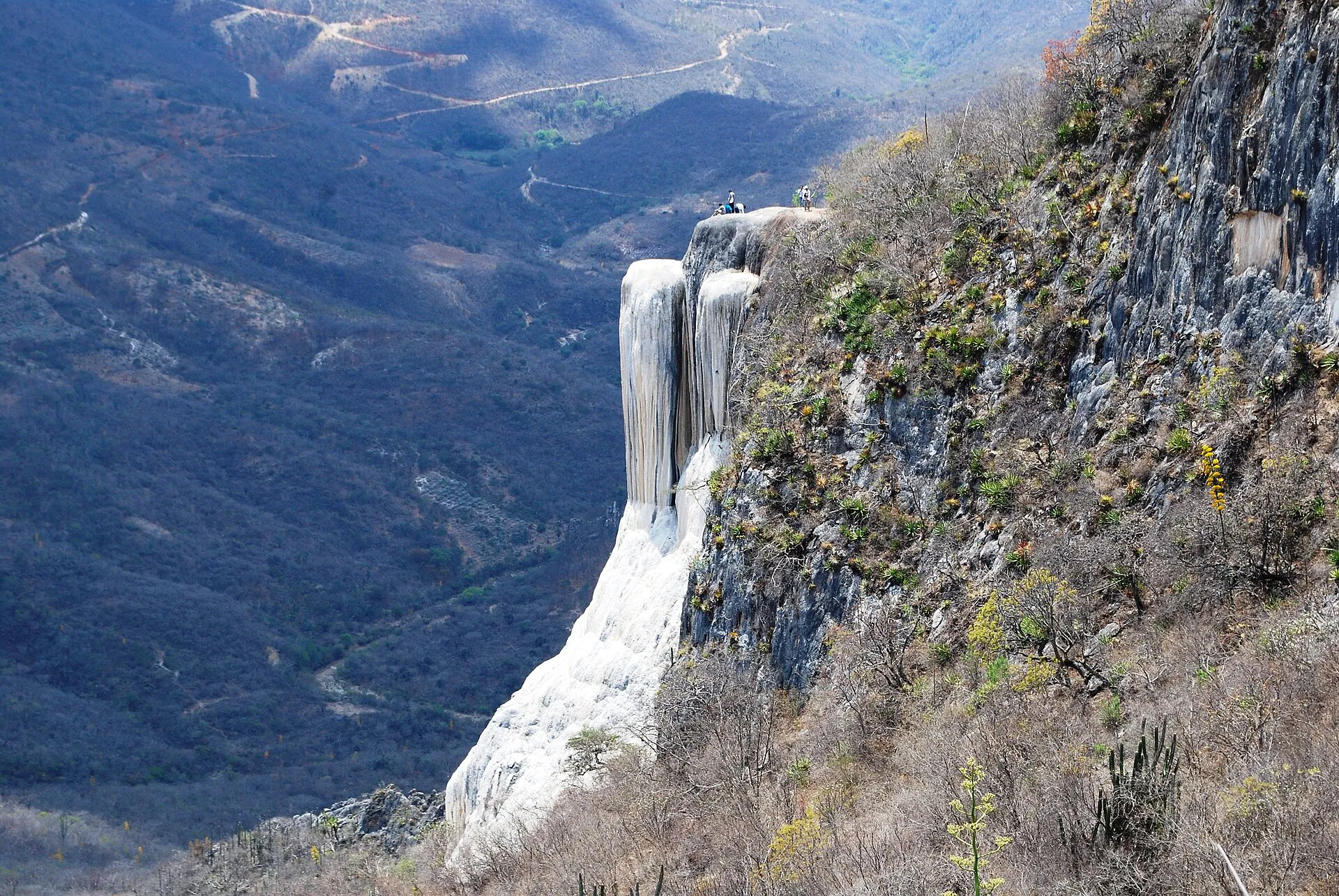
Hierve el Agua
Petrified waterfalls and infinity pools above the Oaxacan valley
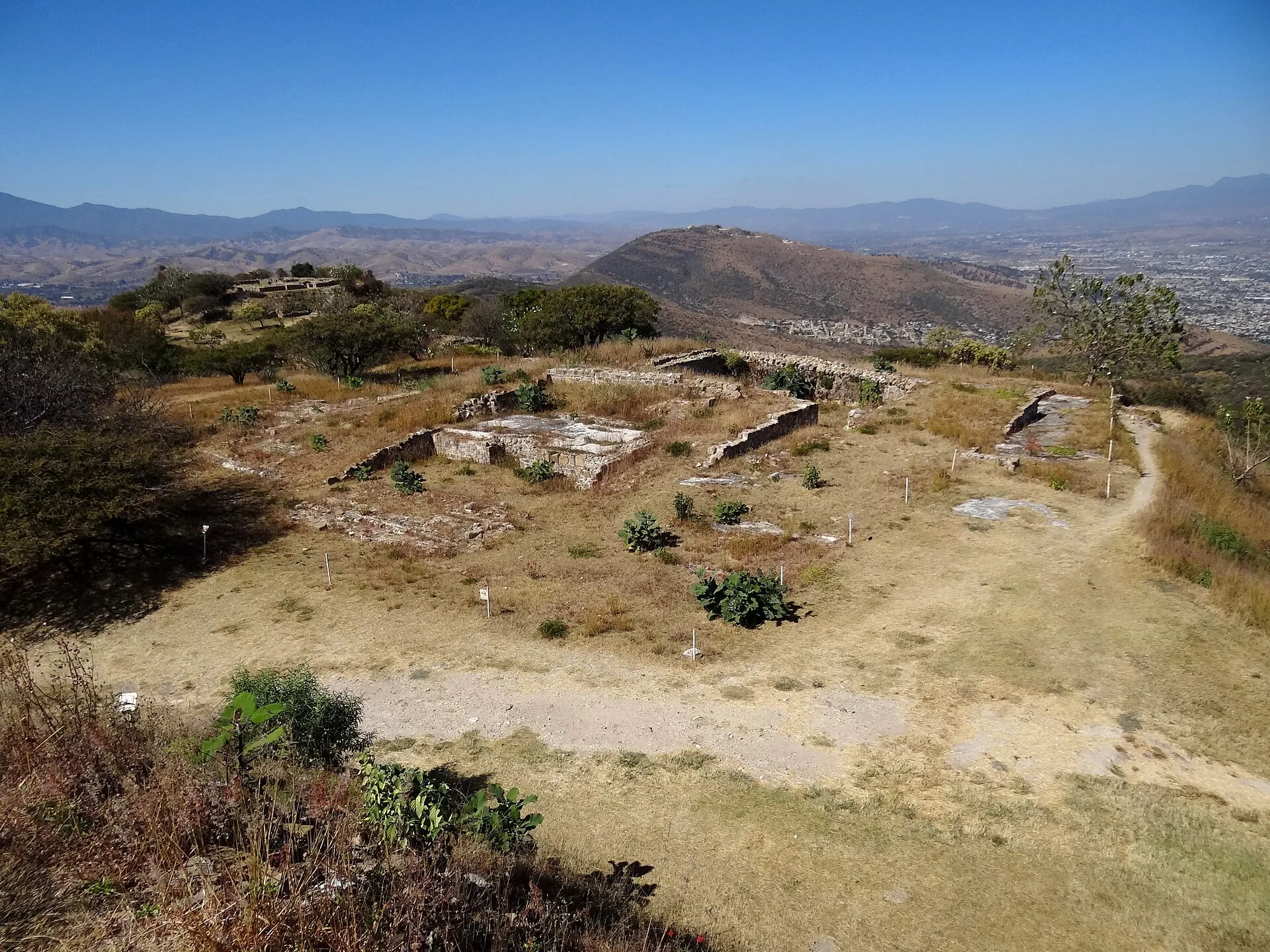
Monte Alban
Ancient Zapotec capital above the clouds
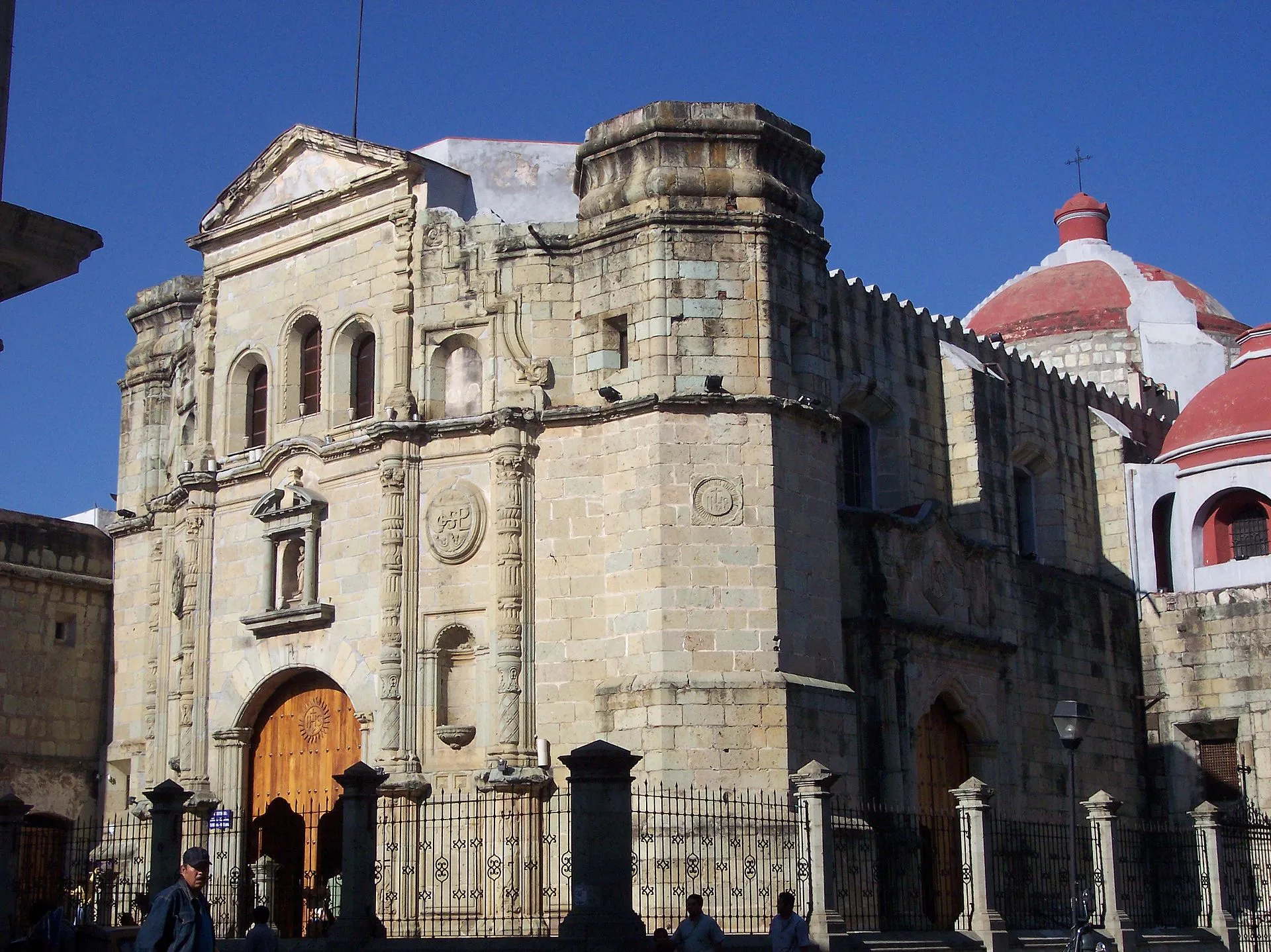
Santo Domingo Temple
Oaxaca's gilded baroque crown jewel
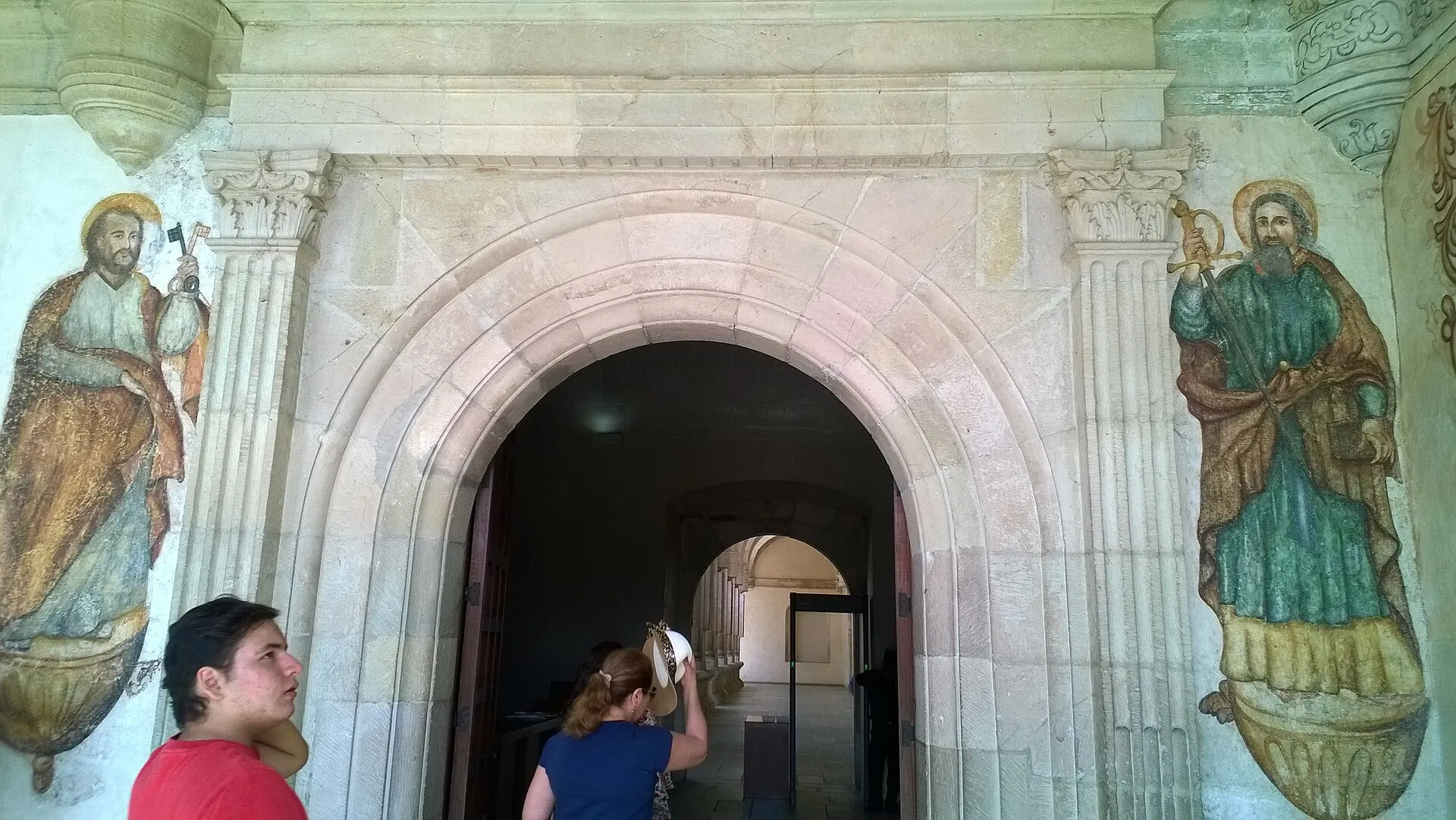
Guide planning
How much does a tour guide cost in Oaxaca?
| Tour Type | Price | Details |
|---|---|---|
| City Walking Tour | MX$500-800 | $28-45 per person |
| Monte Alban Half-Day | MX$1,200-1,800 | $68-100 with transport |
| Food & Mezcal Tour | MX$900-1,400 | $50-80 including tastings |
| Full-Day Valley Tour | MX$2,000-3,500 | $115-200 all inclusive |
Season planner
When is the best time to visit Oaxaca?
The dry season from October to April delivers Oaxaca's most dependable weather — warm, rain-free days for climbing Monte Alban and the clear light that sets the mineral terraces of Hierve el Agua glowing. Rains arrive from June to September, usually as short afternoon storms that green the valleys without spoiling a day of sightseeing, so the shoulder months of May and September still reward visitors with lower room rates and thinner crowds.
Time a visit around the calendar's landmark celebrations, and book lodging months ahead when it overlaps them:
- Guelaguetza (the two Mondays after July 16) — delegations from all eight regions of the state perform traditional dance and music at the hillside Auditorio Guelaguetza on the Cerro del Fortín
- Día de los Muertos (October 31 – November 2) — costumed comparsas, marigold-draped altars, and all-night vigils in the Panteón General make Oaxaca one of Mexico's defining Day of the Dead destinations
- Noche de Rábanos (December 23) — the "Night of the Radishes" turns the Zócalo into an open-air gallery of elaborate tableaux carved from oversized radishes
- Semana Santa (Holy Week, March or April) — solemn processions and a wave of domestic tourism fill the historic center in the days before Easter
Guelaguetza and Day of the Dead bring premium room rates and sold-out palenque tours, so reserve an English-speaking guide well in advance if your trip coincides with either.
Spring
Mar-May
Summer
Jun-Aug
Autumn
Sep-Nov
Winter
Dec-Feb
Each score averages that season’s monthly ratings out of 5. The top-rated window is usually the peak season too, so read the guidance above for its trade-offs before you book.
On the ground
How do you get around Oaxaca?
- Altitude and climate — At 1,550 meters, Oaxaca is warm by day and cool at night — bring a light jacket for evenings and expect intense midday sun
- Market days — Tlacolula's Sunday market is the largest indigenous market in the valley; Ocotlán's Friday market is famous for black pottery and red-dyed textiles
- Language reality — Many Oaxacans speak Zapotec or Mixtec as their first language, with Spanish as a second — English is limited outside tourist-facing businesses
- Mezcal etiquette — Sip, don't shoot
- Quality mezcal is meant to be savored
- Ask for a jicara (gourd cup) for the traditional experience
- Getting around — The historic center is walkable; colectivos (shared vans) run to surrounding villages and sites like Hierve el Agua for MX$50-100
Frequently Asked Questions
What is the best time to visit Oaxaca?
Best months: October through April is dry season. The Guelaguetza in late July and Day of the Dead in early November are peak cultural events with higher prices and crowds.
How much does a tour guide cost in Oaxaca?
City Walking Tour: MX$500-800 ($28-45 per person). Monte Alban Half-Day: MX$1,200-1,800 ($68-100 with transport). Food & Mezcal Tour: MX$900-1,400 ($50-80 including tastings).
How do you get around Oaxaca?
Oaxaca's centro historico is compact and walkable, with most sights within a few blocks. Colectivos (shared vans) run to surrounding villages and archaeological sites like Monte Alban and Hierve el Agua. Taxis are cheap and plentiful.