
Guadalajara timeline
-
Guadalajara founded
The fourth and final Spanish foundation fixed the city in the Atemajac Valley.
-
Hidalgo in Guadalajara
Independence politics made the city a stage for early republican reform.
-
Hospicio Cabanas listed
UNESCO recognition highlighted one of Guadalajara's defining civic monuments.
Cited city facts
Key facts for visiting Guadalajara
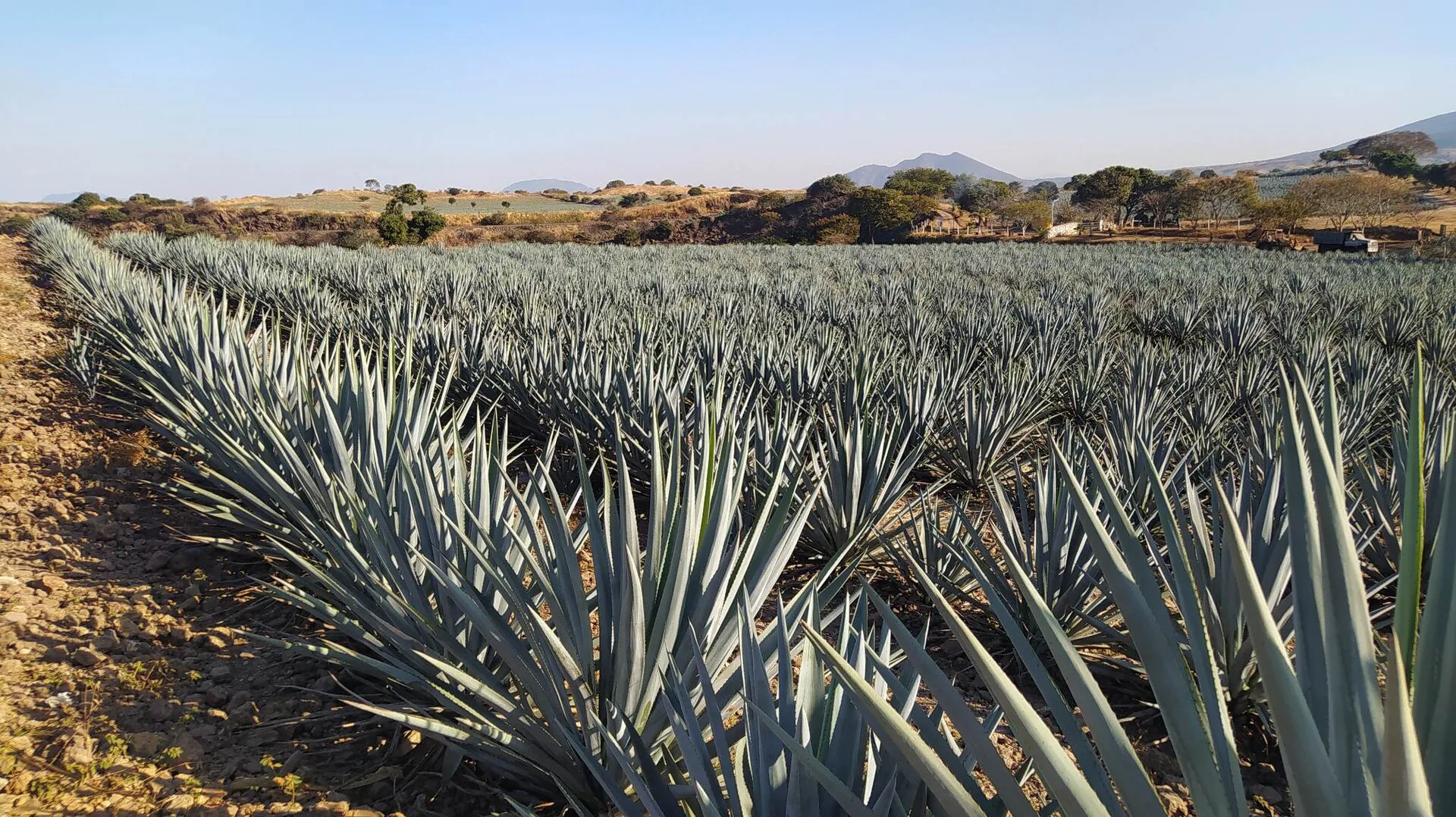
UNESCO-listed agave landscape covers 34,658 hectares
The blue agave fields surrounding the town of Tequila were inscribed as a UNESCO World Heritage cultural landscape in 2006, recognizing a cultivation tradition stretching back at least 2,000 years to pre-Hispanic fermented agave beverages
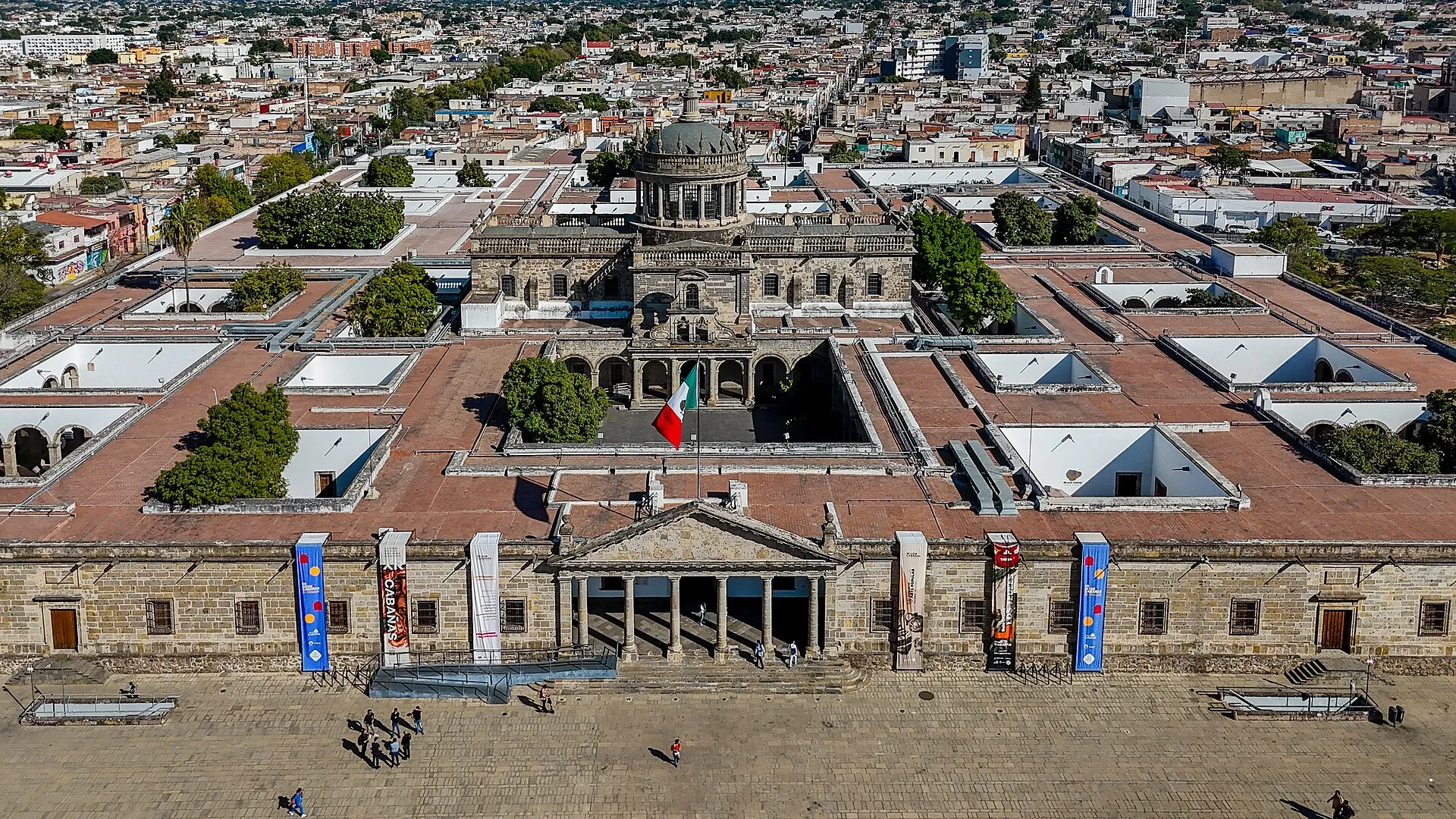
Hospicio Cabanas sheltered 23,000 orphans over 150 years
Built between 1805 and 1845, this neoclassical institution served as Latin America's largest orphanage before becoming a cultural center; Jose Clemente Orozco painted its 57 ceiling frescoes between 1938 and 1939
Mercado San Juan de Dios spans 40,000 square meters
Latin America's largest indoor market occupies three sprawling floors in downtown Guadalajara, with over 3,000 stalls selling everything from birria stew and handmade huarache sandals to electronics and folk art
Mariachi music originated in Jalisco in the 19th century
UNESCO inscribed mariachi as Intangible Cultural Heritage in 2011, and Guadalajara's Plaza de los Mariachis remains the spiritual home where ensembles gather nightly, available for hire by the song
Source: tour-guide.com — Free to cite with attribution
Things to see
What are the top attractions in Guadalajara?
- Tequila trail by train — The José Cuervo Express winds through agave fields with tastings, music, and open-air cars — book well in advance
- Orozco's dome at Cabañas — Lie on the chapel benches and gaze up at The Man of Fire — one of the most powerful murals in the Americas
- Plaza de los Mariachis — Hire a band for a song at sunset; negotiate before they start playing
- Tlaquepaque galleries — Blown glass, Talavera pottery, and Huichol beadwork from indigenous Wixárika artisans
- Torta ahogada — Guadalajara's signature "drowned sandwich" drenched in spicy chile de árbol salsa — order it with everything at a street stall
- Mercado San Juan de Dios — Three floors of organized chaos covering food, crafts, leather goods, and everything in between
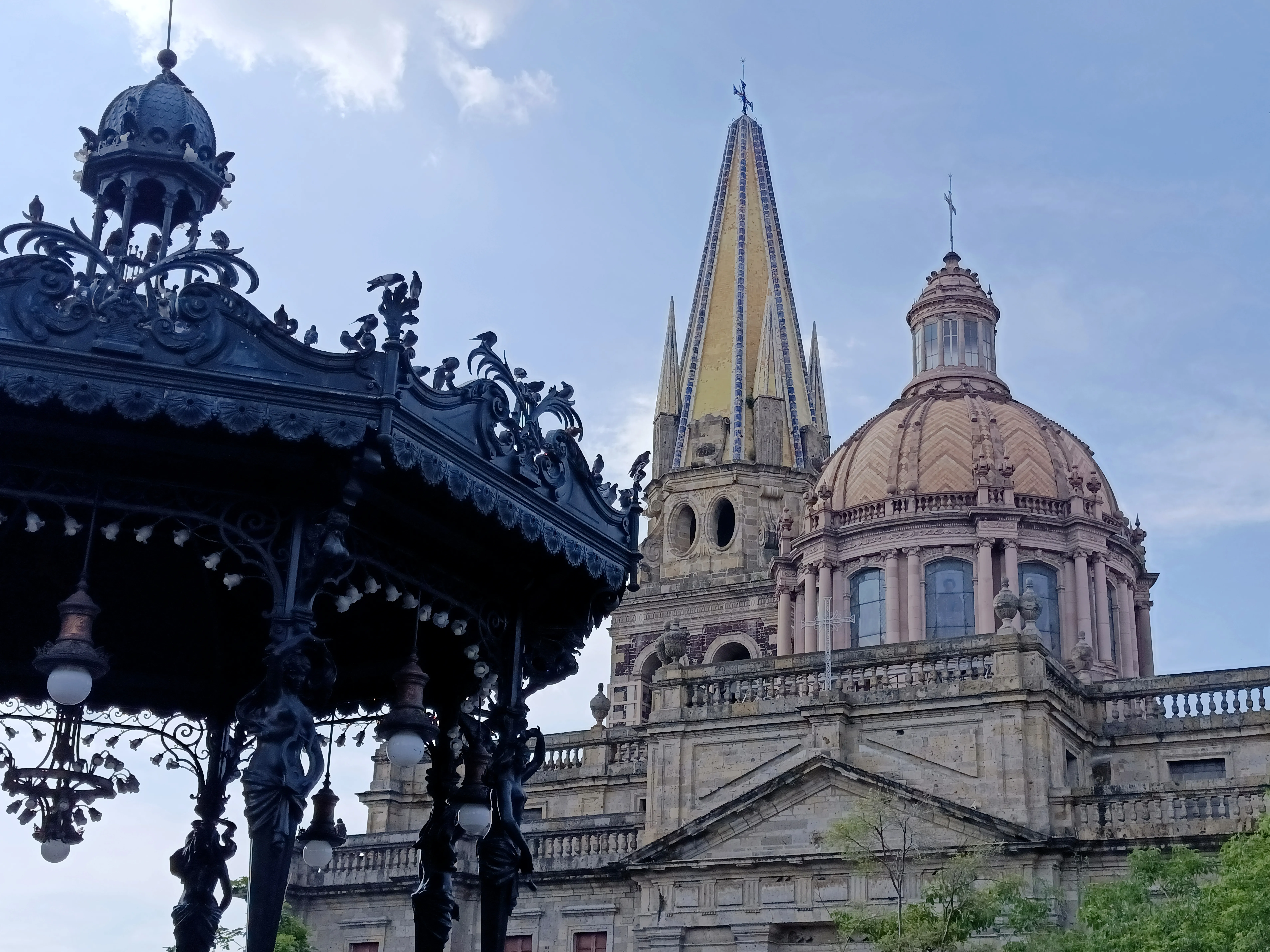
Guadalajara Cathedral
Twin yellow spires that became the symbol of a whole city
Hospicio Cabañas
Orozco's fire — where architecture and revolutionary art converge
Tequila
Where blue agave meets centuries of distilling tradition
Guide planning
How much does a tour guide cost in Guadalajara?
| Tour Type | Price | Details |
|---|---|---|
| Historic Center Walking | MX$500-800 | $28-45 per person |
| Tequila Day Trip | MX$1,800-3,000 | $100-170 with transport |
| Tlaquepaque Art Walk | MX$600-1,000 | $34-56 per person |
| Full-Day Private | MX$2,800-4,800 | $155-270 |
Season planner
When is the best time to visit Guadalajara?
- Best months — October through May brings dry weather and comfortable temperatures around 24°C; rainy season (June-September) delivers dramatic afternoon thunderstorms but mornings stay clear
Spring
Mar-May
Summer
Jun-Aug
Autumn
Sep-Nov
Winter
Dec-Feb
Each score averages that season’s monthly ratings out of 5. The top-rated window is usually the peak season too, so read the guidance above for its trade-offs before you book.
On the ground
How do you get around Guadalajara?
- Getting around — The Macrobús rapid transit covers the main corridors, and Uber works well; traffic during rush hour rivals Mexico City — plan accordingly
- Safety — The historic center and tourist areas are well-patrolled; exercise normal urban caution at night and avoid flashing expensive jewelry
- Tipping — 10-15% at restaurants; tip guides 15-20% for private tours
- Altitude — At 1,566 meters, Guadalajara sits lower than Mexico City — altitude adjustment is rarely an issue for most visitors
Frequently Asked Questions
What is the best time to visit Guadalajara?
Best months: October through May brings dry weather and comfortable temperatures around 24°C; rainy season (June-September) delivers dramatic afternoon thunderstorms but mornings stay clear.
How much does a tour guide cost in Guadalajara?
Historic Center Walking: MX$500-800 ($28-45 per person). Tequila Day Trip: MX$1,800-3,000 ($100-170 with transport). Tlaquepaque Art Walk: MX$600-1,000 ($34-56 per person).
How do you get around Guadalajara?
Getting around: The Macrobús rapid transit covers the main corridors, and Uber works well; traffic during rush hour rivals Mexico City — plan accordingly.