
Tasting Guide
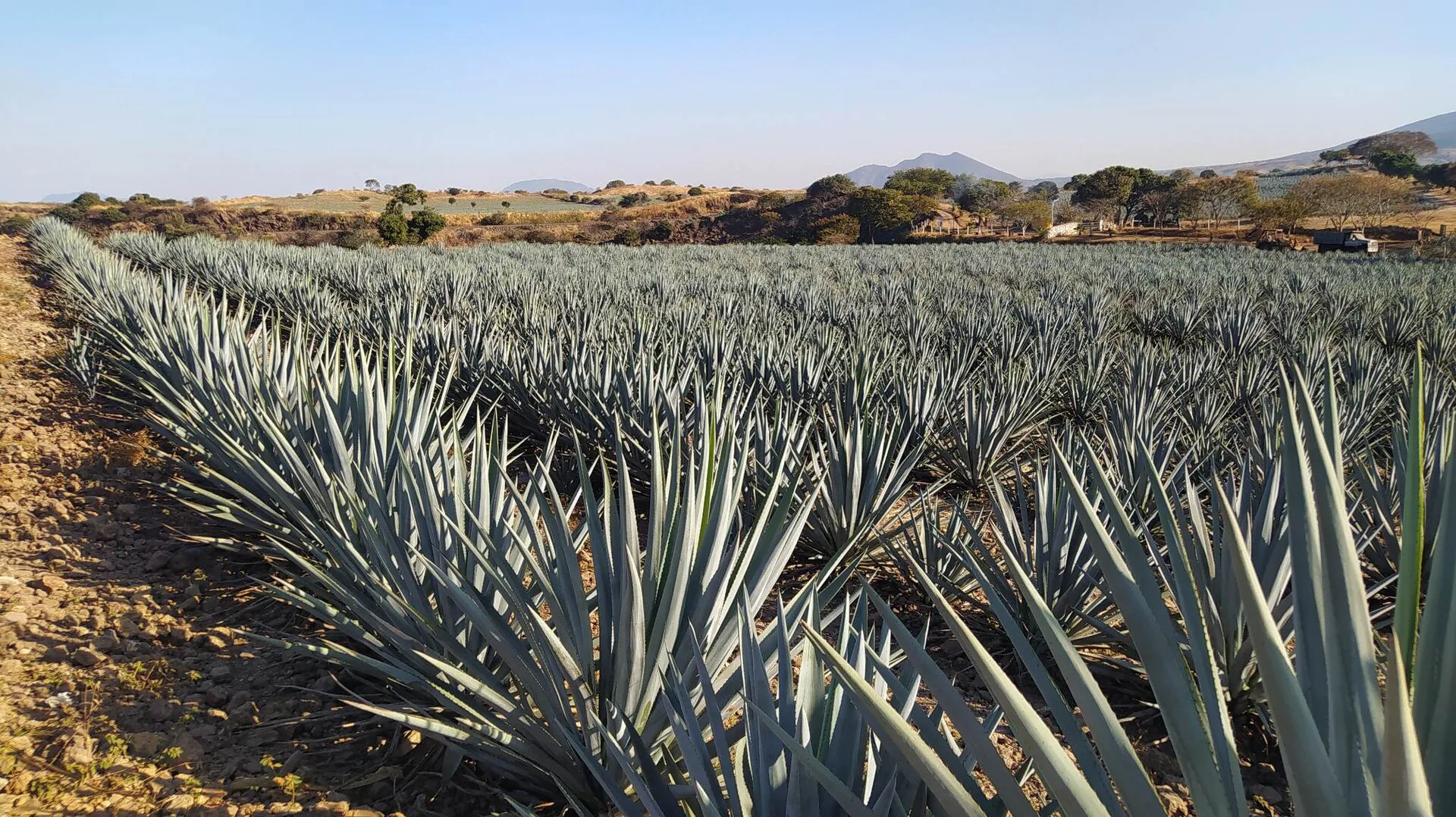
Agave fields: endless rows of blue agave against volcanic soil — the defining image of Jalisco. La Rojeña distillery: José Cuervo's 1758 facility, the oldest continuously operating distillery in the Americas. Jimador demonstrations: watch skilled harvesters wield the coa to strip agave piñas weighing up to 90 kilograms. Barrel aging rooms: walk through oak barrel warehouses where tequila transforms from blanco to reposado to añejo. The tasting progression — blanco (unaged), reposado (2-12 months), añejo (1-3 years), extra-añejo (3+ years) — reveals how oak aging transforms the spirit from sharp and herbaceous to smooth and caramel-rich. Look for "100% agave" on the label, which by law guarantees pure blue-agave spirit rather than a mixto cut with other sugars. A knowledgeable guide helps you identify notes of cooked agave, vanilla, and pepper that distinguish premium tequilas from industrial production.
Local Producers
Beyond the major brands, Tequila's smaller producers offer some of the most distinctive spirits in Mexico. Fortaleza uses a stone tahona wheel to crush cooked agave — a pre-industrial method that produces a richer, more complex flavor than modern roller mills. Casa Noble practices organic farming across its agave fields. Tequila Ocho works with single-estate agave from specific highland plots, producing vintages that reflect individual terroir — a concept borrowed from wine that is gaining recognition in the tequila world. Many of these craft distilleries welcome visitors by appointment and offer tastings unavailable in shops. A local guide with industry connections can arrange access to production facilities and introduce you to maestros tequileros (master distillers) who have inherited their craft across generations.
Tequila timeline
- Pre-Hispanic
Agave fermented into pulque
Long before distillation, the indigenous peoples of west-central Mexico ferment agave sap into pulque, a mildly alcoholic drink used in ritual and daily life.
-
La Rojeña distillery founded
José Antonio de Cuervo begins distilling on land granted near the town of Tequila, establishing what becomes the oldest continuously operating distillery in the Americas.
-
The first royal production licence
King Carlos IV of Spain grants José María Guadalupe Cuervo the first official licence to produce tequila commercially, formalising an industry that had run informally for decades.
-
First exports to the United States
Cenobio Sauza ships the first barrels of tequila north across the border, opening the export market that would eventually carry the spirit worldwide.
-
Denomination of Origin granted
The Mexican government protects "Tequila" as a Denomination of Origin, restricting the name to spirit made from blue agave grown in defined regions of Jalisco and neighbouring states.
-
UNESCO World Heritage listing
UNESCO inscribes the Agave Landscape and Ancient Industrial Facilities of Tequila, recognising the fields, distilleries and towns as a living cultural landscape.
When to Visit
Distillery tours: Monday-Sunday 9 AM - 5 PM (most distilleries), with the last departure usually mid-afternoon. Best: morning departures from Guadalajara to arrive before the midday heat and ahead of the lunchtime tour buses. Peak: weekends and Mexican holidays bring crowds; weekdays offer a calmer experience and easier same-day bookings. Harvest season: November through April is prime jimador activity — you will see the fields being worked. Big houses like La Rojeña keep regular walk-in schedules, while smaller craft producers such as Fortaleza often visit by appointment only, so plan those ahead. Time your trip around the Feria Nacional del Tequila in late November for the town at its most festive.
Admission and Costs
Basic distillery tour: MX$200-300 ($11-16) per person with tastings. Premium tasting experience: MX$400-500 ($22-27) for extra-añejo flights. Tequila Express train: MX$2,500-3,500 ($135-190) (includes transport, music, food, open bar). José Cuervo Express: MX$1,800-2,800 ($97-151) depending on class. Private driver from Guadalajara: MX$1,500-2,500 ($81-135) round trip, which splits well across a small group. Budget travelers can take a public bus from Guadalajara's old terminal for well under MX$200 ($11) each way and book tours on arrival.
The Case for a Guide
Every legitimate bottle of tequila carries a NOM number identifying the distillery that made it plus the seal of the Consejo Regulador del Tequila (CRT), the body that certifies the spirit's Denomination of Origin — yet almost none of that is explained on a self-guided walk-through. A guide turns those markings into a map: which of the region's 150-plus certified distilleries produced the bottle in your hand, whether the agave grew on the mineral-rich valley floor around the town itself or in the higher, fruitier Los Altos highlands to the southeast, and how to read a categoría label so you know a reposado genuinely rested in oak rather than being tinted to look aged. That literacy is the difference between carrying home a bottle you will treasure and one grabbed off a shelf at random. The practical case is just as strong. Small craft houses such as Fortaleza operate in Spanish and admit visitors by prior appointment only, so a guide with local contacts secures the booking, translates the maestro tequilero's explanations on the still-house floor, and — crucially — keeps you off the highway back to Guadalajara after a morning of tasting. A good guide also steers you past the plaza's tourist-priced bars toward the family-run cantinas where locals sip tequila alongside a chaser of sangrita, the kind of access that makes a day in Mexico's agave heartland feel less like a packaged excursion and more like time spent with people who grew up in the fields.
Tips for Visitors
Train or private driver: take the Tequila Express or José Cuervo Express train from Guadalajara for a festive experience — the mariachi bands, flowing drinks, and dancing make the journey itself a highlight. Compare distilleries: smaller craft operations like Fortaleza or Casa Sauza offer a different perspective from the big brands. Visit the Museo Nacional del Tequila for essential context on the spirit's history. Do not skip extra-añejo tastings — aged 3+ years in oak, these sipping tequilas rival fine cognac. Eat locally: try birria (slow-stewed goat) and tortas ahogadas in the town's central plaza — Tequila's food scene is underrated and deeply Jalisciense. Sip, don't shoot: no salt or lime at the source, and go slow if you plan to visit more than one house. Pace tastings and arrange a driver if you intend to sample widely.
Frequently Asked Questions
When should visitors plan a trip to Tequila for the best experience?
March and April are the sweet spot: dry, clear weather shows the blue agave fields at their most photogenic against Jalisco's volcanic red earth, and daytime highs stay comfortable before the summer rains. The harvest runs November through April, so those same months are when you are most likely to catch jimadores actually working the rows with a coa. Avoid September, the peak of the rainy season, when downpours turn dirt access roads muddy and leave the outdoor distillery yards harder to walk. If you want the town at its liveliest, come around the Feria Nacional del Tequila in late November and early December, when the plaza fills with mariachi, charro riders and producer stalls.
What are the opening hours for distillery tours in Tequila?
Most distilleries run tours daily from about 9 AM to 5 PM, with the last departure usually mid-afternoon. Aim for a morning slot: you arrive before the midday heat, the light on the agave fields is better, and you beat the busloads that build up after lunch. Weekends and Mexican public holidays draw the biggest crowds, so a weekday visit is noticeably calmer and easier to book at short notice. The big houses like La Rojeña keep regular walk-in schedules, while smaller craft producers such as Fortaleza often take visitors by appointment only.
How much does a distillery tour and tasting in Tequila cost?
A basic guided distillery tour with tastings runs about MX$200-300 ($11-16) per person, while a premium experience with an extra-añejo flight is closer to MX$400-500 ($22-27). The scenic train packages cost far more but bundle everything in: the Tequila Express is roughly MX$2,500-3,500 ($135-190) with transport, music, food and an open bar, and the José Cuervo Express runs about MX$1,800-2,800 ($97-151) depending on cabin class. If you prefer your own schedule, a private driver from Guadalajara and back is around MX$1,500-2,500 ($81-135) for the day, which splits well across a small group.
What is the best way to travel from Guadalajara to Tequila?
The town sits about 60 km northwest of Guadalajara, roughly an hour by road. The festive option is a themed train — the Tequila Express or the José Cuervo Express — where mariachi bands, tastings and dancing turn the journey itself into the highlight, though you follow a fixed itinerary. For flexibility, hire a private driver so you can compare distilleries at your own pace and not worry about tasting and driving. Budget buses leave regularly from Guadalajara's old bus terminal for a fraction of the price if you are happy to plan your own day on arrival.
Is a guide worth it for visiting Tequila?
For most visitors, yes. A knowledgeable local guide turns a standard distillery walk-through into the full story — naming the roasting, crushing and fermentation steps as you pass them, explaining how blanco, reposado, añejo and extra-añejo differ, and pointing out what separates 100% agave tequila from cheaper mixto. Guides with industry contacts can also arrange appointment-only tastings at small craft houses and introduce you to a maestro tequilero, access that is hard to get on your own. If you only have a day, a guide is the difference between ticking off a tour and actually understanding the spirit.