
Udaipur timeline
-
Monsoon Palace at sunset
— The hilltop Sajjangarh Palace offers 360-degree views of Udaipur's lakes and surrounding countryside.
-
Founded as the new Mewar capital
Founded in 1559 as the new Mewar capital.
-
The Mewar rulers' refusal to bow to the Mughals
— crystallised in the legend of Maharana Pratap, who fought Akbar's army to a standstill at the Battle of Haldighati in 1576 rather than surrender
-
Lake Palace
Lake Palace: the 1746 island palace of Octopussy.
-
Palace completed
Built in 1746 on Jag Niwas island as a royal summer retreat, the white-marble Lake Palace now operates as the Taj Lake Palace hotel and served as a key location in the.
Cited city facts
Key facts for visiting Udaipur
Mewar: among the world's longest-reigning dynasties
The Sisodia rulers of Mewar, seated at Udaipur since 1559, trace their line back over a thousand years and were the only major Rajput house that never formally accepted Mughal overlordship
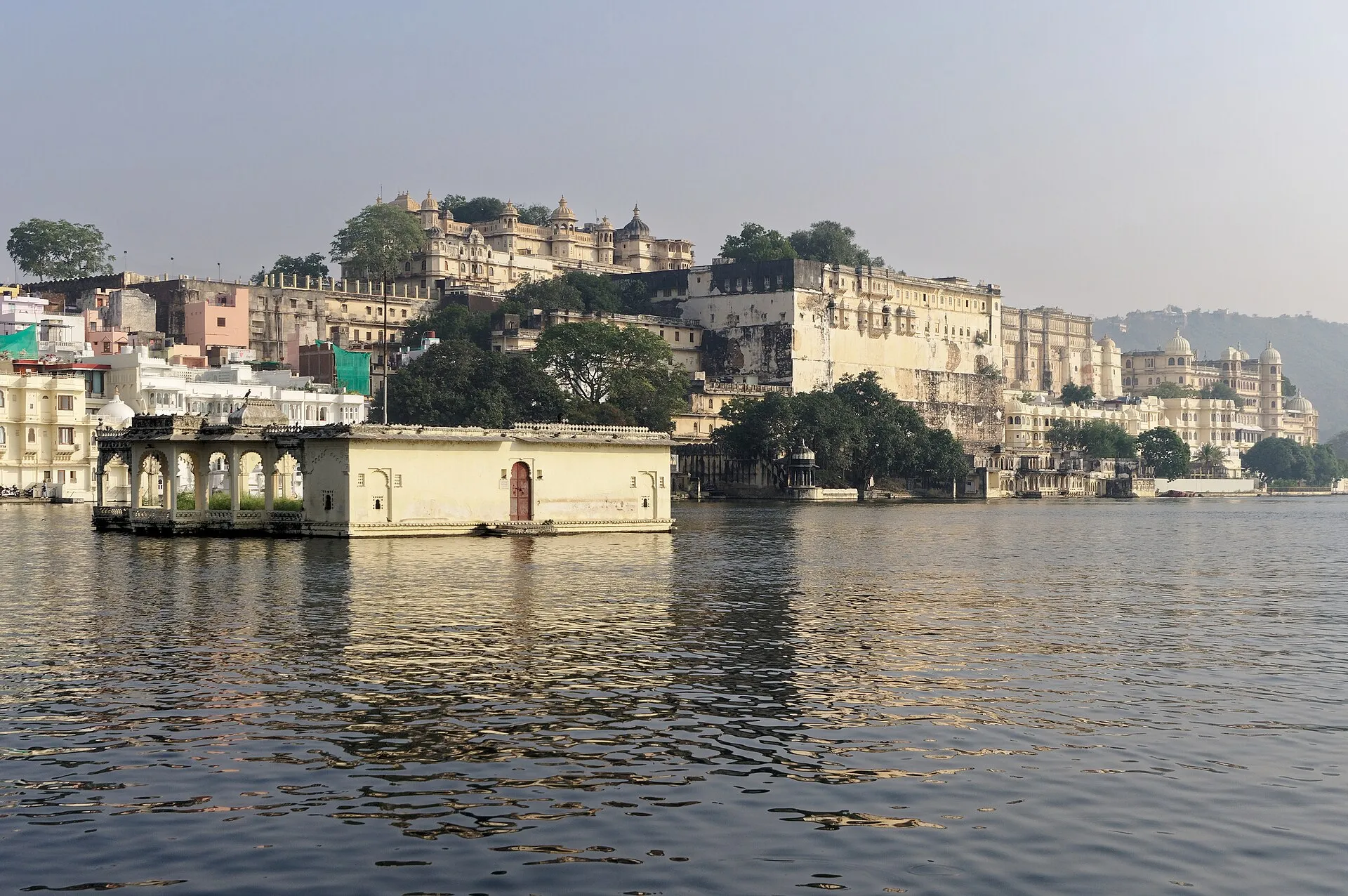
City Palace: 244 metres along Lake Pichola
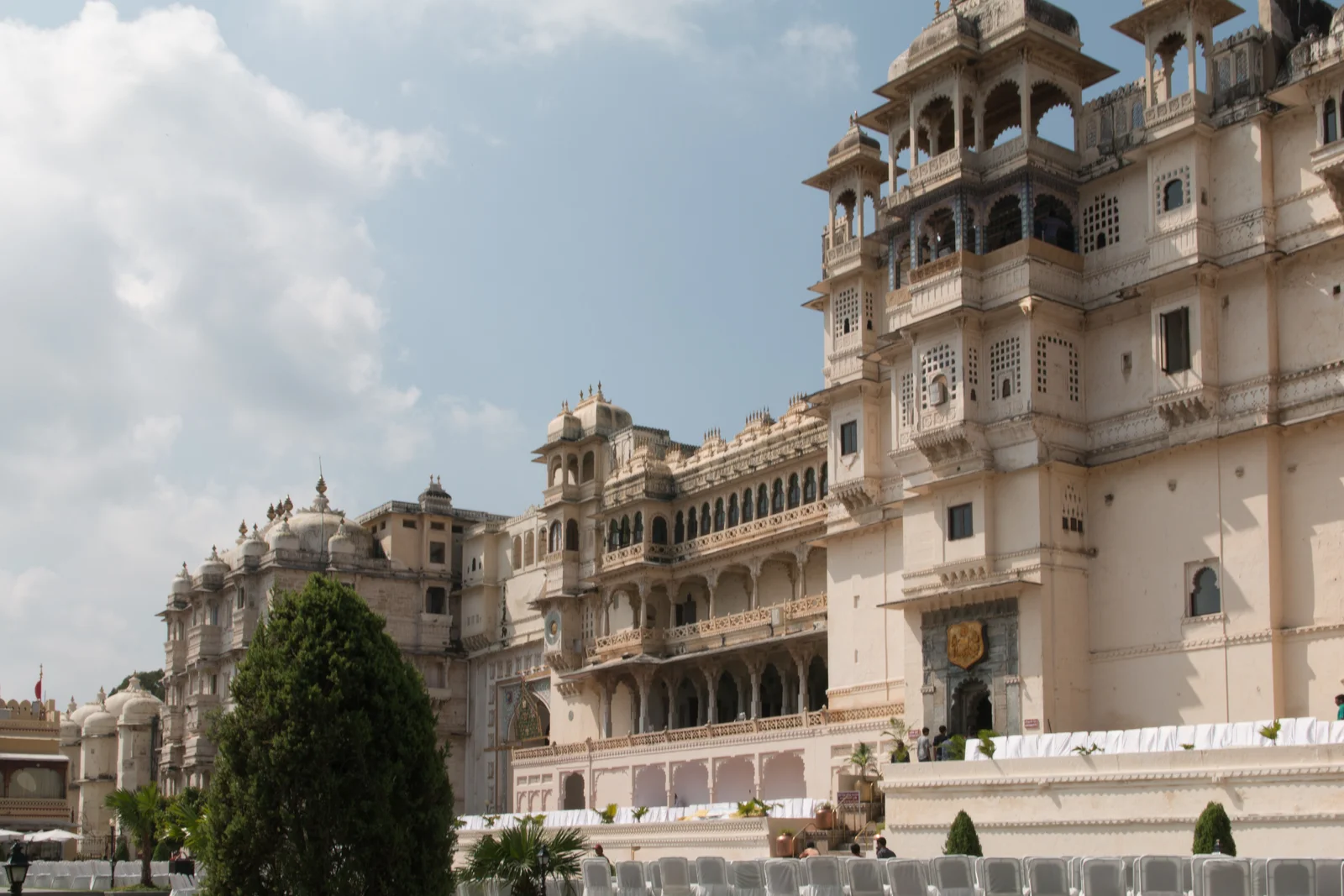
Udaipur's City Palace is the largest palace complex in Rajasthan, raised over roughly four centuries by successive maharanas along the eastern shore of Lake Pichola
Lake Palace: the 1746 island palace of Octopussy
Built in 1746 on Jag Niwas island as a royal summer retreat, the white-marble Lake Palace now operates as the Taj Lake Palace hotel and served as a key location in the 1983 James Bond film Octopussy
Founded in 1559 as the new Mewar capital
Maharana Udai Singh II founded Udaipur on the shore of Lake Pichola after the Mughal emperor Akbar besieged the old Mewar capital at Chittorgarh, moving the dynasty to a more defensible seat in the Aravalli Hills
Source: tour-guide.com — Free to cite with attribution
Things to see
What are the top attractions in Udaipur?
- Sunset boat on Lake Pichola — Watch the City Palace and Aravalli Hills turn gold as the sun drops behind the lake's island palaces
- Miniature painting workshops — Udaipur painters use the same natural pigments and squirrel-hair brushes their ancestors used in the Mewar court
- Rooftop dining — The old city's lakeside restaurants serve Rajasthani thalis with views of the illuminated City Palace across the water
- Monsoon Palace at sunset — The hilltop Sajjangarh Palace offers 360-degree views of Udaipur's lakes and surrounding countryside
- Animal Aid Unlimited — A unique street animal rescue charity that welcomes visitors to learn about their work with injured animals
- Hathi Pol bazaar — Browse Pichwai paintings, silver jewelry, lac bangles, and handmade paper in the lanes near Jagdish Temple
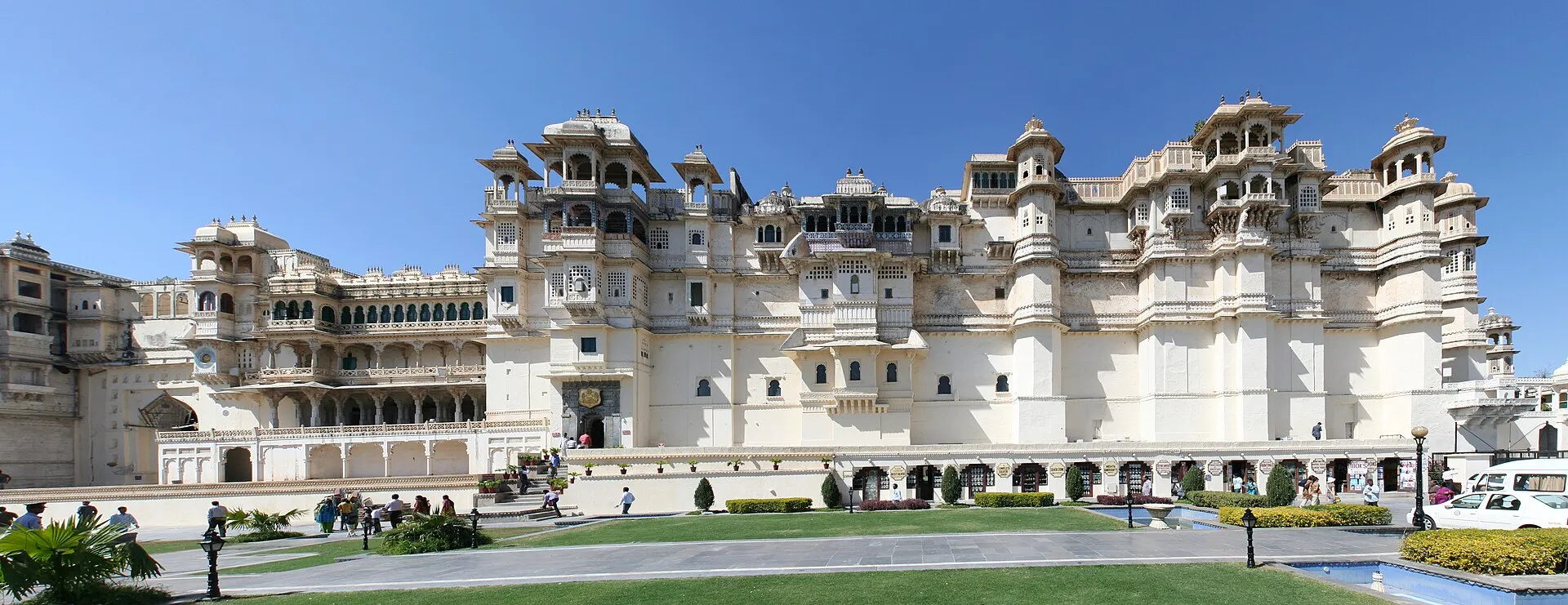
📜 City Palace Udaipur
Rajasthan's largest palace — 400 years of Mewar pride cascading down to Lake Pichola
🛐 Jagdish Temple
A 17th-century Indo-Aryan temple carved in such detail that every stone tells a story

🏞️ Lake Pichola
An artificial lake surrounded by palaces, temples, and the Aravalli Hills

Guide planning
How much does a tour guide cost in Udaipur?
| Tour Type | Price | Details |
|---|---|---|
| City Palace Guide | ₹800–1,500 ($10–18) | 2 hours |
| Old City Walking Tour | ₹1,000–2,000 ($12–24) | 3 hours |
| Private Full-Day | ₹3,000–7,000 ($36–84) | All major sites |
| Cooking + Culture Tour | ₹2,000–4,000 ($24–48) | Home-hosted |
Season planner
When is the best time to visit Udaipur?
- September–March: Best months for comfortable temperatures. October and February are ideal
- April–June: Summers are hot but less crowded
- Getting there: Direct flights from Delhi and Mumbai. Train from Jaipur (6–7 hours) passes through scenic Aravalli countryside
- Walkable core: The old city around Lake Pichola is compact. Most attractions are within a 20-minute walk of each other
- Heritage hotels: Stay in a converted haveli on the lakeside. Rooms range from ₹1,500 to ₹50,000 per night
- Monsoon romance: The lakes fill after monsoon rains (September–October), making this the most photogenic season
- Mewar Festival (Gangaur): In March or April the springtime Gangaur celebration fills the ghats, with images of the goddess Gauri carried in procession from the City Palace down to Gangaur Ghat on Lake Pichola
- Shilpgram Utsav: A ten-day crafts-and-folk-arts fair at the Shilpgram rural arts village west of town, held around the last week of December
- Udaipur World Music Festival: A free February weekend of Indian and international musicians staged across lakeside venues such as Gandhi Ground and Fateh Sagar
On the ground
How do you get around Udaipur?
Udaipur's old city clustered around Lake Pichola is compact and best explored on foot, with most major attractions — City Palace, Jagdish Temple, the Hathi Pol bazaars — within a 20-minute walk of each other along narrow, winding lanes. Auto-rickshaws are the primary motorized transport and readily available at stands near the clock tower and main intersections, though agree on a fare before climbing in since meters are rarely used.
Boat rides on Lake Pichola are both a practical way to reach Jag Mandir island and one of Udaipur's signature experiences, with public ferries departing from Rameshwar Ghat near the City Palace. Public bus service exists but is limited and unreliable for tourist purposes. For excursions to outlying sites like the Monsoon Palace at Sajjangarh (5 kilometers west) or the Eklingji and Nagda temples (22 kilometers north), hiring a car or using Uber and Ola is the practical choice since these hill roads are poorly served by shared transport.
Udaipur in Pictures
Frequently Asked Questions
What is the best time to visit Udaipur?
Best months: September–March for comfortable temperatures. October and February are ideal. Summers (April–June) are hot but less crowded. Getting there: Direct flights from Delhi and Mumbai.
How much does a tour guide cost in Udaipur?
City Palace Guide: ₹800–1,500 ($10–18, 2 hours). Old City Walking Tour: ₹1,000–2,000 ($12–24, 3 hours). Private Full-Day: ₹3,000–7,000 ($36–84, all major sites).
How do you get around Udaipur?
The old city around Lake Pichola is compact and best explored on foot, with City Palace, Jagdish Temple, and the Hathi Pol bazaars all within a 20-minute walk. Auto-rickshaws cover longer distances, and boat rides across Lake Pichola double as both transport to Jag Mandir island and one of Udaipur's signature experiences.
Which festivals are worth timing a Udaipur visit around?
The springtime Mewar Festival, built around Gangaur (March or April), is the signature celebration, when images of the goddess Gauri are carried in procession from the City Palace down to Gangaur Ghat on Lake Pichola and the ghats fill with music and colour. On the eve of Holi, a royal procession and the lighting of the Holika bonfire fill the palace's Manek Chowk courtyard.
Craft lovers should aim for the ten-day Shilpgram Utsav at the rural arts village west of town in late December, while the free Udaipur World Music Festival draws Indian and international acts to lakeside stages over a February weekend. Rooms sell out weeks ahead for all of these, so book early.
What day trips can you take from Udaipur?
Udaipur is the best base for southern Rajasthan's Mewar heritage. The UNESCO-listed Kumbhalgarh Fort (about 85 km north) wraps a hill in a 36-kilometre perimeter wall, often called the longest after the Great Wall of China, and pairs naturally with the extraordinary marble Ranakpur Jain temple nearby. Chittorgarh Fort (about 115 km northeast), the old Mewar capital whose fall drove Udai Singh II to found Udaipur, is a vast UNESCO hill fort of palaces and victory towers.
Closer in, the ancient temples of Eklingji and Nagda (about 22 km north) and the Haldighati battlefield where Maharana Pratap faced Akbar's army (about 40 km) can be combined in a half-day, and hilltop Sajjangarh (the Monsoon Palace), just 5 km west, catches the classic sunset over the lakes.