
Mendoza Wine Country: Picking the Tour That Fits Your Day
How to pick the right guided tour in Mendoza — wine, mountains or a mix — with honest notes on timing.
Read the full guideUpdated · 12 min read
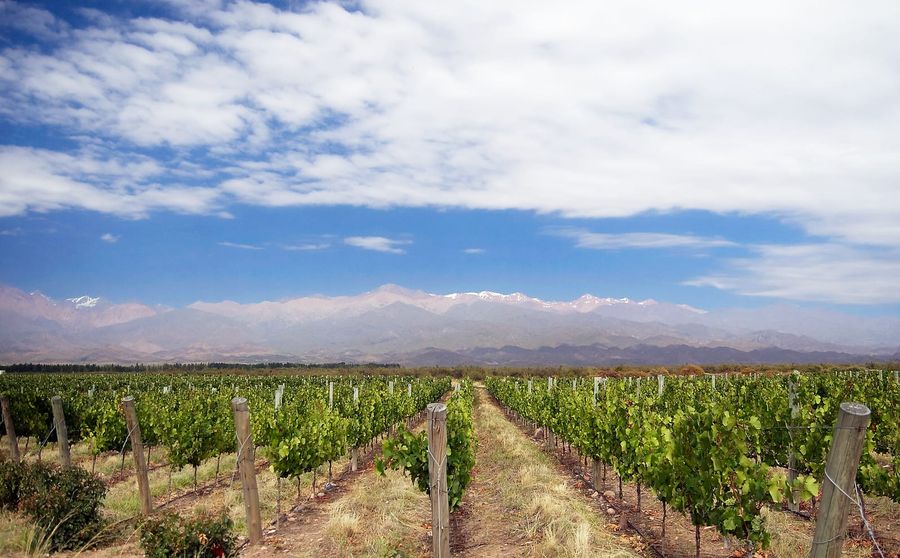
Choosing a Mendoza tour comes down to what you came for: a classic half-day trip to Luján de Cuyo or Maipú introduces the region for AR$40,000–80,000, the full-day Uco Valley suits serious enthusiasts, Maipú bike tours suit budgets, and high-mountain days reach Aconcagua. Don't try to combine wine and Andes in one day.
Mendoza is one of those rare destinations where the question is not whether to take a guided tour but which one. Argentina's wine capital spreads its attractions across a wide, dry, often signless landscape — vineyards scattered along irrigation-fed back roads, the Andes rising an hour west, and tasting rooms that quietly close their gates to anyone without a reservation. Getting the most out of a few days here depends almost entirely on choosing the right kind of guided experience for what you actually want to see. This guide walks through the main options, what they cost, when to go, and the local logistics that separate a smooth day from a frustrating one. The Mendoza city guide and the wider Argentina overview are worth reading alongside it.
Why does Mendoza reward a guide more than most cities?
Mendoza's attractions sprawl across a dry, often signless landscape. Premium bodegas like Catena Zapata and Zuccardi are rural and reservation-only, a tasting day means drinking rather than driving, and distances deceive: the Uco Valley sits 90 minutes out. A guide-driver removes that friction, and good context turns tasting into real understanding.
Plenty of cities can be explored perfectly well on foot with a good map. Mendoza is not one of them. The things people travel here for are deliberately spread out, and several practical realities push first-time visitors toward a guide:
- The wineries are rural and reservation-only. Premium bodegas like Catena Zapata, Zuccardi Valle de Uco, and Viña Cobos require bookings days or weeks ahead, and many smaller family estates only open for scheduled visits.
- You will be drinking. A standard tasting day means three or four wineries with multiple pours at each. A guide-driver keeps the day legal, safe, and on schedule.
- Distances are deceptive. The map makes everything look close; in reality the Uco Valley is about 90 minutes from the city, and high-mountain trips climb past 3,000 metres in a matter of hours.
- Context turns tasting into understanding. A knowledgeable guide explains why Malbec thrives in near-desert soil watered by 400-year-old canals, and what separates a Luján de Cuyo wine from one grown in the cooler, higher Uco.
None of this means you can't go it alone — it means a guide removes the friction so you spend the day enjoying the region rather than wrestling with it.
What are the main types of guided tour?
Mendoza's market sorts into five formats. The classic half-day tour visits three bodegas in Luján de Cuyo or Maipú; the full-day Uco Valley adds a vineyard lunch; self-powered bike tours pedal between Maipú's cluster; high-mountain days run toward Aconcagua; and private sommelier tours let you dictate the itinerary and pace.
Mendoza's tour market sorts roughly into four experiences. Picking the right one is mostly about matching the format to your interests and your tolerance for early starts and long drives.
Classic Half-Day Wine Tour
The default introduction to the region. A small group is driven to three bodegas — typically a large modern operation, a mid-sized boutique, and a historic family estate — in Luján de Cuyo or Maipú, the two zones closest to the city. Tastings are guided, lunch is usually optional, and you are back by mid-afternoon.
- Best for: First-time visitors, anyone short on time, travellers who want a representative sample without a full-day commitment.
- Typical length: 4–5 hours.
- Rough cost: AR$40,000–80,000 ($40–80) per person.
Full-Day Uco Valley Tour
The Uco Valley is Mendoza's high-altitude frontier, where some of Argentina's most celebrated vineyards sit between 1,000 and 1,500 metres against a wall of mountains. It is too far for a casual morning trip, so it gets its own day — usually two or three estates plus a sit-down vineyard lunch matched to the wines.
- Best for: Serious wine enthusiasts, return visitors, anyone who values scenery as much as the glass.
- Typical length: 8–9 hours, including roughly three hours of driving.
- Rough cost: AR$80,000–150,000 ($80–150) per person with lunch.
Self-Powered Bike Tours in Maipú
In Maipú, several wineries, olive-oil producers, and bodegas cluster within a few flat kilometres, and renting a bike to pedal between them is a Mendoza institution. Outfitters provide the bike, a map, and reservations; you set the pace. It is cheaper and more flexible than a driven tour, though it demands moderation since you are cycling between tastings.
- Best for: Budget travellers, independent types, smaller appetites for formality.
- Typical length: A flexible half to full day.
- Rough cost: AR$15,000–30,000 ($15–30) for the bike, plus tasting fees.
High-Mountain and Adventure Tours
Not everything in Mendoza comes in a bottle. A full-day mountain excursion runs west along the old Andean road toward Aconcagua — the highest peak in the Americas at 6,961 metres — stopping at the mineral-stained natural arch of Puente del Inca and the Aconcagua park entrance. Rafting on the Mendoza River and the switchbacked Villavicencio reserve drive are other adventure-leaning options.
- Best for: Hikers, photographers, travellers who want a break from tasting rooms.
- Typical length: 9–11 hours; it is a long day in a vehicle.
- Rough cost: AR$70,000–120,000 ($70–120) per person with transport.
Private and Sommelier-Led Tours
If you want to dictate the itinerary, visit estates that don't take group bookings, or dig deep with someone who knows the cellars personally, a private sommelier tour is the upgrade. You choose the wineries, the pace, and how technical the conversation gets.
- Best for: Couples celebrating something, collectors, anyone who finds group timing constraining.
- Typical length: Flexible, usually a full day.
- Rough cost: AR$100,000–200,000 ($100–200) for the day.
How do you match the tour to your trip?
Think in days rather than tours. With one day, take a classic half-day in Luján de Cuyo or Maipú and keep the afternoon free. Two days pairs that heartland with a full Uco Valley day. Three or more adds a high-mountain day toward Aconcagua or a slower Maipú bike day.
A useful way to decide is to think in days rather than tours:
- One day only: Take a classic half-day tour in Luján de Cuyo or Maipú, then keep the afternoon free for the city's plazas and a late asado.
- Two days: Pair a Luján/Maipú day with a full Uco Valley day. The contrast between the established heartland and the high new frontier is the real education.
- Three days or more: Add a high-mountain day toward Aconcagua, or a Maipú bike day for a slower, cheaper change of rhythm.
Resist the temptation to squeeze wine country and the Andes into a single tour. Operators will sell you the combination, but the drive west and back eats most of the daylight and leaves little time for either.
When is the best time to take a tour?
Mendoza's near-desert climate lets tours run year-round, but the season matters. Harvest (March–May) is the atmospheric, most-booked peak, with the Fiesta Nacional de la Vendimia in early March. Autumn into winter brings golden vines and Andes snow; spring is green and quiet; summer is hot, bright, and best tackled in the mornings.
Mendoza has a near-desert climate — under 250 mm of rain a year — so tours run in almost any month, but the experience shifts noticeably with the seasons:
- Harvest (March–May): The vendimia is the region's heartbeat. Vineyards are busy with picking, the Fiesta Nacional de la Vendimia fills the city in early March, and tasting rooms pour the freshest wines. This is the most atmospheric — and most booked — time to visit.
- Autumn into winter (May–August): Cooler, with golden and then bare vines, the sharpest mountain views, and the option to add Andes snow. Some smaller bodegas reduce their hours.
- Spring (September–November): Green, mild, and quieter, with budding vines and comfortable touring weather before the summer heat.
- Summer (December–February): Hot, dry, and brilliantly bright. Mornings are the friendliest for vineyard visits; the midday sun is fierce and the air bone-dry, so carry water and sunscreen even on a wine tour.
Whatever the month, book the tour itself a few days ahead in low season and a couple of weeks ahead around harvest and holidays. For a deeper seasonal breakdown, the city guide's best-time section is the place to start; travellers building a wider Argentina itinerary may also find the best time to visit Iguazú useful for sequencing the trip.
How should you budget honestly?
Argentina's shifting exchange rates make fixed prices unreliable, so think in ranges and build a buffer. A Maipú bike day runs AR$15,000–30,000, a half-day wine tour AR$40,000–80,000, and a private sommelier day up to AR$200,000. Watch for separate tasting fees, budget for a vineyard lunch, and carry cash for tips.
Argentina's shifting exchange rates make fixed prices unreliable, so think in ranges and build in a buffer. A rough sense of the spend:
| Tour type | Approximate cost |
|---|---|
| Maipú bike day (rental) | AR$15,000–30,000 ($15–30) + tasting fees |
| Half-day wine tour (3 bodegas) | AR$40,000–80,000 ($40–80) |
| High-mountain Aconcagua day | AR$70,000–120,000 ($70–120) |
| Full-day Uco Valley with lunch | AR$80,000–150,000 ($80–150) |
| Private sommelier day | AR$100,000–200,000 ($100–200) |
A few cost notes worth knowing before you book:
- Tasting fees may be separate. Some premium estates charge for flights on top of the tour price; ask whether tastings are included.
- Lunch adds up fast. A vineyard lunch matched to the wines is one of Mendoza's great pleasures, but it can rival the tour cost itself.
- Cash and currency. Argentina has parallel exchange rates, and paying in cash sometimes stretches your budget further. Carry pesos for tips and incidentals.
- Tipping. Guides appreciate roughly 10–15% for good service.
Which local logistics make the day work?
Small details decide the day. Don't self-drive between tastings: rural roads are poorly signed and you'll be drinking. Reserve bodegas rather than showing up, since walk-ins are routinely turned away. Mind the altitude on mountain days above 3,000 metres, start early in summer heat, pace your pours, and build in buffer time.
The difference between a great Mendoza day and a stressful one usually comes down to small practical details:
- Don't plan to self-drive between tastings. Beyond the safety issue, rural roads are poorly signed and GPS is unreliable down vineyard lanes. Let a tour handle the driving.
- Reserve bodegas, don't just show up. Walk-ins are routinely turned away. This is exactly what tour operators handle for you.
- Mind the altitude on mountain days. The city sits at about 750 metres, but Aconcagua trips climb above 3,000 metres quickly. Hydrate aggressively and watch for headaches or shortness of breath.
- Start early in summer. Morning light is gentler on the vines and on you; the afternoon heat is intense.
- Pace your pours. Tastings are generous. Use the spittoons, drink water between estates, and eat properly at lunch.
- Build in buffer time. Distances run longer than they look, especially to the Uco Valley, so don't schedule a tight dinner reservation right after a full-day tour.
How do you find a good guide?
Look for guides certified by the provincial tourism board — they carry a credencial you can ask to see — and for small groups that leave room for questions. Upscale Mendoza hotels keep trusted rosters, and established wine-country operators run professional bilingual tours. The best guides turn a list of wineries into a coherent story.
Look for guides certified by the provincial tourism board — they carry a credencial you can ask to see — and for small group sizes that leave room for questions. Upscale hotels in Mendoza keep trusted rosters, and established operators in wine country run professional bilingual tours. The best guides do more than drive: they read the room, adjust the pace, and turn a list of wineries into a coherent story of soil, water, and altitude.
Related Guides
- Mendoza city guide — neighbourhoods, attractions, and practical tips for the wider stay
- Argentina country guide — how Mendoza fits into a longer trip through tango, Patagonia, and the falls
- Planning a Bariloche Trip — pair wine country with the Patagonian lake district
- Best Time to Visit Iguazú — sequencing the north into the same itinerary
Final thoughts: Mendoza is generous to travellers who plan a little. Decide first what you came for — the heartland Malbec of Luján de Cuyo, the high drama of the Uco Valley, or the snow and stone of the Andes — and choose the tour that serves it best rather than trying to do everything in one day. Book ahead, let someone else drive, pace yourself through the pours, and the region will reward you with some of the finest wine and most striking mountain scenery in South America.
Frequently Asked Questions
Do I really need a guided tour to visit Mendoza's wineries?
For a day of tasting, yes — most bodegas sit on unmarked rural roads, require advance reservations, and you will be drinking, so a guide-driver is far safer and easier than self-driving. Cycling tours in Maipú are the main exception, since the wineries there are close together and reachable on quiet flat lanes.
How much does a wine tour in Mendoza cost?
A shared half-day tour visiting three bodegas runs roughly AR$40,000–80,000 ($40–80), a full day in the Uco Valley with lunch is about AR$80,000–150,000 ($80–150), and a private sommelier-led day can reach AR$100,000–200,000 ($100–200). Tasting fees at premium estates are sometimes extra.
Which wine region should I tour first?
If you have one day, choose Luján de Cuyo or Maipú — they are close to the city and pack in history and classic Malbec. Save the Uco Valley, about 90 minutes south, for a second day when you can give the long drive and high-altitude vineyards the time they deserve.
When is the best time to take a tour in Mendoza?
March to May coincides with the grape harvest and the Vendimia festival, when bodegas are at their liveliest. Spring (October–November) is quieter and green. Summer is hot and bright, while winter pairs clear vineyard light with the chance to add an Andes snow excursion.
Can I combine wine tasting with mountain sightseeing in one tour?
Some operators offer a high-mountain day toward Aconcagua and Puente del Inca with a single tasting stop on the way back, but it is a long drive. Most travellers get more out of dedicating one day to the Andes and a separate day to the vineyards.