
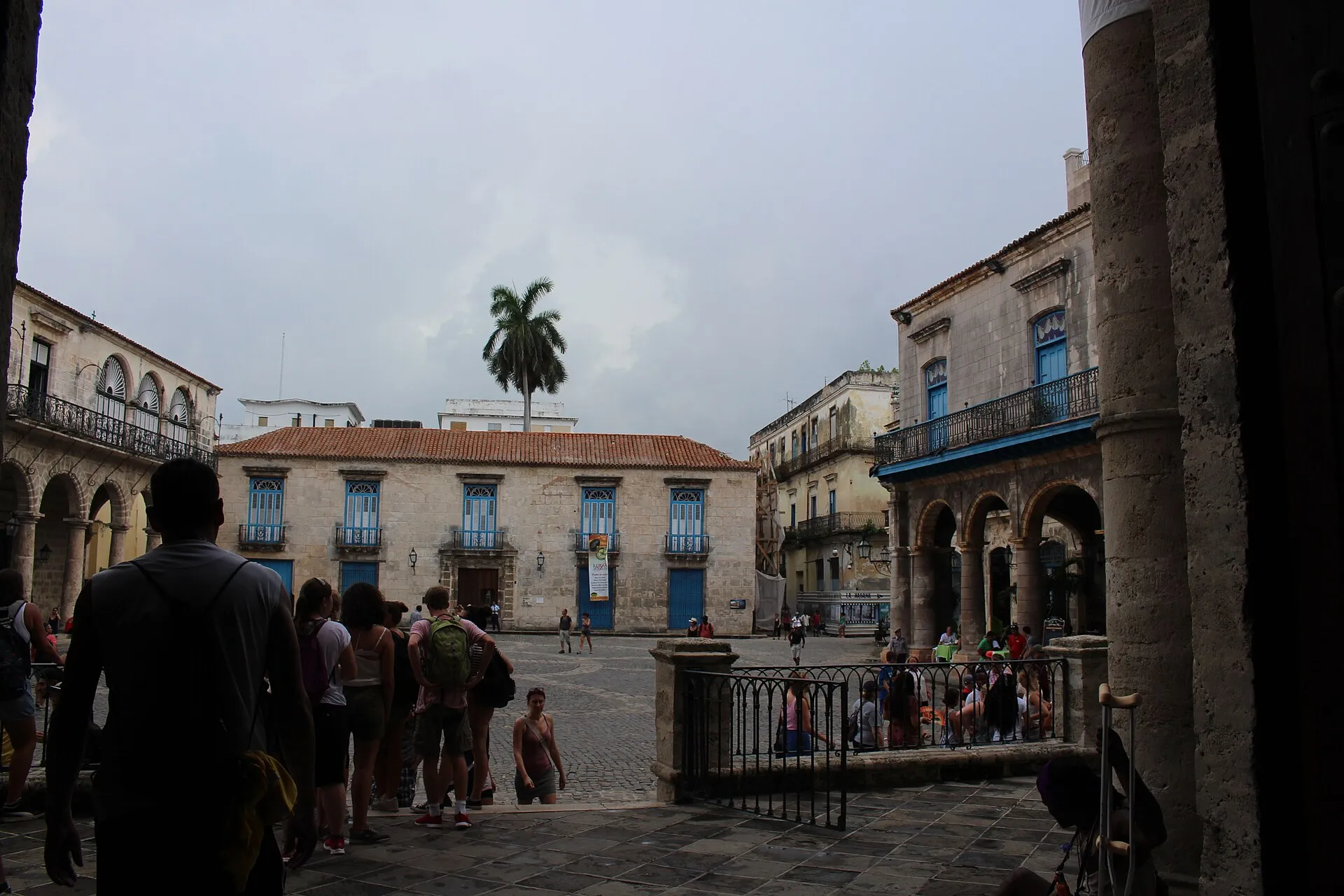
Local Life
Old Havana's history compresses four centuries of Caribbean imperial power into seven square kilometers:
- The slave trade crossroads — Havana was a primary transit point in the Cuban sugar economy, which imported approximately 700,000 enslaved Africans between 1790 and 1867 — the largest forced migration in Caribbean history; the architecture of the sugar merchants' palaces around Plaza Vieja encodes this wealth in marble columns and ornate balconies
- The Hemingway geography — Ernest Hemingway lived in Havana from 1939 to 1960, writing The Old Man and the Sea at the Finca Vigía outside the city; his Habana Vieja haunts — including the bars La Bodeguita and El Floridita — became pilgrimage sites that shaped the global romantic image of pre-revolutionary Havana
- The restoration project — Eusebio Leal Spengler, the City Historian who ran the Habana Vieja restoration program from 1967 until his death in 2020, created a model of using tourism revenue to fund heritage conservation that has been studied by cities worldwide; his project restored roughly one-third of the old city's buildings while housing renovations are funded by the remainder
When to Visit
Open neighborhood: 24 hours. Best morning: 7–9 AM before tour groups arrive; the plaza light and empty streets are extraordinary. Museum hours: Most state museums 9 AM–5 PM Tuesday–Sunday. Book market (Plaza de Armas): Daily approximately 9 AM–5 PM. Evening: The neighborhood comes alive again after 7 PM when restaurants open and musicians take positions in the plazas.
Admission and Costs
Walking the streets and plazas: Free. Museum of the City (Palacio de los Capitanes Generales): $3 USD. Cathedral interior: $1 USD. Guided walking tour: $25–45 per person. Private guide (half-day): $60–100 USD for up to 4 people.
The Case for a Guide
Old Havana's physical complexity rewards a guide who knows its social layers:
- The distinction between restored and inhabited — The restored showcase buildings around the main plazas are beautiful but somewhat sanitized; a guide shows you the adjacent streets where families live in decaying mansions with magnificent bones, revealing the human reality that co-exists with the heritage industry
- The book market's hidden inventory — The secondhand book sellers around Plaza de Armas display Cuban classics and political texts for tourists, but the serious inventory — rare revolutionary-era pamphlets, pre-1959 Cuban literature, handwritten manuscripts — is kept out of sight for buyers who demonstrate genuine knowledge; a guide makes introductions
- The sound map — Old Havana is a city of sonic layers: a guide can position you in doorways where you hear the overlap of a church choir, a son cubano rehearsal, a classroom lesson, and the percussion of a repair shop simultaneously — the acoustic richness of a city where 80,000 people live in heritage buildings is something no museum can replicate
Tips for Visitors
Cash: Bring USD or euros in small denominations; Cubans often cannot make change for large bills. Photography: Always ask before photographing people; military installations (the harbor fort) are prohibited. Heat: Old Havana's narrow streets create a heat trap by midday — schedule the main plazas before 10 AM and retreat to air-conditioned museums from noon to 3 PM. Paladares: The private restaurants hidden in colonial courtyards off the main tourist streets serve far better food at lower prices than the state-run restaurants facing the plazas.
Frequently Asked Questions
When is the best time to visit Old Havana?
November through April is the dry season, with comfortable temperatures around 24–26°C. Morning visits (before 10 AM) are best for the main plazas before tourist groups fill the streets. The International Jazz Festival in December fills Havana's clubs and plazas with musicians from across Cuba and the world. July and August are hottest and most humid but see fewer international tourists — allowing more genuine interaction with locals. Avoid visiting on major Cuban holidays (especially July 26 and January 1) when many state-run museums close.
How much does a guided tour of Old Havana cost?
Licensed guides from Agencia San Cristóbal (the official Habana Vieja tour company) charge $25–45 per person for a 2-hour plaza walking tour. Private half-day guides run $60–100 USD for groups of 2–4. All prices must be negotiated and paid in USD or euros — Cuban pesos are not accepted from foreign visitors. Remember that Cuban ATMs do not accept foreign-issued cards; bring sufficient cash for your entire visit.
Which plaza in Old Havana is the best starting point?
Plaza de Armas is the natural starting point — it was the original center of the colonial city and contains the Museum of the City, the Natural History Museum, and the secondhand book market that operates daily under the ceiba trees. From there, the five plazas are connected in a 2-kilometer circuit — Plaza de la Catedral, Plaza Vieja, Plaza de San Francisco, and Plaza Cristo each tell a different chapter of Havana's colonial, commercial, and religious history.