
Country guide
What makes Cuba a must-visit destination?
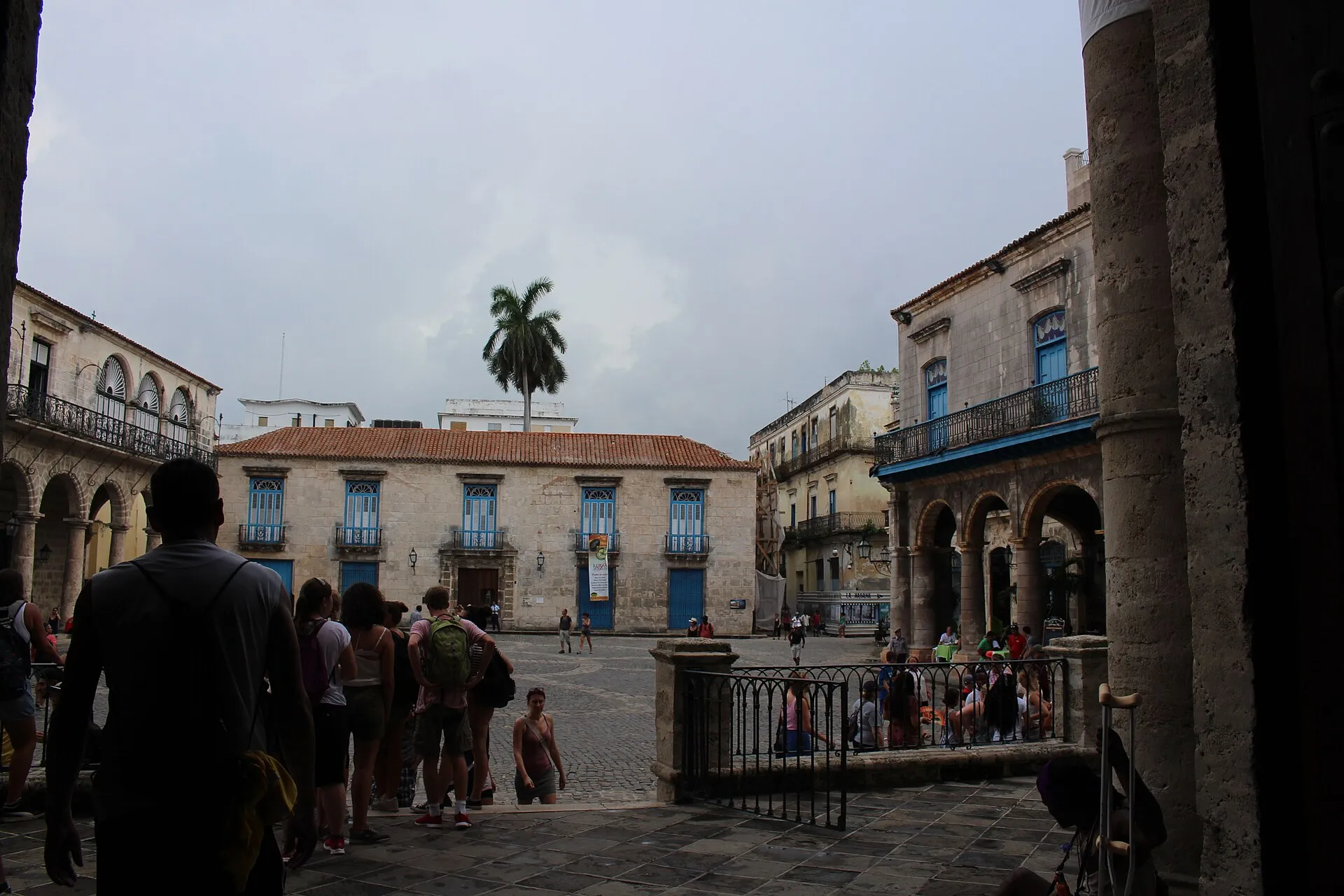
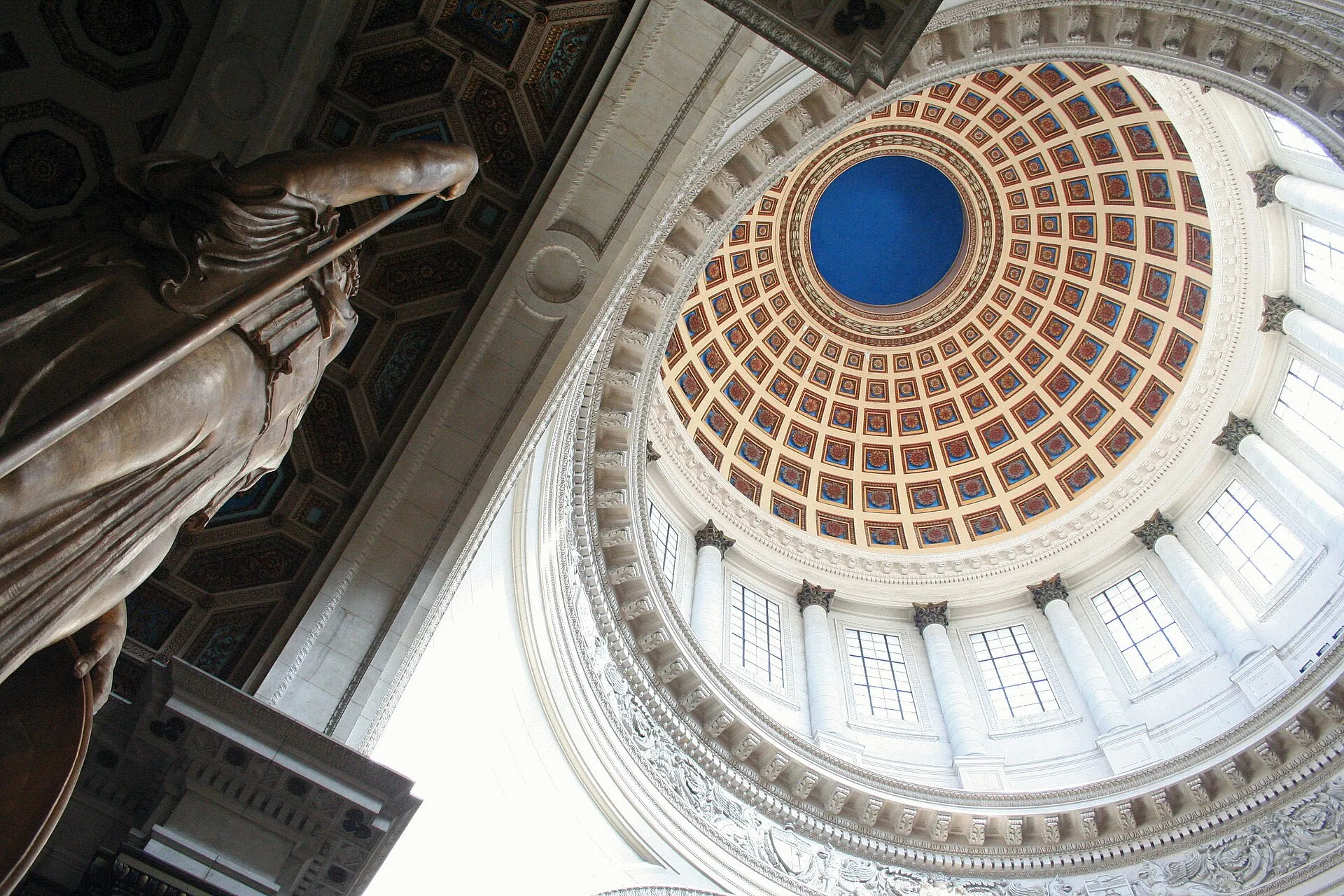
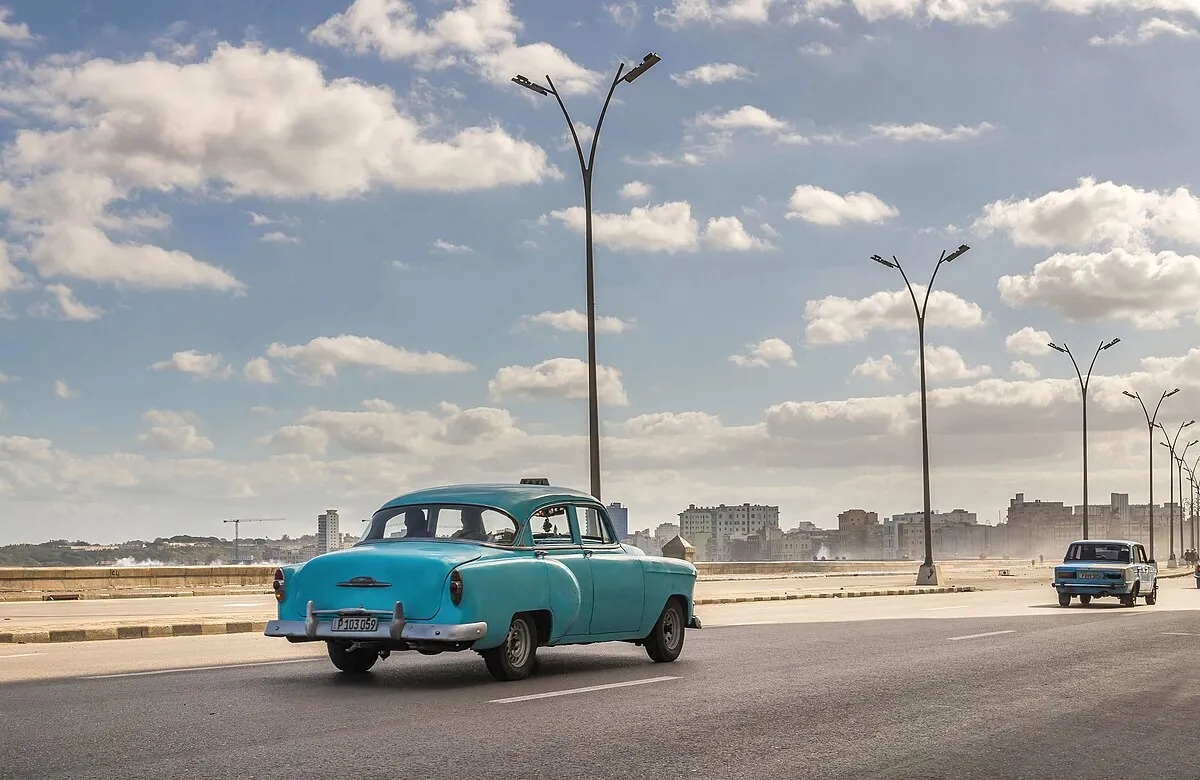
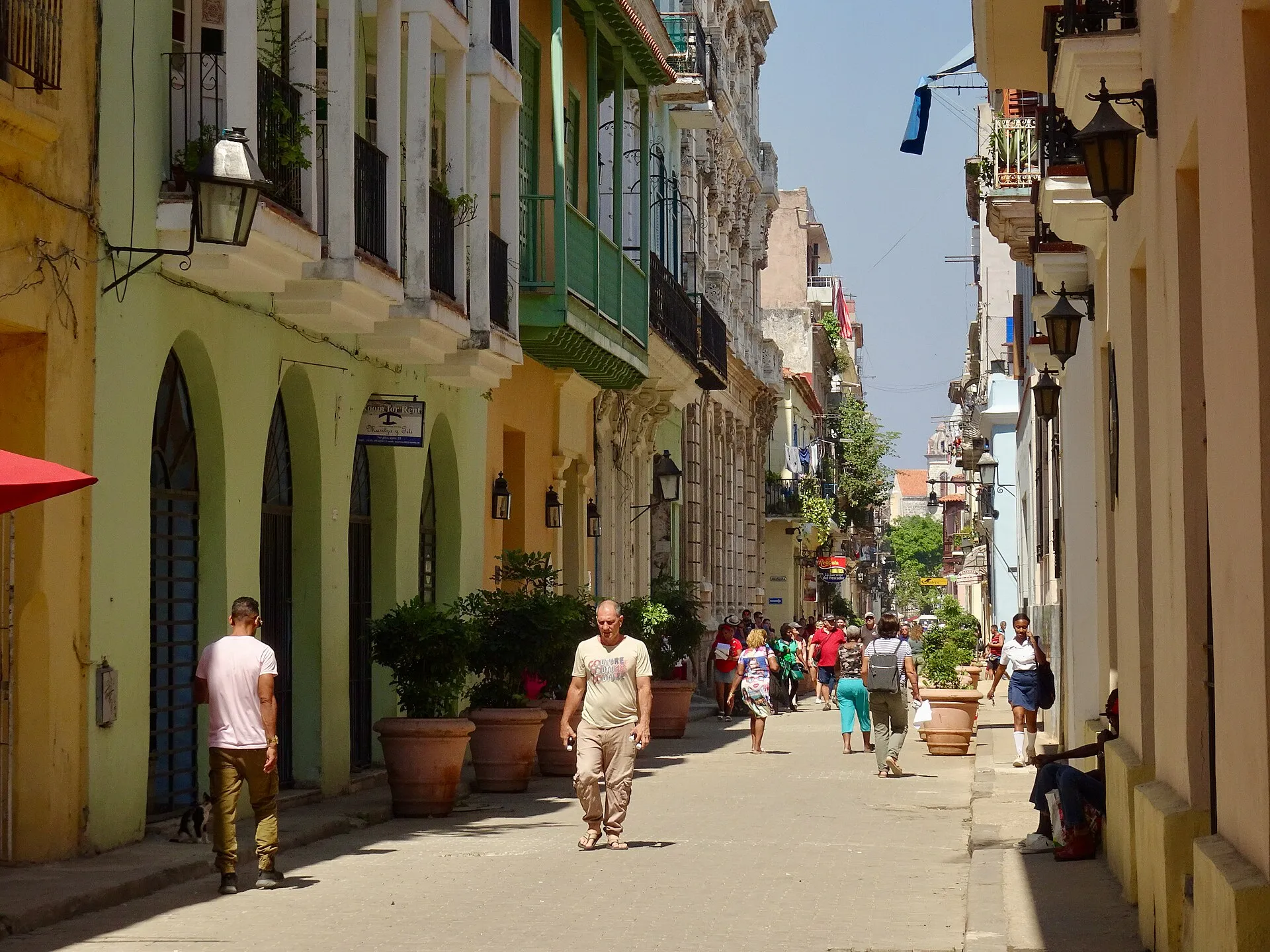
Cuba is unlike anywhere else in the Caribbean — or the world. Havana presents a city frozen in an extraordinary contradiction: crumbling baroque palaces and Soviet-era apartments share streets with 1950s Chevrolets, and revolutionary murals face artisanal cocktail bars. This is not a carefully managed theme park but a living, breathing city of 2.1 million people navigating the gap between ideology and reality. The capital's set pieces — the five colonial plazas of the Old Havana UNESCO district, the neoclassical dome of El Capitolio, and the sea-sprayed Malecón — give the island its signature images.
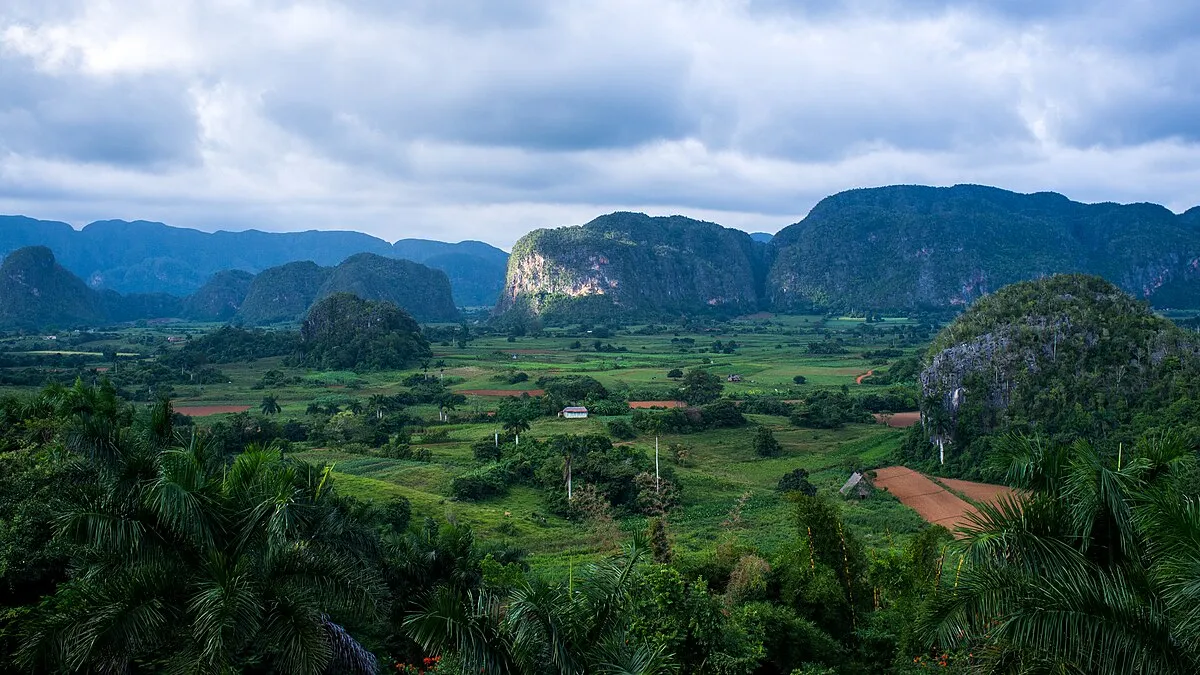
Beyond the capital, Cuba reveals extraordinary diversity. The colonial city of Trinidad is so well-preserved that it was declared a UNESCO site alongside its surrounding Valley of the Sugar Mills. The Viñales Valley in Pinar del Río produces some of the world's finest tobacco in a landscape of limestone mogotes (haystack hills) that looks like a Chinese ink painting. And the reefs off Jardines de la Reina — accessible only by liveaboard — shelter one of the last pristine coral ecosystems in the Caribbean.
Above all, Cuba is a tropical island, and its rhythms are set by the weather. The dry season from November to April brings warm days near 25°C (77°F), steady trade winds, and the clear light that makes the colonial facades glow; the wet season from May to October is hotter and stickier, with brief afternoon downpours and a hurricane risk that peaks in September and October. That climate feeds a coastline ribboned with white sand — from the long, resort-lined sweep of Varadero to the reef-fringed northern cays — and a kitchen of slow-roast pork, black beans, rum, and strong sweet coffee that rewards travellers who linger over a long lunch in a family paladar.
A local guide is more than a convenience in Cuba — it is often the difference between a surface-level tourist experience and genuine contact with one of the world's most fascinating and resilient cultures. Cuban guides navigate the informal economy, speak the language of the street, and can open doors — literal and figurative — that no guidebook can map.
- Language
- Spanish Widely spoken across Cuba
- Currency
- Cuban peso (CUP) Legal tender across Cuba
- Time zone
- UTC−5 Local time in Cuba
- Power plugs
- Types A, B, C · 110/220V Sockets used across Cuba
- Getting around
- Víazul buses & classic-car taxis Getting between Cuba's cities
- Best months
- Jan, Feb, Mar, Apr, May, Nov, Dec Averaged across Cuba's city ratings
Cuba timeline
-
Columbus sights Cuba
On his first voyage Columbus reached Cuba's northeast coast, opening the island to Spanish conquest and colonisation.
-
Havana founded
The harbour city became the colonial hinge between the Caribbean and Spanish Atlantic fleets.
-
Independence war begins
The Ten Years War started Cuba's long struggle against Spanish rule.
-
Spanish rule ends
The Spanish-American War ended colonial rule and began a new political chapter.
-
Republic inaugurated
The republic gave Havana and provincial civic spaces a new postcolonial frame.
-
Revolution triumphs
The revolution reshaped public life, monuments, and the visitor narrative across Cuba.
-
Literacy campaign
Volunteer brigades carried reading and writing to the countryside, cutting illiteracy to under four percent in a single year.
-
Diplomatic thaw
Renewed US-Cuba ties briefly widened travel interest and conversation around contemporary Cuba.
-
Fidel Castro dies
The revolution's founding leader died in November, closing a defining chapter of modern Cuban history.
Cuba in Pictures
Local context
Culture and travel signals
9 UNESCO World Heritage Sites
Cuba's designations span the colonial plazas of Old Havana, the colonial city of Trinidad, the Viñales Valley tobacco landscape, the first coffee plantations in southeastern Cuba, and Alejandro de Humboldt National Park — one of the Caribbean's most biodiverse protected areas
Over 50,000 pre-1960 American cars still registered in Cuba
The US embargo that began in 1962 froze Cuba's vehicle fleet in time; Cubans maintained these machines with extraordinary ingenuity, replacing engines with Soviet diesel motors and fabricating spare parts by hand, creating a living museum of mid-century American automotive culture
Havana's Old City contains 900+ heritage-listed buildings
The Oficina del Historiador de la Ciudad has catalogued and partially restored over 900 colonial and neoclassical structures in Havana Vieja since 1994, using tourism revenue to fund one of Latin America's most ambitious urban heritage programs
Cuba has 98% adult literacy rate
The 1961 National Literacy Campaign trained 100,000 volunteer teachers and reduced illiteracy from 23.6% to 3.9% in a single year, a feat recognized by UNESCO and still cited as one of the most effective literacy programs in history
Viñales Valley is a UNESCO cultural landscape still farmed by hand
Inscribed in 1999, the valley in Pinar del Río is a living agricultural landscape where growers still raise tobacco with ox-drawn ploughs and cure the leaves in thatched vegas beneath the rounded limestone mogotes that give the region its unmistakable silhouette
Source: tour-guide.com — Free to cite with attribution
Season planner
A year in Cuba
Use this best time to visit snapshot as a country-wide average, then check the city guides for local timing.
Mar-May
Spring
Spring holds up well for guided travel in Cuba, averaging Mar-May (4.3/5).
Jun-Aug
Summer
Summer stays workable in Cuba at Jun-Aug (3/5), so lean on city-by-city timing.
Sep-Nov
Autumn
Autumn is Cuba's quietest stretch at Sep-Nov (2.7/5) — plan narrower, local days.
Dec-Feb
Winter
Winter is Cuba's strongest guide window — Dec-Feb (5/5) across its cities.
Where should you go in Cuba?
Havana
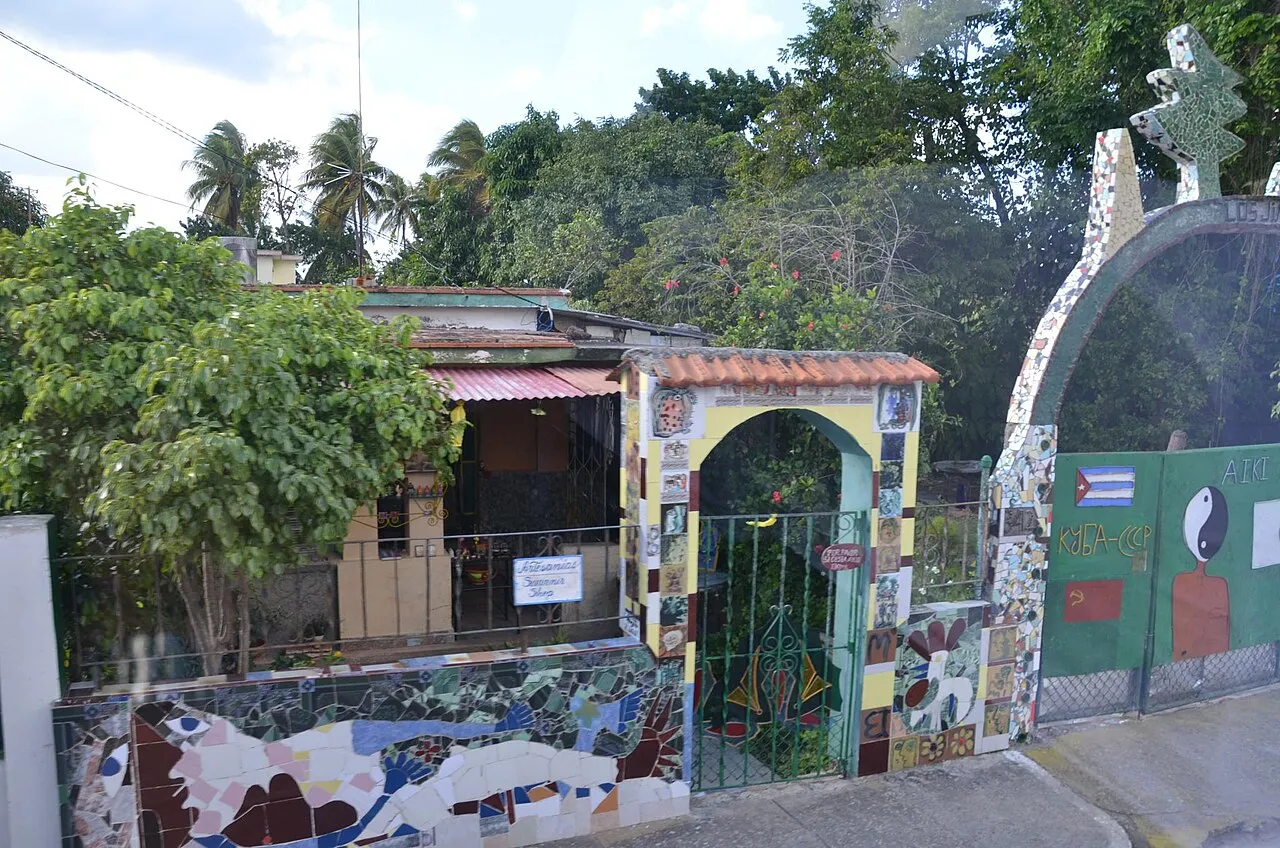
Havana is Cuba's centerpiece — a city of five distinct municipalities strung along the Florida Strait. Old Havana holds the colonial plazas, the Museum of the Revolution, and the narrow streets where the city was founded in 1519. The adjacent Centro Habana is rawer and more residential. El Malecón — the eight-kilometre ocean promenade — is where the city's social life washes up at dusk, El Capitolio anchors the architectural drama of the interior, and the mosaic barrio of Fusterlandia shows what one artist can do with three decades and a neighbourhood's worth of broken tile.
The Colonial Heartland
In the island's centre, a trio of Spanish colonial towns reward slow travel. Trinidad, 330 kilometres east of Havana — a four-hour taxi ride — grew rich on 19th-century sugar, and its cobbled grid and pastel mansions are so complete that virtually the entire centre is a UNESCO monument. Nearby Cienfuegos carries an unusual French-flavoured neoclassicism around its grand bayfront square, while Camagüey is a maze of crooked streets and tinajones (giant clay water jars) laid out, legend says, to confuse pirates.
Viñales and the West
Viñales is three hours west, reachable by tourist bus, where tobacco farmers still cure leaves in traditional vegas (tobacco houses) beneath limestone cliffs. The valley is a UNESCO cultural landscape, and a half-day on horseback among the mogotes — stopping at a working finca to watch a cigar rolled by hand — is one of Cuba's great gentle adventures.
Beaches and the Cays
For sheer leisure, Cuba's north coast delivers. Varadero, two hours east of Havana on the Hicacos Peninsula, is the country's resort capital — a long spit of powder-white sand lined with all-inclusive hotels. Further east, the causeway-linked cays of Cayo Coco, Cayo Guillermo, and Cayo Santa María offer calmer, reef-sheltered water, while the Playas del Este put a swimmable beach within a half-hour drive of Havana.
The Afro-Caribbean East
Santiago de Cuba, at the island's far eastern end, is the cradle of son music, the site of the Moncada Barracks attack, and Cuba's most Afro-Caribbean city — hotter, hillier, and more Caribbean in feel than the west. Remote Baracoa, Cuba's oldest settlement, hides beyond the mountains with its cacao farms and coconut-rich cooking.
Must-see attractions across Cuba
Every region of Cuba has a signature stop. Start with these, then let a guide reveal the stories the plaques leave out.
What do visitors need to know about Cuba?
Finding a Guide
- Agencia San Cristóbal is the official Havana Vieja tour operator run by the Oficina del Historiador; their guides are thoroughly trained in colonial history and architecture
- Havanatur, Cubatur, and Gaviota are state-run agencies that can arrange licensed guides for all regions; book through them or your hotel
- Casas particulares (licensed private homestays) are often the best source of trustworthy informal guide recommendations from knowledgeable hosts
- Self-organized tours with private car drivers (almendrones) are common — always agree on price before departure and confirm in USD or CUC
Typical Costs
| Tour Type | Price Range |
|---|---|
| Group Old Havana walking tour | $20–40 USD per person |
| Private half-day guide | $60–120 USD |
| Private full-day guide | $120–200 USD |
| Vintage car city tour (2–3 hrs) | $30–60 USD per car |
| Trinidad day trip from Havana | $80–150 USD per person |
Weather and When to Go
Cuba has two seasons, and the difference matters for planning:
- Dry season (November–April) — warm, bright days around 25°C (77°F), cool evenings, and little rain. This is the ideal window for walking Old Havana, horseback riding in Viñales, and lying on the sand at Varadero. December to February is the busy, more expensive peak
- Wet season (May–October) — hot and humid, with short, heavy afternoon showers that usually clear by evening. Prices drop and crowds thin, but the hurricane season runs June to November and peaks in September and October; watch the forecast and keep itineraries flexible
- Regional note — the east (Santiago, Baracoa) is consistently hotter and wetter than the northwest, while Havana's position on Cuba's northern tip gives it more advance warning of approaching storms
Where to Stay
- Casas particulares — licensed rooms in family homes, the backbone of independent travel; expect a private room, a big breakfast, and the best unfiltered local advice you will get anywhere
- Boutique colonial hotels — restored 18th- and 19th-century mansions in Havana and Trinidad, often arranged around leafy courtyards
- All-inclusive resorts — concentrated on the Varadero peninsula and the northern cays (Cayo Coco, Cayo Guillermo, Cayo Santa María) for travellers who want beach, buffet, and pool in one place
- Fincas and farm-stays — simple rural lodgings in the tobacco country around Viñales, within walking distance of working vegas and the mogotes
What to Eat
- Comida criolla staples — ropa vieja (braised shredded beef), lechón asado (citrus-roast pork), and moros y cristianos or congrí (black beans and rice), with tostones and yuca con mojo on the side
- Paladares over state restaurants — privately run paladares, many in family homes, are reliably the best (and most interesting) places to eat
- Seafood — fresh lobster (langosta) and prawns are abundant and inexpensive along the coast
- Drinks — the mojito, daiquirí, and Cuba libre were all perfected here; pair meals with Havana Club rum, a cold Cristal or Bucanero beer, or a tiny, syrup-sweet café cubano
Must-See Experiences
- Old Havana UNESCO District — Five plazas linked by cobblestone streets, each telling a different chapter of colonial history
- El Capitolio — The grand neoclassical capitol building, its dome modeled on Washington's and its interior recently restored to 1929 splendor
- The Malecón — Havana's irreplaceable ocean promenade, where all of city life converges at sunset
- Fusterlandia — José Fuster's neighborhood transformed into a kaleidoscopic mosaic installation over 30 years
- Trinidad Historic Center — The best-preserved colonial sugar town in the Americas
- Viñales Valley — UNESCO Cultural Landscape of tobacco farming under limestone hills
Tips for Visitors
- Cash only — US credit and debit cards are rejected everywhere; bring USD, euros, or Canadian dollars and exchange at official cadecas (exchange houses) or banks
- WiFi is limited — Connectivity requires ETECSA hotspot cards ($1–2 per hour); download offline maps before arrival
- Photography — Always ask permission before photographing people; military installations are off-limits
- Informal economy — Paladares (private restaurants) and casas particulares offer excellent food and accommodation and directly support Cuban families
- Transportation — Viazul tourist buses connect major cities reliably; shared taxis (colectivos) are faster but require negotiation
- Gifts — Cubans appreciate practical items like aspirin, school supplies, and toiletries; a small gift to a casa host is customary
Frequently Asked Questions
What is the best time of year to visit Cuba?
November through April is the dry season and the most comfortable time to visit, with temperatures around 25°C (77°F), low humidity, and very little rain. December through February is peak tourist season, especially in Havana and Varadero. May through October brings heat, humidity, and the hurricane season (June–November), with September and October carrying the highest risk. However, summer sees fewer foreign tourists, which means more authentic local encounters and lower prices.
How much does a tour guide cost in Cuba?
Cuba's dual-currency legacy and cash economy make guide costs distinctive. Licensed local guides (guías de turismo) charge roughly $30–60 USD per person for a half-day walking tour of Old Havana. Private full-day guides run $80–150 USD. Many guides accept payment in USD; always confirm the currency in advance. Unofficial guides (jineteros) offer lower prices but lack licensing and reliable knowledge — stick with guides from licensed operators or your hotel concierge.
Can US citizens visit Cuba?
US citizens can travel to Cuba legally under specific license categories authorized by the US Treasury Department, including "Support for the Cuban People" and "Educational Activities." Direct flights operate from Miami, New York, and other US cities. US credit and debit cards do not work in Cuba — bring sufficient USD cash for your entire trip, plus a reserve for emergencies.
What food should I try in Cuba?
Cuban home cooking (comida criolla) is hearty, slow-cooked, and built on a handful of staples. Order ropa vieja (shredded beef braised in a tomato-and-pepper sofrito), lechón asado (citrus-marinated roast pork), and moros y cristianos or congrí (black beans cooked into the rice), almost always plated with tostones (twice-fried green plantain) and yuca con mojo. The best meals come from paladares — privately run restaurants, often inside family homes — which consistently outclass the state-run eateries. Wash it down with a mojito or daiquirí, a measure of Havana Club rum, a cold Cristal or Bucanero beer, or a thimble of sweet, intense café cubano. Fresh lobster and prawns are widely available along the coast and across Havana.
Where should I stay in Cuba — a casa particular, hotel, or resort?
It depends on the trip. Casas particulares — licensed rooms in private homes — are the heart of independent travel: inexpensive, personal, and the single best source of honest local advice, home-cooked breakfasts, and trustworthy guide and driver recommendations. In Havana and Trinidad you will also find boutique hotels inside restored colonial mansions, while Vedado's landmark Hotel Nacional trades on mid-century glamour. For pure beach leisure, the all-inclusive resorts of Varadero and the northern cays — Cayo Coco, Cayo Guillermo, and Cayo Santa María — line some of the Caribbean's finest white-sand beaches. In the Viñales tobacco country, simple fincas and farm-stays put you among the mogotes. Reserve casas and the better paladares well ahead in the December–February peak.