
Havana timeline
-
Havana founded on its harbour
The settlement moved to the sheltered western shore of one of the Americas' finest natural harbours, the site of today's city.
-
Colonial capital of Cuba
Havana was formally named capital of the Spanish colony, its wealth built on the annual treasure fleets that assembled in the bay.
-
British occupation
A British force seized Havana and held it for eleven months before trading it back to Spain in exchange for Florida.
-
Harbour completed
After the British captured Havana in 1762 by storming the heights above the harbour, Spain built the Fortaleza de San Carlos de la Cabaña between 1763 and 1774 along.
-
City walls demolished
The colonial ramparts came down, freeing Havana to expand westward into Centro Habana and, later, Vedado.
-
El Capitolio completed
The neoclassical capitol crowned the sugar-boom skyline, its dome deliberately raised above Washington's.
-
Revolution enters the city
Fidel Castro's rebels reached Havana on 8 January, reshaping the capital's monuments, institutions, and daily life.
-
Museum begins
When the US embargo began in 1962 and new car imports became impossible, Cubans adapted with extraordinary ingenuity
-
Old Havana inscribed by UNESCO
Old Havana and its fortification system joined the World Heritage List, anchoring the City Historian's restoration program.
-
Diplomatic thaw
The US and Cuba restored relations and reopened embassies in Havana, briefly widening travel and conversation about the city.
Cited city facts
Key facts for visiting Havana
Old Havana contains more than 900 heritage-listed colonial buildings
The Oficina del Historiador de la Ciudad (City Historian's Office) has catalogued and partially restored over 900 structures in Habana Vieja since 1994, using tourism revenue to fund one of Latin America's most ambitious ongoing urban restoration programs — about a third of the buildings remain in active disrepair, lending the city its distinctive lived-in patina
Over 50,000 pre-1960 American cars are still registered and driving in Cuba
When the US embargo began in 1962 and new car imports became impossible, Cubans adapted with extraordinary ingenuity — replacing original American V8 engines with Soviet diesel motors, fabricating spare parts by hand, and passing cars down through generations, creating a mobile vintage car museum found nowhere else on earth
Havana was founded in 1519 and became the wealthiest city in the Americas by the 17th century
As the mandatory staging point for Spanish treasure fleets carrying Andean gold and silver to Seville, Havana accumulated extraordinary wealth — the fortifications of El Morro and La Cabaña (the largest fortress in the Americas) were built to protect this treasure hub, making the city both the most defended and most coveted port in the New World
La Cabaña is the largest Spanish colonial fortress in the Americas
After the British captured Havana in 1762 by storming the heights above the harbour, Spain built the Fortaleza de San Carlos de la Cabaña between 1763 and 1774 along the ridge the invaders had exploited — a ten-hectare complex that, with El Morro opposite, made Havana the most heavily defended port in the New World and still fires a nightly cannon (the cañonazo) that once signalled the closing of the city gates
The Malecón stretches 8 km — the longest seafront promenade in Latin America
Built between 1901 and 1952 along the northern coast of Havana, the Malecón wall absorbs Atlantic storm surge that regularly swamps the road during cold fronts, but serves as Havana's most democratic public space — couples, fishermen, musicians, teenagers, and philosophers all share the same sea-battered stone from dusk to dawn
Source: tour-guide.com — Free to cite with attribution
Things to see
What are the top attractions in Havana?
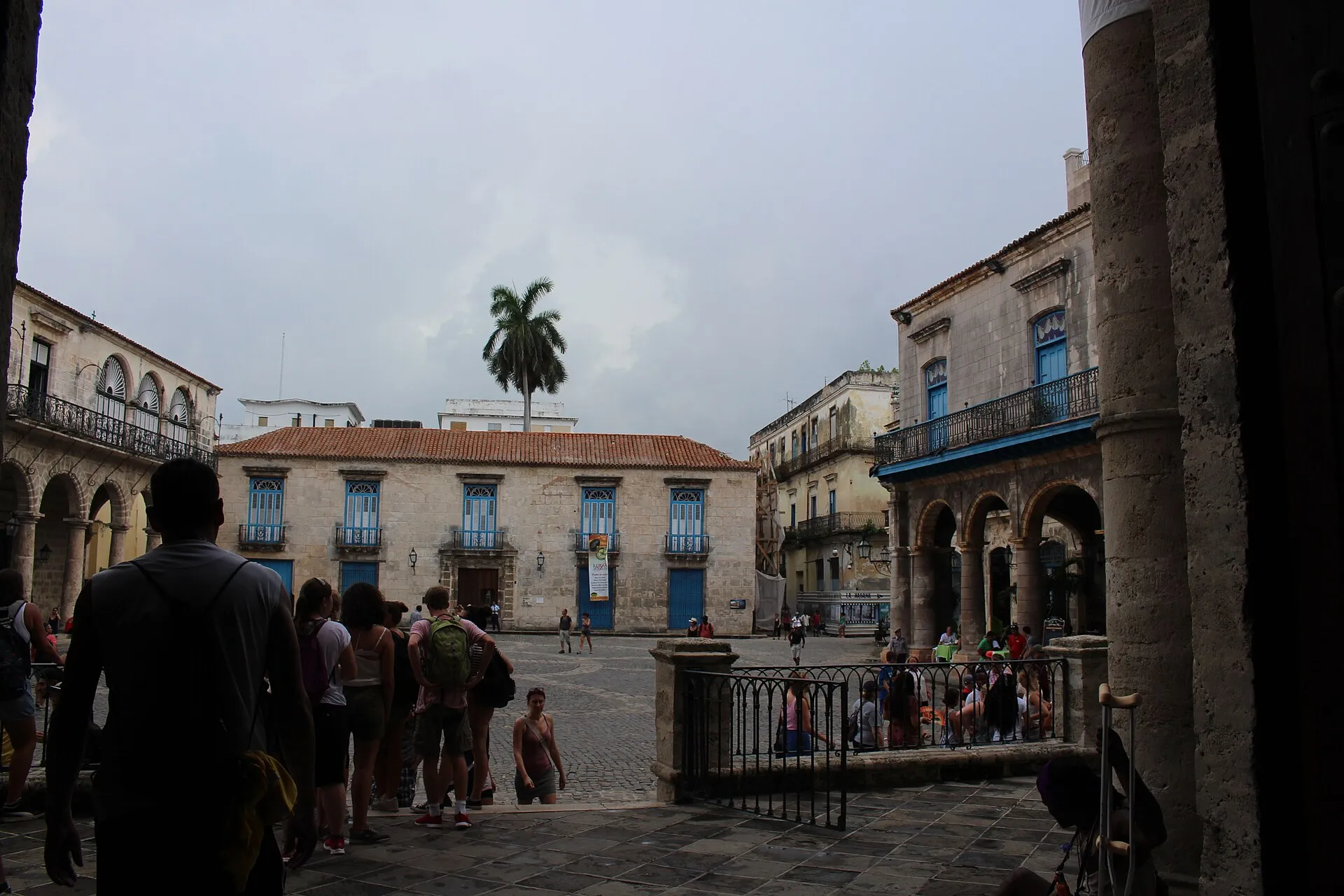
- Old Havana UNESCO District — Five colonial plazas linked by cobblestone streets, the best-preserved ensemble of Spanish colonial architecture in the Americas
- El Capitolio — The magnificent neoclassical capitol building, restored to its 1929 grandeur and reopened to the public in 2018
- The Malecón — Eight kilometers of ocean promenade where Havana's social life takes place at dusk every day of the year
- Fusterlandia — José Fuster's neighborhood-scale mosaic installation, a Gaudí-meets-Picasso explosion of color in the Jaimanitas district
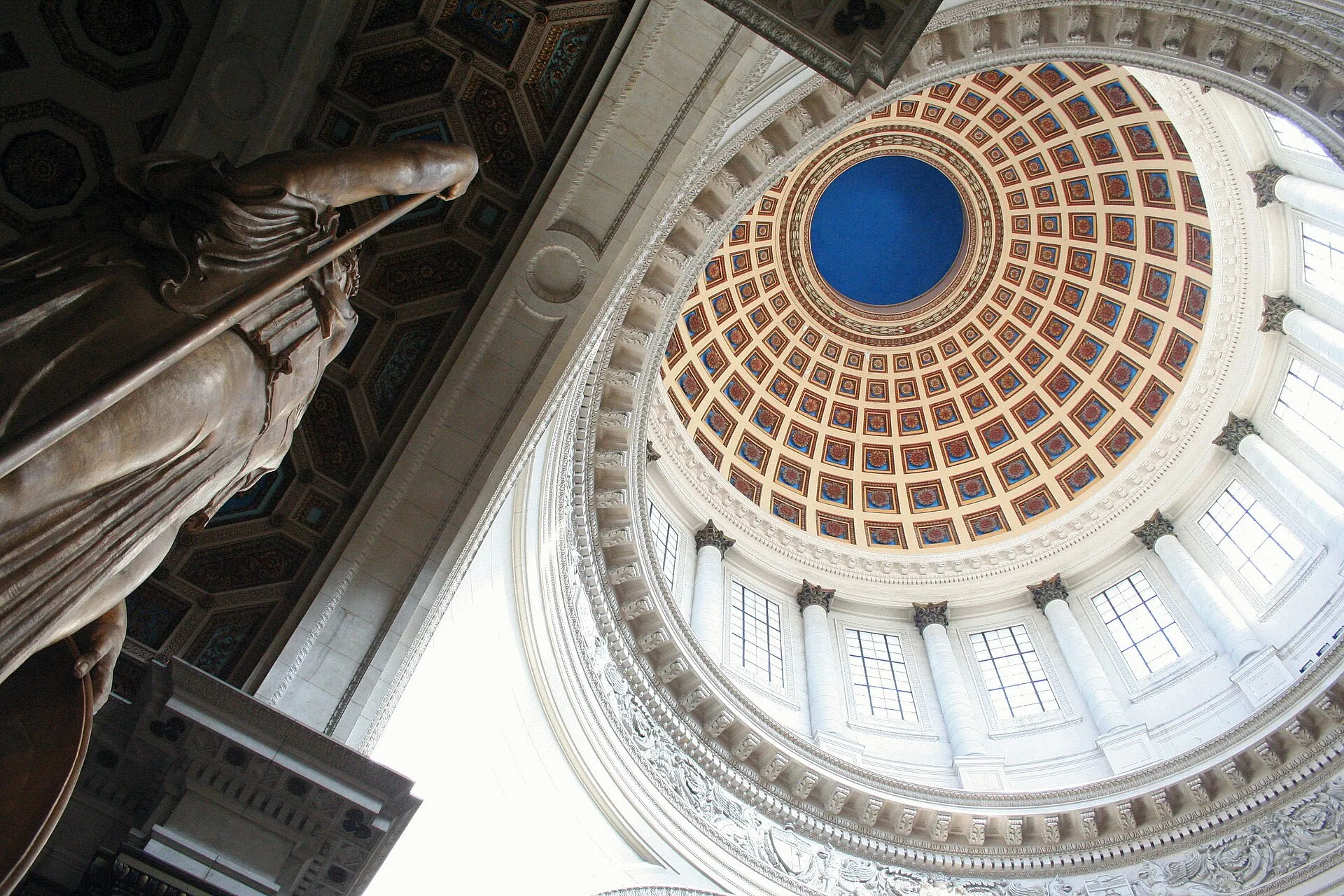
El Capitolio
Havana's neoclassical crown — built to outshine Washington's Capitol, now restored to 1929 splendor
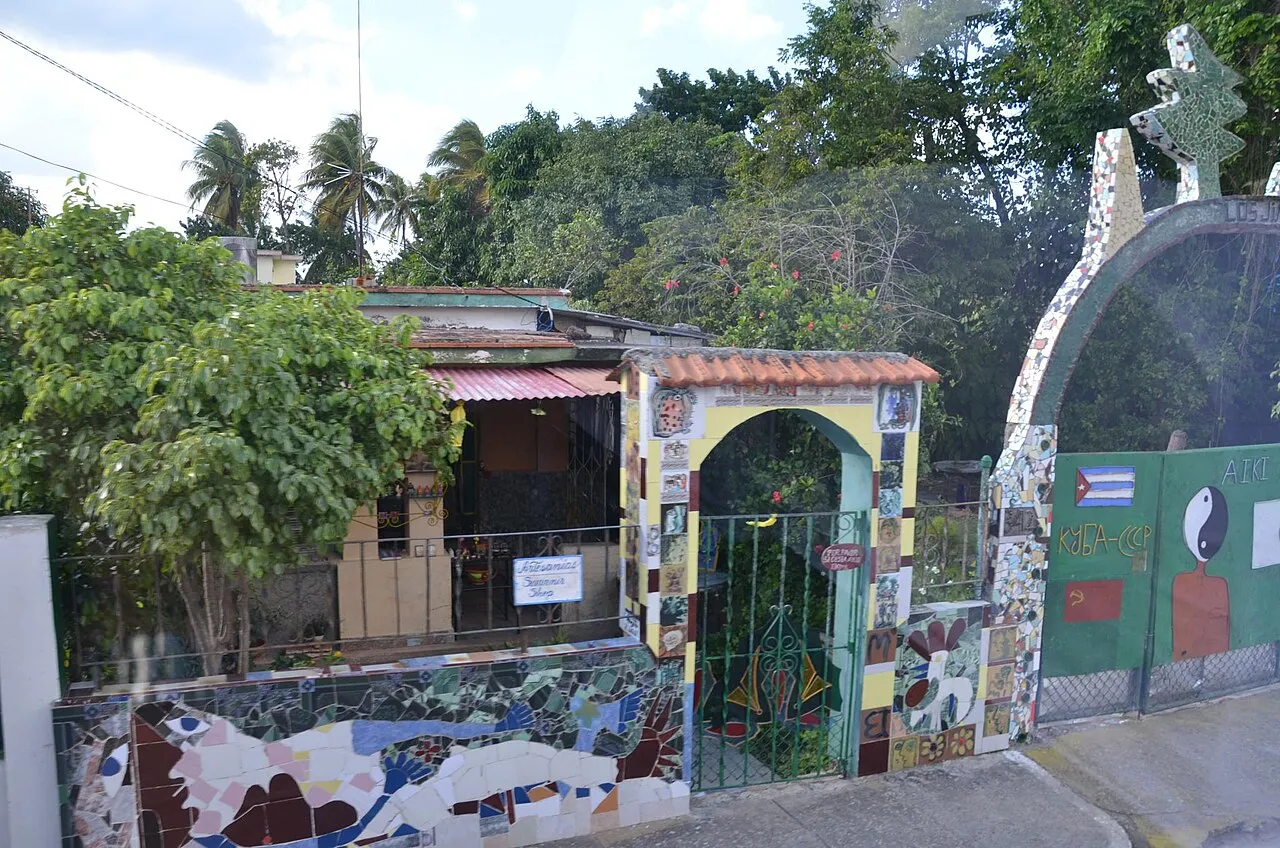
Fusterlandia
One artist's 30-year gift to his neighborhood — Havana's most vivid, most joyful surprise
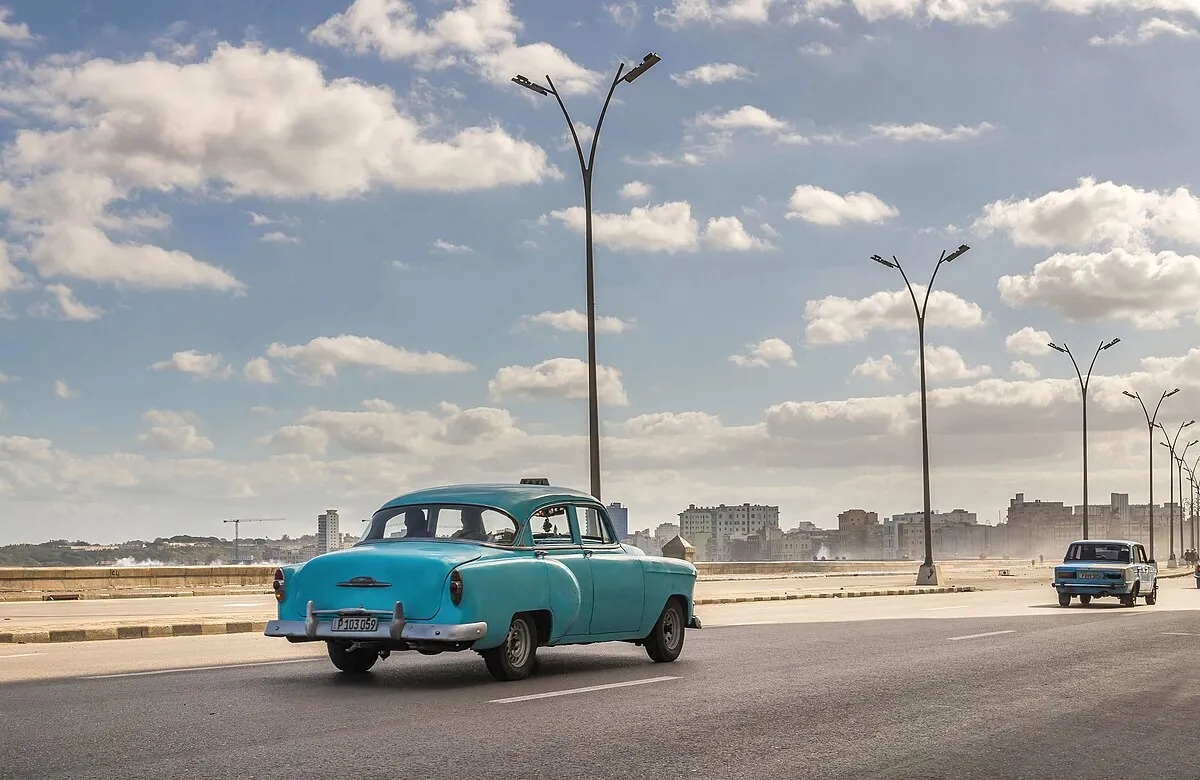
Malecón Waterfront
Havana's great democratic sea wall — where the whole city comes to watch the Florida Strait
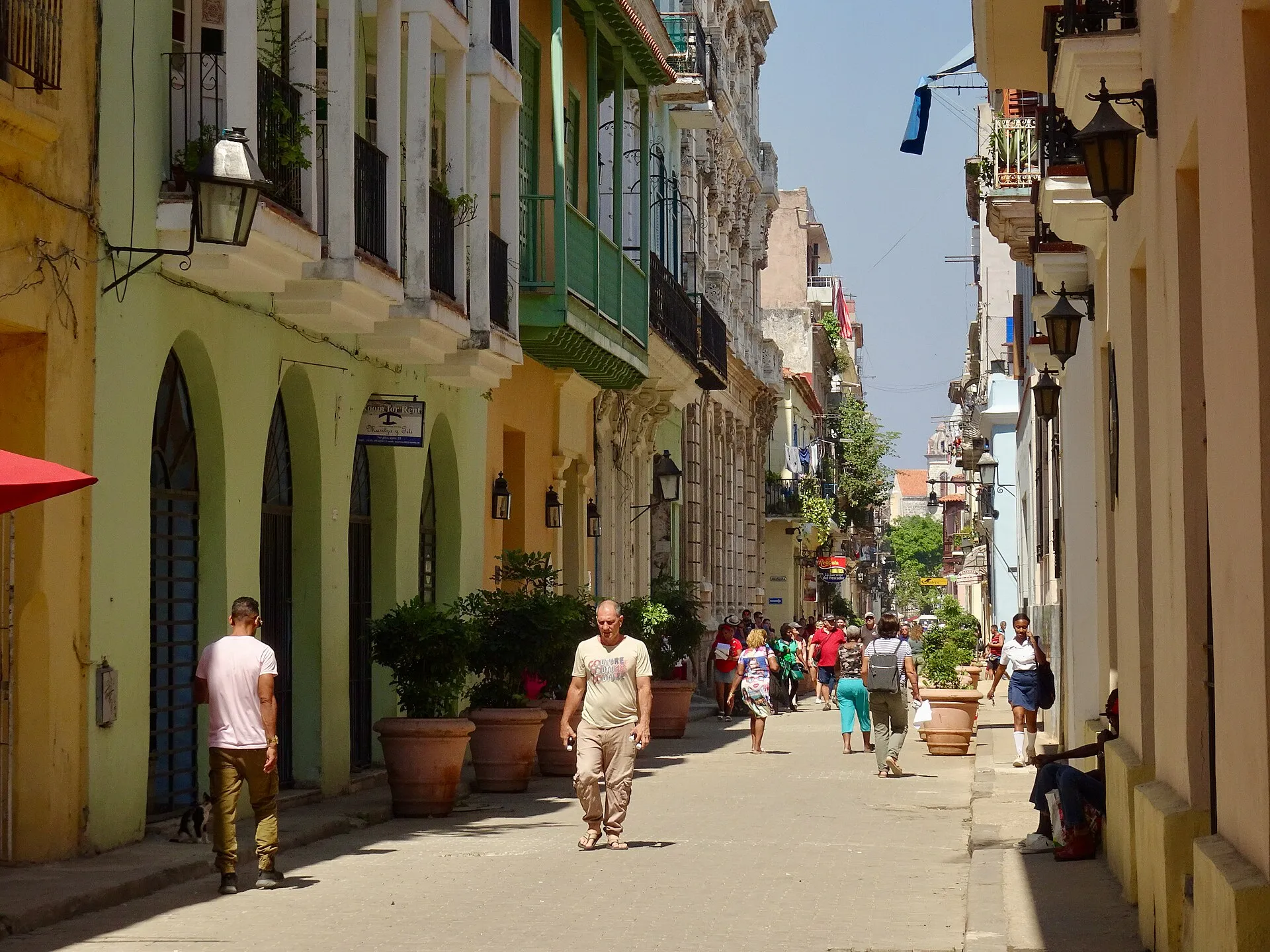
Old Havana UNESCO District
Five colonial plazas, 900 heritage buildings, and the city that inspired Hemingway
Guide planning
How much does a tour guide cost in Havana?
| Tour Type | Price | Details |
|---|---|---|
| Group Old Havana walking tour | $20–40 USD | Per person, 2 hours |
| Private half-day guide | $60–120 USD | Up to 4 people |
| Vintage convertible city tour | $60–100 USD | Per vehicle, 2–3 hours |
| Full-day private guide | $150–250 USD | Includes Old Havana, Vedado, Revolution Plaza |
Season planner
When is the best time to visit Havana?
December through February is Havana at its most comfortable — temperatures around 24°C (75°F), low humidity, and the calendar's richest run of events. This is peak season, so reserve casas particulares and the better paladares well ahead. March and April warm up gradually and bring Semana Santa processions through the plazas of Old Havana. The Caribbean heat of July and August is intense but rarely unbearable, and thinner crowds mean easier conversation with locals and more room in the museums. Hurricane season peaks in September and October — storms occasionally skirt the north coast and flood the Malecón, though Havana's position on Cuba's northwest tip gives it more warning than the eastern end of the island.
Time a visit around one of the capital's signature gatherings:
- Havana International Jazz Festival (December–January) — Cuban and international musicians fill the city's theatres and clubs for one of Latin America's leading jazz events
- Havana Biennial (roughly every two years) — contemporary art spills out of the galleries and across the Malecón and Old Havana
- Semana Santa (March or April) — Holy Week processions move through the colonial plazas
- New Year's Eve (December 31) — the eve of the 1959 Revolution's triumph is celebrated with particular intensity, and the Malecón fills with people all night
Spring
Mar-May
Summer
Jun-Aug
Autumn
Sep-Nov
Winter
Dec-Feb
Each score averages that season’s monthly ratings out of 5. The top-rated window is usually the peak season too, so read the guidance above for its trade-offs before you book.
On the ground
How do you get around Havana?
- Walking — Old Havana and Centro Habana are best explored on foot; the heat demands early starts and a midday break in the shade or a museum
- Classic-car taxis — The iconic experience; a 1950s convertible along the Malecón runs $20–40 USD for 30–60 minutes. Agree the fare before boarding
- Coco-taxis — Yellow motorized rickshaws for short hops, $2–5 per ride; always negotiate first
- Almendrones — Shared taxis running fixed routes for a few Cuban pesos; the authentic way locals move between neighborhoods, though the routes take practice to read
- HabanaBusTour — A state-run hop-on hop-off double-decker links Old Havana, Vedado, and the Plaza de la Revolución for a flat daily fare — the simplest way to reach the outer sights without haggling
- Bicycle — Flat, wide Vedado is ideal for cycling, and several casas and shops rent bikes by the day
- From the airport — José Martí International (HAV) is about 15 km south of the center; there is no train or reliable public bus, so arrange a taxi (roughly $25–30 USD) in advance
- Tip — Uber does not operate in Cuba. Bring a physical city map and download an offline one; ETECSA SIM cards are sold at their offices with your passport but give only a few hours of data per day
Frequently Asked Questions
What is the best time to visit Havana?
November through April is the most comfortable window — temperatures hover around 25°C (77°F), humidity drops, and rainfall is infrequent. December through February is peak tourist season, when hotel prices rise and the most popular casas particulares fill weeks in advance. The International Jazz Festival draws global musicians to Havana's clubs and theaters around the turn of the year. May through October brings heat and humidity, but also fewer tourists — July and August see a surge of Cuban-Americans visiting family, while September and October carry hurricane risk.
How much does a tour guide cost in Havana?
Havana's cash economy runs on US dollars or euros — Cuban credit cards are not accepted by foreign-issued cards. Licensed guides from Agencia San Cristóbal charge roughly $30–50 per person for a 2-hour walking tour of Havana Vieja's plazas. Private half-day guides cost $60–120. A vintage convertible tour with driver-guide for 2–3 hours runs $60–100 per vehicle. Always carry USD in small denominations; €50 and €100 notes are frequently declined at exchange houses due to counterfeiting concerns.
How do you get around Havana?
Old Havana (Habana Vieja) and Centro Habana are walkable. For the Vedado neighborhood and the Revolution Plaza, take a coco-taxi (yellow motorized rickshaw, $2–5), a classic American car taxi (negotiate fare before entering, expect $5–15 across the city), or an almendron (shared taxi running fixed routes for a few pesos). Uber does not operate in Cuba. Bicycles are an excellent option for Vedado, where the streets are wider and the terrain flat.
Do I need cash in Havana, and do US bank cards work?
Bring enough cash for your entire stay. Cards issued by US banks do not work anywhere in Cuba, and even non-US cards are unreliable — ATMs that accept foreign cards are scarce and often empty. Carry US dollars or euros in small denominations and change money at official cadecas (exchange houses) or through your casa; €50 and €100 notes are frequently refused over counterfeiting concerns. Budget a cash reserve for emergencies, because there is no easy way to top up once you arrive.
Is Havana safe for tourists?
Havana is among the safest capitals in the Americas for visitors — violent crime against tourists is rare and the streets stay busy well into the evening. The realistic risks are petty theft (keep phones and cameras discreet), aggressive jineteros touting unlicensed tours or restaurants, and being short-changed on taxi fares agreed too loosely. Stick to licensed guides, agree every fare before boarding, and the city is very manageable on foot.