
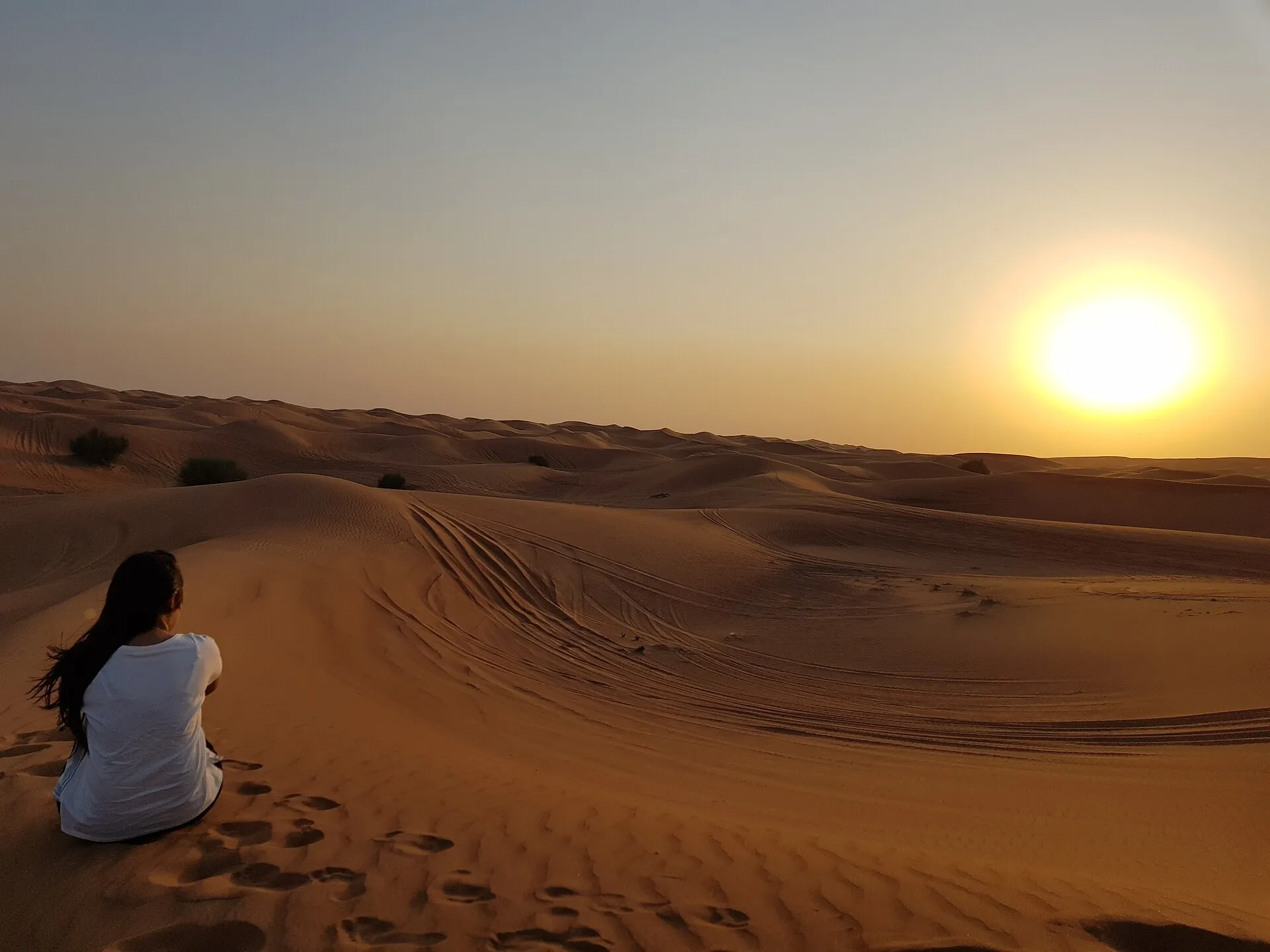
Observation Spots
Wildlife
The Dubai Desert Conservation Reserve is home to reintroduced Arabian oryx, once extinct in the wild, alongside sand gazelles and Gordon's wildcats. Desert foxes, hedgehogs, and monitor lizards inhabit the dune ecosystem, most active at dawn and dusk.
Birdlife includes migratory species passing through in winter months, with raptors and houbara bustards occasionally spotted. The reserve's protected status has allowed native ghaf trees and desert grasses to regenerate, stabilising dune systems. Morning safaris offer the best wildlife viewing, as animals retreat to shade once temperatures climb. Guides can point out animal tracks, burrows, and feeding signs that most visitors would miss in the vast landscape.
Trails
Dune bashing is the signature activity -- a thrilling 20-30 minute 4x4 ride over steep red sand dunes, with skilled drivers performing controlled slides and climbs. Camel rides follow traditional routes around the camp area, offering a slower-paced perspective on the landscape.
Sandboarding lets visitors surf down dune faces on purpose-built boards, similar to snowboarding but on fine sand. The golden hour before sunset creates spectacular photography conditions across the open dunes. At camp, falconry displays showcase the traditional Bedouin hunting practice with trained birds of prey. The evening concludes with a tanoura dance performance, shisha smoking, and a barbecue dinner of Arabic mezze, grilled meats, and traditional sweets under the desert stars.
Dubai Desert Safari timeline
- Pre-1900s
Bedouin life in the sands
For centuries, Bedouin tribes crossed these dunes on camel caravans, navigating by stars and wells, living off dates, camel milk and the pearling banks of the Gulf coast. The camp rituals, falconry and Arabic hospitality sold to visitors today are rooted in this nomadic desert culture.
- 1930s
Collapse of the pearl trade
The rise of the Japanese cultured pearl gutted the Gulf's pearling economy within a decade, pushing many coastal and desert families toward new livelihoods and setting the stage for the transformation that oil would soon bring.
-
Oil discovered off Dubai
The offshore Fateh field was discovered in 1966 and exports began in 1969, funding the rapid modernisation of Dubai and gradually turning the surrounding desert from a place of survival into a backdrop for leisure and tourism.
-
Luxury desert tourism takes root
The opening of the Al Maha desert resort pioneered the upmarket "desert experience" model — private dunes, Arabian oryx and Bedouin-themed hospitality — that the modern evening safari industry scaled up for day visitors.
-
Dubai Desert Conservation Reserve founded
Covering 225 km² — about one-twentieth of the emirate — the reserve became the UAE's first national park, protecting the reintroduced Arabian oryx and sand gazelle and tying desert tourism to a conservation mandate.
When to Visit
Evening safaris are the most popular format: hotel pickup at 3:00 PM, return by 9:00 PM. Morning safaris depart at 6:00 AM and return by 10:00 AM, offering cooler temperatures and better photography light. Overnight safaris include an evening pickup with a sunrise return the next morning.
The best season runs from October to April, when daytime temperatures hover between 20-30°C. Avoid May through September, when heat regularly exceeds 45°C and outdoor activities become dangerous. A typical safari lasts about 6 hours including transport, activities, and dinner.
Admission and Costs
Standard evening safaris cost AED 250-350 (~$68-95) per person, including hotel transfers, dune bashing, camp activities, and a barbecue dinner. Premium safaris with smaller groups and higher-quality dining run AED 400-600 (~$109-163).
Private safaris with a dedicated vehicle for up to 6 people cost AED 2,000-4,000 (~$545-1,089). Overnight desert camps with sunrise experiences range from AED 500-900 (~$136-245) per person. Luxury packages with gourmet dining and private tents start at AED 1,500+.
Tips for Visitors
Motion sickness is common during dune bashing -- take medication beforehand if prone, and request a front seat for a smoother ride. Wear light, loose clothing with closed shoes, sunglasses, and sunscreen. Bring a light jacket or layers, as the desert cools 10-15°C after sunset.
Book only with DTCM-certified operators and check reviews carefully to distinguish authentic Bedouin experiences from tourist traps. Bring extra memory cards and protect camera equipment from fine sand. Carry a water bottle, as the desert is dehydrating even in cooler months. Dune bashing is not recommended during pregnancy or for those with back issues -- ask operators about gentler alternatives.
Frequently Asked Questions
When is the best season to visit Dubai Desert Safari?
Come between October and April, when daytime temperatures sit in the comfortable 20-30°C range and the desert evenings are cool enough to enjoy a barbecue under the stars. Avoid May through September, when afternoon heat routinely tops 45°C and outdoor dune activities become genuinely dangerous. Most people book the evening safari — hotel pickup is around 3:00 PM so you reach the dunes for the golden hour, with a return to the city by about 9:00 PM. If you would rather beat the heat, the 6:00 AM morning departure offers softer light and the best chance of spotting wildlife before the animals retreat to shade.
How much does it cost to access Dubai Desert Safari?
A standard evening safari runs about AED 250-350 ($68-95) per person and bundles hotel transfers, dune bashing, the Bedouin-style camp activities and a barbecue dinner. Premium safaris with smaller groups and better food cost roughly AED 400-600 ($109-163), while an overnight desert camp with a sunrise wake-up sits around AED 500-900 ($136-245). For privacy, a dedicated 4x4 for up to six people is AED 2,000-4,000 ($545-1,089), and luxury packages with gourmet dining and private tents start near AED 1,500. Book only with DTCM-certified operators — the cheapest listings often cram large groups into shared vehicles.
What should visitors bring when visiting Dubai Desert Safari?
Wear light, loose clothing and closed shoes that keep the fine sand out, and pack sunglasses and sunscreen for the exposed dunes. Bring a light jacket or an extra layer, because the desert cools by 10-15°C once the sun drops. Carry water even in the cooler months, as the dry air is dehydrating, and take motion-sickness medication beforehand if you are prone to it — the dune bashing is deliberately intense. A second memory card and a dust-proof bag for your camera are worth having for the sunset photography.