
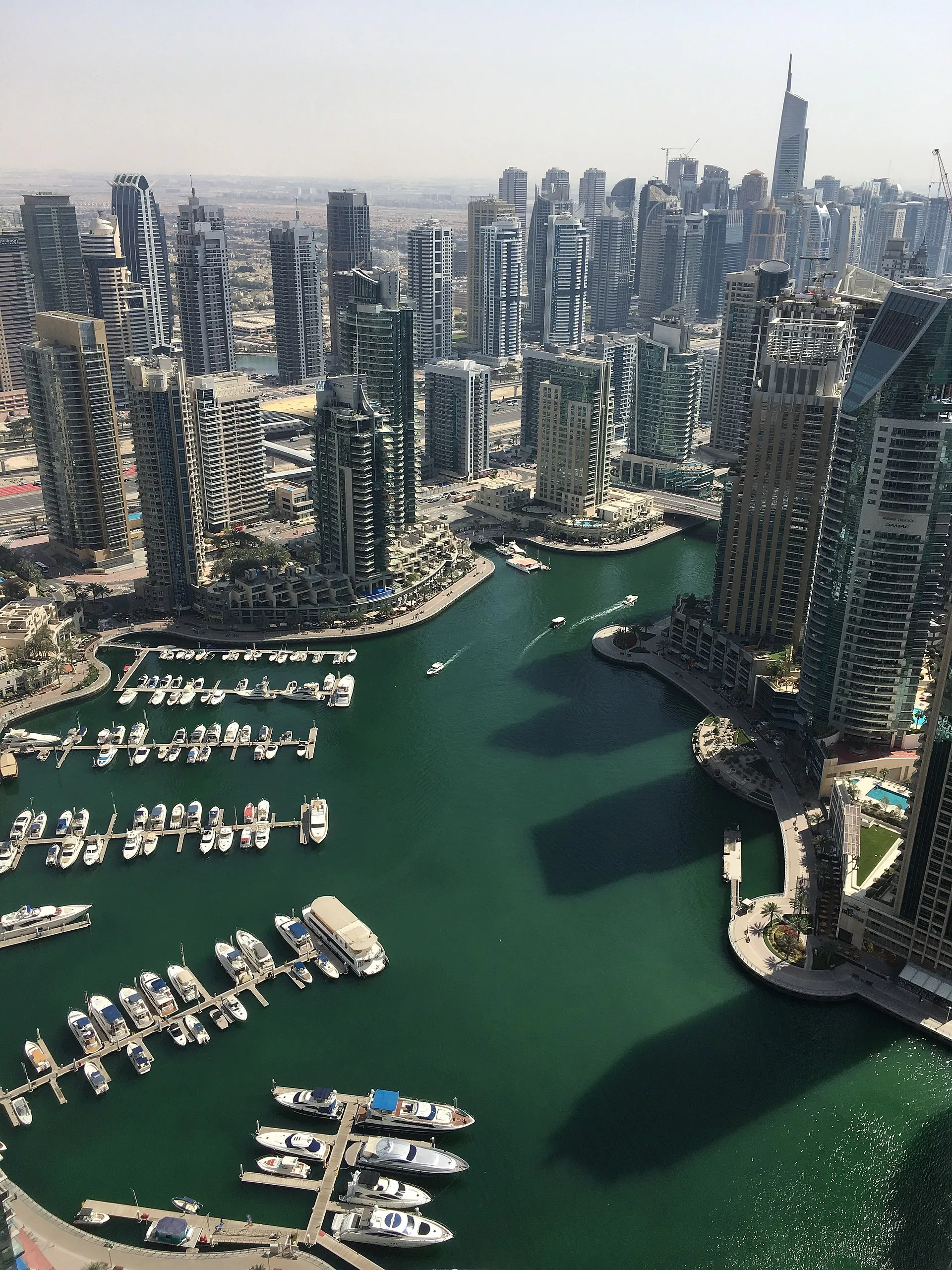
Cited city facts
Key facts for visiting Dubai
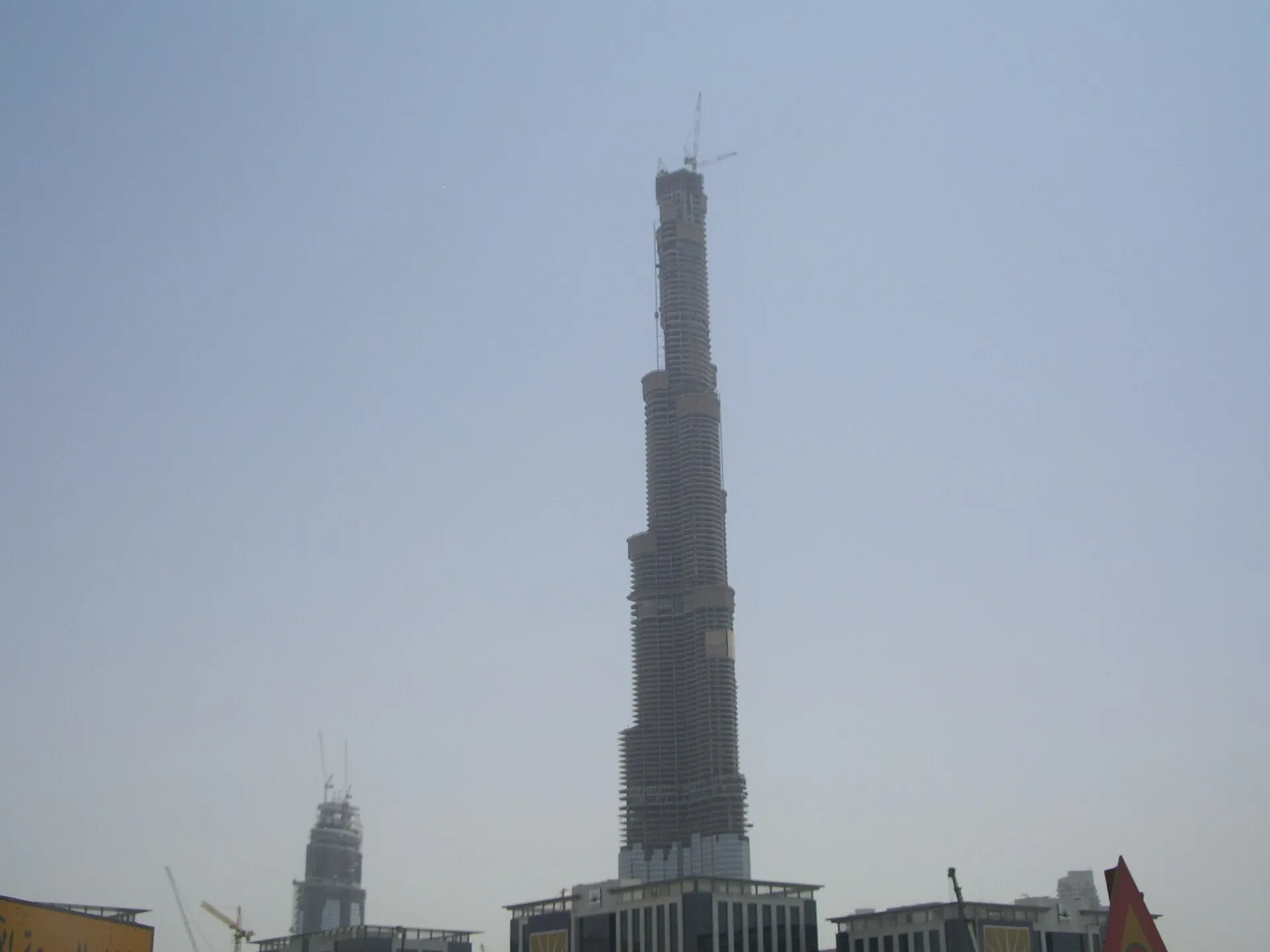
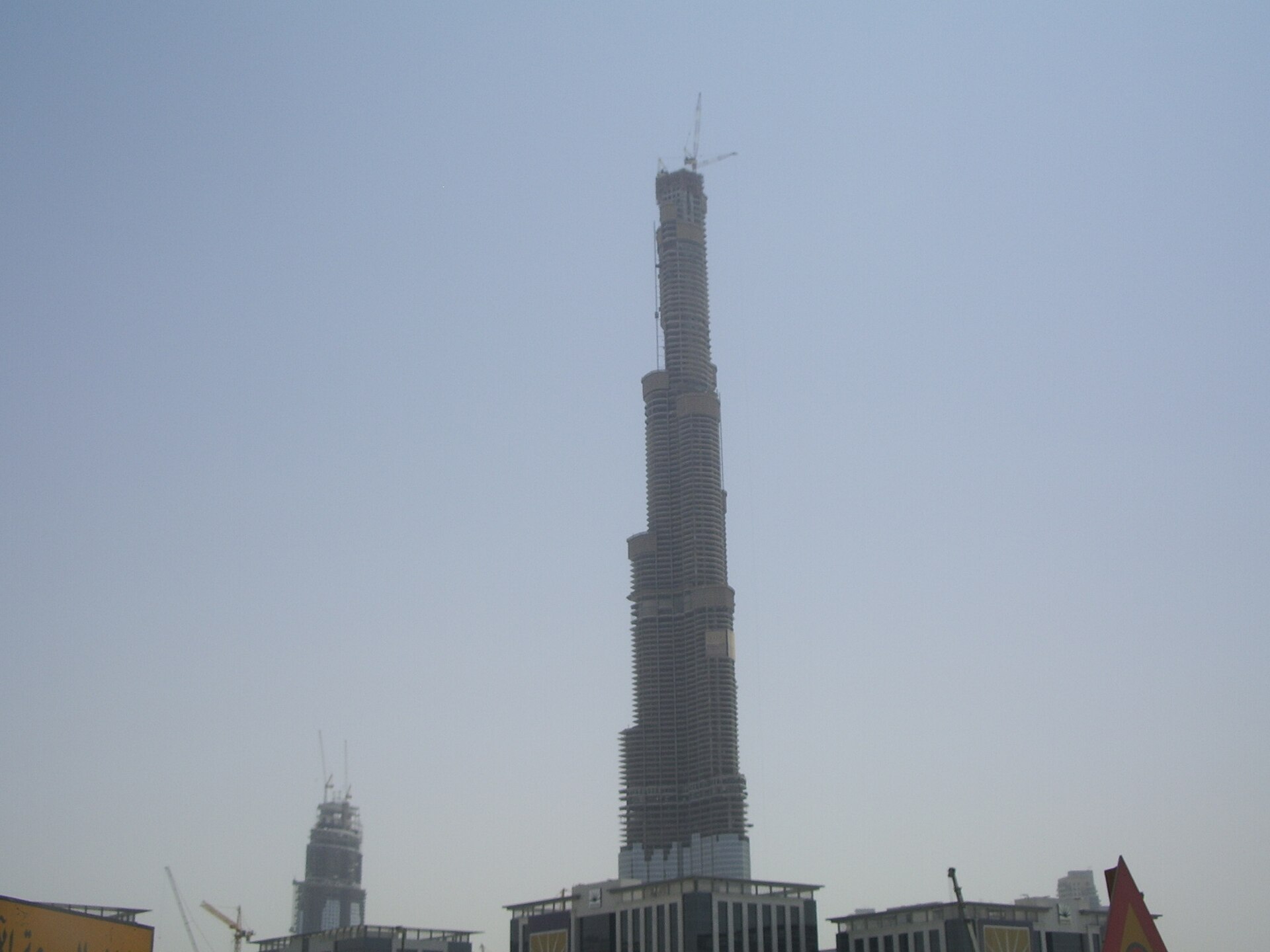
Burj Khalifa stands 828 meters tall with 163 floors
Completed in 2010, the tower is more than twice the height of the Empire State Building and can be seen from 95 kilometers away on a clear day
Dubai's population grew from about 183,000 in 1975 to over 3.6 million today
Expatriates make up roughly 85–90% of residents, with people from more than 200 nationalities creating one of the most cosmopolitan cities on the planet
Dubai welcomed 18.72 million international overnight visitors in 2024
A record for the emirate, confirming Dubai's place among the world's most-visited cities as tourism became a pillar of an economy that no longer depends on oil
Dubai International handled 92.3 million passengers in 2024
DXB has been the world's busiest airport for international travellers for more than a decade, and is the global hub of Emirates — the connectivity that turned a trading port into a world city
Palm Jumeirah added 78 kilometers of coastline
The palm-shaped artificial island, visible from space, was built using 94 million cubic meters of sand and rock and took roughly six years to complete
Dubai Mall covers about 502,000 square meters of retail space
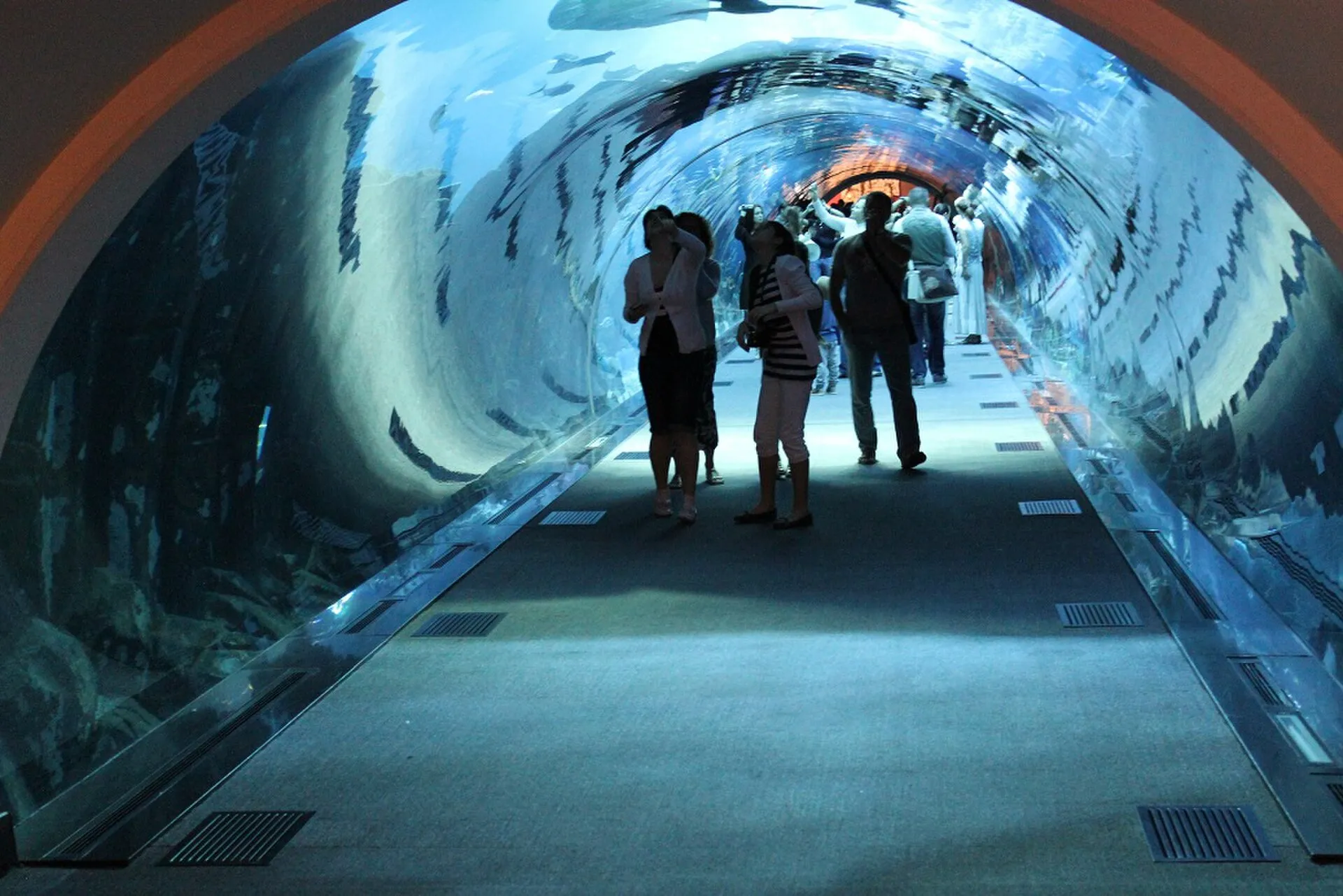
The world's largest mall by total area houses 1,200+ stores, a 10-million-liter aquarium, an Olympic-sized ice rink, and a multi-screen cinema complex
Source: tour-guide.com — Free to cite with attribution
Things to see
What are the top attractions in Dubai?
- Burj Khalifa observation decks — At The Top (Level 124/125) or SKY (Level 148), the centrepiece of Downtown Dubai
- Dubai Mall — Aquarium, ice rink, and Dubai Fountain shows every 30 minutes from the waterfront promenade
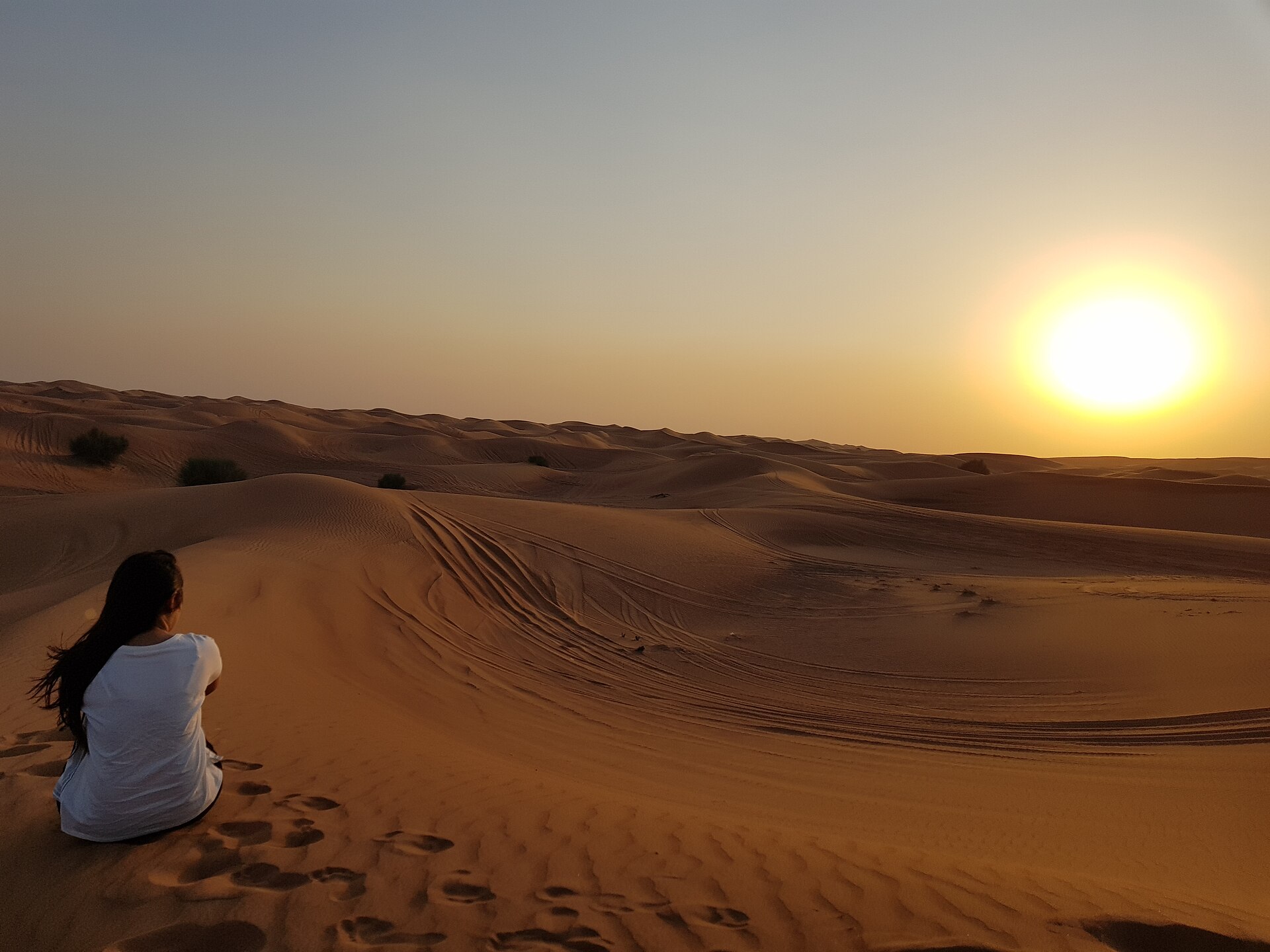
- Desert safari — Dune bashing, sandboarding, camel rides, and a Bedouin-camp dinner under the stars
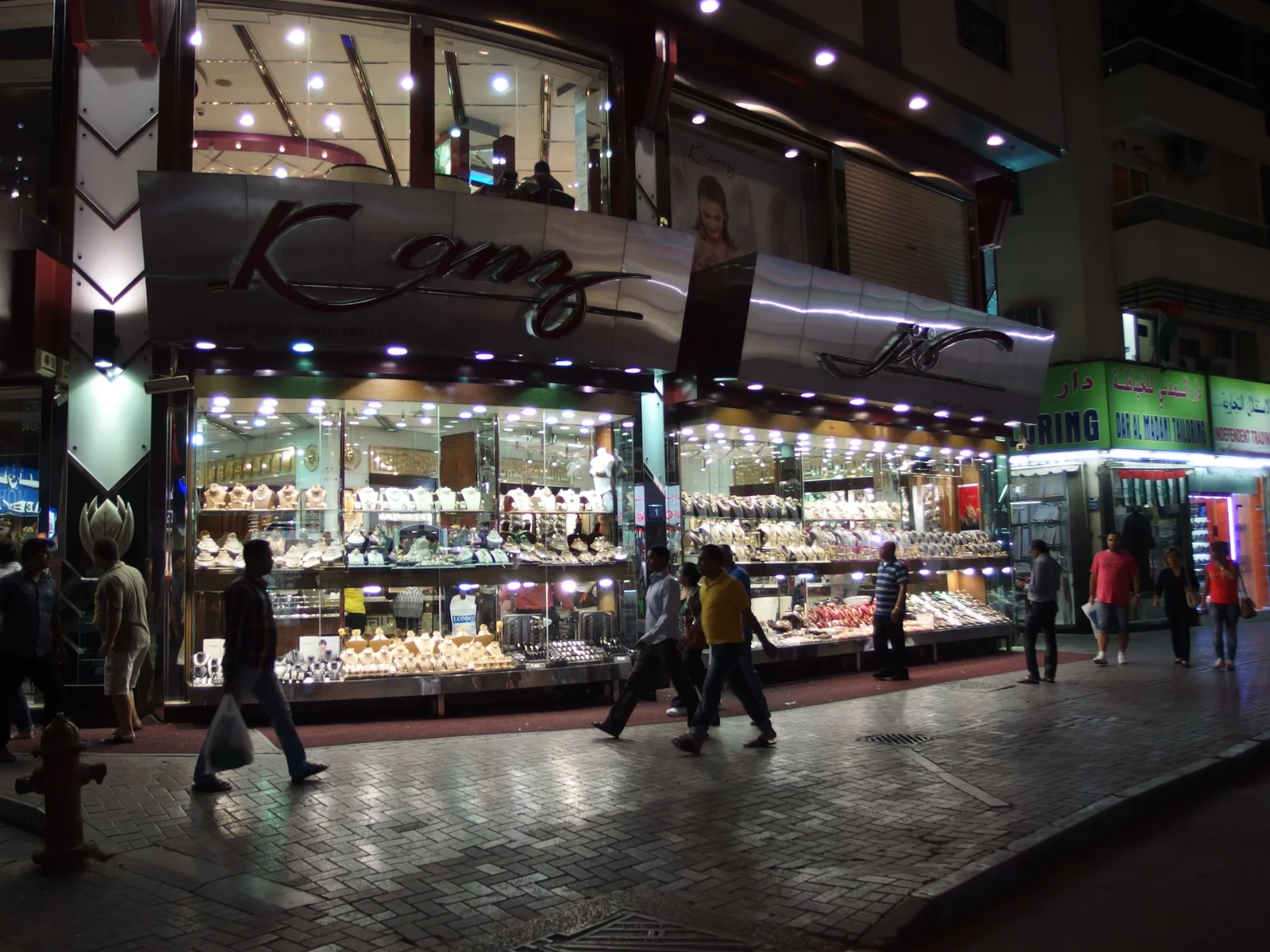
- Gold & Spice Souks — Traditional covered markets in the historic Deira district, reached by abra across the Creek
- Jumeirah Beach & Burj Al Arab — The sail-shaped hotel backdrop and Dubai's best public beaches
- Palm Jumeirah — Man-made palm-shaped island crowned by the Atlantis resort and reached by monorail
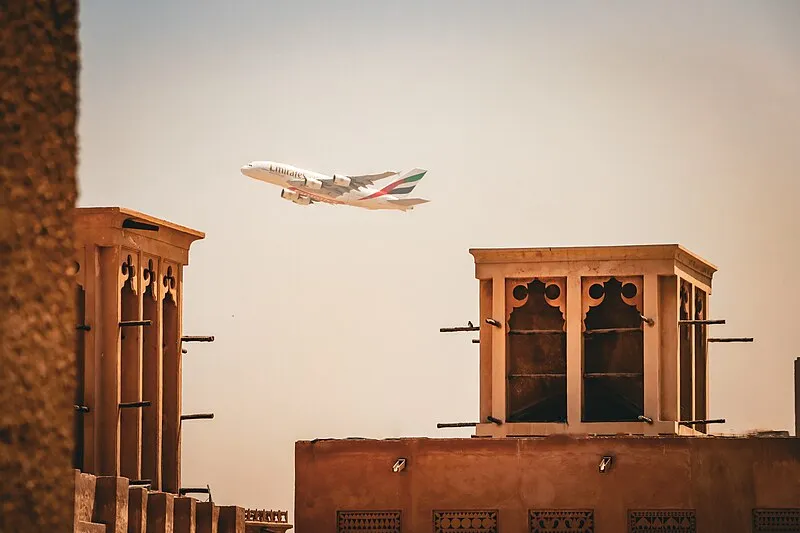
- Al Fahidi Historical District — Wind-tower architecture, the Dubai Museum, and cultural-understanding tours in old Bur Dubai
Burj Khalifa
The world's tallest building: 828 metres above Downtown Dubai
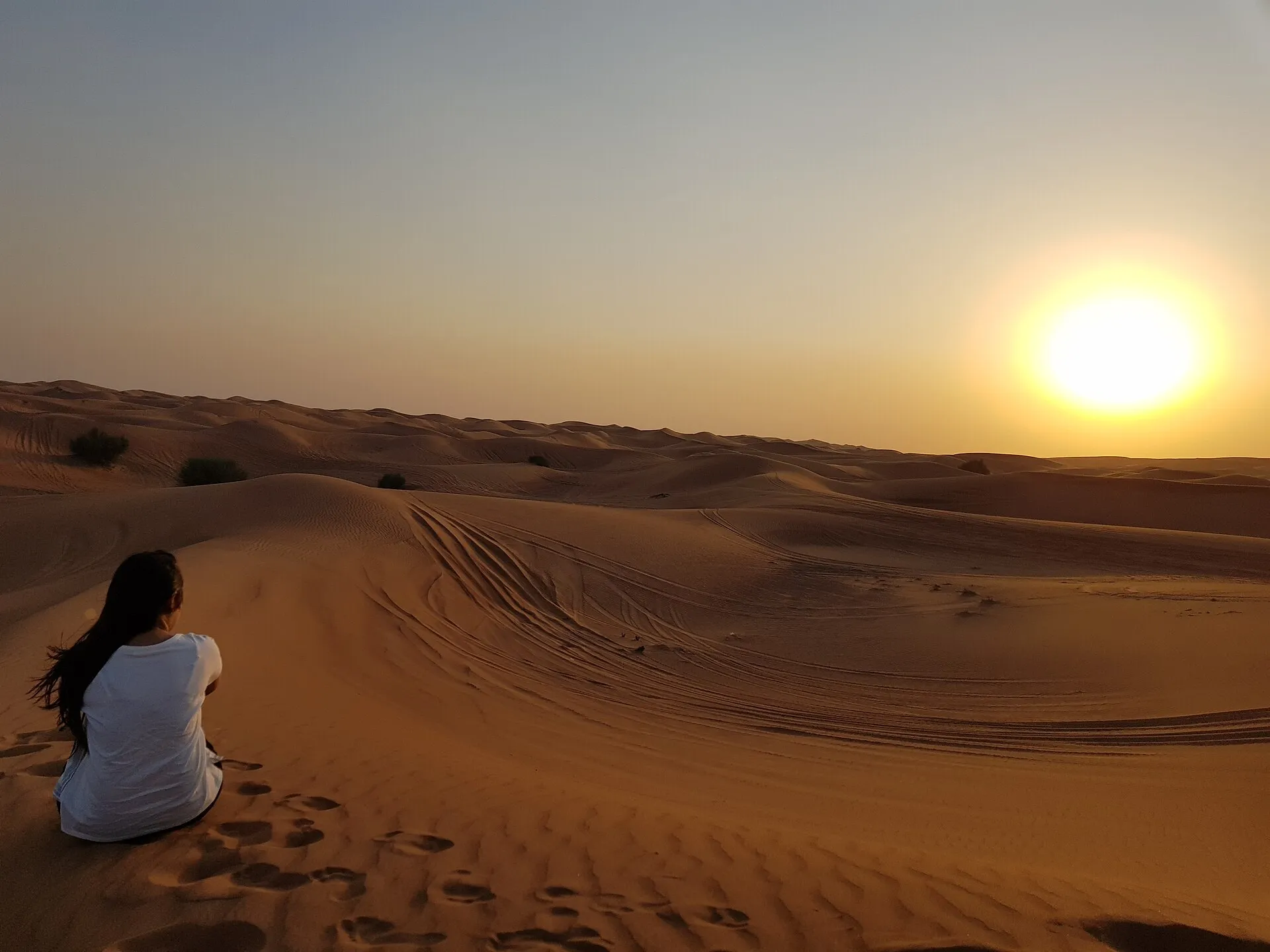
Dubai Desert Safari
Dune bashing, camel rides, and Bedouin camp experiences
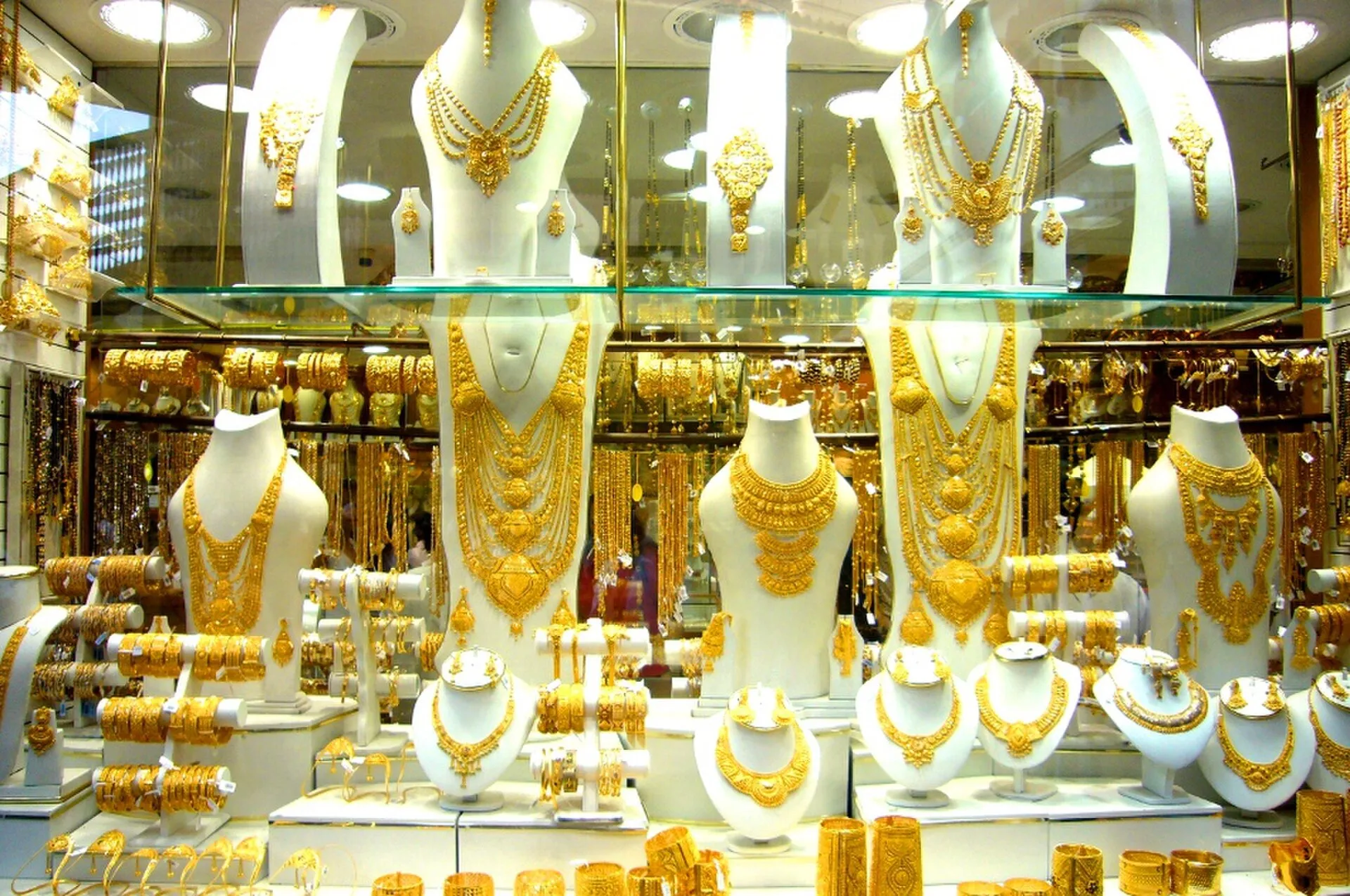
Dubai Gold Souk
Traditional market with tons of gold jewelry
Dubai Mall
World's largest mall - 1,200 stores plus attractions
Guide planning
How much does a tour guide cost in Dubai?
Dubai has thousands of guides, and prices reflect the city's premium positioning. Use these benchmarks to plan:
- Group city tours — AED 150–300 ($41–82) per person for a half-day covering Downtown, the souks, and a photo stop at the Burj Al Arab
- Private half-day tours — AED 800–1,500 ($218–408) for up to six people, usually with air-conditioned hotel pickup
- Private full-day tours — AED 1,500–3,000 ($408–817), enough to pair old Dubai with Downtown and the beach
- Evening desert safaris — AED 250–600 ($68–163) per person including dune bashing, a Bedouin-camp dinner, and transfers
- DTCM-licensed guides — the Department of Economy and Tourism certification is your quality signal; heritage and luxury specialists sit at the top of each range
Book a Local Guide
The guides below are independent local businesses we recommend purely on editorial merit. We don't sell placement and we earn no commission when you book with them — see our booking and affiliate disclosure.
Sheikh Mohammed Centre for Cultural Understanding
The Sheikh Mohammed Centre for Cultural Understanding (SMCCU) runs guided tours of the Al Fahidi Historical Neighbourhood and the Grand Mosque that are among the most authentic cultural experiences in Dubai. Local Emirati hosts lead small groups through the wind-tower heritage buildings, explain Islamic customs, and answer questions that most travellers are too polite to ask anywhere else. The Friday morning cultural breakfast tour is an exceptional start to understanding the city that exists behind the glass towers.
Dubai Old Town Walking Tours — XDubai
XDubai's licensed guides lead intimate walking tours of the Deira spice souk, the gold souk, and the Al Seef waterfront that transport visitors from the Dubai of glass towers into the merchant city that existed long before the skyscrapers arrived. Their abra (traditional wooden boat) crossing of the Creek is a five-minute journey that frames the entire commercial history of the emirate. Groups are kept small and guides adjust pace and depth to whatever the group wants to explore.
Season planner
When is the best time to visit Dubai?
- November to March — the sweet spot, with daytime highs of 24–30°C (75–86°F), warm sea, and comfortable conditions for the desert and the Burj Khalifa decks; it is also peak season, so book tours and tickets 2–3 weeks ahead
- April and October — hot but manageable shoulder months with thinner crowds and softer hotel prices
- June to September — extreme heat, often above 42°C (108°F) with high humidity, pushing outdoor activity to early morning or evening; the payoff is quiet, discounted hotels and the Dubai Summer Surprises sales
- Festivals — the Dubai Shopping Festival (late December to January) and Dubai Food Festival fill the calendar with promotions and events, while National Day on 2 December brings parades and fireworks
- Ramadan — dates shift each year on the lunar calendar; daytime eating and drinking in public is restricted and hours change, but evenings come alive with iftar, and a guide helps navigate the etiquette
Spring
Mar-May
Summer
Jun-Aug
Autumn
Sep-Nov
Winter
Dec-Feb
Each score averages that season’s monthly ratings out of 5. The top-rated window is usually the peak season too, so read the guidance above for its trade-offs before you book.
On the ground
How do you get around Dubai?
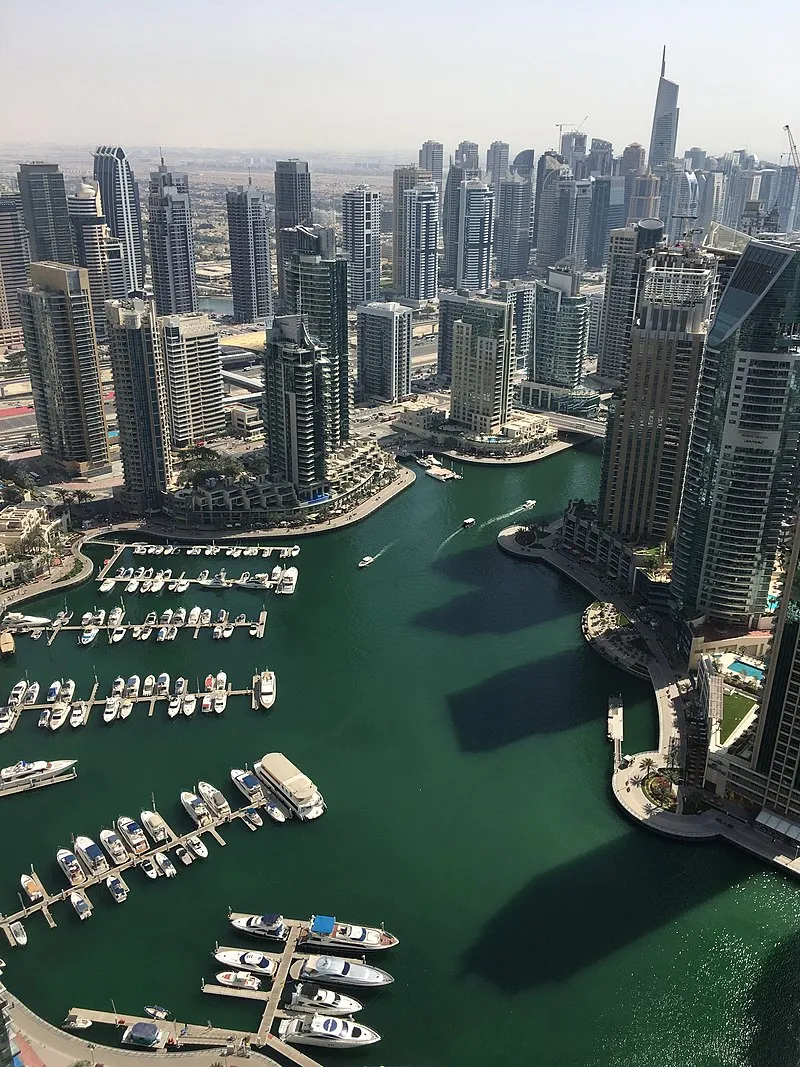
Dubai is spread out, but a modern network stitches it together. The driverless Dubai Metro runs Red and Green lines through the main tourist corridors, with the Red Line linking the airport, Downtown (Burj Khalifa/Dubai Mall station), and the Marina; a single rechargeable Nol card also covers the tram, buses, and the Palm Monorail.
- Metro and tram — clean, cheap, and air-conditioned; the Dubai Tram loops through the Marina and connects to the monorail out to the Palm Jumeirah
- Abras — traditional wooden water taxis cross Dubai Creek between Deira and Bur Dubai for AED 1 (about $0.30), the city's oldest and best-value ride
- Taxis and ride-hailing — metered cream-coloured taxis and apps such as Careem are inexpensive and essential for districts the rail network misses, like Jumeirah and much of old Dubai
- From the airport — DXB sits on the Red Line, roughly 15 minutes from Downtown, with taxis a reliable alternative late at night
- On the ground — distances are deceptive and summer heat is real, so plan around air-conditioned links; dress modestly in malls and on public transport, and note that alcohol is served only in licensed venues
Dubai in Pictures
Frequently Asked Questions
How many days do you need in Dubai?
Three days covers Dubai's contrasts. One day pairs the modern icons — the observation decks of the Burj Khalifa, the aquarium and fountain shows at the Dubai Mall, and the man-made Palm Jumeirah. A second day steps back in time through the Al Fahidi historical district, the Gold and Spice souks, and an abra ride across the Creek in old Deira. The third day belongs to a desert safari of dune bashing and a Bedouin-camp dinner. Add a day for a side trip to Abu Dhabi's Sheikh Zayed Grand Mosque.
What is the best time to visit Dubai?
November through March is ideal, with daytime highs around 24–30°C (75–86°F), warm water, and clear skies for the Burj Khalifa observation decks and a desert safari. It is also peak season, so book tours and tickets two to three weeks ahead. Summer (June–August) regularly tops 42°C (108°F) with high humidity, limiting outdoor activity to early morning and evening — though hotel rates fall sharply and the Dubai Mall stays climate-controlled year-round.
How much does a tour guide cost in Dubai?
Dubai's premium positioning is reflected in guide prices. Group city tours run AED 150–300 ($41–82) per person for a half-day, while private half-day tours for up to six people cost AED 800–1,500 ($218–408), usually with air-conditioned hotel pickup. An evening desert safari with dune bashing and a Bedouin-camp dinner runs AED 250–600 ($68–163) per person. Look for DTCM-licensed guides — the Department of Economy and Tourism certification is the quality signal to check.
How do you get around Dubai?
Dubai has a driverless metro with Red and Green lines, trams, a monorail on the Palm, and water taxis across the Creek. Ride-share apps and taxis cover the sprawling city beyond the rail network.