
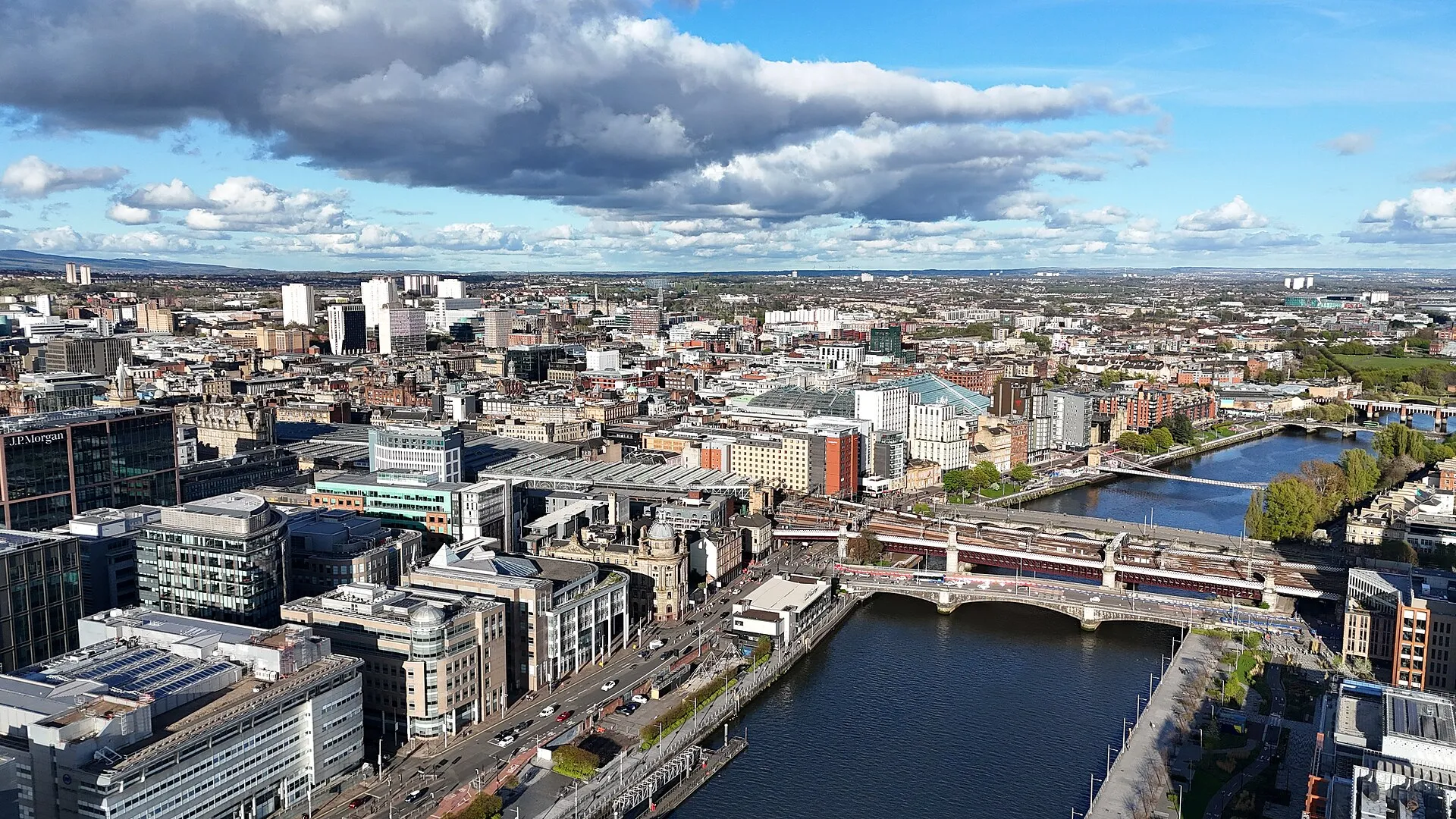
Glasgow timeline
- 6th century
Mungo tradition begins
Early Christian traditions around Saint Mungo anchor Glasgow's origin story.
-
University founded
The university made Glasgow a major Scottish center of learning.
-
Atlantic trade accelerates
Union-era commerce helped Glasgow grow into a tobacco and industrial city.
Cited city facts
Key facts for visiting Glasgow
Glasgow has more listed Victorian buildings than any city outside London
The rapid wealth generated by the 19th-century textile, tobacco, and shipbuilding trades funded an extraordinary building boom; architects Alexander Greek Thomson and Charles Rennie Mackintosh both left distinctive marks on the city's streetscape
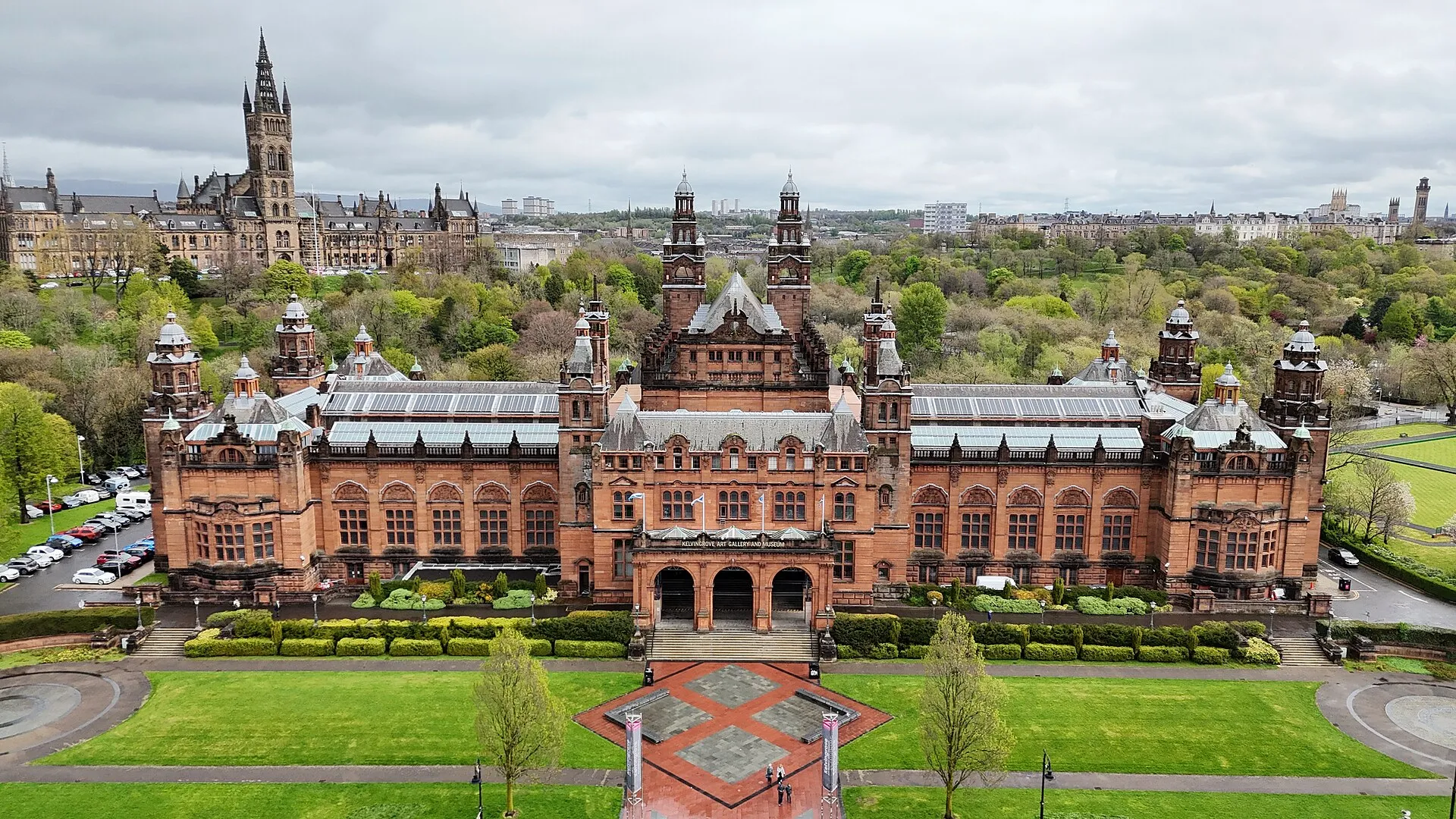
Kelvingrove Art Gallery houses one of the UK's finest civic art collections
With over a million visitors annually and entirely free admission, the gallery's 22 rooms contain works by Rembrandt, Botticelli, Salvador Dalí's Christ of St John of the Cross, and the finest collection of French Impressionist painting in Scotland
The Clyde built a third of the world's ships at peak production
In the late 19th and early 20th centuries, Glasgow's Clyde shipyards were producing more tonnage than any other river in the world, including the Cunard liners that defined transatlantic travel
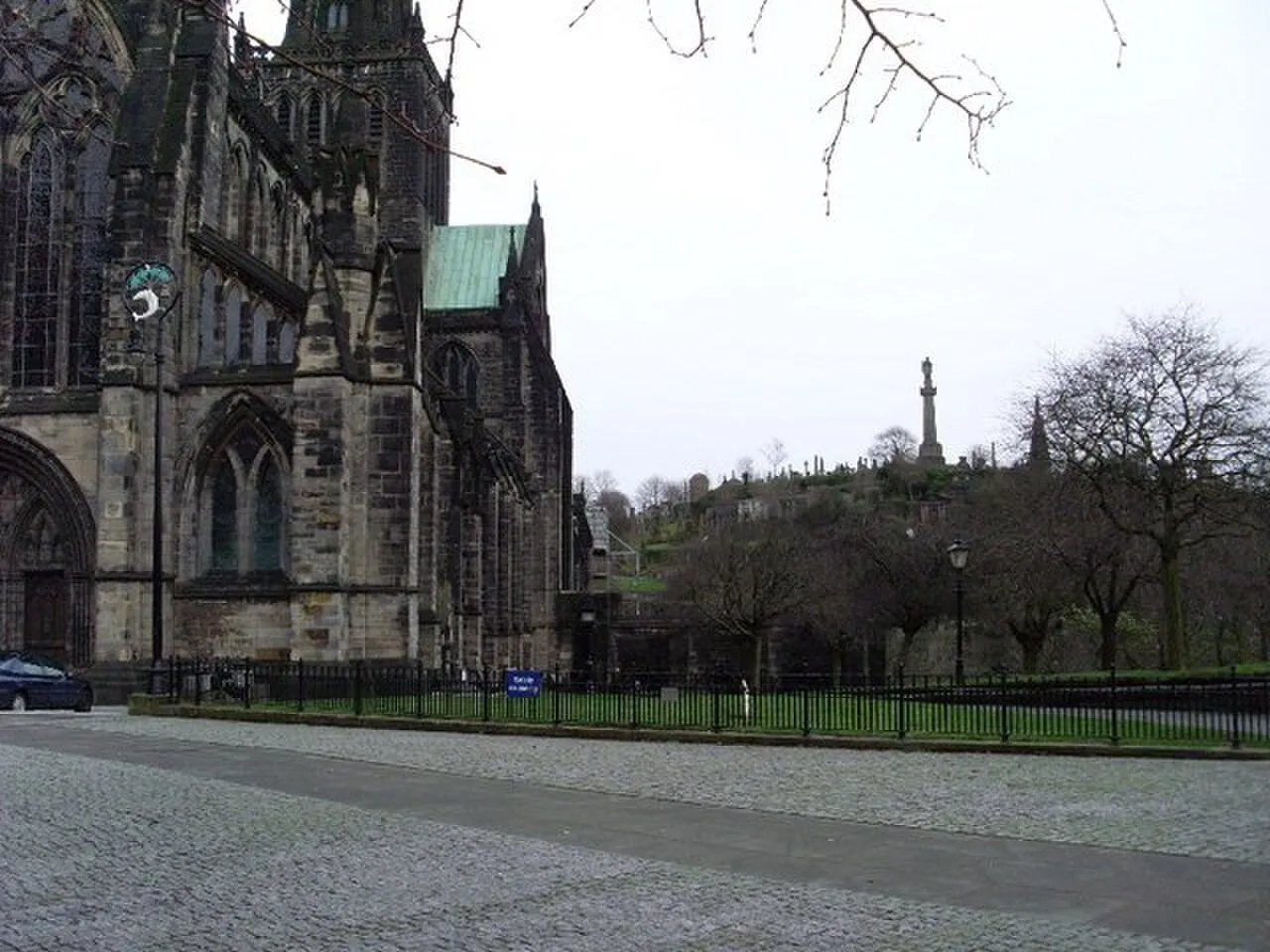
Glasgow's Necropolis holds over 50,000 burials
Opened in 1833 on a volcanic ridge overlooking the Cathedral, the Victorian cemetery was modelled on the Père Lachaise in Paris and became an expression of the city's 19th-century self-confidence and industrial wealth
Source: tour-guide.com — Free to cite with attribution
Things to see
What are the top attractions in Glasgow?
- Kelvingrove Art Gallery and Museum — World-class free museum housing Salvador Dalí's Christ of St John of the Cross alongside a Spitfire suspended from the ceiling
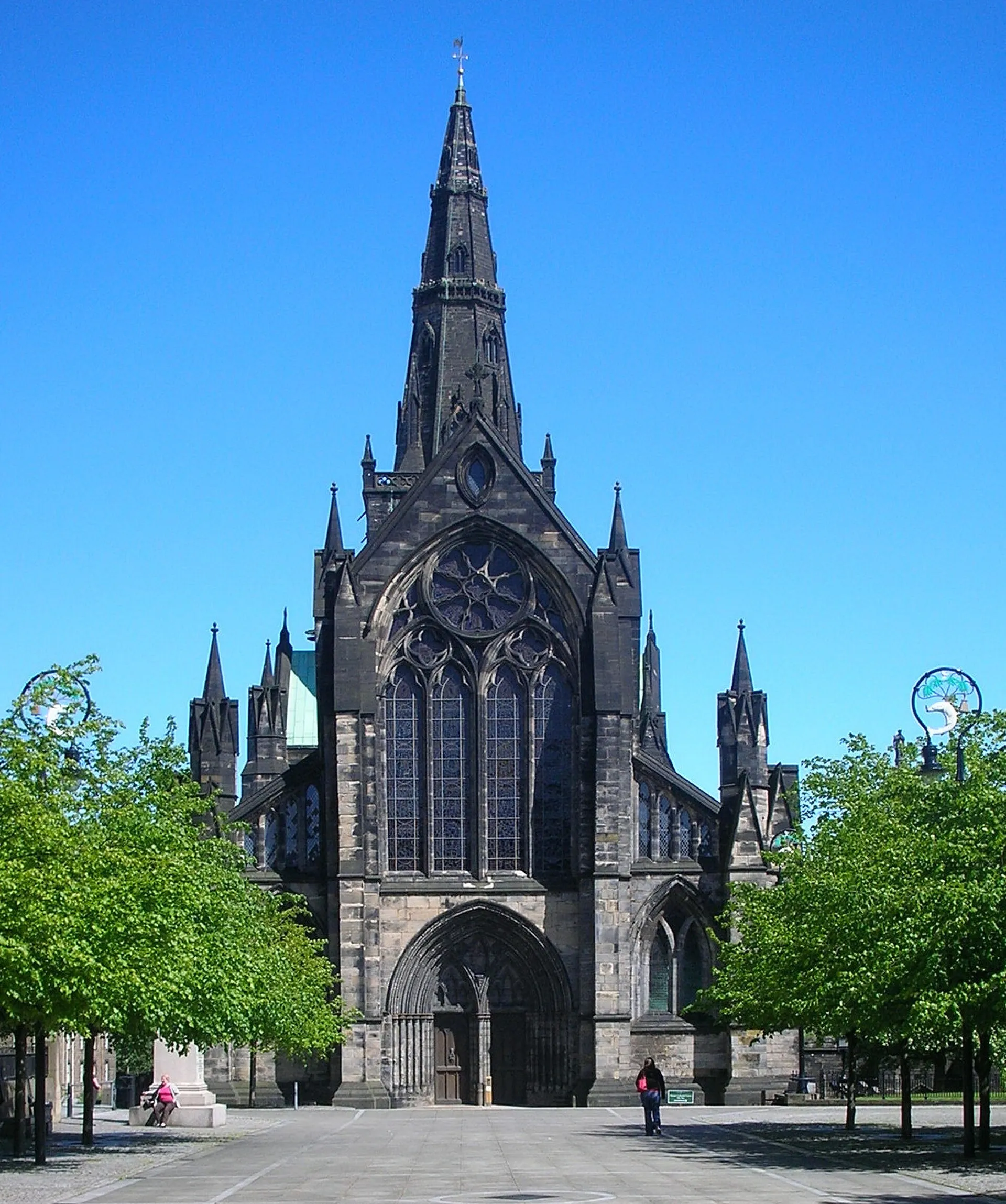
- Glasgow Cathedral — The only complete medieval cathedral on the Scottish mainland, with a lower church crypt that served as its original place of worship
- Glasgow Necropolis — Victorian hilltop cemetery of monumental scale, overlooking the Cathedral and the city
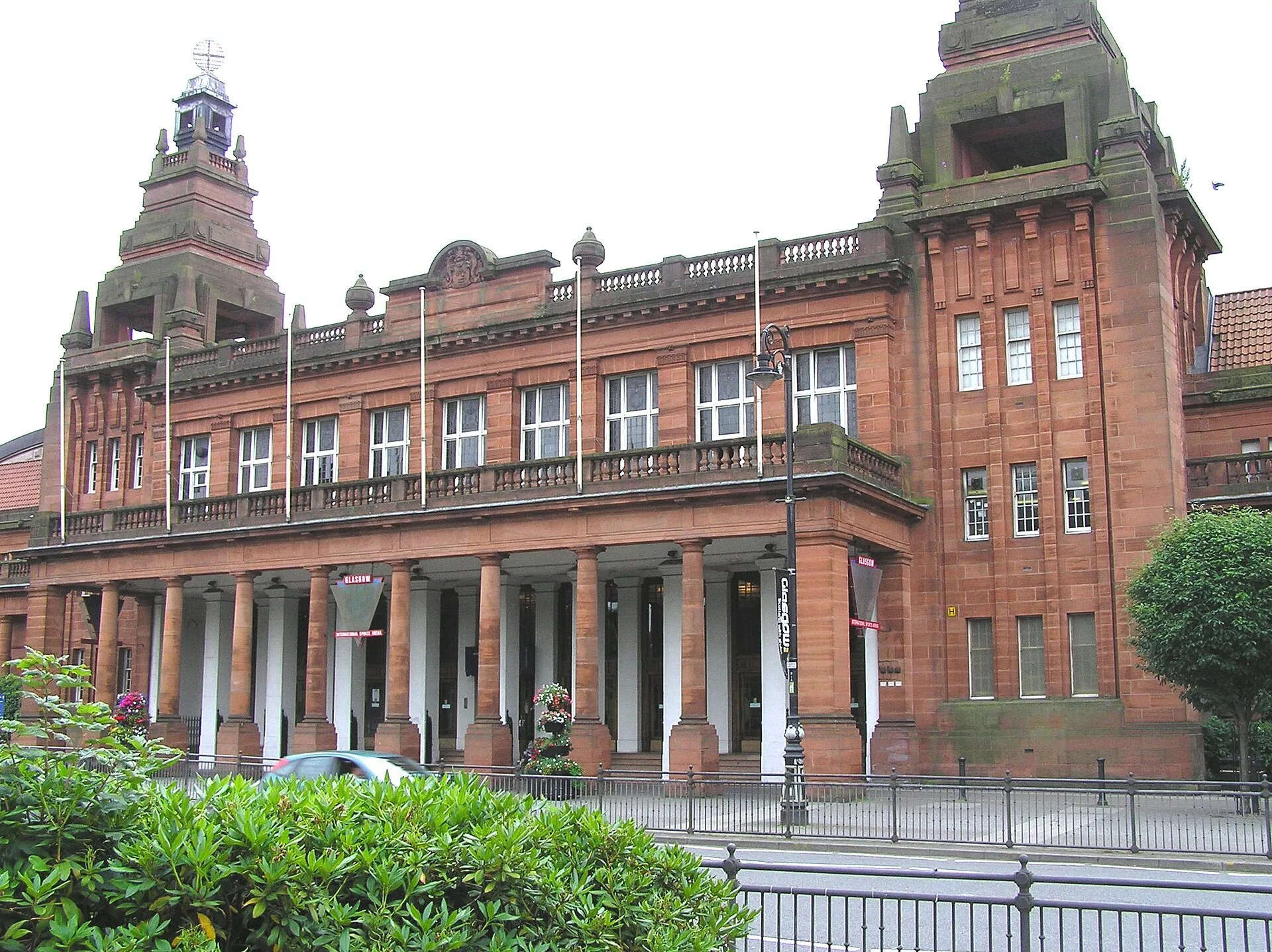
- Kelvin Hall — Major events and cultural venue adjacent to Kelvingrove, with a long history as a circus, exhibition hall, and sporting arena
- Mackintosh at the Willow — Charles Rennie Mackintosh's restored tearoom on Sauchiehall Street
- Riverside Museum — Zaha Hadid-designed transport museum on the Clyde with tall ships moored outside
- Merchant City — The restored Georgian quarter where Glasgow's tobacco lords built their mansions
Glasgow Cathedral
Scotland's only complete medieval cathedral, where Saint Mungo's church has stood for nine centuries
Glasgow Necropolis
Victorian Glasgow's monument to itself — a hilltop city of the dead overlooking the living city it built
Kelvin Hall
From circus ground to national treasure — Glasgow's grandest civic hall reimagined as a centre of culture and sport
Kelvingrove Art Gallery and Museum
Scotland's most visited attraction — world-class art, natural history, and a Spitfire hanging from the ceiling, all free
Guide planning
How much does a tour guide cost in Glasgow?
| Tour Type | Price | Details |
|---|---|---|
| Group Walking Tour | £15–25 | Per person, 2 hours |
| Private Half-Day (city or West End) | £80–150 | Up to 6 people |
| Full-Day Tour with Transport | £150–250 | Museums, Cathedral, Necropolis |
| Architecture Specialist Tour | £100–180 | Victorian and Mackintosh focus |
- Architecture tours — Glasgow's Victorian and Art Nouveau heritage rewards specialist guides; Charles Rennie Mackintosh tours are particularly popular
- Free museum entry — Many of Glasgow's finest attractions are free; guide fees become the primary cost
- Evening food and drink tours — The city's independent bar and restaurant scene is excellent
Season planner
When is the best time to visit Glasgow?
- May–June: Best weather, long evenings, West End Festival in June
- August–September: Warm, vibrant, Festival season spillover from Edinburgh
- December: Festive atmosphere, good indoor culture, fewer crowds than Edinburgh
- Year-round indoor: Glasgow's free museums and Victorian architecture are rewarding in any weather
- Avoid: Glasgow has no consistent "bad" month for indoor culture — the museums are excellent year-round
Spring
Mar-May
Summer
Jun-Aug
Autumn
Sep-Nov
Winter
Dec-Feb
Each score averages that season’s monthly ratings out of 5. The top-rated window is usually the peak season too, so read the guidance above for its trade-offs before you book.
On the ground
How do you get around Glasgow?
Glasgow's Subway (nicknamed the Clockwork Orange) makes a circular loop through the city centre and West End — the key stops for visitors are Buchanan Street, St Enoch, Hillhead (for Kelvingrove and the University), and Kelvinhall. National Rail serves the wider city including the Clyde coast. Much of the centre and West End is walkable: from Central Station to Glasgow Cathedral is about 20 minutes on foot through the Merchant City. Taxis and Uber operate widely.
Frequently Asked Questions
What is the best time to visit Glasgow?
May and June offer the longest days and the best weather Glasgow gets — bright, mild, and green. The city's festival calendar runs from summer (West End Festival in June) through autumn. August is Edinburgh's festival month but Glasgow still buzzes. Winter is dark and wet but the city's indoor culture — museums, music venues, cafes — is excellent, and Glaswegians are notably more welcoming once the summer tourist season quiets down.
How much does a tour guide cost in Glasgow?
Group walking tours of the city centre cost £15–25 per person. Private half-day tours concentrating on Victorian architecture, the West End, or the Necropolis run £80–150 for up to 6 people. Full-day tours combining the Kelvingrove, Riverside Museum, and Cathedral Quarter cost £150–250 with transport. Many of Glasgow's best attractions — including the Kelvingrove Art Gallery — are free to enter, which makes guide costs the primary expense.
How do you get around Glasgow?
Glasgow has an underground metro called the Subway — affectionately known as the Clockwork Orange for its distinctive orange rolling stock — with 15 stations in a circular loop around the city centre and West End. Trains serve the wider city and suburbs. Much of central Glasgow and the West End is walkable; the distance from Central Station to Kelvingrove Art Gallery is about 30 minutes on foot through Kelvingrove Park.