
Walking Route
Walking Routes
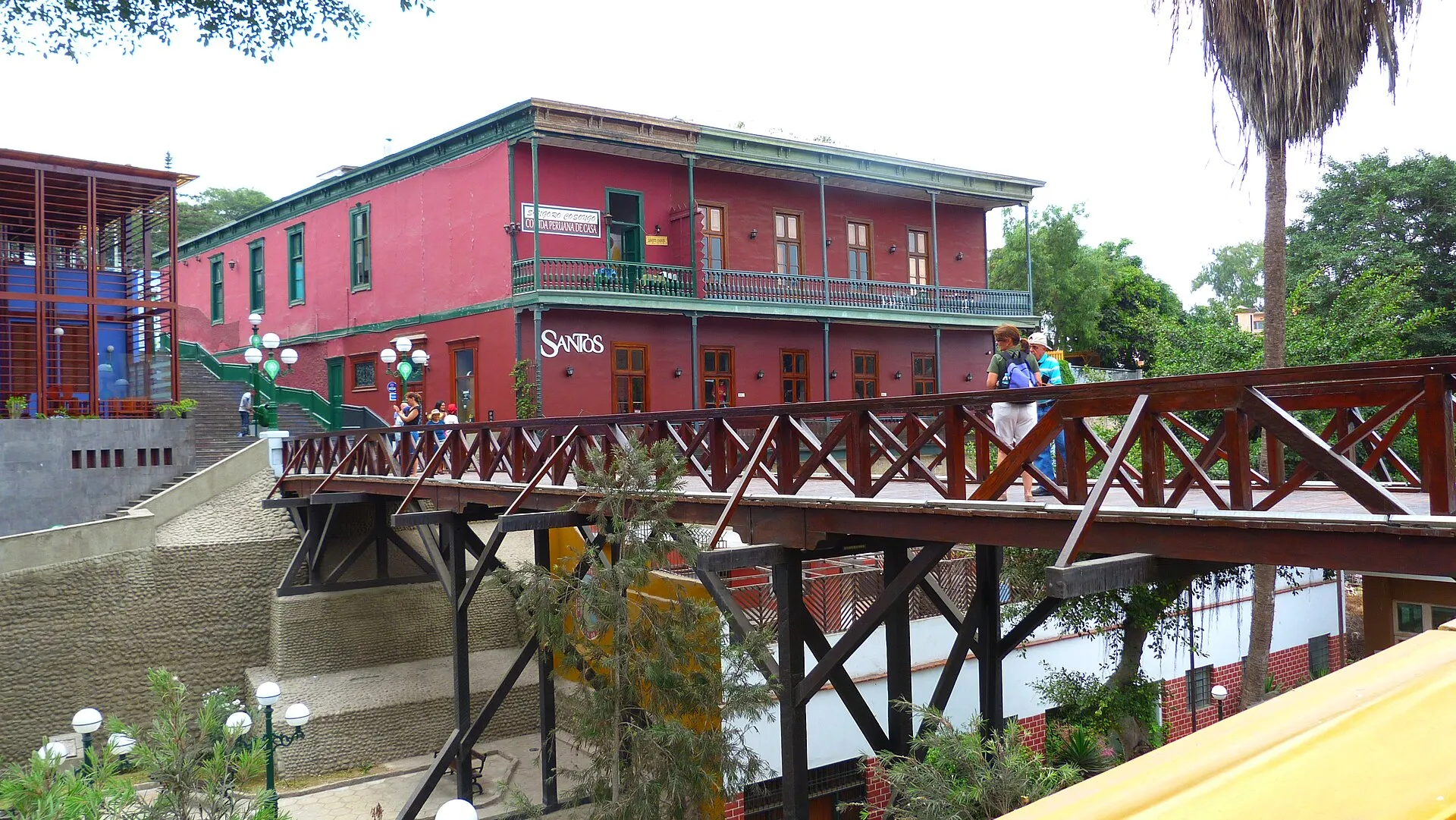
Puente de los Suspiros: The romantic wooden bridge over a flower-filled ravine — hold your breath, make a wish, and listen to the buskers strumming criolla guitars below, with the ruined La Ermita church looming at the far end. Street art circuit: Large-scale murals by Peruvian and international artists cover warehouse walls, residential facades, and even abandoned buildings — a guide identifies the artists and their stories.
Pedro de Osma museum row: The MATE photography museum, the colonial-art Museo Pedro de Osma, and the contemporary MAC Lima cluster within a few blocks — Barranco's densest concentration of galleries. Pisco sour bars: Barranco claims some of Lima's best cocktail bars — try a pisco sour made with egg white foam and a dash of Angostura bitters on a rooftop with Pacific views.
Peña music nights: Traditional criolla and Afro-Peruvian music performed live in intimate bar settings — a deeply Limeño experience that you won't find in the tourist centre. Colonial mansions: Grand houses in various states of restoration line the streets, their wooden balconies and tiled courtyards preserving the district's 19th-century seaside elegance.
Local Life
Barranco's creative energy draws from a community of working artists, musicians, and writers who live alongside young professionals and longtime residents in a neighbourhood that resists gentrification through sheer personality. The morning café scene centres on Tostaduría Bisetti and similar artisan roasters where Limeños read newspapers over single-origin Peruvian coffee. By midday, the galleries along Avenida Pedro de Osma open their doors — MATE, the Museo Pedro de Osma, and smaller independent spaces rotate exhibitions that range from contemporary photography to pre-Columbian-inspired sculpture.
The Dédalo concept store in a converted mansion sells Peruvian design, art books, and craft beer in a garden courtyard. As evening falls, the neighbourhood shifts gears: peña clubs fill with the sounds of cajón drums and criolla guitar, rooftop bars mix pisco sours against Pacific sunsets, and the restaurants along Avenida Grau serve nuevo-andino tasting menus that fuse highland ingredients with coastal technique. Walk south along the Miraflores Boardwalk at sunset and arrive in Barranco just as the neighbourhood comes alive.
Barranco District timeline
-
Barranco becomes a district
Once a fishing cove and summer bathing spot below the cliffs, Barranco was formally created as an independent district of Lima, drawing the capital's wealthy families to build ornate seaside villas along its quiet streets.
-
The Bridge of Sighs is built
The wooden Puente de los Suspiros was raised over the Bajada de Baños ravine that led down to the beach — the romantic crossing that later gave the neighbourhood its emotional and musical centre.
- 1879–1883
War of the Pacific
Occupying Chilean forces burned many of Barranco's seaside mansions and left the La Ermita church beside the bridge a romantic ruin, a scar the district wears to this day.
- Early 1900s
The tramway resort era
An electric tramway linked Barranco to central Lima and Chorrillos, cementing its role as the capital's fashionable seaside escape before Miraflores eclipsed it.
- 20th c.
A muse for criolla song
As cheap rents drew poets, painters, and musicians, criolla composer Chabuca Granda immortalized the Puente de los Suspiros in waltz, sealing Barranco's identity as Lima's creative quarter.
-
MATE opens on Pedro de Osma
Photographer Mario Testino's museum opened in a restored townhouse, anchoring the Avenida Pedro de Osma museum row alongside the Museo Pedro de Osma and, later, MAC Lima.
When to Visit
Neighbourhood: Walkable at any hour — galleries and cafés open from 10 AM, bars from 6 PM. Best daytime: Late morning (10 AM - 1 PM) for street art tours and gallery visits in good light. Best evening: Thursday through Saturday from 7 PM when bars, restaurants, and peña clubs are at their liveliest.
MATE museum: Tuesday-Sunday 10 AM - 7 PM (the Mario Testino museum in a restored colonial house). Museo Pedro de Osma and MAC Lima both open Tuesday-Sunday — bundle the three on the same afternoon, as they sit within a few blocks of each other along Avenida Pedro de Osma and Avenida Grau.
Admission and Costs
Street art walking tour: S/40-80 ($11-22) per person, 1.5-2 hours. Food and pisco tour: S/120-200 ($32-54) including tastings at 4-5 stops. MATE museum entry: S/20 ($5.40); Museo Pedro de Osma: S/30 ($8); MAC Lima: S/12 ($3.20). Private guide + evening: S/150-300 ($40-80) for a 3-hour art, food, and nightlife circuit.
The Case for a Guide
Barranco rewards context more than almost any neighbourhood in Lima, because its surfaces tell several stories at once and few are labelled. A good local guide turns a pleasant wander into a layered reading of the district, connecting what you see to who made it and why:
- Street art, decoded: large-scale murals by Peruvian and international artists cover warehouse walls and residential facades, but the works rotate and go unsigned — a guide names the artists, explains the commissions, and points out pieces that will be painted over by next season.
- Mansions and their families: the restored and crumbling villas along Avenida Pedro de Osma belonged to specific Lima dynasties; a guide reads the architecture and the War of the Pacific scars that shaped them.
- The musical thread: criolla, Afro-Peruvian, and rock traditions all live in Barranco's peñas; a guide knows which venues are authentic, which nights the best acts play, and the story behind Chabuca Granda's bridge.
- Food and pisco, curated: rather than a random rooftop, a guide steers you to the nuevo-andino kitchens and pisco sour bars that Limeños actually rate, and handles reservations for the ones worth booking.
Tips for Visitors
Walk from Miraflores: The coastal path (Malecón) connects the Miraflores Boardwalk to Barranco in about 30 minutes — a beautiful walk along the cliffs. Combine day and night: Do the museum row and street art by day, then return for dinner and live music at night — Barranco rewards both visits. Pair with the wider city: a morning at the Larco Museum or the Miraflores pyramid of Huaca Pucllana sets up an afternoon and evening in Barranco.
Dress casually but smartly: Barranco is laid-back but the better restaurants and bars have a relaxed-chic dress code. Safe neighbourhood: One of Lima's safest districts for walking at night, though standard street smarts apply — use an app-based taxi after dark. Thursday peñas: Many live music venues start their weekly schedules on Thursday — check listings to catch the best acts. Sunday brunch: The weekend brunch scene in Barranco's cafés is popular with Limeños — arrive before 11 AM or expect a wait.
Frequently Asked Questions
What months are best for strolling through Barranco?
December through March is Lima's brief summer, with warm sunshine, clear skies, and the energy of outdoor terraces and rooftop pisco bars in full swing — these are the top-rated months for this bohemian neighborhood, when street art tours benefit from good light and the clifftop walk from Miraflores is pleasant. Lima's winter garúa (coastal fog) settles over Barranco from June through August, muting the vibrant street art murals and dampening the outdoor cafe culture that defines the district.
What time of day is best for exploring Barranco District?
Neighbourhood: Walkable at any hour — galleries and cafés open from 10 AM, bars from 6 PM. Best daytime: Late morning (10 AM - 1 PM) for street art tours and gallery visits in good light.
How much should visitors budget for Barranco District?
Street art walking tour: S/40-80 ($11-22) per person, 1.5-2 hours. Food and pisco tour: S/120-200 ($32-54) including tastings at 4-5 stops. MATE museum entry: S/20 (~$5.40).
How do visitors reach Barranco from Miraflores?
Walk from Miraflores: The coastal path (Malecón) connects the Miraflores Boardwalk to Barranco in about 30 minutes — a beautiful walk along the cliffs. The Metropolitano BRT and app-based taxis (Uber, inDrive) are the quick alternatives.
Is Barranco safe to visit, including at night?
Barranco is one of Lima's safest districts for walking, and its core streets around the Parque Municipal and Avenida Pedro de Osma stay busy well into the evening thanks to the restaurant and peña-bar scene. As anywhere in a capital city, keep valuables out of sight, use an app-based taxi (Uber, inDrive) rather than an unmarked street cab after dark, and stick to the well-lit main avenues when walking back from the bars late at night.
Which museums are worth visiting in Barranco?
Three stand out, all within a short walk of each other. MATE – Museo Mario Testino shows the Peruvian fashion photographer's work in a restored townhouse on Avenida Pedro de Osma. A few doors along, the Museo Pedro de Osma holds one of Peru's finest private collections of colonial and viceregal art inside a Belle Époque mansion. On Avenida Grau, the Museo de Arte Contemporáneo (MAC Lima) rounds out the district's gallery row with rotating modern-art exhibitions.