
Activities
Giant river otters: families of giant otters — which can reach 1.8 metres — fish and play in the reserve's oxbow lakes, often approaching canoes with curiosity. Pink dolphins: both pink (bufeo) and grey river dolphins surface frequently in the main channels and flooded-forest edges. Flooded forest canoeing: during high water, paddle between the trunks of towering trees in a surreal drowned forest — one of the most unique experiences in Amazon travel. Macaw clay licks: dawn gatherings of hundreds of macaws and parrots at riverside clay banks create a spectacle of colour and noise. Primate watching: howler monkeys, squirrel monkeys, and the rare red uakari monkey with its distinctive crimson face. Paiche and turtles: spot the surfacing paiche — the world's largest scaled freshwater fish — and, in season, watch ribereño communities release taricaya hatchlings from guarded nesting beaches. Traditional medicine walks: indigenous guides identify plants used in traditional Amazonian medicine — a living pharmacology lesson in the forest.
Seasonal Highlights
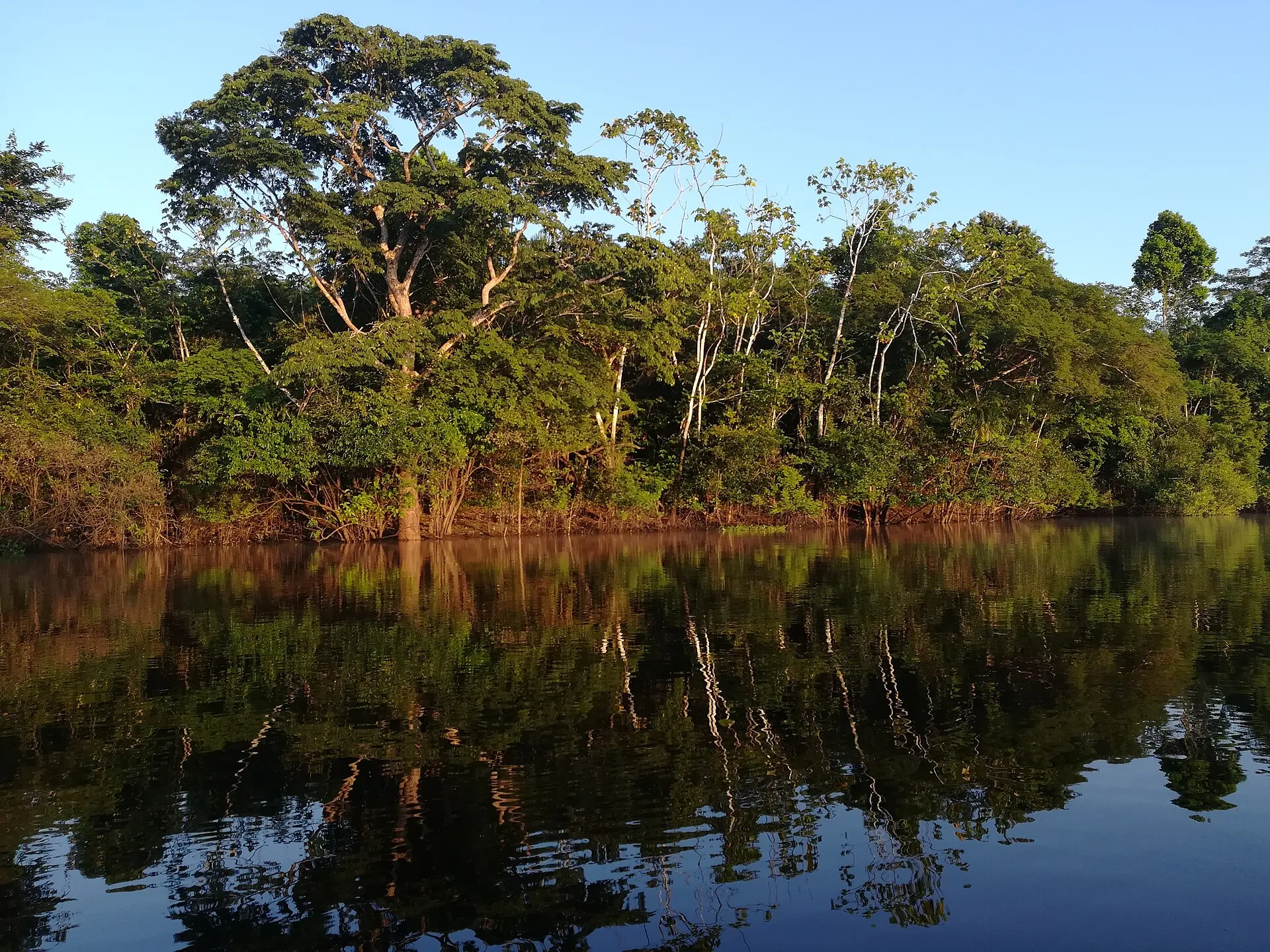
High-water season from December to May floods the forest to canopy level, allowing canoes to glide between treetops for an otherworldly exploration deep into the reserve — this is the experience that earns Pacaya-Samiria the nickname Selva de los Espejos ("Jungle of Mirrors") as still water reflects the canopy above. Low-water season from June to November concentrates wildlife around shrinking lagoons and exposed sandbars, making animal sightings far easier and more frequent — expect to see dolphins, caimans, and wading birds in far greater density per excursion. Giant river otter breeding season peaks around September, when family groups are most active and vocal in the oxbow lakes. The exposed sandbars of low water are also taricaya turtle nesting beaches, where community rangers guard the clutches and release hatchlings between roughly August and November. The paiche fishing season (October-February) sees ribereño communities harvesting the world's largest freshwater scaled fish using traditional methods — a sustainable fisheries programme that visitors can observe and support. Bird diversity peaks during the transition months (May-June and October-November) when migratory species swell the resident population.
When to Visit
High water (December-May): the várzea floods several metres deep, canoes leave the main channels to paddle between submerged trunks, and pink dolphins range far into the forest — the best months for dolphin sightings and deep penetration into the reserve. Low water (June-November): wildlife concentrates around shrinking lagoons and exposed sandbars, giving more sightings per day, easier fishing, and dry beaches for camping. Duration: 5-7 days recommended for a meaningful expedition; 3-4 days reaches only the outer zones near Nauta. Peak: July-September offers the best weather and wildlife density, but books up 2-3 months ahead. Most trips depart from Iquitos or from Nauta, about 100 km south by the region's only highway, at the reserve's northeastern gateway.
Admission and Costs
Reserve entry permit: S/30 ($8) per person per day — collected by SERNANP through licensed operators and bundled into every package. 5-day guided expedition from Iquitos: S/2,500-4,500 ($675-1,215) per person all-inclusive, covering the guide, boatman, cook, camping gear, meals, and permits. 7-day deep expedition: S/4,000-7,000 ($1,080-1,890) per person — reaches the most remote, pristine sections around the Pacaya and Samiria headwaters. Luxury cruise into the reserve: S/6,000-12,000+ ($1,620-3,240+) per person for 5-7 day vessel-based trips. Budget a crew gratuity (around 10% is customary) plus rubber boots, a headlamp, and dry bags if you do not already own them; because independent entry is prohibited, there is no cheaper self-guided option.
The Case for a Guide
Independent entry to Pacaya-Samiria is legally prohibited — SERNANP requires every visitor to travel with a licensed operator and registered guide — so the real question is not whether to hire a guide but which one. The most rewarding guides are ribereño or indigenous naturalists born in the reserve's buffer-zone communities, and their local knowledge is what separates a productive expedition from days of staring at unbroken green. This is remote, self-reliant travel across Peru's largest national reserve, where a guide doubles as your logistics, safety, and translation lifeline. Giant otters, black caimans, and pink dolphins are wary and easily missed — spotting them reliably is a learned skill, not luck. Consider the difference a guide makes: Wildlife tracking — a skilled guide reads current, birdcall, and the tell-tale wake of a surfacing dolphin, positioning the canoe before an animal appears rather than after it has fled. Reading the water — levels can swing several metres within days, and a guide who grew up on these rivers knows which channels stay navigable, which oxbow lakes hold otters this month, and where sandbars have emerged for a dry camp. Traditional ecological knowledge — guides identify medicinal plants, demonstrate paiche fishing techniques, and explain the community programmes in which ribereño families guard taricaya turtle beaches and harvest fish sustainably. Community benefit — booking through operators that employ local guides channels tourism income directly into the buffer-zone villages whose cooperation makes the reserve's protection viable.
Tips for Visitors
Licensed operators only: the reserve requires a licensed operator and registered guide — independent entry is not permitted, and every visitor is logged with SERNANP at the control post. Physical preparation: long days in canoes, early mornings, and basic camping conditions call for reasonable fitness and flexibility. Bring everything: there are no shops once you leave Iquitos — pack enough insect repellent, sunscreen, medication, and batteries for the whole trip, and stock up at Belén Market. Waterproof everything: a sudden downpour can drench unprotected electronics in seconds. Disconnect mentally: there is no phone signal or internet in the reserve — embrace the disconnection; it's part of the experience. Combine wisely: an expedition is physically demanding, so schedule a rest day in Iquitos afterward, or pair it with the gentler Pilpintuwasi butterfly farm. Consider Nauta: departing from Nauta, 100 km south by road, shortens the river approach to the reserve's northeastern zones.
Frequently Asked Questions
What season is best for an expedition into Pacaya-Samiria Reserve?
July and August are the top-rated months, falling in the low-water season when trails are walkable, wildlife concentrates around shrinking water sources, and giant river otters, caimans, and pink dolphins are easier to spot. The high-water season from December through May transforms the reserve into a flooded forest navigable only by canoe, which offers a unique experience of paddling beneath the canopy but makes terrestrial wildlife harder to find. May and June mark the transition period, combining decent water levels for canoeing with improving wildlife visibility.
What does the high-water season offer at Pacaya-Samiria Reserve?
High water peaks between January and April, when the Marañón and Ucayali overflow and the várzea floods several metres deep. Canoes leave the main channels entirely to paddle silently between submerged trunks, putting you at eye level with the canopy where sloths, monkeys, and roosting birds shelter. Pink dolphins range far into the flooded forest in these months, and the mirror-flat lagoons give the reserve its nickname Selva de los Espejos. The trade-off is that terrestrial animals disperse across the vast flooded expanse, so overall sighting frequency drops compared with the June-November dry season.
How do you get to Pacaya-Samiria from Iquitos?
Every visit is by boat with a licensed operator. Expeditions either set off directly from Iquitos down the Amazon and Marañón, or drive about 100 km south to Nauta — the only road out of Iquitos — and launch from there into the reserve's northeastern zones near the Marañón-Ucayali confluence. Either way the core lagoons are a full day's travel from the city, which is why 4-5 day trips are the practical minimum. Independent entry is not permitted, so transport is always arranged through your operator.
How much does a Pacaya-Samiria expedition cost, and what is mandatory?
The S/30 ($8) per-person daily entry permit is mandatory and non-negotiable — it funds SERNANP ranger patrols and is bundled into every licensed operator's price rather than paid separately. Beyond that, a standard 5-day expedition from Iquitos runs S/2,500-4,500 ($675-1,215) all-inclusive, covering the guide, boatman, cook, camping gear, and meals. Budget extra for a crew gratuity (around 10 percent is customary) and for rubber boots, a headlamp, and dry bags if you do not already own them. Because independent entry is prohibited, there is no cheaper self-guided alternative.
What should visitors pack and prepare before entering the reserve?
There are no shops, pharmacies, or phone signal once you leave Iquitos, so everything you need must travel with you: strong DEET-based repellent, high-SPF sunscreen, a wide-brimmed hat, personal medication, and spare batteries. A yellow-fever vaccination is required for the Peruvian Amazon and should be given at least ten days before travel, and malaria prophylaxis is worth discussing with a travel clinic. Pack all electronics in dry bags — a single tropical downpour can ruin an unprotected camera in seconds — and expect basic camping comfort rather than lodge amenities.