
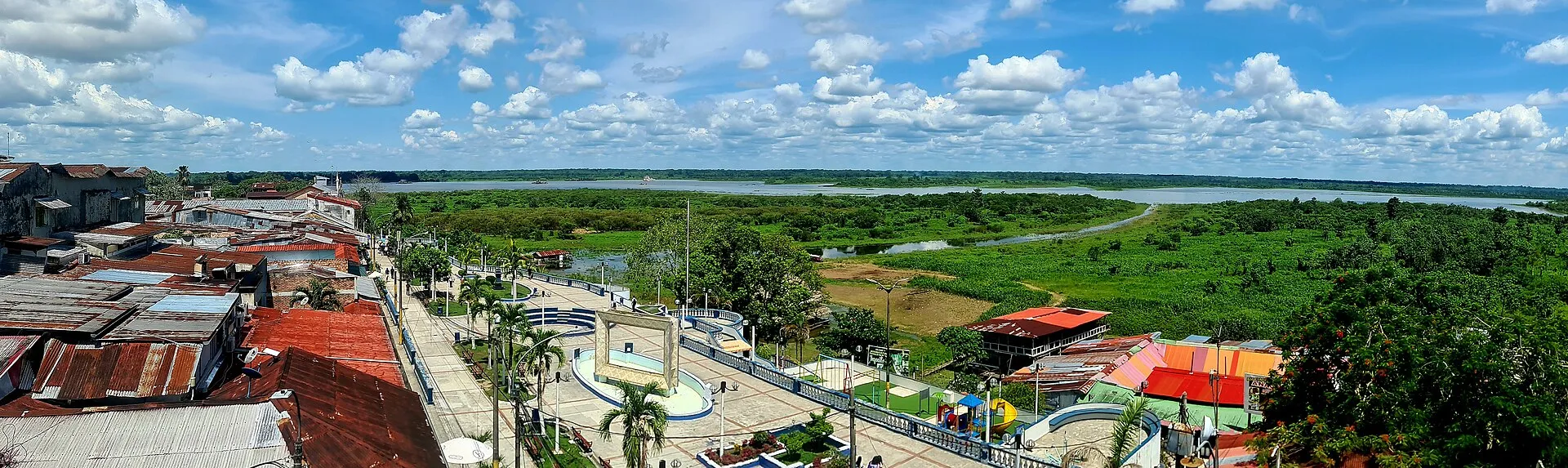
Iquitos timeline
-
Mission settlement recorded
Jesuit and Indigenous settlement history predates the later rubber port.
-
River port expands
Steam navigation made Iquitos a strategic Amazon port.
- 1880s
Rubber boom
Rubber wealth left tiled mansions, ironwork, and a distinct urban memory.
Cited city facts
Key facts for visiting Iquitos
Iquitos has nearly 500,000 residents with no road access
Surrounded entirely by Amazon rainforest, the city is reachable only by air or river, making it the largest city in the world that cannot be reached by road
Capital of Loreto, Peru's largest region
Iquitos governs a jungle department of roughly 368,000 square kilometers — nearly a third of Peru's land area yet home to under 5% of its people — anchoring the country's Amazon economy of river trade, fishing, timber, and oil
A rubber boom built the city between roughly 1880 and 1912
Wild-rubber wealth turned a small riverside settlement into a belle-époque port, funding the tiled mansions and Gustave Eiffel's prefabricated Iron House before Asian plantations collapsed the price and ended the boom
Pacaya-Samiria Reserve spans 20,800 square kilometers
Peru's largest protected wetland is roughly the size of Wales, harboring giant otters, pink river dolphins, black caimans, and over 500 bird species
Iquitos sits at just 106 meters above sea level
Despite being deep in continental South America, the city lies at nearly the same elevation as the Atlantic coast 3,600 km downstream, illustrating the Amazon basin's astonishing flatness
Source: tour-guide.com — Free to cite with attribution
Things to see
What are the top attractions in Iquitos?
- Pink river dolphins — Spot Amazon river dolphins (bufeos) on boat trips along the Amazon and its tributaries, especially near the meeting of the Nanay and Amazon rivers, where the pink Inia geoffrensis surfaces alongside its grey cousin at dawn and dusk.
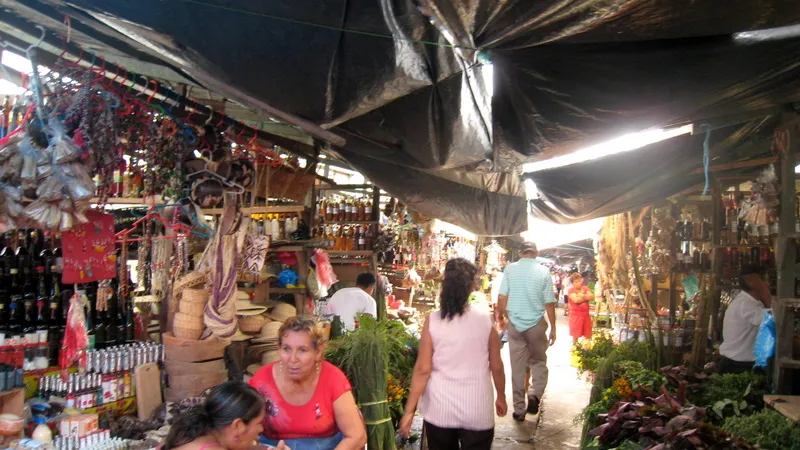
- Belén Market morning visit — Arrive by 6:30 AM for the full spectacle of Amazonian commerce: paiche fish the size of adults, jungle grubs, and the Pasaje Paquito passage of medicinal plants and remedies.
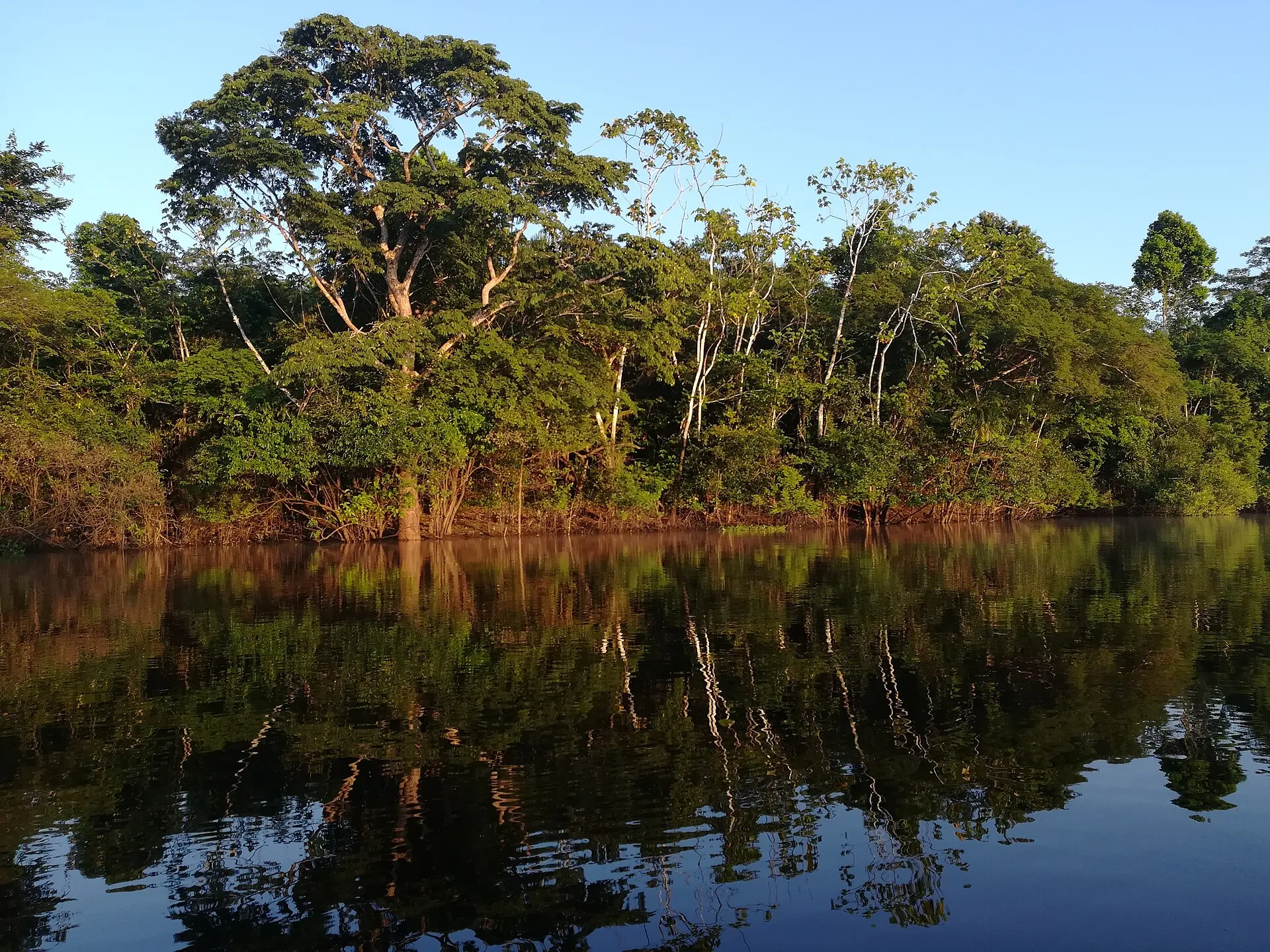
- Pacaya-Samiria by canoe — Paddle through flooded forest in the high-water season, when the water rises meters above the forest floor and you glide between treetops in Peru's largest protected wetland.
- Amazon river cruise — Board a multi-day vessel up the Amazon or Marañón for guided rainforest walks, night caiman-spotting, and clay-lick dawns where hundreds of macaws gather in a wall of colour and noise.
- Night jungle walk — Guided after-dark hikes reveal a completely different ecosystem: tree frogs, tarantulas, caimans with reflective eyes, and the cacophony of nocturnal insects.
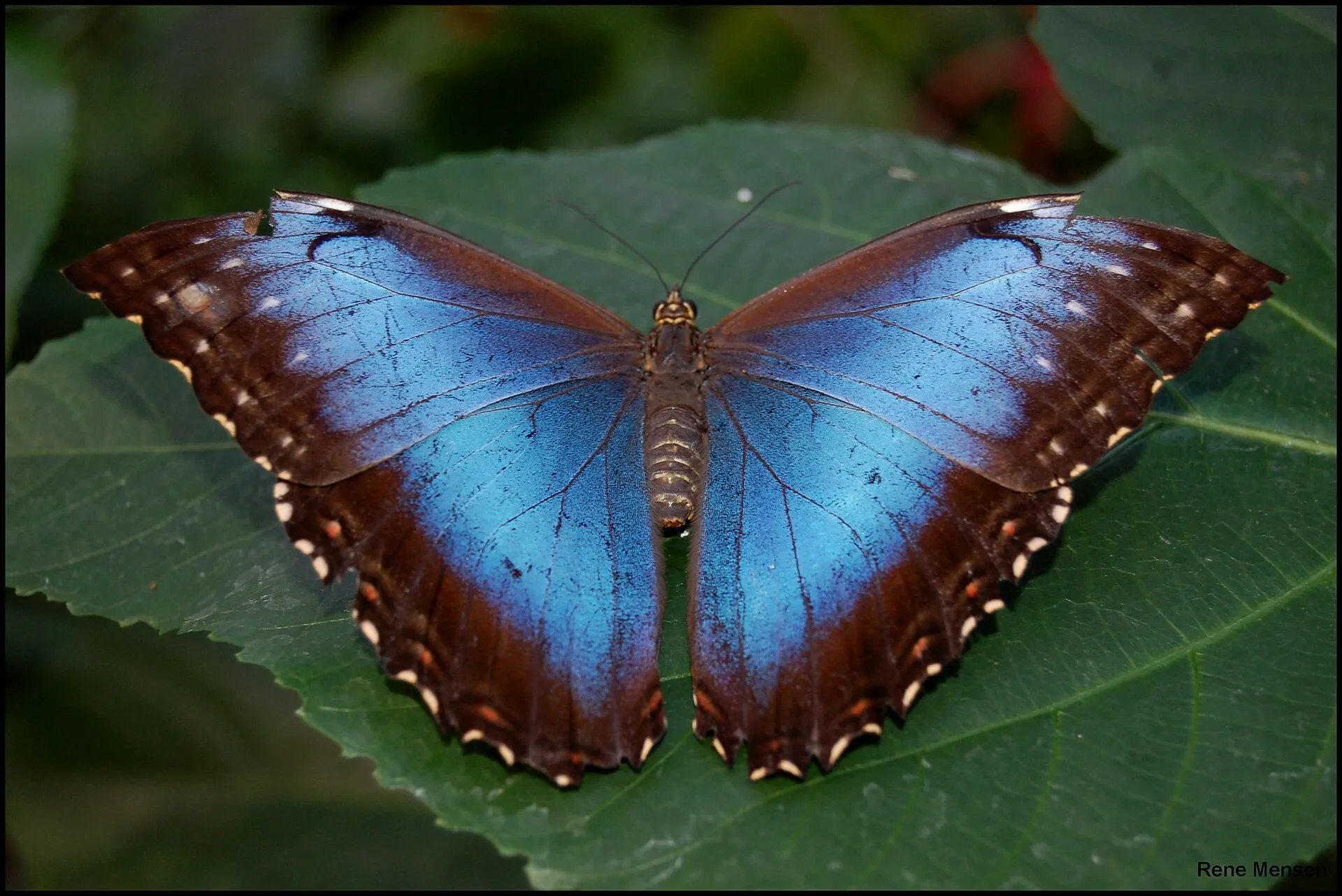
- Pilpintuwasi — Walk through an enclosed garden of iridescent blue morpho butterflies while learning about rescue efforts for orphaned jungle animals, including a rescued jaguar.
- Rubber-boom architecture — Stroll the Malecón and Plaza de Armas to see the azulejo-tiled mansions and the Iron House, the belle-époque legacy of the latex barons.
- Piranha fishing — A standard activity on Amazon tours that is more meditative than dangerous — catch-and-release with hand lines from a canoe.
Amazon River Cruises
Multi-day voyages into the lungs of the planet — where every tributary holds a new world
Belén Market
The Amazon's great bazaar — where the jungle's bounty pours onto market stalls each dawn
Pacaya-Samiria Reserve
Peru's largest national reserve — a flooded world of giant otters, pink dolphins, and untouched forest
Pilpintuwasi Butterfly Farm
Blue morphos, rescued jaguars, and a gentle introduction to the Amazon's astonishing biodiversity
Guide planning
How much does a tour guide cost in Iquitos?
| Tour Type | Price | Details |
|---|---|---|
| City + Belén Tour | S/40-80 | ~$11-22 per person |
| Day Trip to Jungle Lodge | S/150-350 | ~$40-95 including meals |
| 3-Day Amazon Cruise | S/1,500-4,000 | ~$400-1,080 all-inclusive |
| 5-Day Pacaya-Samiria | S/2,500-6,000 | ~$675-1,620 all-inclusive |
On an Amazon trip the guide is the experience, not an add-on: a trained naturalist spots wildlife invisible to untrained eyes, reads the river, and navigates tributaries that look like undifferentiated green walls. Prices are usually quoted per person and drop sharply for groups of four or more; multi-day cruises and reserve expeditions are all-inclusive (transport, meals, guide, and permits), while city and market tours are charged by the half-day. English-speaking naturalist guides cost more than Spanish-only guides but are worth arranging in advance, as Pacaya-Samiria and remote lodges have limited English capacity on the day.
Season planner
When is the best time to visit Iquitos?
Hot and humid year-round: Temperatures hover around 30°C daily, with humidity above 80%; pack light, breathable clothing and strong insect repellent. High-water season (December to May) is best for canoe trips through flooded forest and deeper Pacaya-Samiria access, when the rivers rise meters above the forest floor. Low-water season (June to November) exposes river beaches, concentrates wildlife around shrinking water sources, and opens up easier land trails — the reason July and August rate highest for wildlife-focused trips. For culture over wildlife, time your visit to the Fiesta de San Juan on 24 June, the Peruvian Amazon's biggest celebration, when the whole of Iquitos bathes in the rivers, shares juane, and fills the streets with music and processions in honour of Saint John the Baptist.
Spring
Mar-May
Summer
Jun-Aug
Autumn
Sep-Nov
Winter
Dec-Feb
Each score averages that season’s monthly ratings out of 5. The top-rated window is usually the peak season too, so read the guidance above for its trade-offs before you book.
On the ground
How do you get around Iquitos?
- No roads in — Fly from Lima (about 1h45) into Coronel FAP Francisco Secada Vignetta International Airport, or take a multi-day cargo boat from Pucallpa or Yurimaguas — most visitors fly. The only highway out of the city runs about 100 km south to Nauta on the Marañón and connects to nowhere else, which is why Iquitos remains road-isolated.
- Mototaxis rule the streets — Three-wheeled motocarros (mototaxis) are the city's dominant vehicle; private cars are rare. Short hops across the centre cost S/3-5 (~$1) — agree the fare before you climb in.
- River ports — Boats to the Nanay villages and Pilpintuwasi leave from Bellavista-Nanay on the northern edge of town, while cargo and cruise vessels use Puerto Masusa and the Productores wharf near Belén.
- Vaccinations — Yellow fever vaccination is recommended (and sometimes required for onward travel) — get it at least 10 days before you go. Consult a travel clinic first.
- Mosquito protection — Malaria exists in the region — take prophylaxis seriously, wear long sleeves at dawn and dusk, and use DEET-based repellent.
- Cash economy — ATMs exist in Iquitos centre but many jungle lodges and river communities deal in cash only — bring enough soles in small denominations for your entire trip.
Frequently Asked Questions
What is the best time to visit Iquitos?
Hot and humid year-round: Temperatures hover around 30°C daily, with humidity above 80%; pack light, breathable clothing and strong insect repellent.
How much does a tour guide cost in Iquitos?
City + Belén Tour: S/40-80 ($11-22 per person). Day Trip to Jungle Lodge: S/150-350 ($40-95 including meals). 3-Day Amazon Cruise: S/1,500-4,000 (~$400-1,080 all-inclusive).
How do you get around Iquitos?
No roads in: Fly from Lima (1h45) or take a multi-day cargo boat from Pucallpa or Yurimaguas — most visitors fly. Around town, three-wheeled mototaxis (motocarros) are the dominant transport, with short hops costing S/3-5.
What is Iquitos famous for?
Iquitos is the largest city on Earth with no road connection to the outside world and the capital of Loreto, Peru's biggest region. It is celebrated as the gateway to the Peruvian Amazon, for its faded rubber-boom mansions and Gustave Eiffel's Iron House on the Plaza de Armas, and for the floating Belén district known as the "Venice of the Amazon."
When is the Fiesta de San Juan in Iquitos?
The Fiesta de San Juan, the great festival of the Peruvian Amazon, peaks on 24 June in honour of Saint John the Baptist. Families gather at rivers and lakes to bathe and share juane — seasoned rice and chicken steamed in a bijao leaf — and Iquitos fills with music, processions, and food stalls for the days around it.