
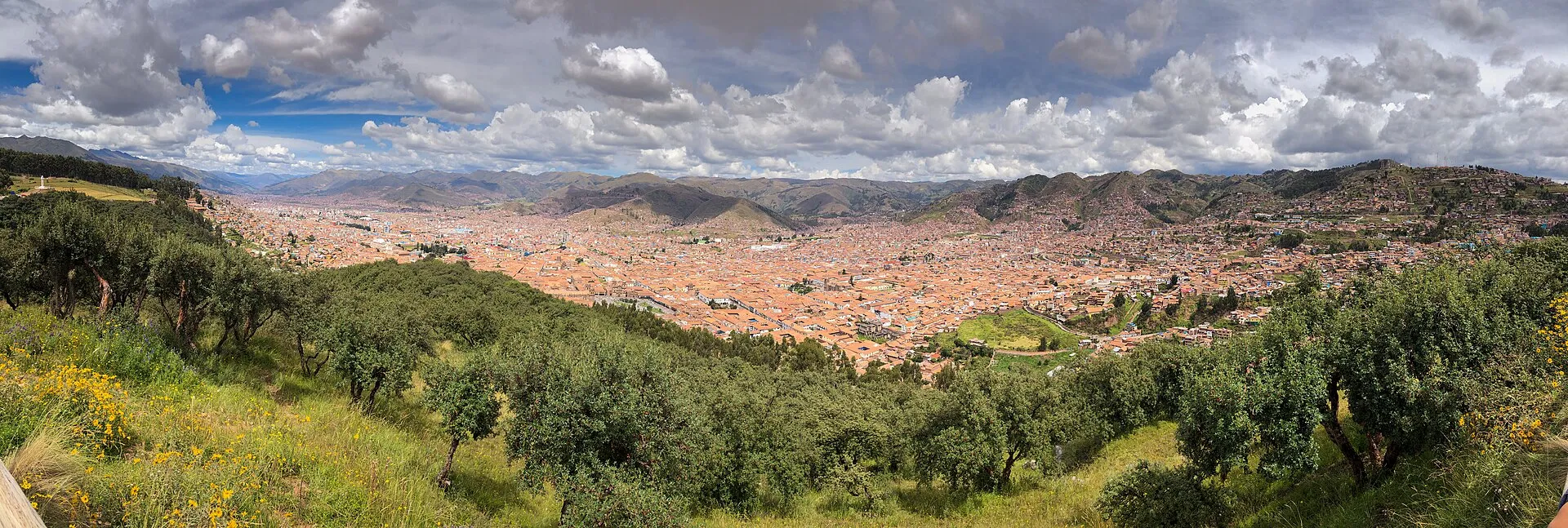
Cusco timeline
-
Inca capital rises
Cusco became the sacred and political center of the Inca world.
-
Spanish conquest
Spanish occupation layered churches and palaces over Inca foundations.
-
Túpac Amaru executed
The last Inca ruler was put to death on the Plaza de Armas, ending open Inca resistance.
-
Great earthquake
A devastating quake toppled much of the city, which was rebuilt in enduring Andean Baroque.
-
Cusco listed
UNESCO recognition protected the city's Inca and colonial urban fabric.
Cited city facts
Key facts for visiting Cusco
Cusco sits at 3,400 meters (11,150 ft) above sea level
At this altitude the air holds roughly 30% less oxygen than at sea level, which is why most visitors need a slow first day and lean on coca-leaf tea to acclimatise
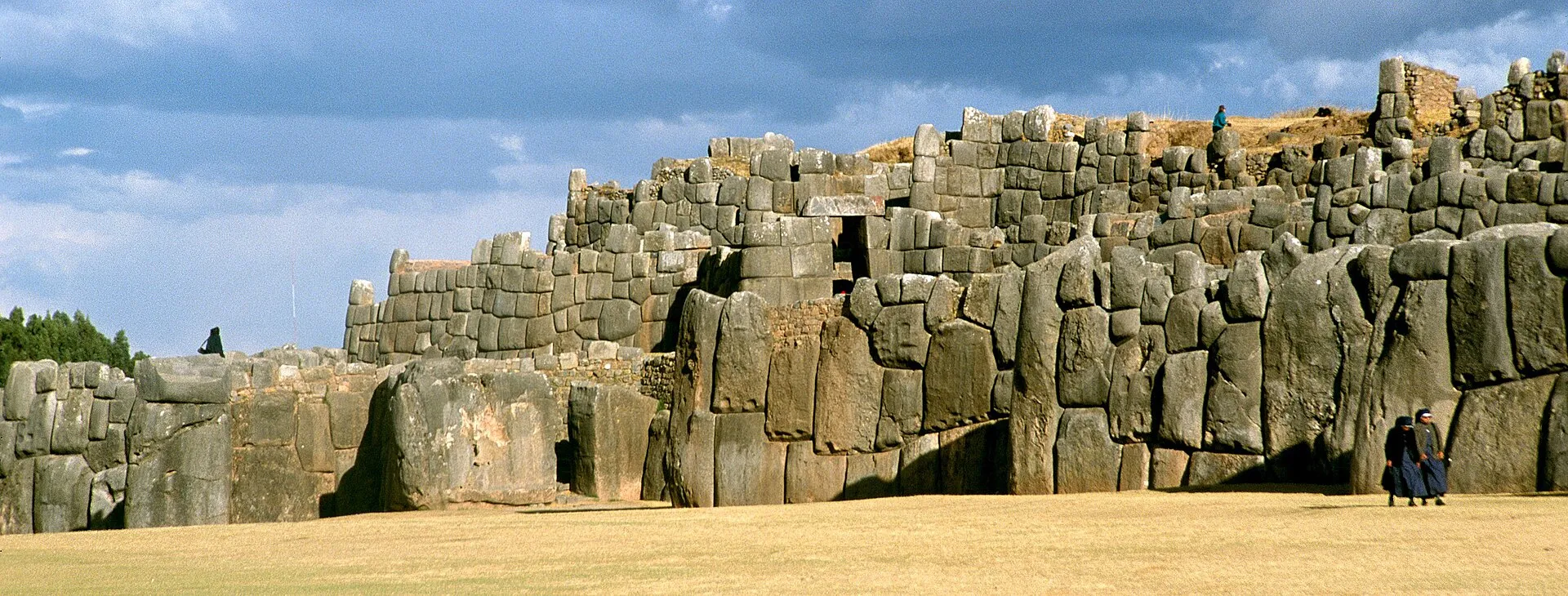
Sacsayhuamán's largest blocks weigh more than 100 tonnes
The zigzag fortress walls above the city were fitted without mortar or iron tools, the stones cut so precisely that a knife blade cannot pass between them
Machu Picchu limits daily entry to roughly 4,500 visitors
Peru enforces timed-entry circuits to protect the 15th-century citadel, and Inca Trail permits for the classic four-day trek sell out months in advance
The Boleto Turístico bundles 16 sites over 10 days for S/130
At around $35 it is Cusco's best-value ticket, covering Sacsayhuamán, Qenko, Pisac, Ollantaytambo, and 12 more archaeological sites and museums across the region
Cusco's historic centre has been UNESCO-listed since 1983
The inscription protects the "City of Cuzco," where Spanish colonial churches and mansions stand directly on the fitted stone foundations of the former Inca capital
Source: tour-guide.com — Free to cite with attribution
Things to see
What are the top attractions in Cusco?
- Sunrise at Machu Picchu — Arrive on the first bus from Aguas Calientes to watch the mist lift off the citadel as the sun crests the eastern ridge.
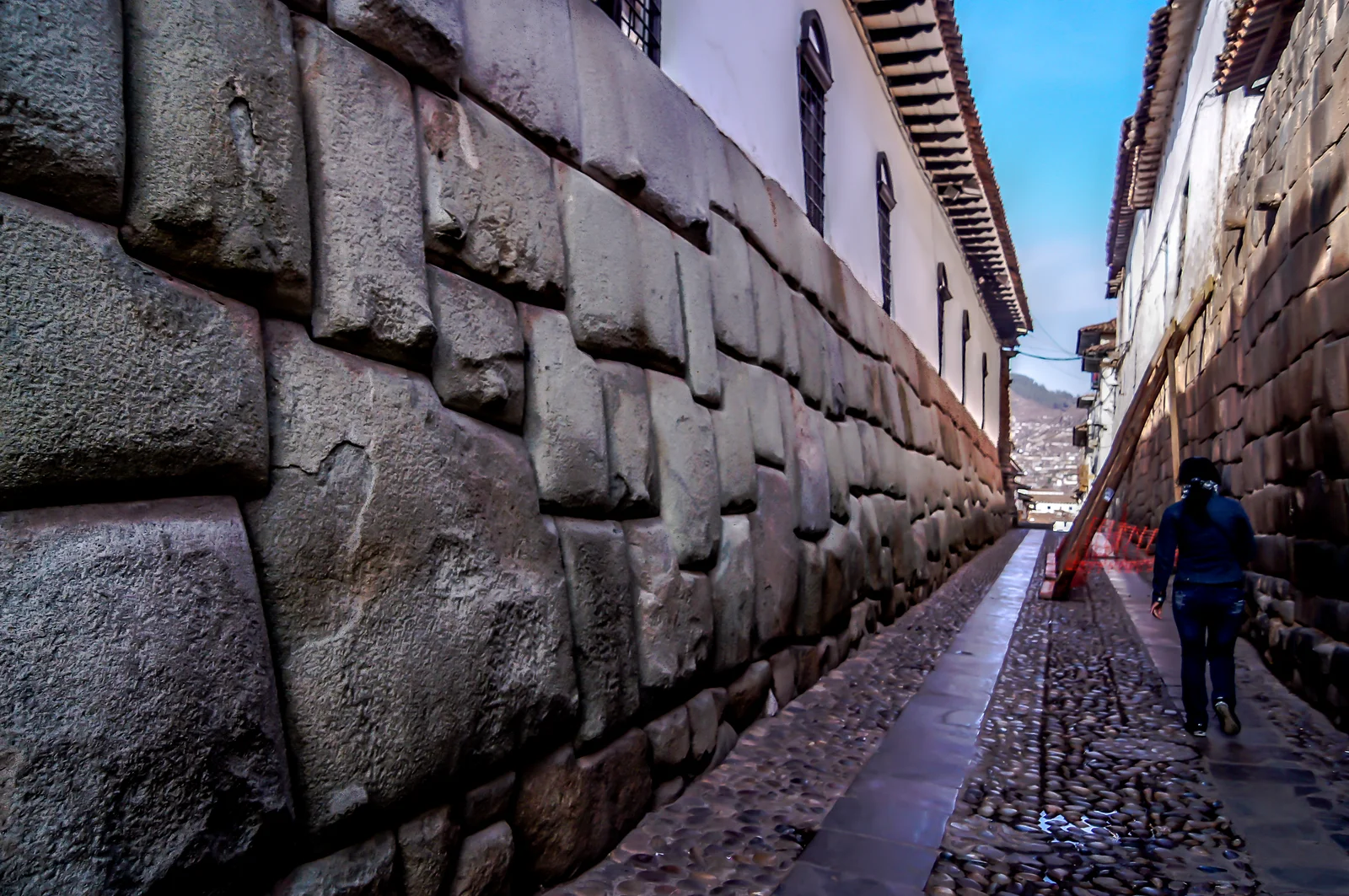
- Twelve-Angle Stone — On Calle Hatun Rumiyoc, this perfectly fitted Inca stone with twelve angles and no mortar symbolizes the precision of Inca masonry.
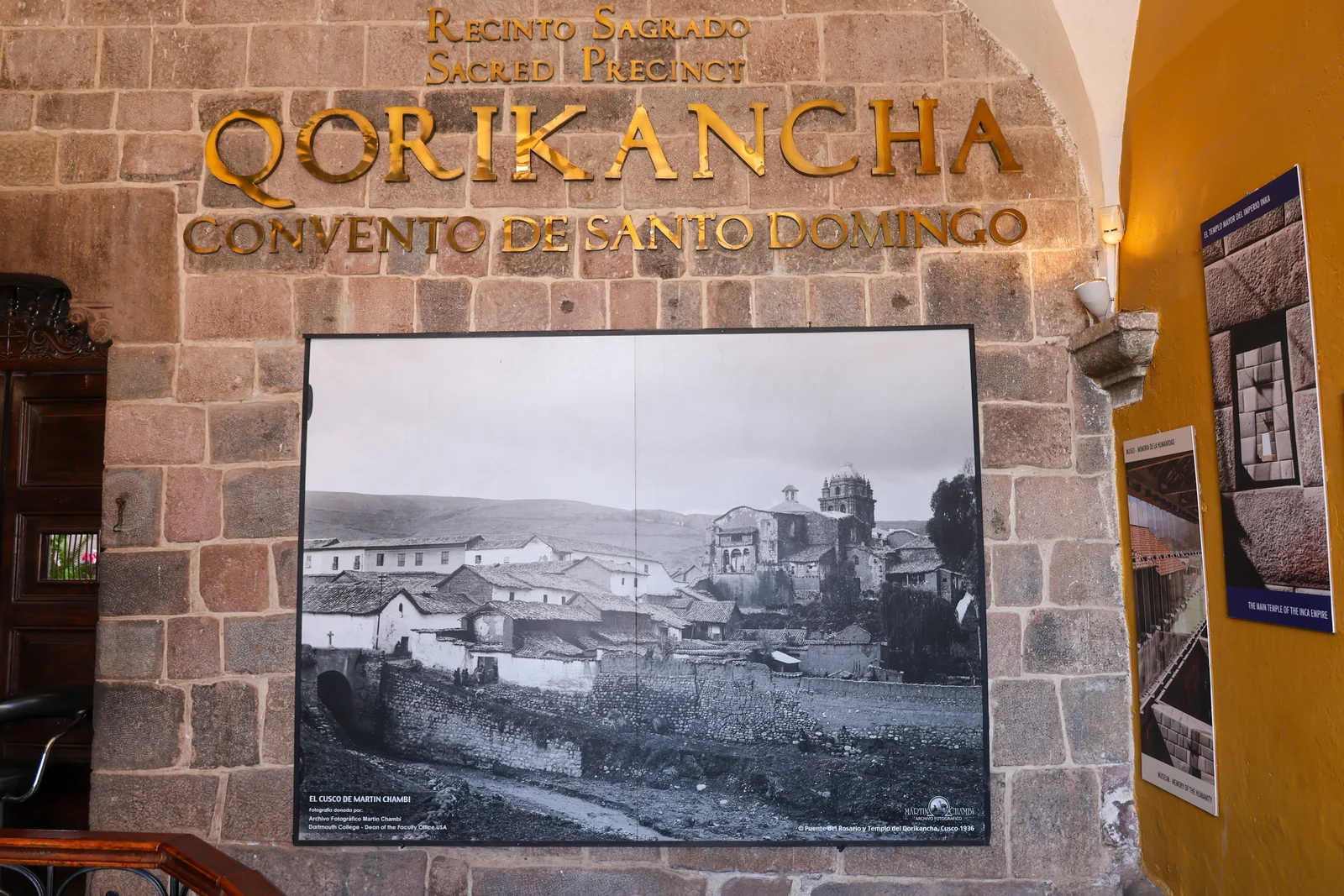
- Qorikancha (Temple of the Sun) — The Inca empire's holiest temple, a few blocks downhill from the Plaza de Armas, its curved stonework now cradling the colonial church of Santo Domingo — the clearest lesson in how Cusco was built layer on layer.
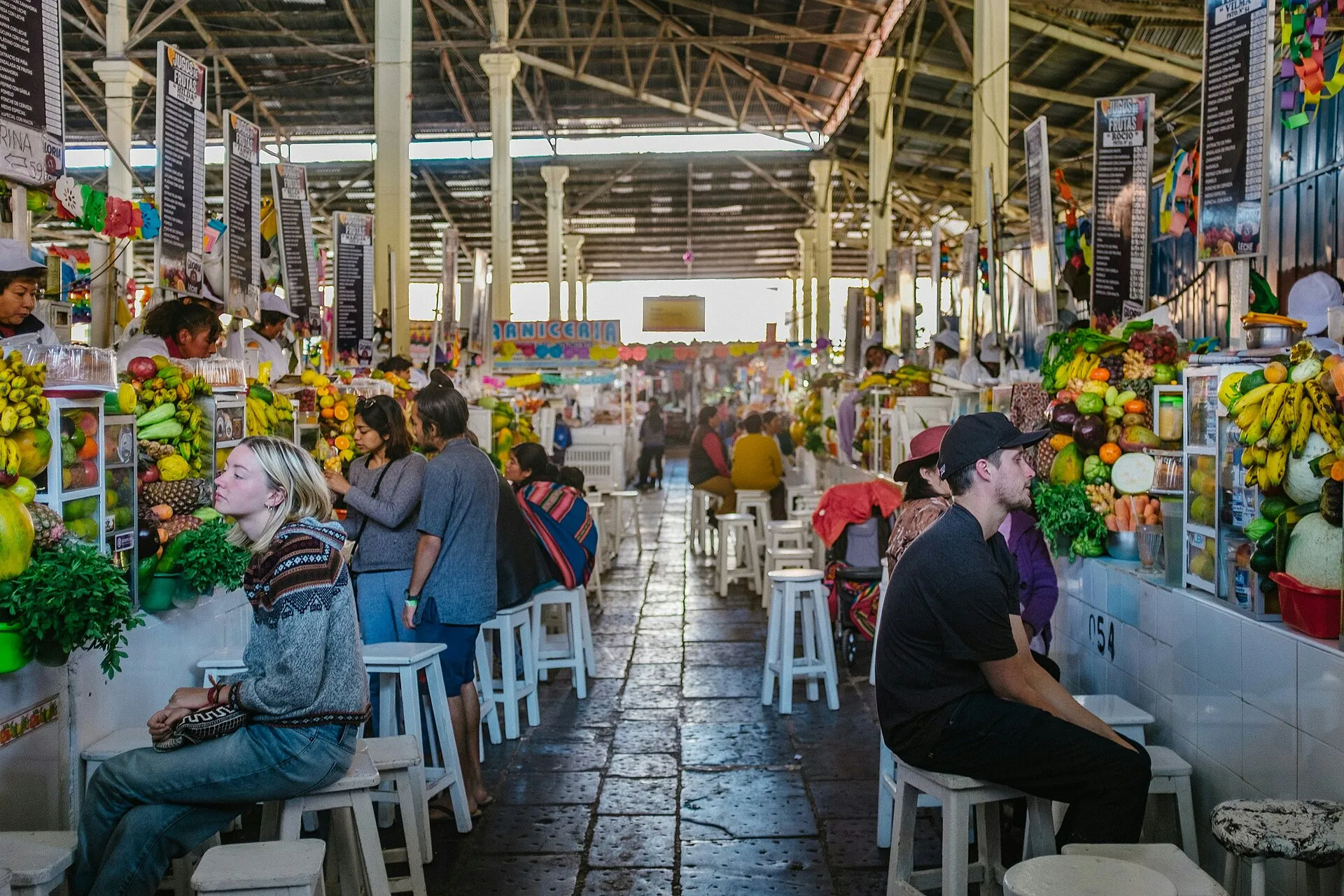
- San Pedro Market breakfast — A bowl of freshly made quinoa soup with bread for under S/8 (~$2) — the most authentic Cusqueño meal you'll eat.
- Moray terraces — Concentric circular terraces in the Sacred Valley that the Inca likely used as an agricultural laboratory.
- San Blas artisan quarter — Steep whitewashed lanes above the centre, home to weavers, woodcarvers, and silversmiths, with an intricately carved pulpit inside its tiny adobe church.
- Textile cooperatives — Visit a weaving community in the Sacred Valley where women demonstrate techniques passed down for generations using natural dyes.
- Plaza de Armas after dark — The Cathedral and church façades glow golden against the night sky, and the balcony restaurants serve pisco sours with the view.
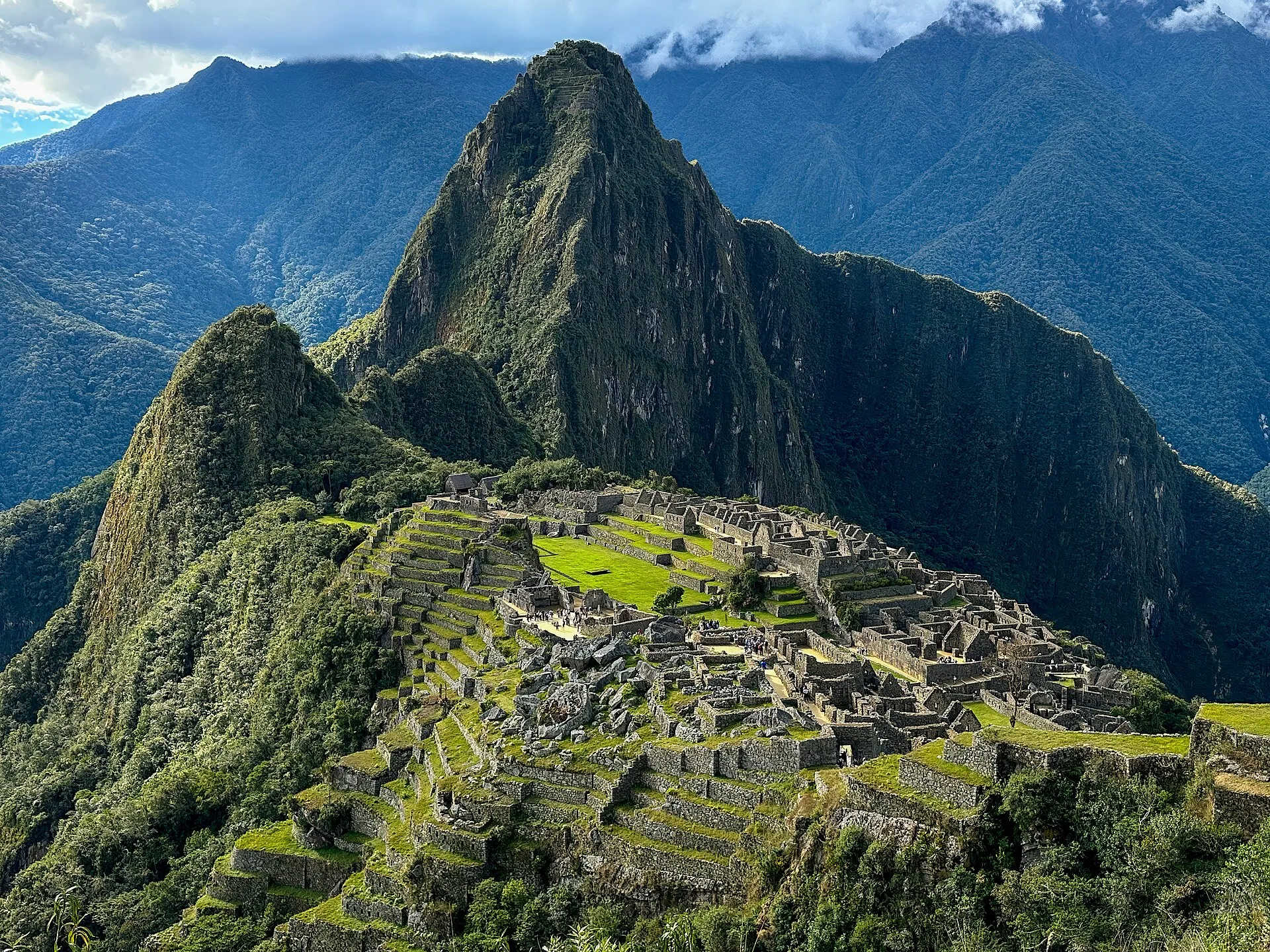
Machu Picchu
The cloud-wrapped Inca citadel that rewrites everything you thought you knew about the ancient Americas
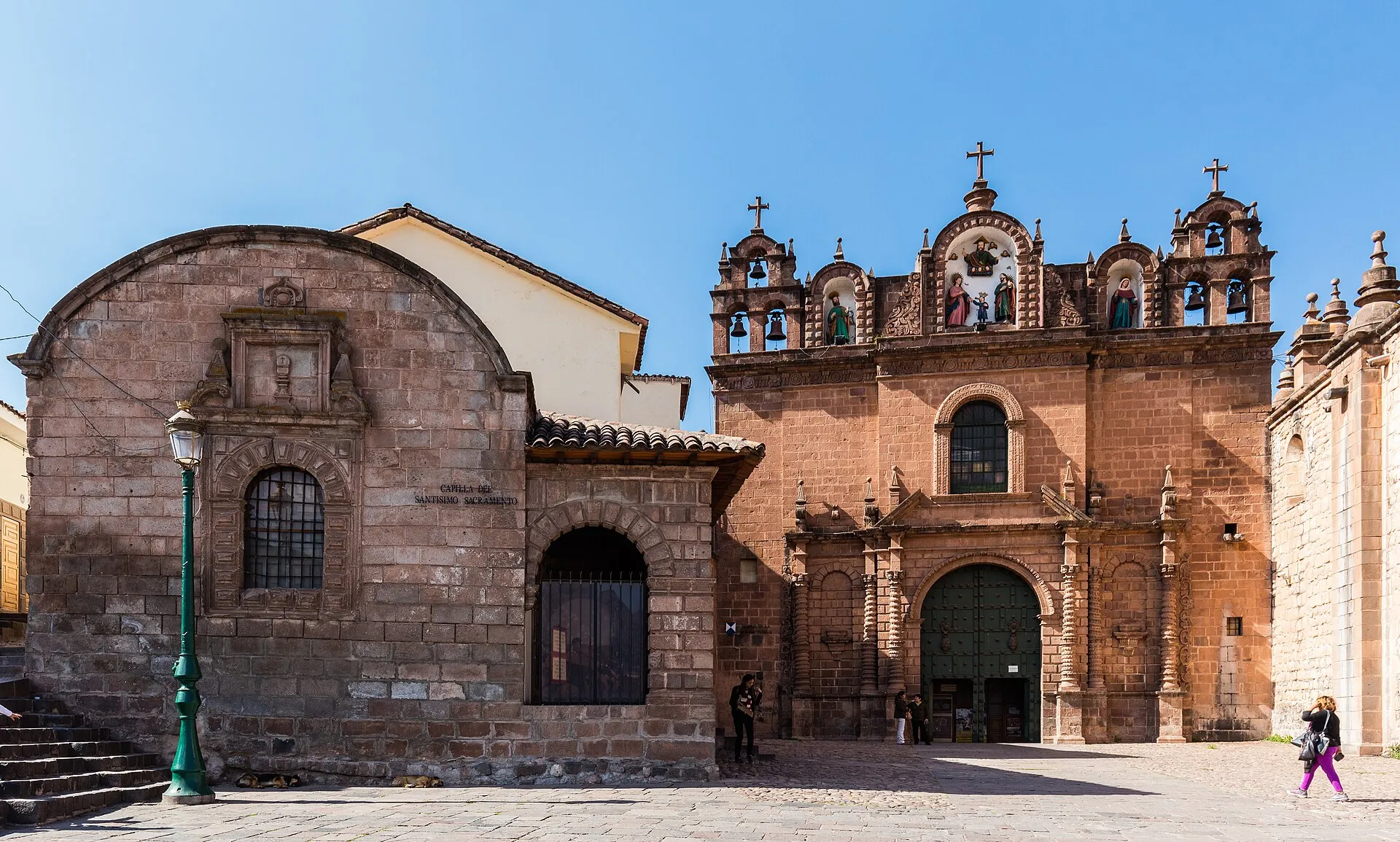
Plaza de Armas & Cathedral
The heartbeat of Cusco — where Inca ceremonial ground meets colonial baroque splendor
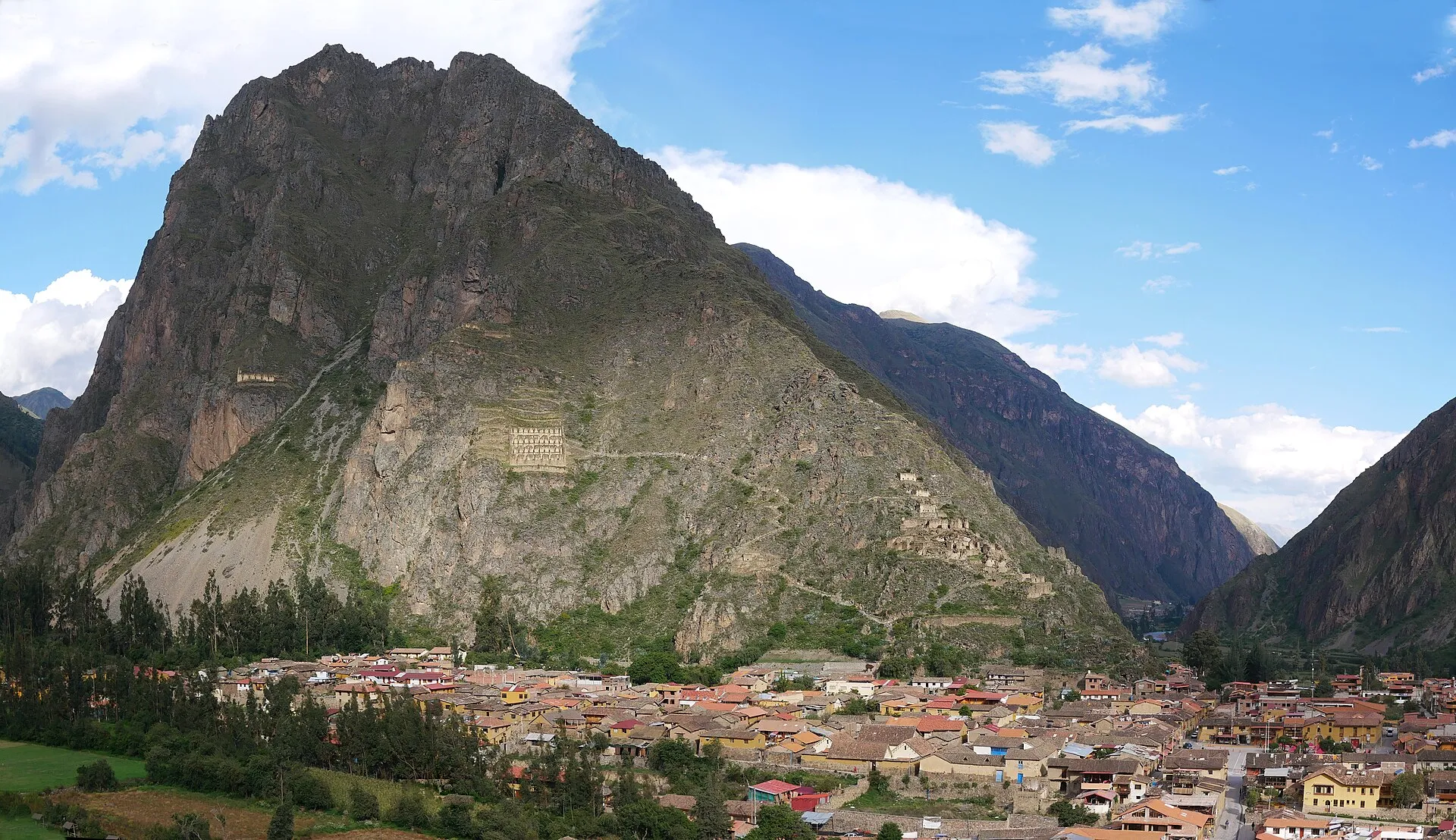
Sacred Valley
The fertile Inca breadbasket — terraced hillsides, fortress towns, and the road to Machu Picchu
Sacsayhuamán
Where 100-tonne stones fit together so precisely that not even a razor blade can slip between them
San Pedro Market
Cusco's gastronomic nerve centre — where the Andes meet your plate
Guide planning
How much does a tour guide cost in Cusco?
| Tour Type | Price | Details |
|---|---|---|
| City Walking Tour | S/40-80 | ~$11-22 per person |
| Machu Picchu Day Trip | S/400-800 | ~$108-216 with train + entry |
| Sacred Valley Full Day | S/150-350 | ~$40-95 with transport |
| 4-Day Inca Trail | S/1,500-3,500 | ~$400-950 all-inclusive |
Season planner
When is the best time to visit Cusco?
Book Machu Picchu and Inca Trail permits early: daily caps mean tickets sell out months ahead, especially June through August. The dry season (May-October) brings cold, brilliant nights and clear days ideal for trekking; the rainy season (November-March) means afternoon downpours but greener hillsides, thinner crowds, and lower prices. The classic Inca Trail closes every February for maintenance.
Cusco keeps one of the richest festival calendars in the Andes, and timing a visit to one transforms the trip:
- Carnival (February) — Water fights, dancing, and yunza tree ceremonies fill the plazas in the weeks before Lent.
- Señor de los Temblores (Easter Monday) — The "Lord of the Earthquakes" procession, born after the 1650 quake, carries a blackened crucifix through streets showered with red ñucchu petals.
- Corpus Christi (late May/June) — Fifteen saints and virgins are paraded to the Cathedral in one of the city's most spectacular Catholic-Andean fusions.
- Inti Raymi (24 June) — The Inca Festival of the Sun, re-enacted before thousands at Sacsayhuamán, is the highlight of the year and the reason June rooms book out first.
- Fiestas Patrias (28-29 July) — Peru's independence holidays bring parades and a surge of domestic visitors.
Spring
Mar-May
Summer
Jun-Aug
Autumn
Sep-Nov
Winter
Dec-Feb
Each score averages that season’s monthly ratings out of 5. The top-rated window is usually the peak season too, so read the guidance above for its trade-offs before you book.
On the ground
How do you get around Cusco?
- Fly in, then rest — Lima to Cusco is a ~1h 20m flight into Alejandro Velasco Astete airport, the busiest domestic hub in the southern Andes — but because you land straight at 3,400 m, keep your first day gentle, drink coca tea, and skip alcohol until you feel adjusted.
- Or acclimatise lower first — Sleeping your opening night in the Sacred Valley (around 2,800 m) is easier on the body than Cusco itself and shortens the Machu Picchu train the next morning.
- Boleto Turístico — The S/130 tourist ticket covers 16 sites over 10 days — Sacsayhuamán, Qenko, Tambomachay, Sacred Valley ruins like Pisac and Ollantaytambo, and more — so buy it on day one.
- Walk the centre, ride the hills — The historic core is compact but its cobbled slopes are punishing at altitude; combi minibuses and cheap, abundant taxis cover the longer or steeper trips for a few soles.
- Train to Machu Picchu — PeruRail and Inca Rail run from Poroy (near Cusco) or, for a shorter ride and more valley time, from Ollantaytambo to Aguas Calientes, while colectivo shared vans link Cusco to Sacred Valley towns like Pisac and Ollantaytambo.
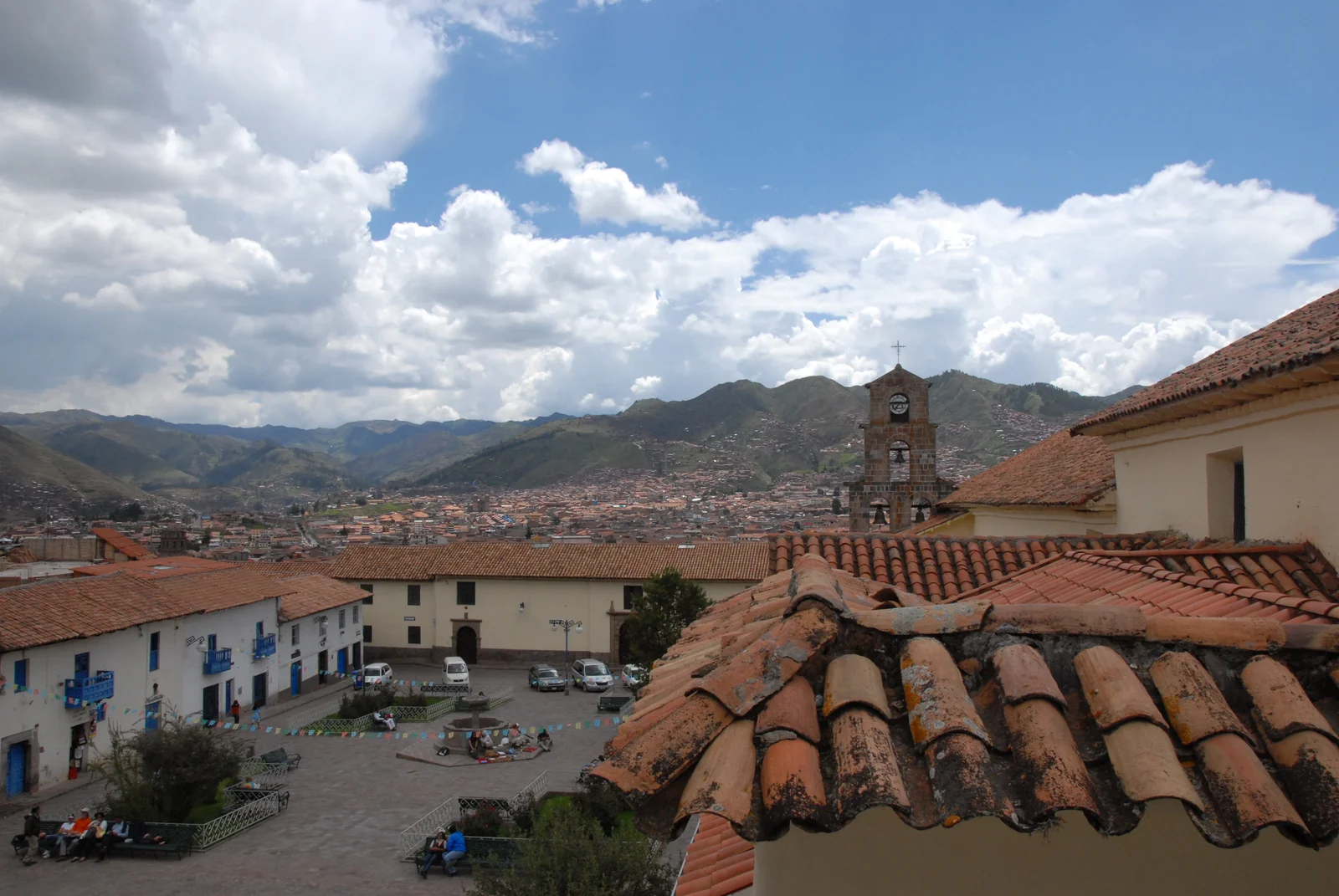
Cusco in Pictures
Frequently Asked Questions
What is the best time to visit Cusco?
The dry season from May to October is ideal for trekking and clear skies, with June through August being peak tourist season. The rainy season (November-March) brings afternoon downpours but fewer crowds, greener landscapes, and lower prices.
How much does a tour guide cost in Cusco?
City Walking Tour: S/40-80 ($11-22 per person). Machu Picchu Day Trip: S/400-800 ($108-216 with train + entry). Sacred Valley Full Day: S/150-350 (~$40-95 with transport).
How do you get around Cusco?
The historic centre is compact and walkable, though the steep cobblestone streets at 3,400m altitude require a slow pace. Combi minibuses run fixed routes around the city for just a few soles, taxis are affordable and abundant, and colectivos (shared vans) connect Cusco to Sacred Valley towns like Pisac and Ollantaytambo.
How many days should you spend in Cusco?
Plan at least three to four days, and five or more if you want to slow down. Give your first day to gentle acclimatisation in the city — the Plaza de Armas, San Pedro Market, and a short climb to Sacsayhuamán — then dedicate a full day each to the Sacred Valley and Machu Picchu. Trekkers on the classic Inca Trail should budget four extra days.
How do you cope with the altitude in Cusco?
Cusco sits at 3,400 metres, high enough that many visitors feel headaches, breathlessness, or broken sleep for a day or two. Rest on arrival, drink plenty of water and mate de coca, eat lightly, and skip alcohol until you adjust; pharmacies sell soroche tablets and many hotels keep oxygen on hand. Arriving via Lima or spending your first night lower in the Sacred Valley both ease the transition.