
Trails
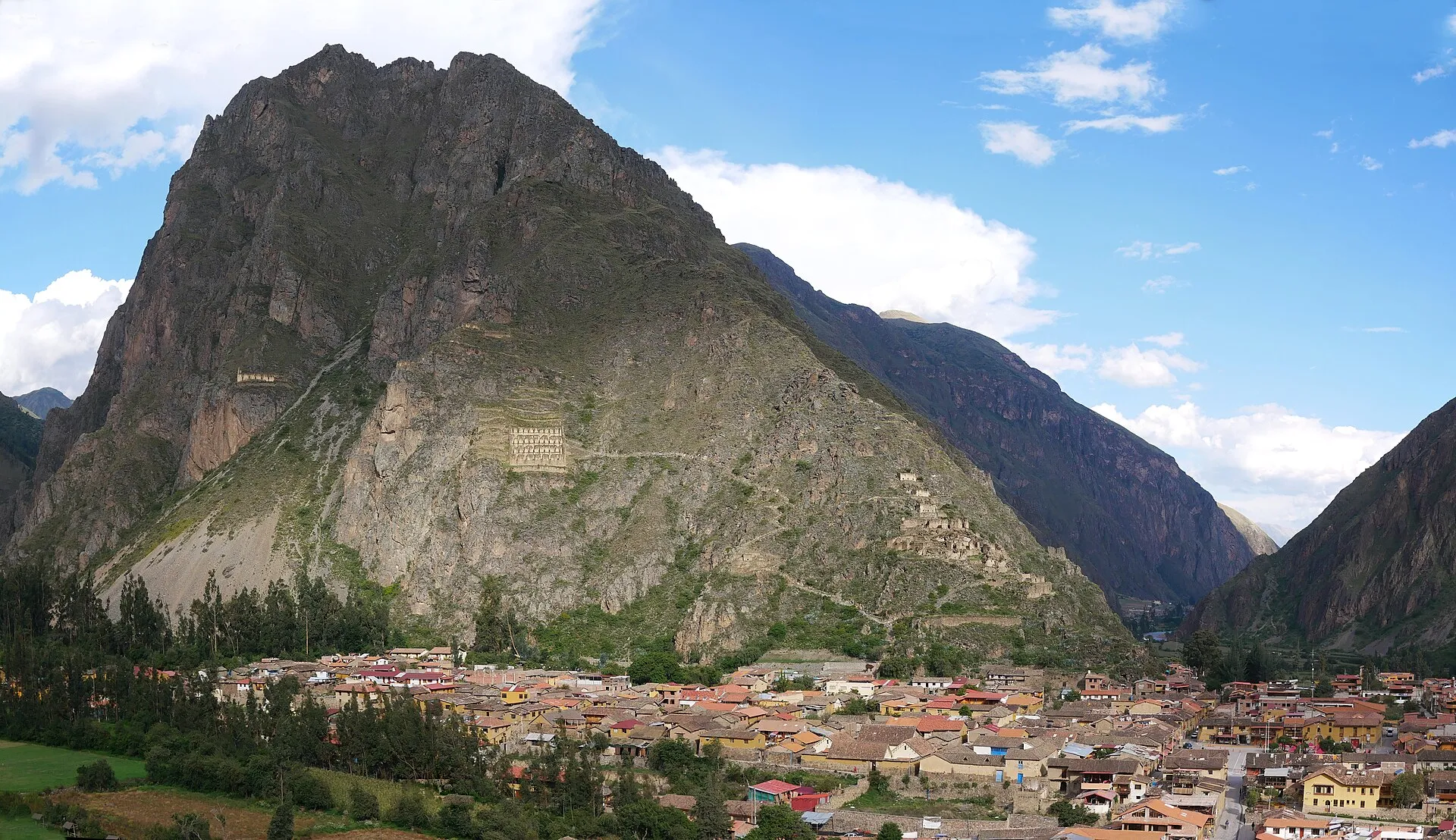
Ollantaytambo fortress: Massive stone terraces rise steeply above the town — the site of a rare Inca military victory over the Spanish, with unfinished temple stones abandoned mid-construction. Moray terraces: Concentric circular depressions descending 30 meters, each level creating a distinct microclimate — an Inca agricultural research station. Maras salt mines: Thousands of shallow pools cascading down a pink-tinged hillside, harvested for salt since pre-Inca times and still worked by local families today. Pisac citadel: Perched high above the market town, with terraces, temples, and the largest known Inca cemetery — a 90-minute hike or a short drive up. Chinchero textiles: A village weaving cooperative where women demonstrate backstrap loom techniques using natural dyes — one of the most authentic cultural experiences in the valley. Train to Machu Picchu: Ollantaytambo is the main departure point for Machu Picchu trains — end your Sacred Valley day here and catch the morning train.
Wildlife
The Sacred Valley's lower elevation and fertile riverbanks create habitat for Andean bird species that are less common in the higher altitudes around Cusco. Look for the Andean motmot — a striking turquoise-and-rufous bird — along the tree-lined stretches of the Urubamba River near Ollantaytambo. Black-chested buzzard-eagles and American kestrels soar over the fortress ruins, and the Pisac cliffs provide nesting sites for Andean swifts and the occasional peregrine falcon. In the irrigated fields along the valley floor, cattle egrets and Andean ibis forage among the crops, while hummingbirds — including the giant hummingbird, the world's largest — visit the flowering gardens of the valley's hotels and cooperatives. Viscachas (Andean chinchilla relatives) sun themselves on the rocks at Ollantaytambo and Pisac, and are easiest to spot in the early morning. The drive between sites passes through eucalyptus groves and native queñua forest where mixed flocks of tanagers, flycatchers, and furnariids move through the canopy.
When to Visit
Ruins: Generally 7 AM - 5:30 PM daily. Pisac market: Daily, but the famous artisan market is largest on Tuesday, Thursday, and Sunday. Best: Start early (7-8 AM from Cusco) to reach Pisac before the tour bus crowds. Duration: Full-day trip minimum; two days allows a more relaxed pace.
Admission and Costs
Boleto Turístico: S/130 ($35) covers Pisac ruins, Ollantaytambo, Moray, and 13 other sites for 10 days. Maras salt mines: S/10 ($2.70) separate entry. Group Sacred Valley tour: S/80-150 ($22-40) per person including transport and guide. Private full-day guide + vehicle: S/300-600 ($80-162) for flexible routing at your own pace. Textile cooperative visit: Free to visit; handwoven products available for purchase directly from artisans.
The Case for a Guide
The Sacred Valley reads as pretty scenery and photogenic stonework on your own; a DIRCETUR-licensed guide turns it into a lesson in how the Inca engineered an entire agricultural economy out of a mountain valley. The sites are spread over 60 kilometres with little on-site signage, so a guide also solves the day's hardest logistical problem — sequencing Pisac, Moray, Maras, and Ollantaytambo so you beat the tour-bus waves rather than arriving with them.
- 🌡️ Moray's microclimate experiment: A guide explains why the temperature between the top and bottom of the concentric terraces can differ by as much as 15°C — the leading theory being that the Inca used each ring as a controlled plot to acclimatise crops brought up from lower, warmer elevations. You stand at the rim seeing circles in the ground; the explanation is what makes them extraordinary.
- 🧂 The Maras salt cooperative: The thousands of pink-white evaporation pools are fed by the subterranean Qoripujio spring and worked under a centuries-old communal system in which each family inherits and maintains its own pans. A local guide can explain how the ownership and harvest cycle works — context you cannot read off the hillside.
- 🏘️ Ollantaytambo's living Inca town: The grid of canchas (walled compounds) and the stone water channels still running down the streets are original Inca urban planning, inhabited continuously for over 700 years. Guides point out the half-finished Wall of the Six Monoliths on the temple hill — abandoned mid-construction — and the terraces from which Manco Inca repelled a Spanish cavalry charge in 1537, one of the Inca's few battlefield victories.
- ⚰️ Pisac's cliff cemetery and Intihuatana: Above the market town, guides lead you past agricultural terraces to the citadel's ceremonial Intihuatana stone and point out the honeycomb of tombs cut into the facing cliff — one of the largest known Inca cemeteries, invisible as anything but holes in the rock without someone to interpret it.
- 🧵 Chinchero's natural-dye weaving: At the valley's weaving cooperatives a guide helps you follow a demonstration of the backstrap loom and the natural dyes — the crimson from crushed cochineal insects, the mordants that fix the colour — so a textile stall becomes a window onto a craft tradition older than the Spanish arrival.
Tips for Visitors
Buy the Boleto Turístico: The S/130 ticket covers all major Sacred Valley ruins plus Cusco sites — buy it before you leave Cusco. Lower altitude: At 2,800m, the valley floor is 600m lower than Cusco — many travelers acclimatize here before ascending to the city. Pisac on market days: Tuesday, Thursday, and Sunday see the full artisan market; other days are smaller but less crowded. Stay in Ollantaytambo: Sleeping in the living Inca town lets you explore the fortress at dawn before the day-trippers arrive, and shortens the Machu Picchu train journey. Bring layers: Valley temperatures swing from warm midday sun to chilly shade within minutes — dress in removable layers. Private vs. group tour: Group tours follow a fixed itinerary; a private guide lets you spend more time at the sites that interest you most.
Frequently Asked Questions
What are the hours and best times to visit Sacred Valley sites?
Ruins: Generally 7 AM - 5:30 PM daily. Pisac market: Daily, but the famous artisan market is largest on Tuesday, Thursday, and Sunday. Best: Start early (7-8 AM from Cusco) to reach Pisac before the tour bus crowds.
How much does it cost to access Sacred Valley?
Boleto Turístico: S/130 ($35) covers Pisac ruins, Ollantaytambo, Moray, and 13 other sites for 10 days. Maras salt mines: S/10 ($2.70) separate entry. Group Sacred Valley tour: S/80-150 (~$22-40) per person including transport and guide.
Can you see the Sacred Valley in one day?
Yes — a standard full-day circuit from Cusco covers Pisac, Moray, the Maras salt mines, and Ollantaytambo, usually finishing around 6 PM. It is a long day with a lot of driving, though. Staying a night in Ollantaytambo or Urubamba lets you reach the ruins before the tour buses and explore at a calmer pace.
Should I visit the Sacred Valley before or after Machu Picchu?
Before. The valley floor sits around 2,800 m — roughly 600 m lower than Cusco — so spending your first night here is an easier place to acclimatise than the city, and Ollantaytambo is the main departure point for the Machu Picchu train. A common plan is one or two days in the Sacred Valley, then the train onward to Machu Picchu.