
Walking Routes
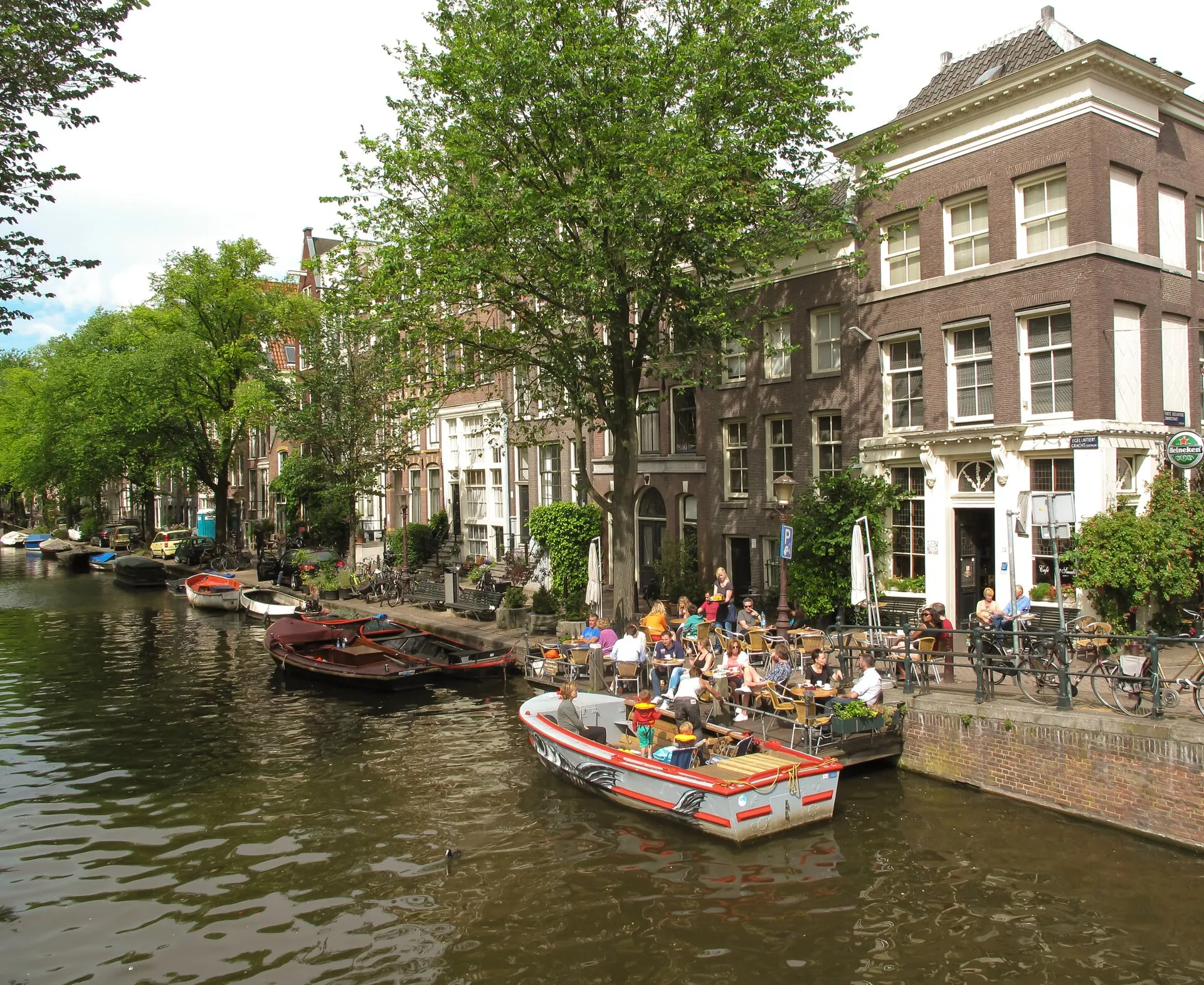
Hofjes (Courtyard Gardens): Hidden behind anonymous street doors, these 17th-century almshouse courtyards — Karthuizerhof, Claes Claeszhofje, Sint-Andrieshofje — offer green serenity steps from busy streets. Brown Cafes: Cafe 't Smalle (1786), Cafe Papeneiland (1642), and Cafe Chris (1624, where Westerkerk builders were paid their wages) serve beer in genuinely historic settings. Noordermarkt: The Saturday organic market around the Noorderkerk sells Dutch farmhouse cheese, fresh bread, wild mushrooms, and local produce in a square that's hosted markets since 1627. Gallery District: The streets between Prinsengracht and Lijnbaansgracht concentrate independent contemporary art galleries, photography studios, and design shops. Street Music Heritage: The Jordaan produced Amsterdam's sentimental folk music tradition — barrel organs still play on corners, and cafes occasionally host live Jordaan music evenings.
Local Life
The Jordaan's brown cafes remain the neighborhood's social anchors — Cafe 't Smalle's canalside terrace, Cafe Papeneiland's apple pie, and Cafe Chris's unpretentious local crowd offer windows into daily Amsterdam life that tourist-oriented bars cannot replicate. Saturday mornings at the Noordermarkt farmers' market draw residents who greet vendors by name, sampling aged Gouda and fresh stroopwafels while debating the week's produce. Independent shopkeepers along Hazenstraat and Tichelstraat curate vintage clothing, handmade ceramics, and specialty cheese — the kind of one-owner businesses that gentrification has pushed out of most European capitals but that the Jordaan's narrow storefronts still protect. A guide who lives in or near the neighborhood introduces you to the people behind these businesses, explains the subtle social codes of hofje visiting, and shares neighborhood lore — from the 1934 Jordaan riots over unemployment benefits to the annual Jordaan Festival of folk music that keeps the old traditions alive.
When to Visit
Access: Public streets — always open. Best: Saturday mornings for the Noordermarkt organic farmers' market (9:00-16:00); weekday mornings for quiet gallery browsing. Monday market: Westerstraat textile and vintage market (9:00-13:00). Galleries: Most open Tuesday-Saturday, 11:00-18:00. Hofjes: Typically open during daylight hours; respect residents' privacy and posted visiting hours.
Admission and Costs
Neighborhood access: Free — it's a public residential area. Guided Jordaan walking tours: €15-25 per person for group tours (2 hours); €120-180 for private tours. Brown cafe experience: Beer €4-6, borrelplankje (Dutch snack platter) €8-14. Gallery visits: Most galleries are free to enter.
Tips for Visitors
Get lost deliberately: The Jordaan rewards wandering without a map. Follow the cross-streets between Prinsengracht and Lijnbaansgracht, ducking into any open courtyard door or intriguing side passage. Hofje etiquette: These are private residential courtyards. Enter quietly, keep voices low, don't photograph residents' homes, and leave if signs indicate the courtyard is closed. Saturday morning routine: Start with the Noordermarkt farmers' market, grab apple pie at Winkel 43 (arrive before the queue builds), then wander south through the galleries. Combine with Anne Frank House: The museum sits on Prinsengracht at the Jordaan's edge — a natural pairing with a neighborhood walking tour. Evening atmosphere: The Jordaan is best experienced after dark when brown cafes glow amber, restaurants fill narrow streets with conversation, and the canal bridges light up. Nine Streets (De Negen Straatjes): Just south of the Jordaan proper, these nine cross-streets connecting the main canals concentrate vintage shops, independent boutiques, and specialty food stores.
Frequently Asked Questions
When is the best season to explore Amsterdam's Jordaan neighborhood?
May through August is the golden window, when long Dutch summer days let you linger at canalside cafe terraces until 10 PM and the hofje courtyard gardens are in full bloom. King's Day on April 27 transforms the Jordaan into Amsterdam's biggest outdoor party. Winter months from November through February bring short days, cold rain, and limited outdoor terrace seating, though the amber glow of brown cafes makes the neighborhood cozy in its own way, especially during the December holiday markets.
What are the best days and access hours for exploring Jordaan?
Access: Public streets — always open. Best: Saturday mornings for the Noordermarkt organic farmers' market (9:00-16:00); weekday mornings for quiet gallery browsing. Monday market: Westerstraat textile and vintage market (9:00-13:00).
How much should visitors budget for Jordaan?
Neighborhood access: Free — it's a public residential area. Guided Jordaan walking tours: €15-25 per person for group tours (2 hours); €120-180 for private tours. Brown café experience: Beer €4-6, borrelplankje (Dutch snack platter) €8-14.
What is the best way to explore the Jordaan neighborhood on your own?
Get lost deliberately: The Jordaan rewards wandering without a map. Follow the cross-streets between Prinsengracht and Lijnbaansgracht, ducking into any open courtyard door or intriguing side passage.