
Observation Spots
Formation
Isla Mujeres is a sliver of the Yucatán carbonate platform — the vast, flat shelf of ancient limestone that underlies the whole peninsula. The island is essentially fossilised reef and wind-blown marine sand cemented into rock, with no rivers, no hills, and no volcanic bones; its highest ground is the modest rise at Punta Sur, unusual on a coast otherwise as flat as a table.
That geology shapes almost everything a visitor notices:
- A sheltered west, a wild east. The island sits just inside the northern reach of the Mesoamerican Barrier Reef, the second-largest reef system on Earth. The reef and the island's own bulk break the open-sea swell, leaving the western lagoon at Playa Norte calm and shallow while the exposed eastern shore takes the full Caribbean surf against its low cliffs.
- Sand made by life, not rock. The powder-white beach is calcium carbonate — the ground-down skeletons of coral and shelled sea creatures — which reflects sunlight and keeps the sand cool even at midday.
- Cliffs on a flat coast. The limestone bluffs at Punta Sur are among the few true cliffs on the Mexican Caribbean, which is why the Maya chose the point for a temple and lookout and why it now anchors an open-air sculpture park.
A guide who knows the geology can explain why the snorkelling here is so clear — limestone filters the water and there is no river silt — and how the same porous rock riddles the mainland with the cenotes of the interior.
Trails
The island packs a surprising number of distinct stops into its 7-kilometre length, each worth building part of the day around:
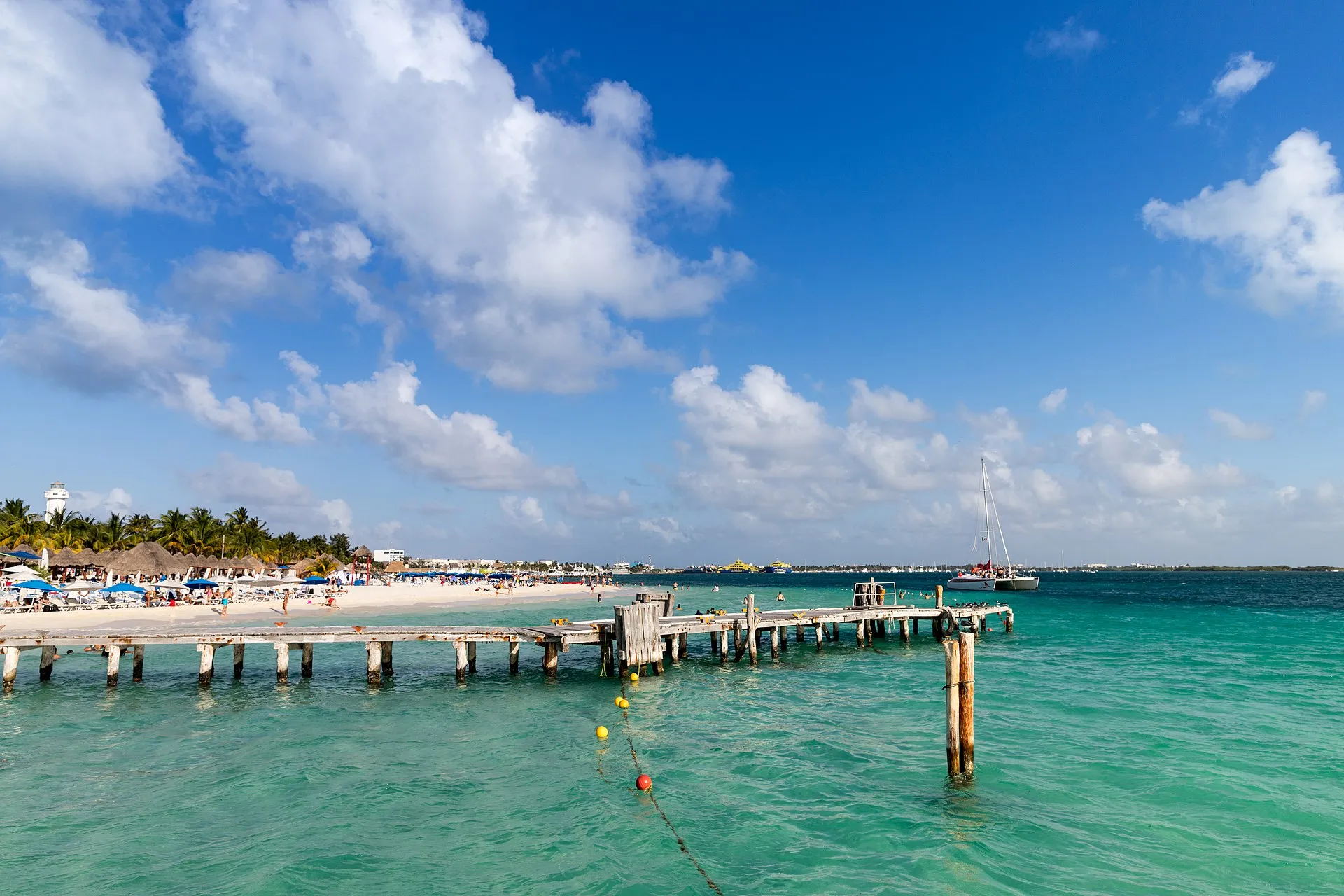
- Playa Norte: The shallow, palm-fringed lagoon at the north end, with waist-deep water for hundreds of metres and beach bars where you can wade out with a drink — regularly ranked among Mexico's best beaches.
- MUSA underwater museum: More than 500 submerged sculptures by Jason deCaires Taylor in the shallow Manchones section, seen on a snorkel tour or a scuba dive over what is now a working artificial reef.
- Punta Sur sculpture park: The rugged southern tip, where a coastal path threads past large modern sculptures to the low cliffs and the remains of the Maya temple to Ixchel, battered by Hurricane Gilbert in 1988 but still standing.
- Tortugranja turtle sanctuary: A modest conservation centre on the sheltered west shore where rescued and hatchery-raised sea turtles — including endangered hawksbill and green turtles — are held before release.
- Hacienda Mundaca: The overgrown estate of a 19th-century slave trader turned pirate, wrapped in a local legend about his unrequited love for an island woman.
- Whale shark grounds: The open water north of the island where, from June to September, regulated small-boat tours let you swim beside the largest fish in the ocean.
- The golf-cart loop: The full coastal circuit, best driven slowly with stops at roadside ceviche stands, street murals, and the wind-blasted eastern malecón.
Wildlife
The water around Isla Mujeres is the real headline. From June through September, whale sharks — the largest fish on Earth, reaching up to 12 metres — arrive in the hundreds to feed on plankton and fish spawn in the currents north of the island, one of the biggest reliable aggregations anywhere; the same nutrient-rich water often brings giant manta rays and sailfish alongside them. Tours run under a strict marine-park permit system that caps how many swimmers enter the water at once and forbids touching the animals or wearing sunscreen that harms the plankton.
Closer to shore, the Tortugranja sanctuary protects nesting hawksbill and green sea turtles, both endangered, releasing hatchlings each summer. The MUSA sculptures have matured into a genuine reef, their cast surfaces now furred with fire coral, sponges, and gorgonians and patrolled by parrotfish, sergeant majors, and the occasional nurse shark. On land the cast is smaller but constant: iguanas bask on the warm rocks at Punta Sur, while frigatebirds and brown pelicans ride the updraught along the eastern cliffs.
When to Visit
Island access: 24 hours — Isla Mujeres is a living town, not a gated attraction. Ultramar ferry: first departure from Puerto Juárez around 5:30 AM, last return near 11:30 PM, running every 30 minutes through the day. Playa Norte: arrive before 10 AM to claim a palapa before the day-trip and cruise crowds land; the beach is quietest at first light and again after the last afternoon ferry leaves. Punta Sur park: 9 AM - 5 PM daily. Best months: the dry season from November through April brings the calmest seas and clearest water, while mid-June to mid-September is whale shark season but overlaps the Caribbean hurricane peak — build in some weather flexibility for a late-summer trip.
Admission and Costs
- Ultramar ferry (round trip): MX$300 (~$17) from the Puerto Juárez / Gran Puerto terminal — the cheapest and most frequent crossing, no reservation needed.
- Golf cart rental: MX$800-1,200 (~$45-70) per day — the classic way to circle the island.
- Punta Sur entrance: about MX$30 (~$2).
- MUSA snorkelling tour: MX$1,000-1,500 (~$57-86) per person including guide and gear.
- Whale shark swim (seasonal): MX$3,000-4,500 (~$170-260) per person, including gear, boat, and the marine-park fee.
- Guided island tour: MX$1,500-2,500 (~$85-145) per person, usually with lunch.
The Case for a Guide
Plenty of visitors do Isla Mujeres unguided — rent a cart, hit the beach, catch the ferry back. But three of the island's signature experiences are meaningfully better, and safer, with a licensed guide.
- Whale sharks, done right: The season runs on a permit system, and the gap between a reputable operator and a cheap one is real — group size in the water, distance kept from the animals, and whether the crew knows the day's feeding grounds. A good guide books the licence, supplies the mandatory wetsuit or life jacket, and positions you for an ethical encounter.
- Reading MUSA underwater: A dive or snorkel guide explains why Jason deCaires Taylor sank 500-plus sculptures here — to pull pressure off the living reef — and points out which figures have grown into the richest coral gardens.
- The Maya layer: At Punta Sur, a guide connects the ruined temple to Ixchel worship and the 1517 landing that named the island, turning a scenic cliff into a story.
- Logistics without friction: From choosing the right ferry terminal to timing Playa Norte around the crowds, a guide removes the small frustrations that eat into a day trip.
Tips for Visitors
- Cross from Puerto Juárez, not the Hotel Zone: the Ultramar ferry from the Gran Puerto / Puerto Juárez terminal is cheaper and leaves every 30 minutes; the Hotel Zone piers cost more and run less often.
- Hit Playa Norte early: the sand fills by late morning, so the glassy, uncrowded water is a first-light reward.
- Rent a golf cart for the south: downtown and Playa Norte are walkable, but a cart is the easiest way to reach Punta Sur — you can drive the full 7-kilometre loop in a couple of hours with stops.
- Book whale shark tours ahead: June-to-September slots with licensed operators sell out days in advance.
- Bring reef-safe sunscreen: it is required around MUSA and the whale shark grounds, and ordinary sunscreen can be refused on the boat.
- Consider one night: most visitors leave on the evening ferry, so an overnight buys you a quiet sunset at Punta Sur and a walkable downtown after dark.
Frequently Asked Questions
Which ferry should I take to Isla Mujeres, and do I need to book ahead?
Use the Ultramar ferry from Gran Puerto / Puerto Juárez, just north of downtown Cancún — it is the cheapest and most frequent crossing at MX$300 (~$17) round trip, runs every 30 minutes, takes 15-20 minutes, and needs no reservation: just buy a ticket and board. The ferries that leave from the Hotel Zone piers (Playa Tortugas, El Embarcadero) are pricier and less frequent, so most independent travellers taxi to Puerto Juárez instead.
Is Isla Mujeres worth staying overnight, or is a day trip enough?
A day trip is enough to see Playa Norte, loop the island by golf cart, and reach Punta Sur, but the island empties out once the last cruise and day-tour crowds catch the evening ferry. Staying one or two nights buys you Playa Norte before 10 AM when the water is glassy and the palapas are still free, plus quiet sunset views from the Punta Sur cliffs and a walkable downtown after dark.
When can you swim with whale sharks near Isla Mujeres, and is it regulated?
The whale shark season runs from mid-June to mid-September, peaking in July and August, when hundreds gather to feed north of the island. Tours are permit-controlled: small boats, a mandatory life jacket or wetsuit, no touching, and only two swimmers plus a guide in the water at a time. Expect MX$3,000-4,500 (~$170-260) per person including gear, boat, and the marine-park fee — book a licensed operator a few days ahead.
How do you get around Isla Mujeres once you arrive?
Rent a golf cart (MX$800-1,200 / ~$45-70 per day) to circle the 7-kilometre island in a couple of hours with stops, or use taxis and the small colectivo vans for point-to-point hops. The compact downtown near the ferry pier and Playa Norte is easily walkable, so many day visitors skip the cart and only rent one to reach Punta Sur at the far south.